


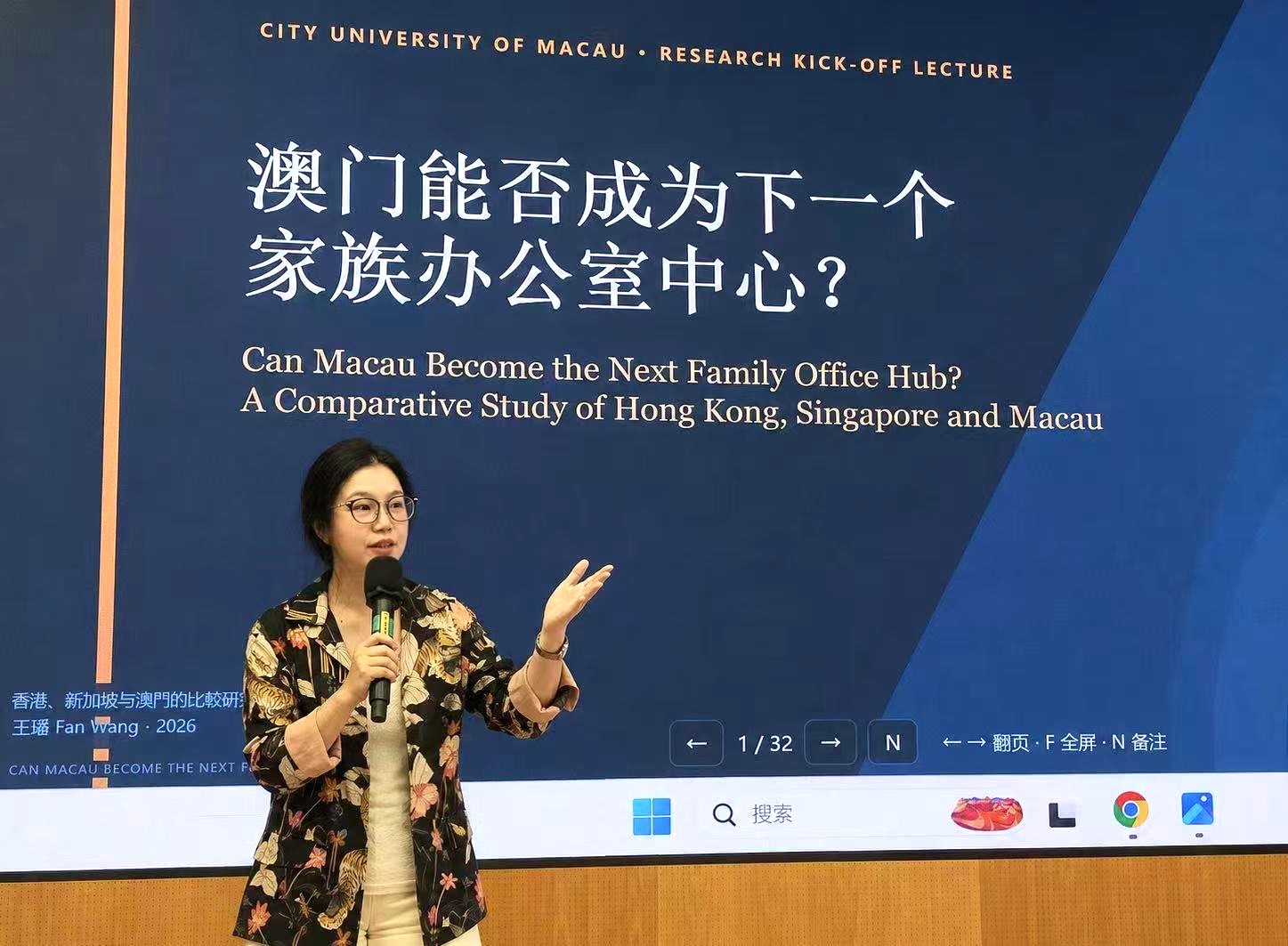
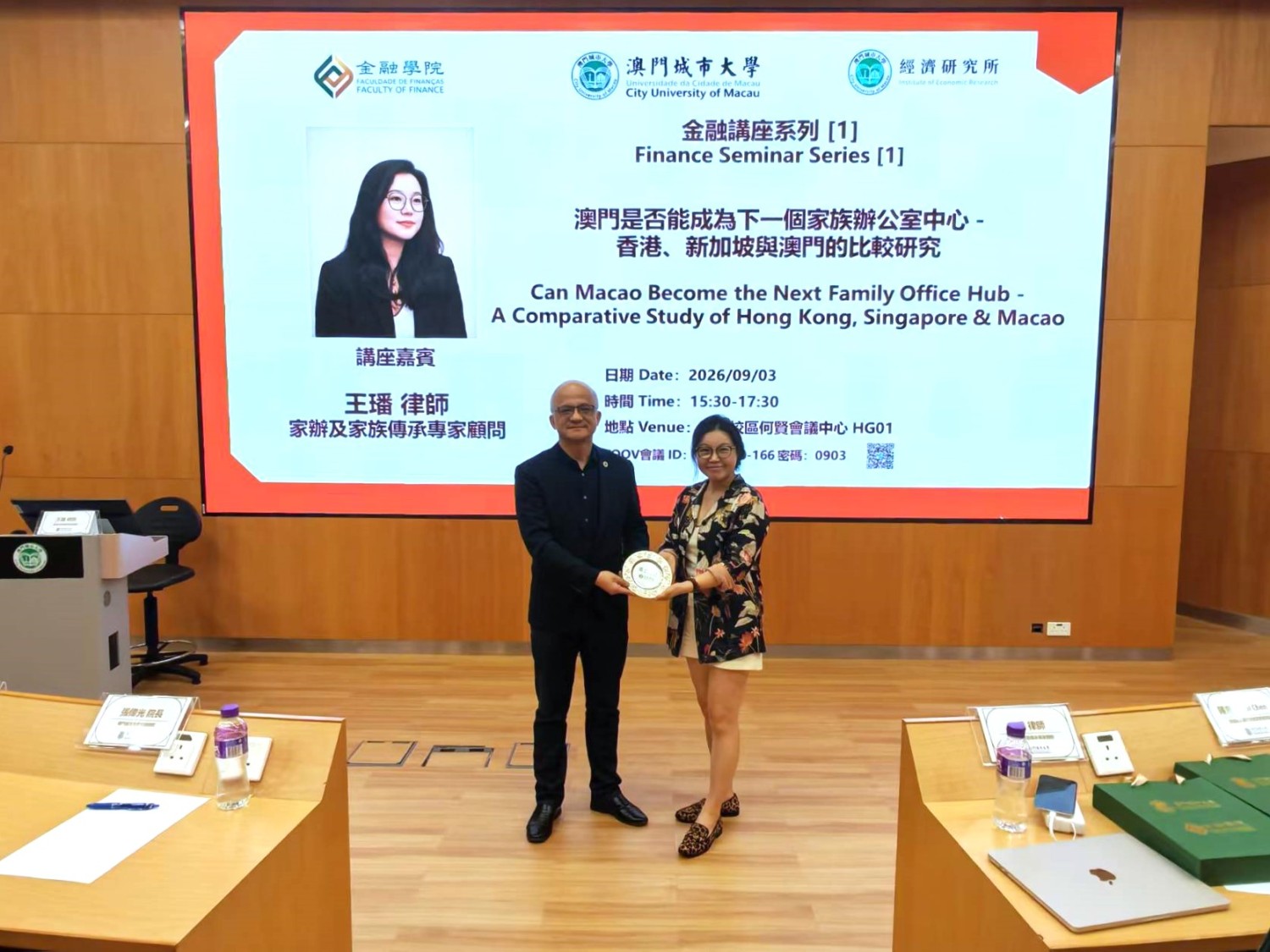
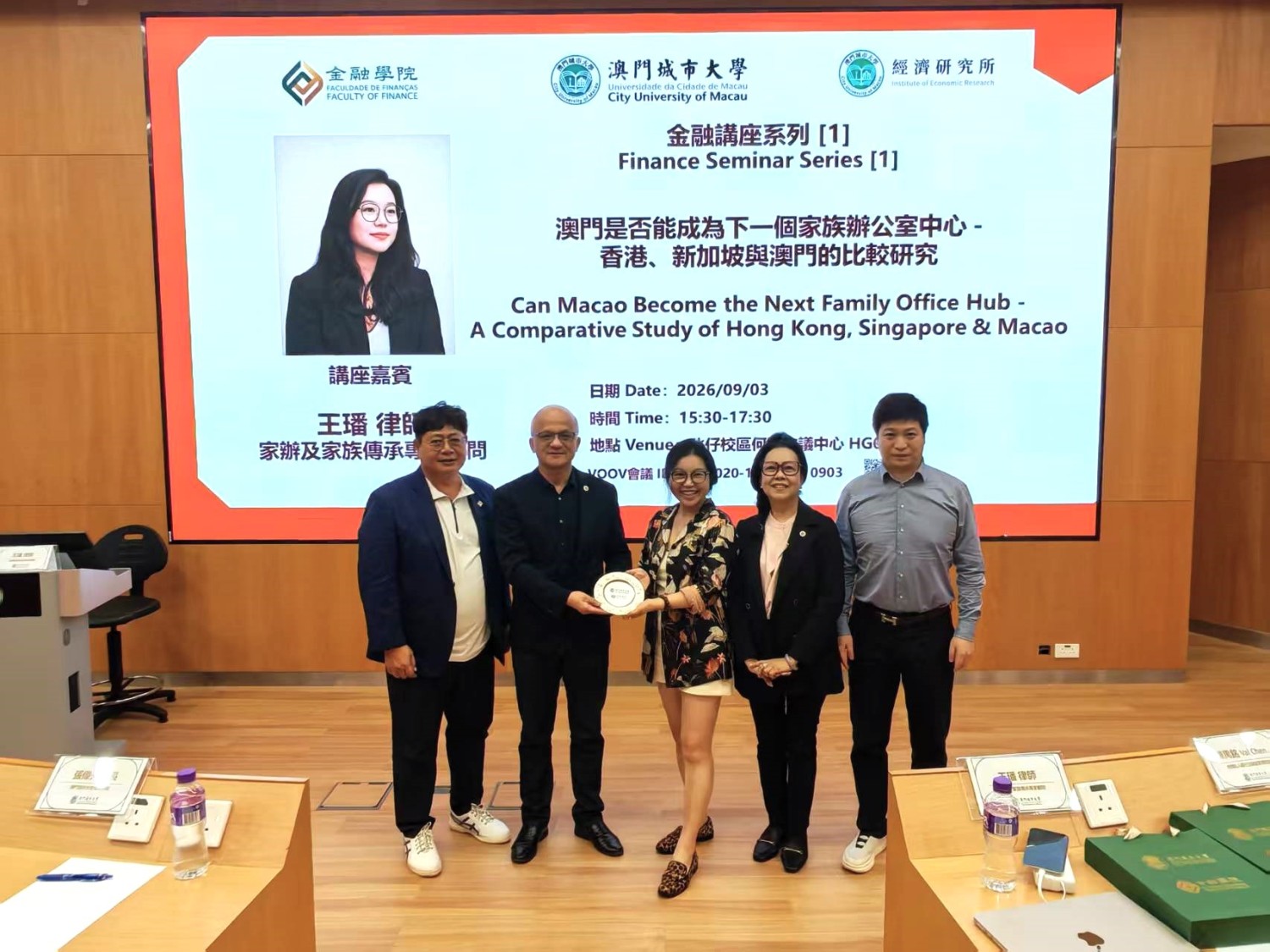
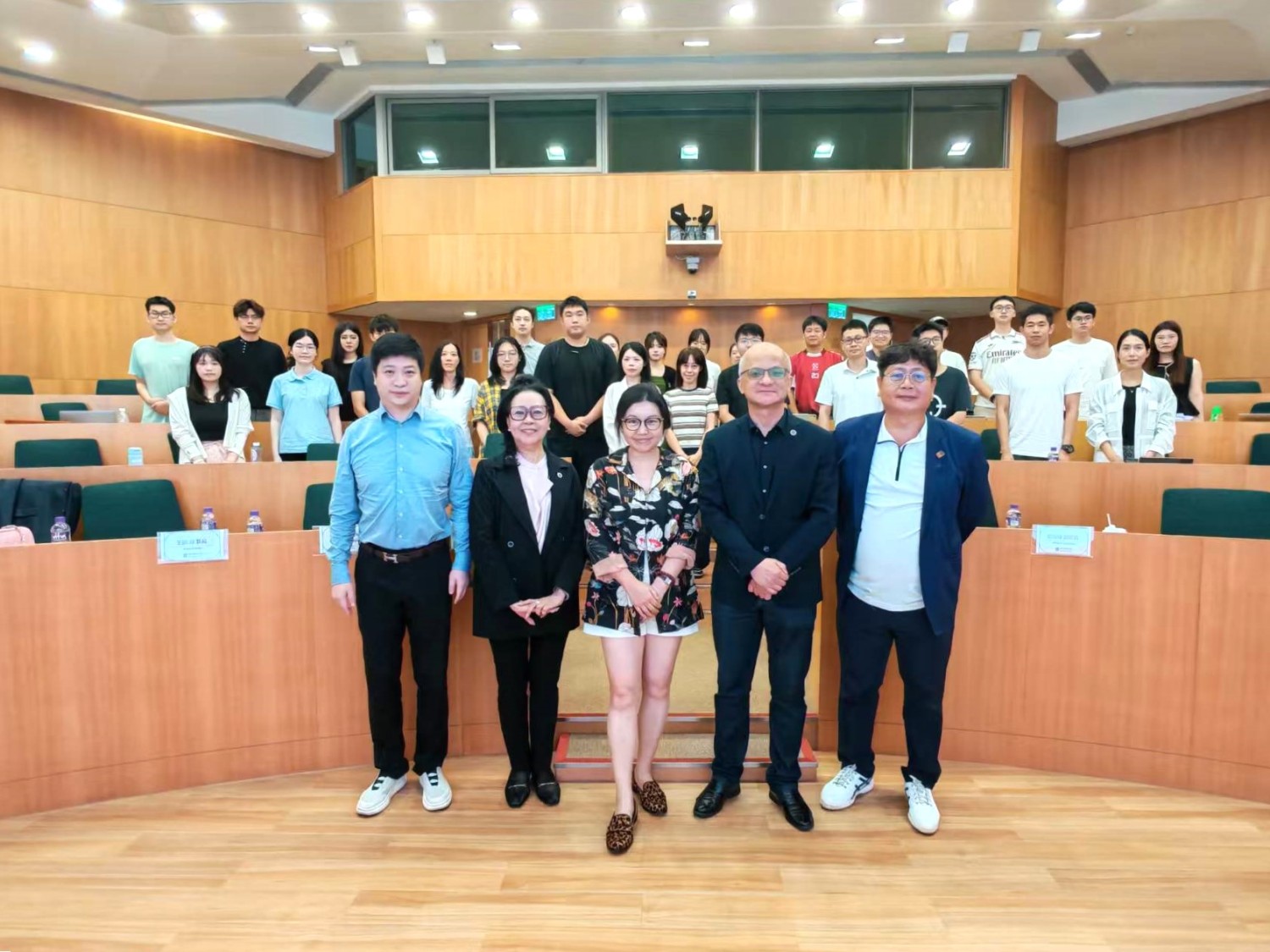
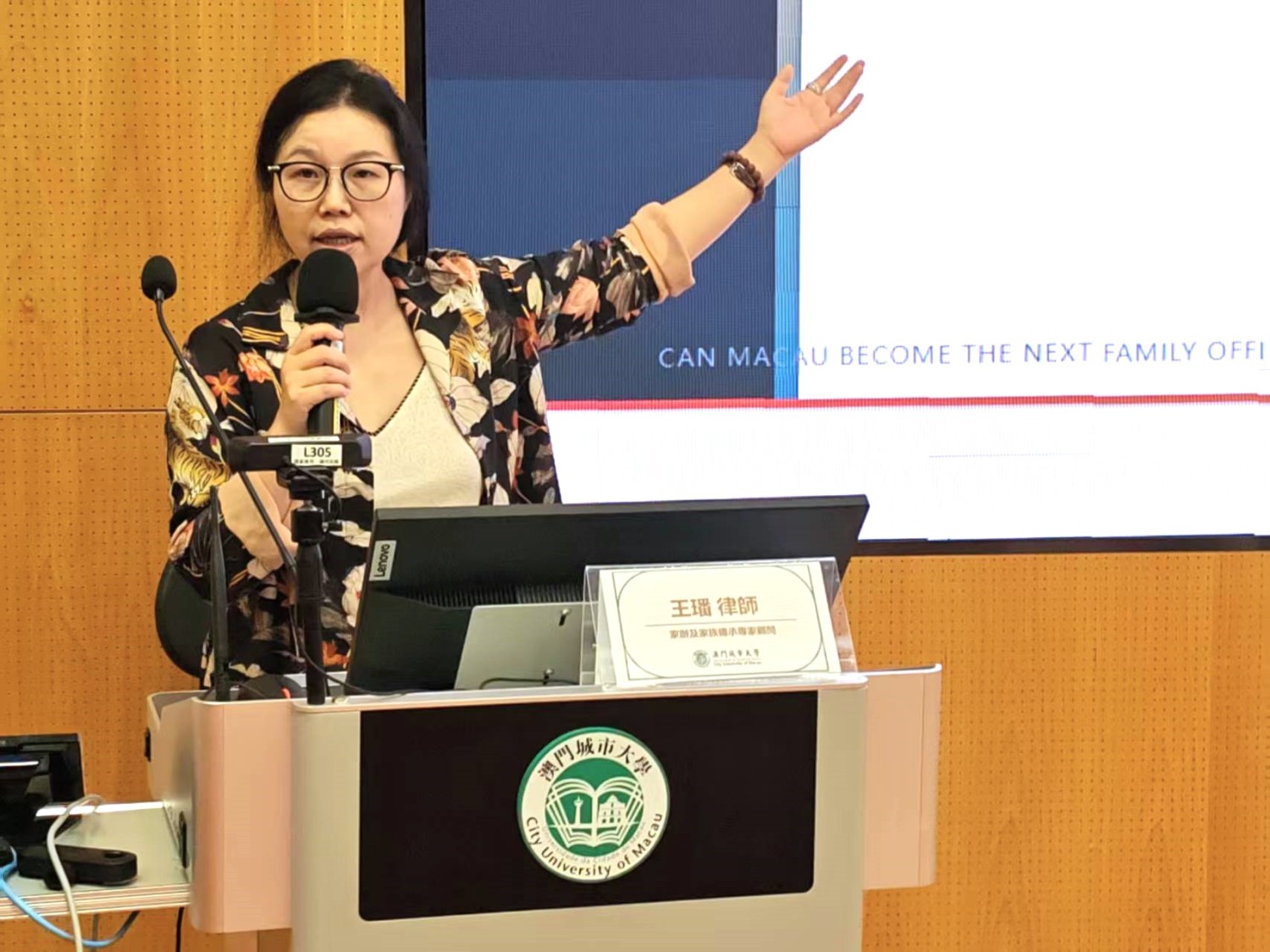
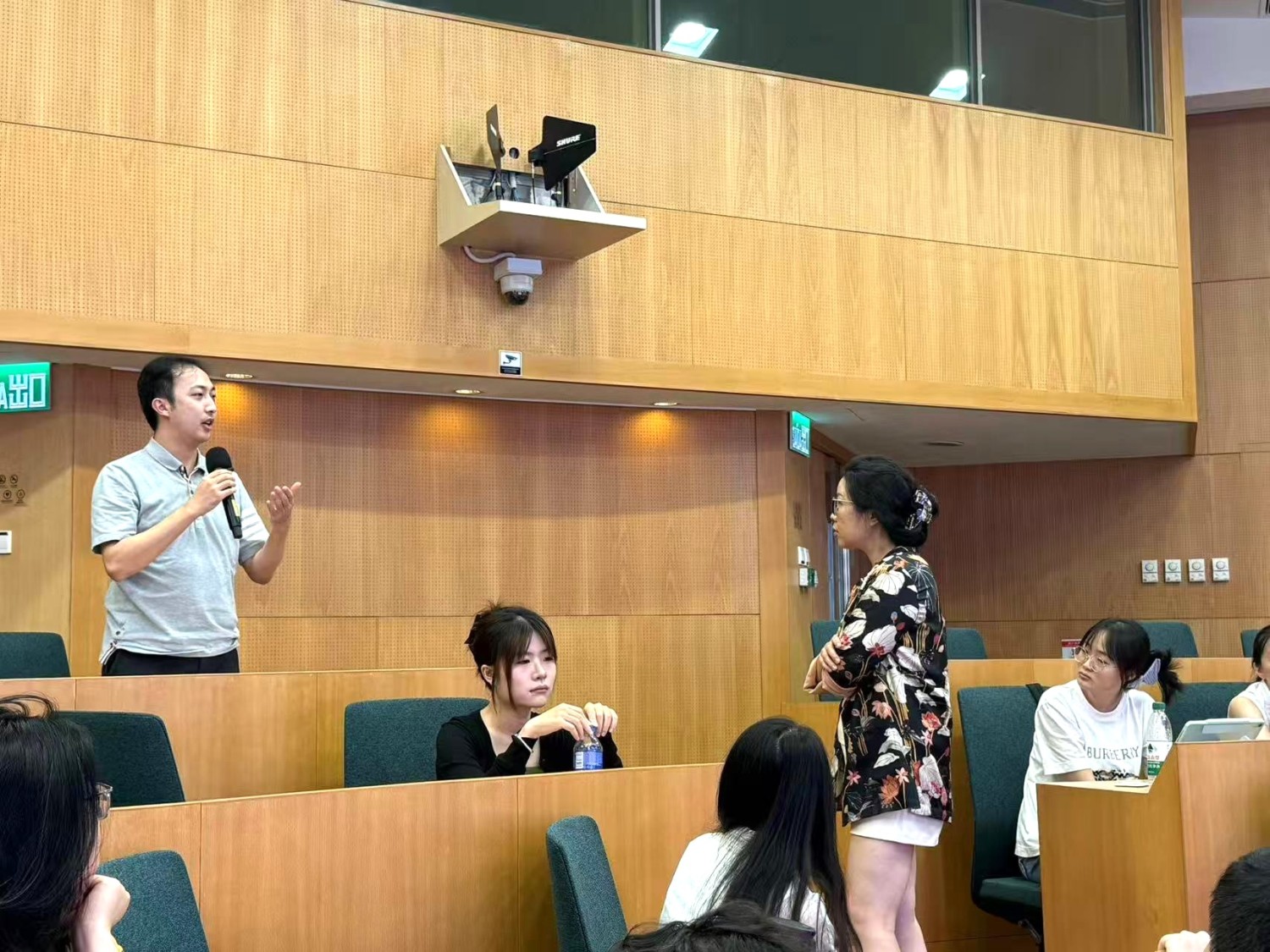
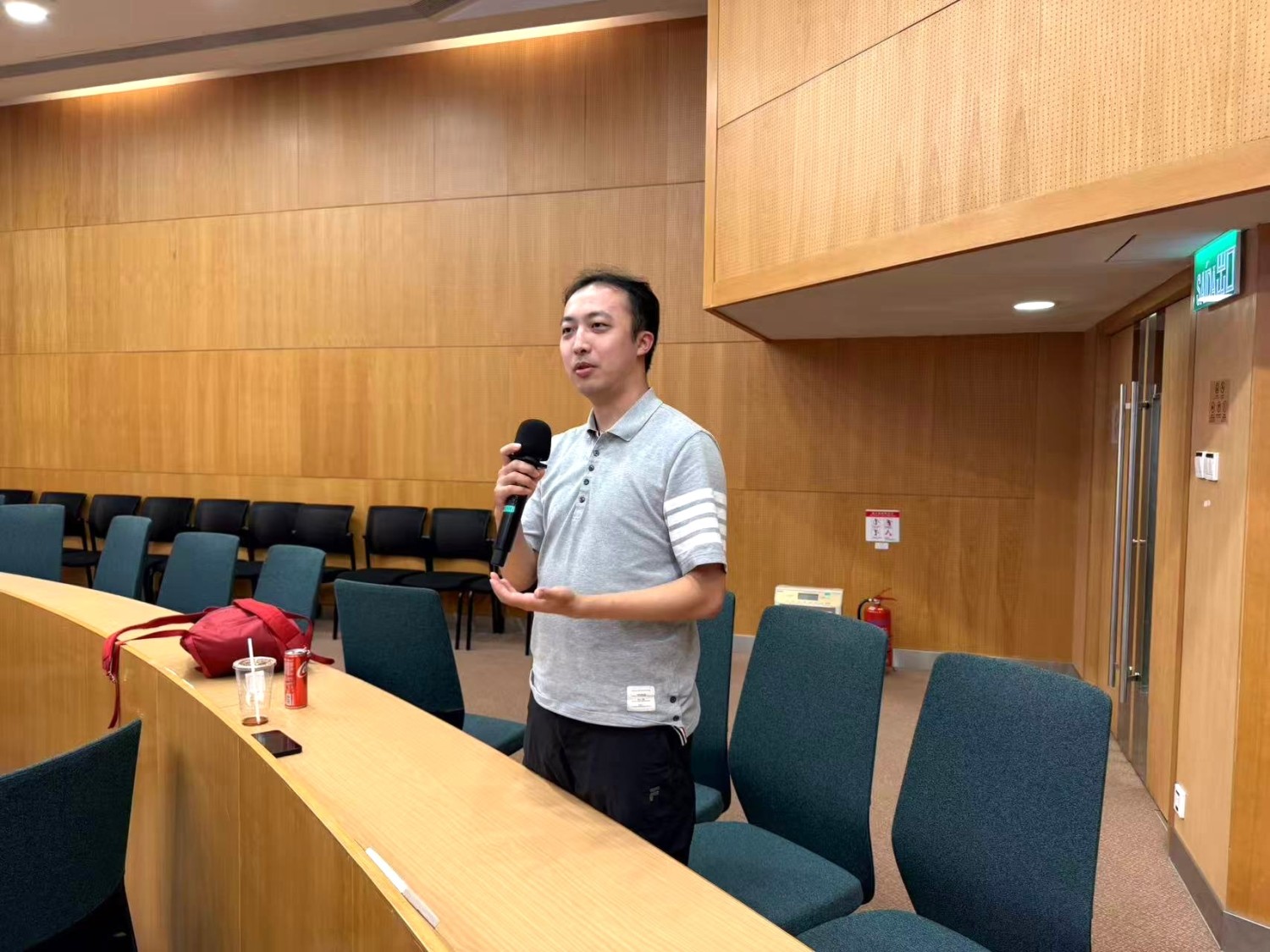
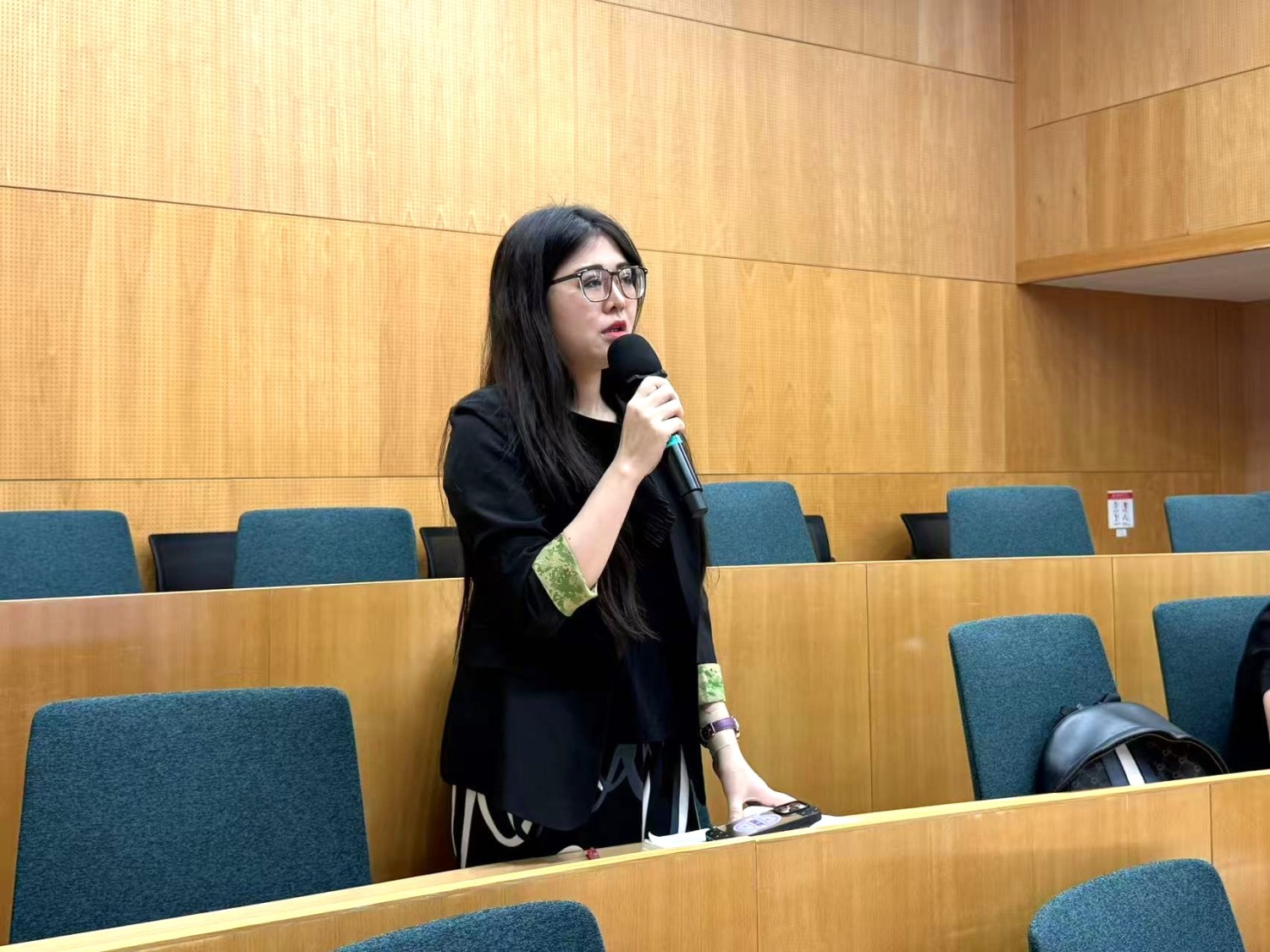
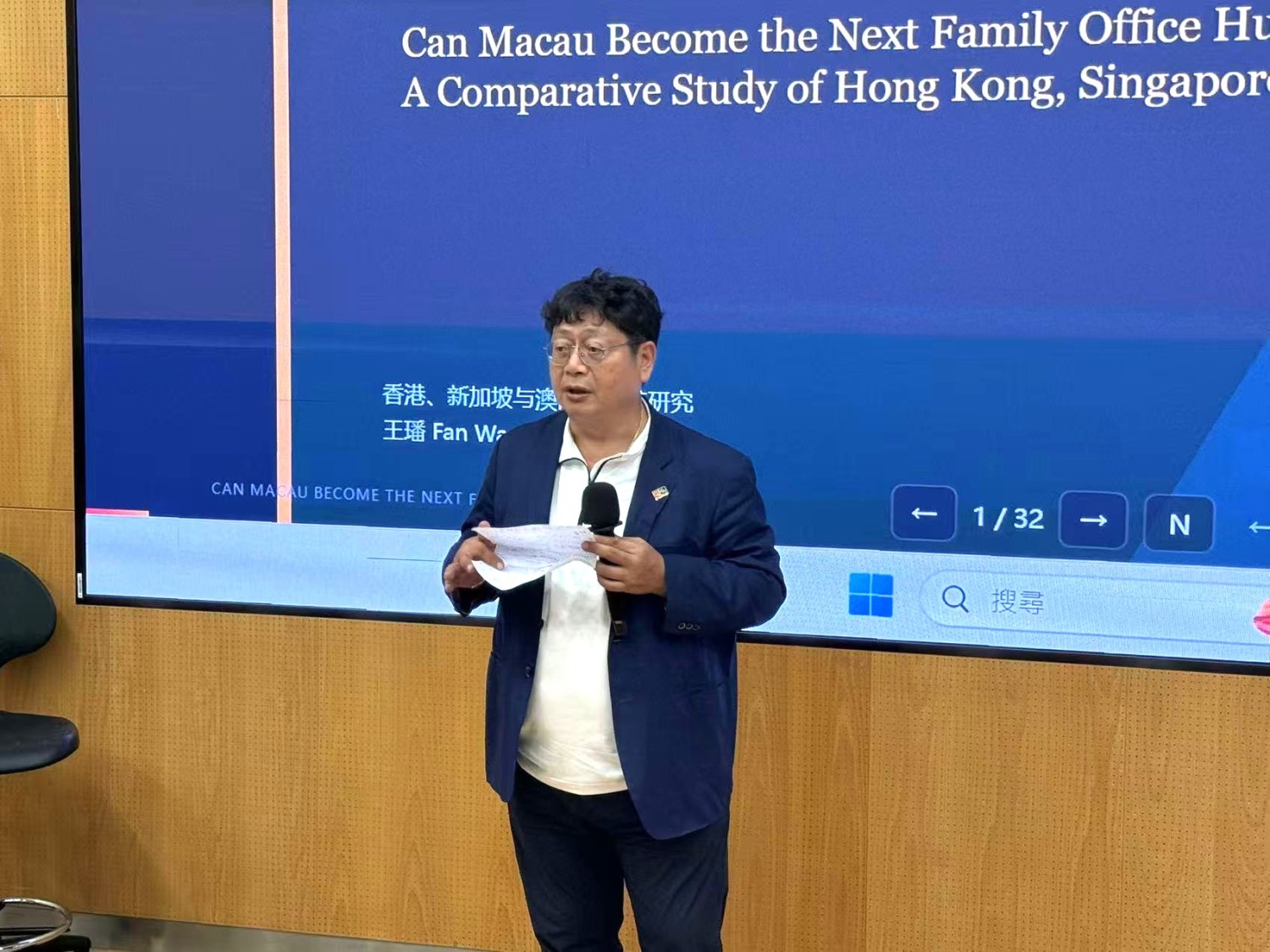
On September 3, 2026, the Faculty of Finance at City University of Macau held a finance seminar at Ho Yin Conference Center on Taipa Campus. The seminar featured Ms. Wang Fan, a lawyer and expert consultant on family offices and family succession, as the keynote speaker. The seminar focused on the theme "Can Macao Become the Next Family Office Hub - A Comparative Study of Hong Kong, Singapore & Macao". Distinguished guests included Mr. Kai Wang, Chairman of the Guangdong-Hong Kong-Macau Youth Innovation Centre, Mr. Yuming Chen, a cross-border private banking and wealth management expert, as well as Dean Adrian Cheung and Associate Dean Eva Khong from Faculty of Finance of City University of Macau.
Ms. Wang Fan is a solicitor qualified in England and Wales. She graduated from China University of Political Science and Law and holds a Master of Laws degree from the University of Oxford, UK. With over fifteen years of extensive experience in international law, private banking, fund structuring, and family wealth succession, her career spans three key areas closely related to family offices. In the fields of international law and funds, Ms. Wang previously worked at the London headquarters of the Magic Circle law firm Linklaters, focusing on fund business, and also served at a Wall Street law firm, where she assisted international financial institutions, sovereign investors, and asset management firms in designing complex cross-border fund structures and investment projects. Currently, Ms. Wang serves as Director of the Fund and Private Client Department at Nixon Peabody CWL and is a Special Advisor to the Family Wealth Management Research Centre at Guantao Law Firm. She has long provided advisory services to numerous large entrepreneurial families and family offices.
At the beginning of the seminar, Ms. Wang Fan pointed out that the wave of family offices is driven by Asian families entering a new historical phase: first-generation entrepreneurs are now concentrated in a transition period, with family members, assets, and tax statuses becoming increasingly globalized, necessitating the rearrangement of corporate control and family wealth. Risks related to marriage, inheritance, tax transparency, and regulatory issues are intertwined, and the next generation inherits not just wealth but also responsibility. Family wealth is shifting from a phase of creation to one of governance and succession. Ms. Wang noted that the term "family office" has been overused in the market. To determine whether an institution is truly a family office, it must be assessed from six dimensions: source of income, standard of responsibility, position of interest, scope of services, time horizon, and systemic position. A genuine family office is not a product sales platform but a long-term governance system managing not just money, but also the relationships, power, and time behind the wealth.
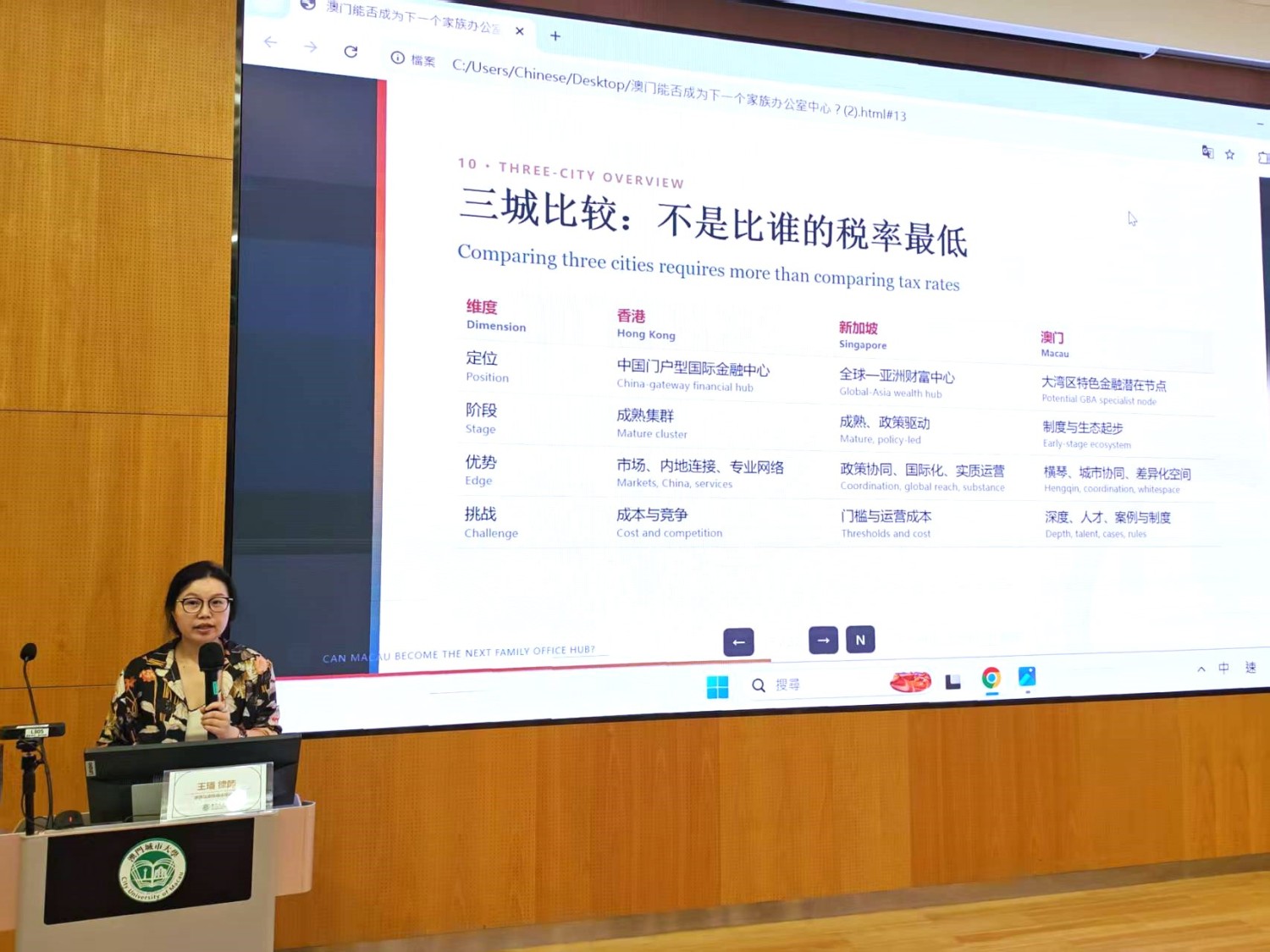
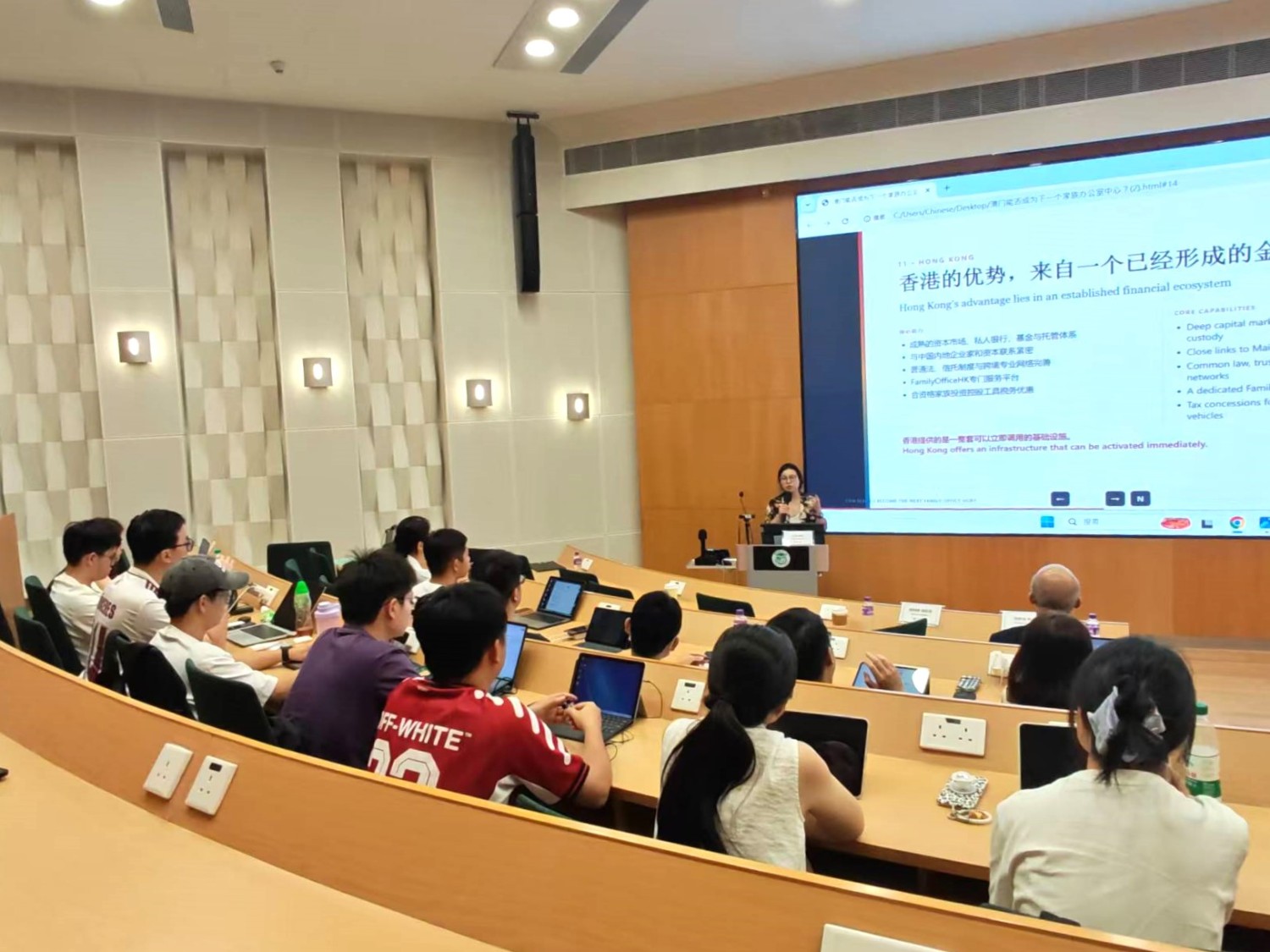
During the seminar, Ms. Wang Fan elaborated on four models of family offices: the Single Family Office (SFO), built and used by a single family, offering control and privacy but with high costs and difficulty in recruiting talent; the Multi-Family Office (MFO), serving multiple families with economies of scale; the Virtual Family Office (VFO), which outsources functions for a lightweight and flexible approach; and the Platform Family Office, which integrates capabilities across multiple domains, offering scalability and ecosystem advantages. Ms. Wang conducted a comparative analysis of Hong Kong, Singapore, and Macau. She emphasized that comparing these three cities is not about who has the lowest tax rate, but requires examination from a more comprehensive perspective. Hong Kong positions itself as a gateway international financial centre for China, with a mature family office cluster, advantages in markets, mainland connectivity, and professional networks, but faces challenges in costs and competition. Singapore, as a global Asian wealth centre, is policy-driven and mature, excelling in policy coordination, internationalization, and substantive operations, though it contends with high thresholds and operating costs. Macau, as a potential node for specialised finance in the Greater Bay Area, has an ecosystem still in its infancy, with advantages in Hengqin synergy and differentiation potential, but faces challenges in depth, talent, case precedents, and institutional development. Ms. Wang also stated that Hong Kong's strengths derive from its mature financial ecosystem, close ties with mainland capital, common law system, and well-established cross-border professional networks, providing a complete set of infrastructure that can be immediately utilized. Singapore, meanwhile, combines tax incentives with local substance, using tax exemption schemes tied to local spending, personnel, and capital deployment requirements to attract not shells but measurable local activities. Regarding Macau's structural and existing foundations, Ms. Wang noted that while Macau has both a Trust Law and a new Investment Fund Law, the "1+4" economic diversification direction, connectivity with the Hengqin Cooperation Zone, and a low-tax environment, these are merely conditions and have yet to form a true family office ecosystem. Macau's shortcomings include limited financial market depth, insufficient private banking services, a small pool of cross-border composite talent, a lack of benchmark cases and international reputation, and the fact that close connectivity does not equate to free cross-border capital flow.
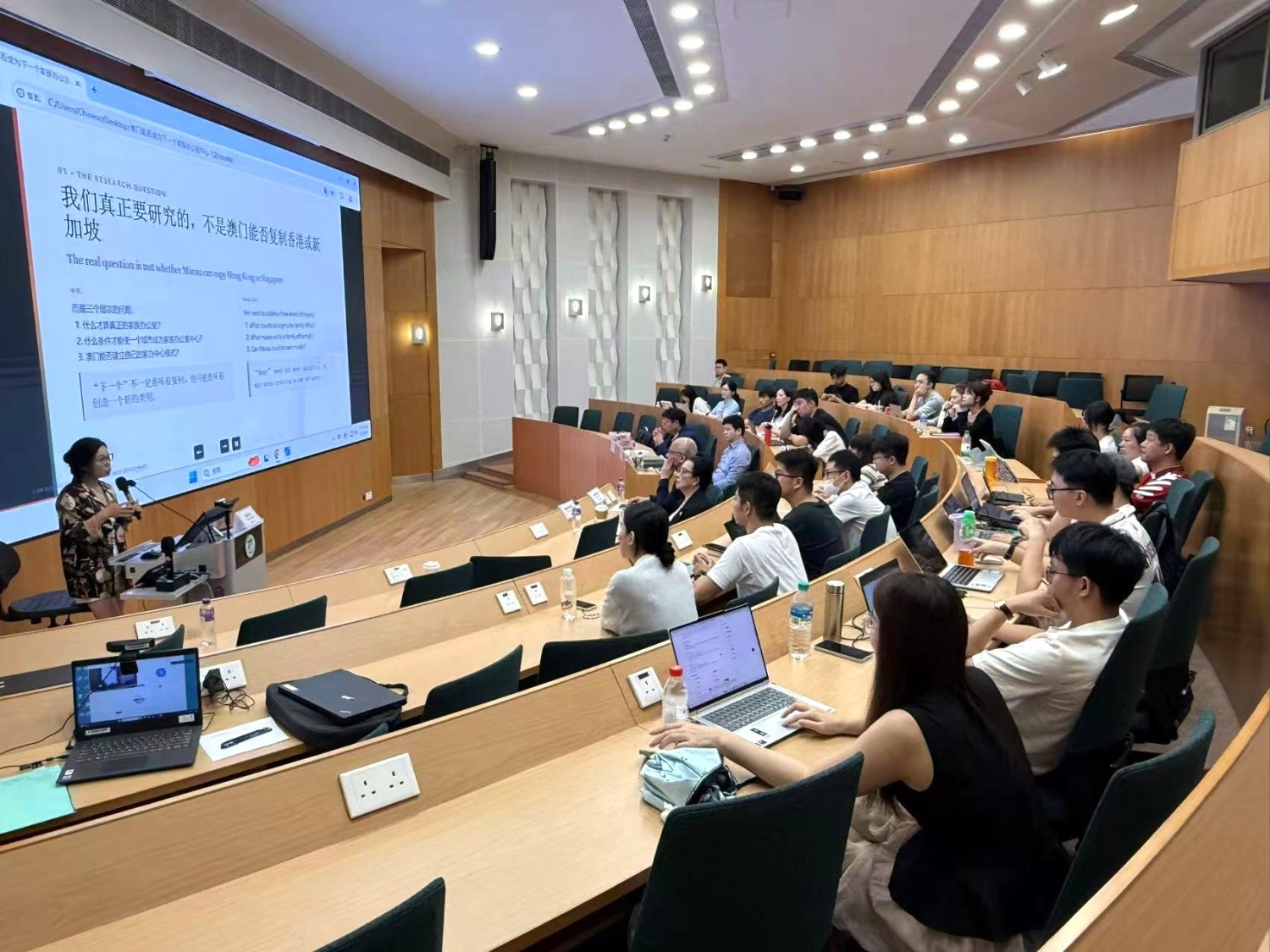
Ms. Wang Fan pointed out during the seminar that "Macau should not replicate Hong Kong, nor is it likely to replicate Singapore," and proposed three hypotheses: Macau becoming the third comprehensive family office centre; Macau becoming a node for cross-border family succession in the Greater Bay Area; and Macau becoming a centre for platform family offices and governance innovation. She believes that Macau's family office development should identify a function that Hong Kong and Singapore cannot easily replace, positioning itself as an irreplaceable node for cross-border succession and governance for families in the Greater Bay Area, as a platform family office, and as a centre for family governance and AI application research. Ms. Wang's presentation did not start from a single financial product, legal tool, or policy incentive, but rather focused on how family offices can serve as a long-term governance system for managing families, businesses, assets, risks, and intergenerational relationships, and how law, taxation, investment, trusts, family governance, and professional service institutions can form truly effective synergies. This seminar was not just a thematic presentation but also a starting point for research on family offices and Macau's specialised finance. While Hong Kong and Singapore have established relatively mature family office ecosystems, whether Macau possesses the conditions to develop family offices, whether it should replicate the Hong Kong or Singapore model, or whether it should rely on the Greater Bay Area, Hengqin, cross-border succession, platform family offices, and industry-university-research cooperation to build its own development model—these are precisely the topics worthy of continued in-depth study by students.
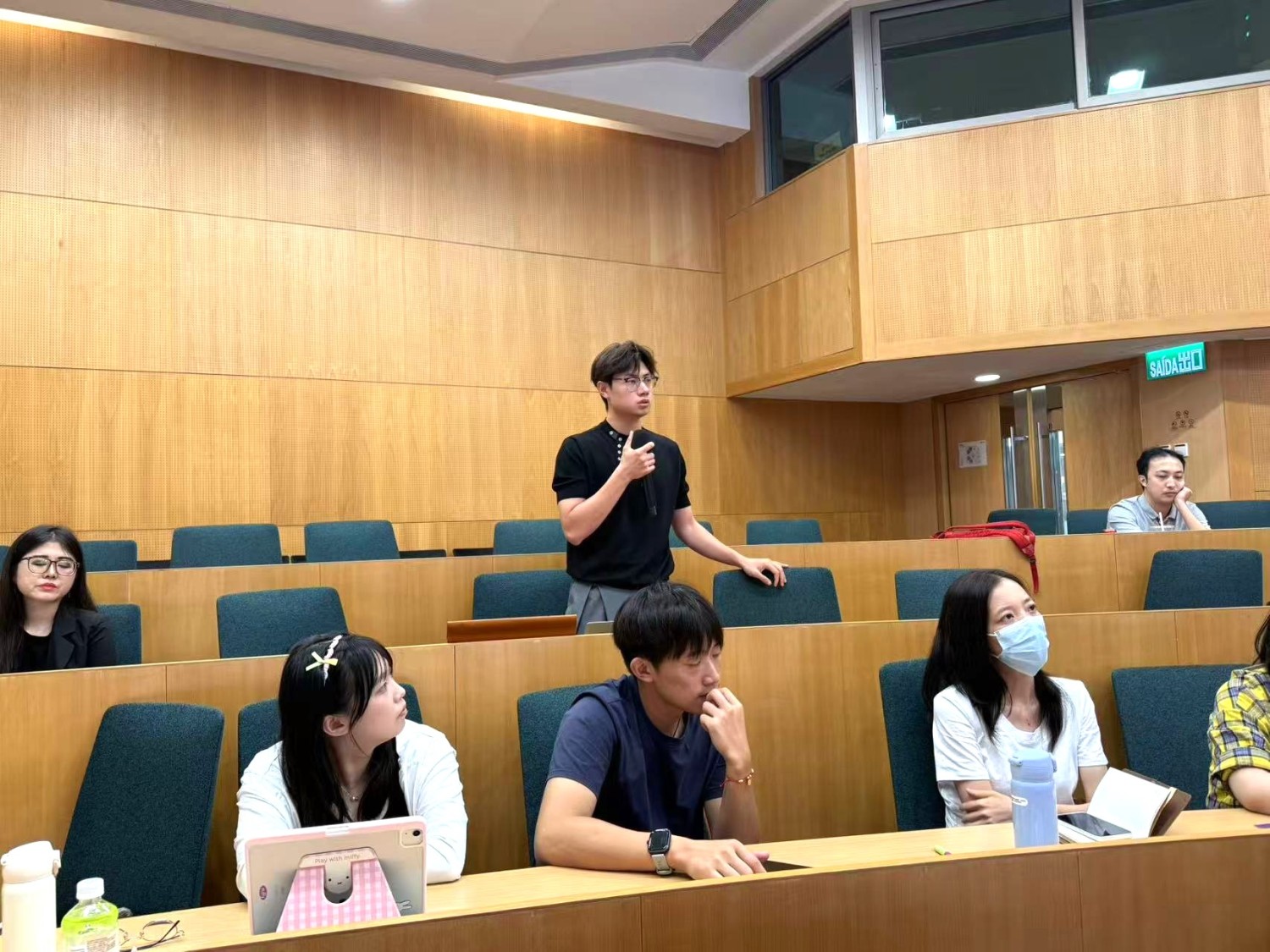
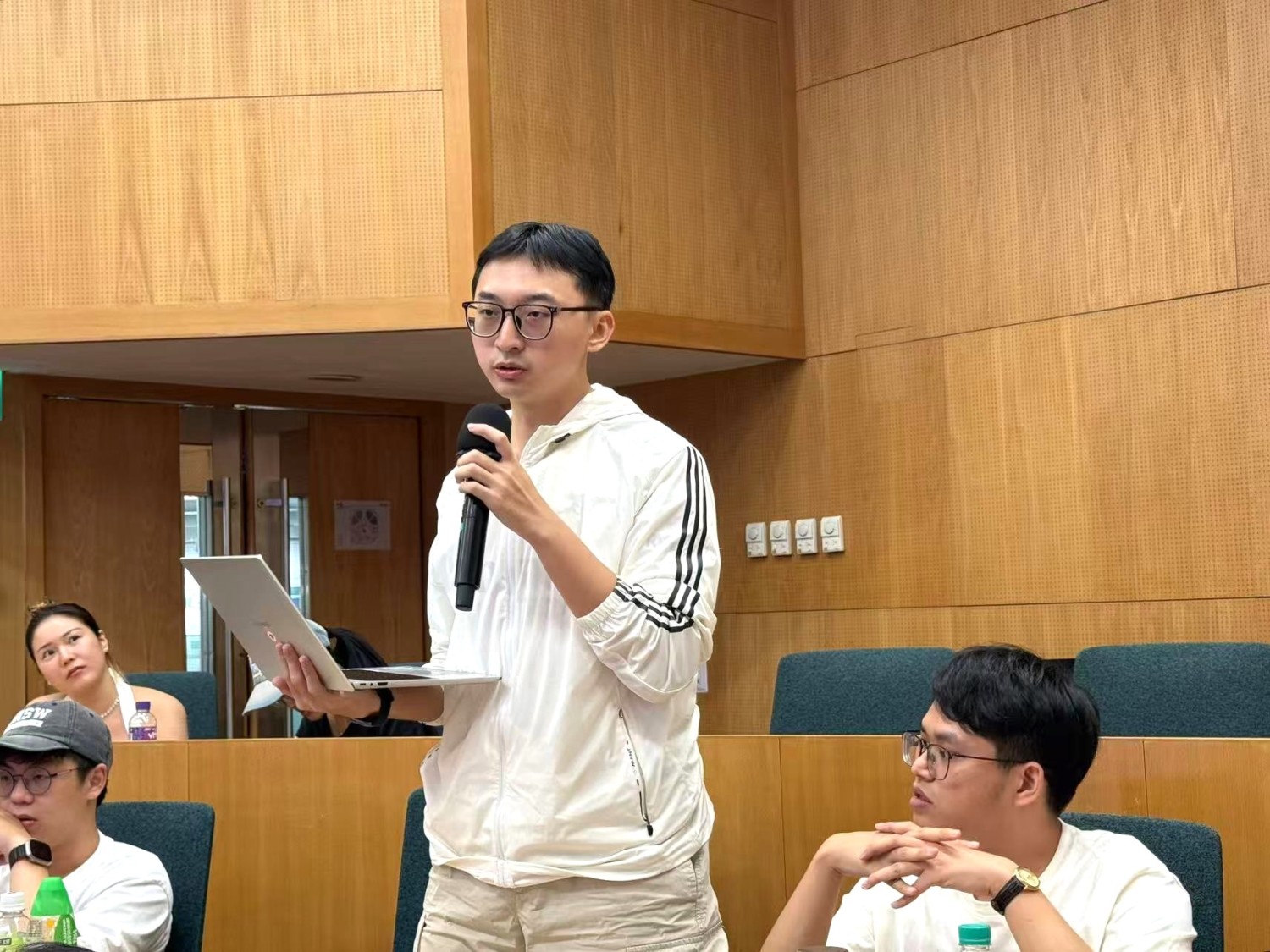
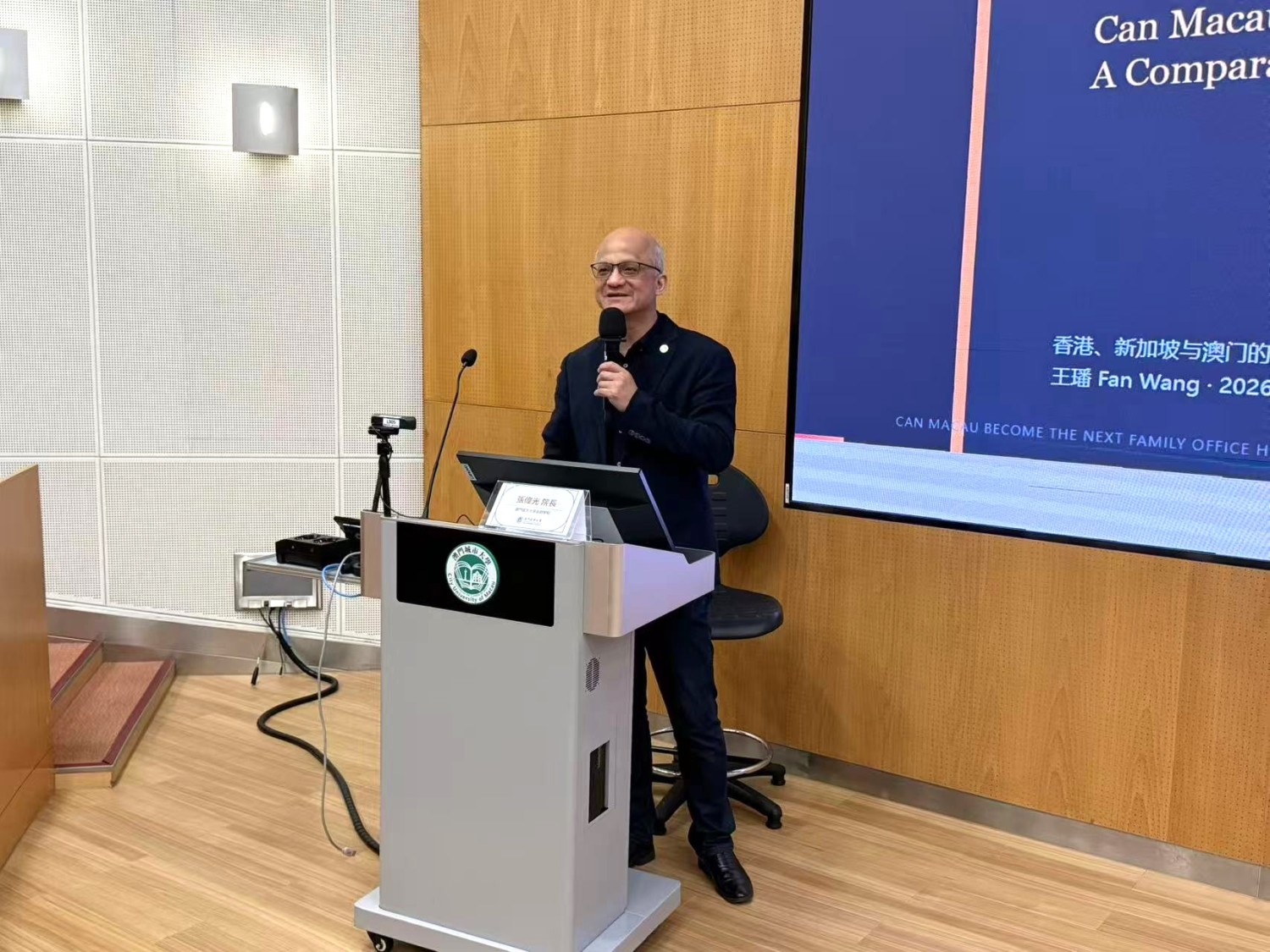
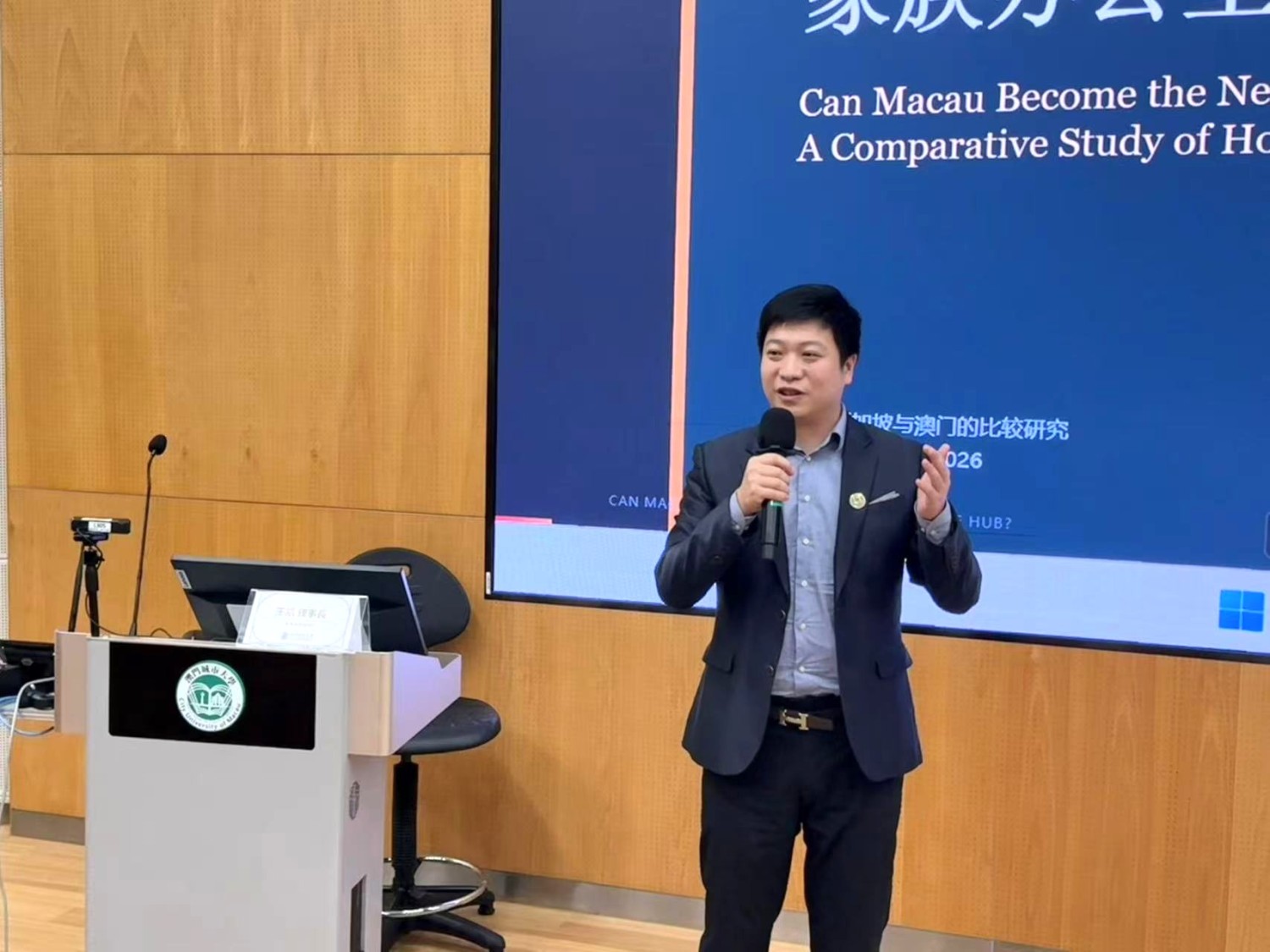
During the seminar, students asked questions enthusiastically, and Ms. Wang Fan patiently answered each one. Ms. Wang and Associate Dean Eva Khong will jointly supervise doctoral students' research on family offices. Through this seminar, they hope students will not only gain an understanding of genuine family offices but also gradually form research frameworks, transform viewpoints into hypotheses, and turn policy slogans into data, case studies, and verifiable research conclusions, thereby contributing academic strength to the future development of Macau's specialised finance. At the conclusion of the seminar, Dean Adrian Cheung delivered a speech thanking Ms. Wang Fan for her insightful presentation, describing it as a cutting-edge topic that introduced students to family offices, and also thanked Ms. Wang for providing students with opportunities for continuous learning. Subsequently, Mr. Kai Wang, Chairman of the Guangdong-Hong Kong-Macau Youth Innovation Centre, stated that they would cooperate with Ms. Wang and the students to complete a series of research projects, jointly advancing the study of family offices in Macau. Finally, cross-border private banking and wealth management expert Mr. Yuming Chen gave a preview that the next financial seminar would feature him as the keynote speaker, and that he and Dean Adrian Cheung would jointly supervise doctoral students' research on family offices. He indicated that in the future, he would share with students the practical applications of financial instruments, including asset allocation diversification, hedging strategies, and how ultra-high-net-worth families leverage asset values to obtain optimal financing terms, giving students a deeper understanding of modern financial tools.