


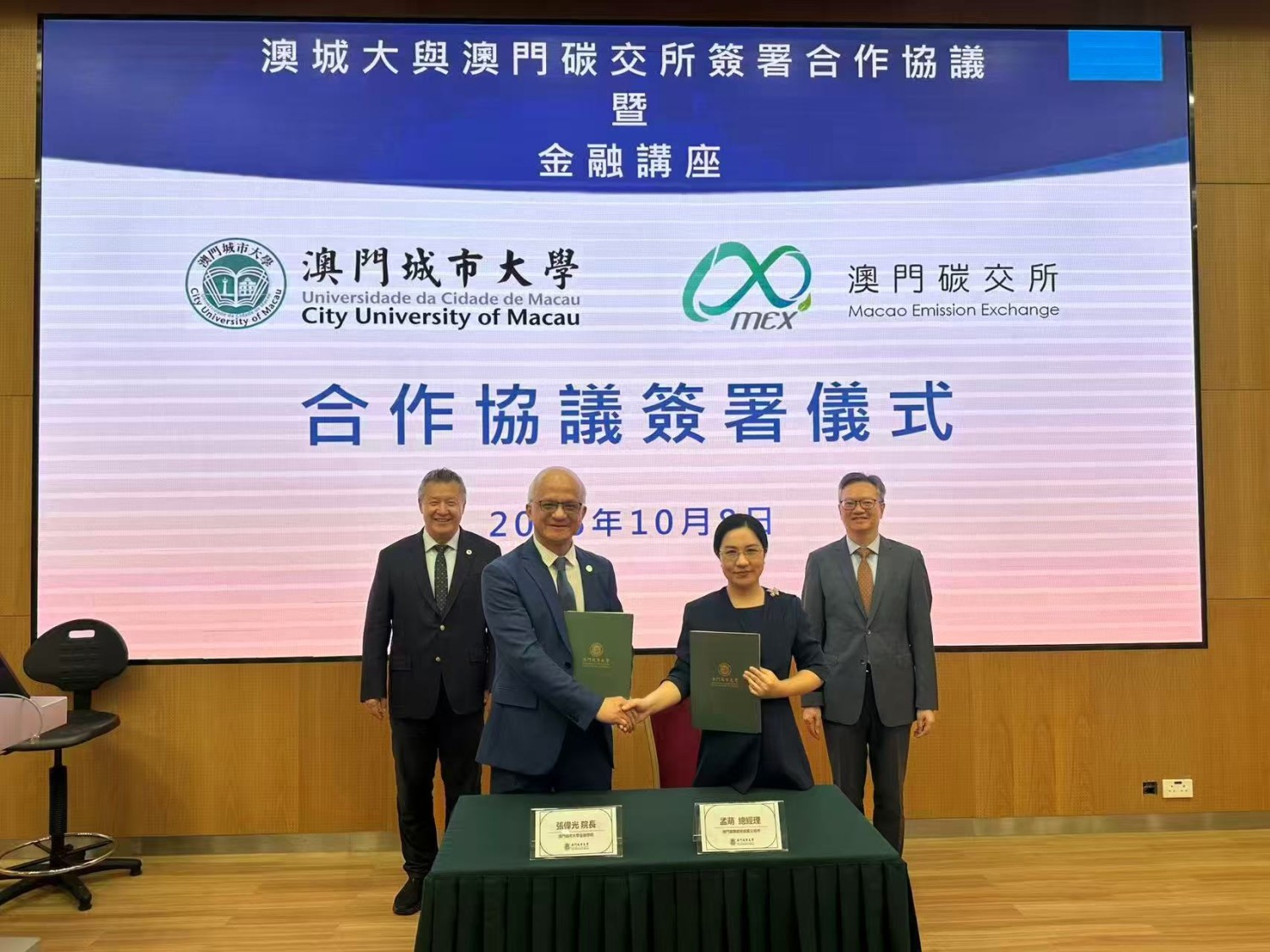
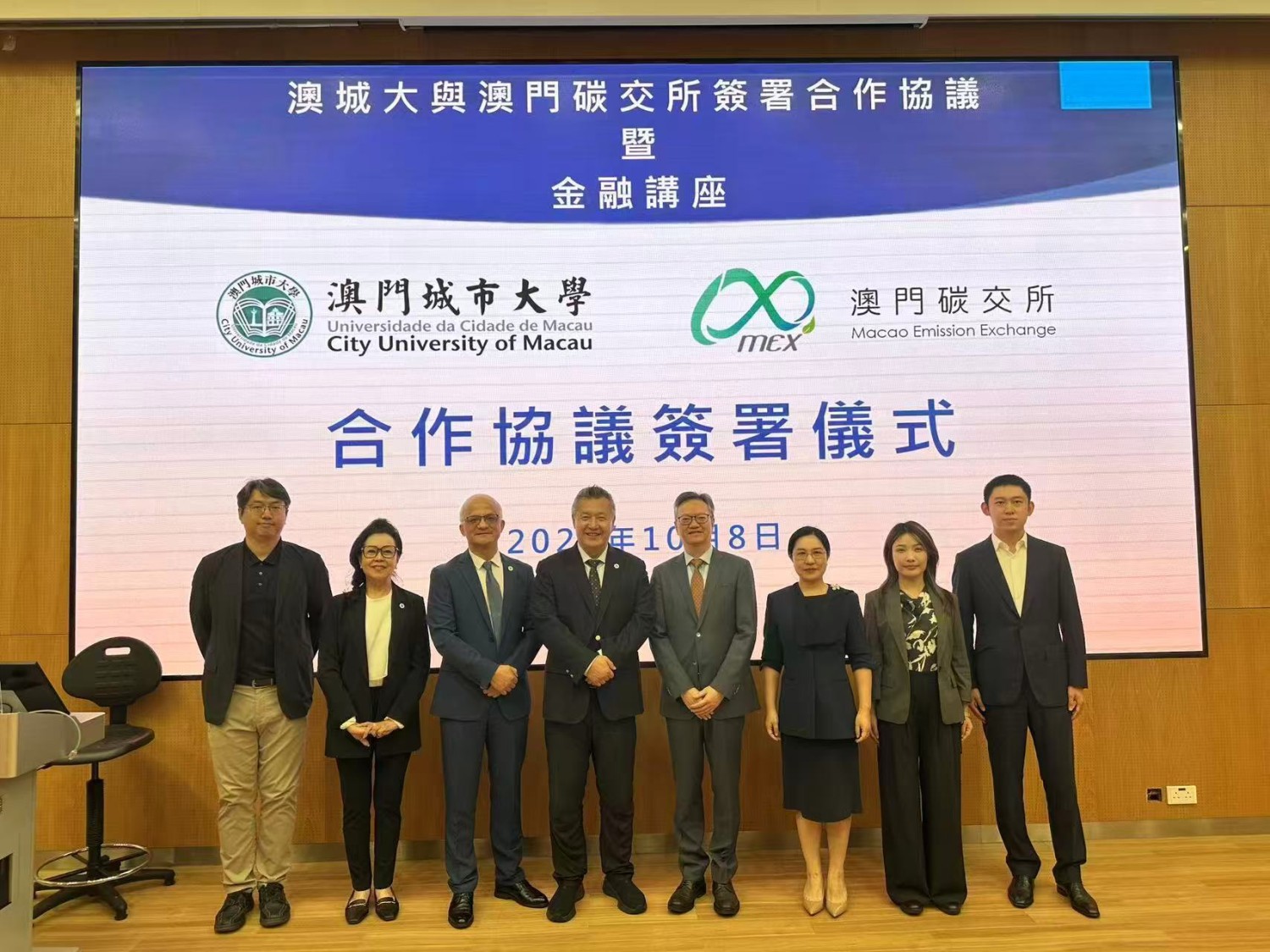
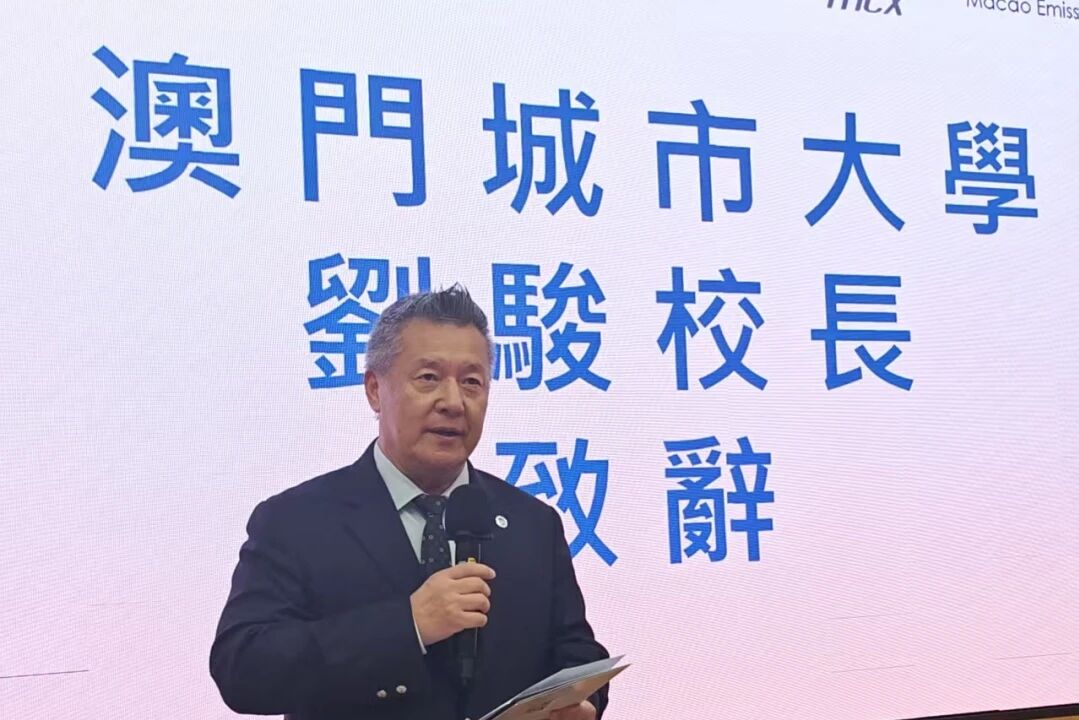
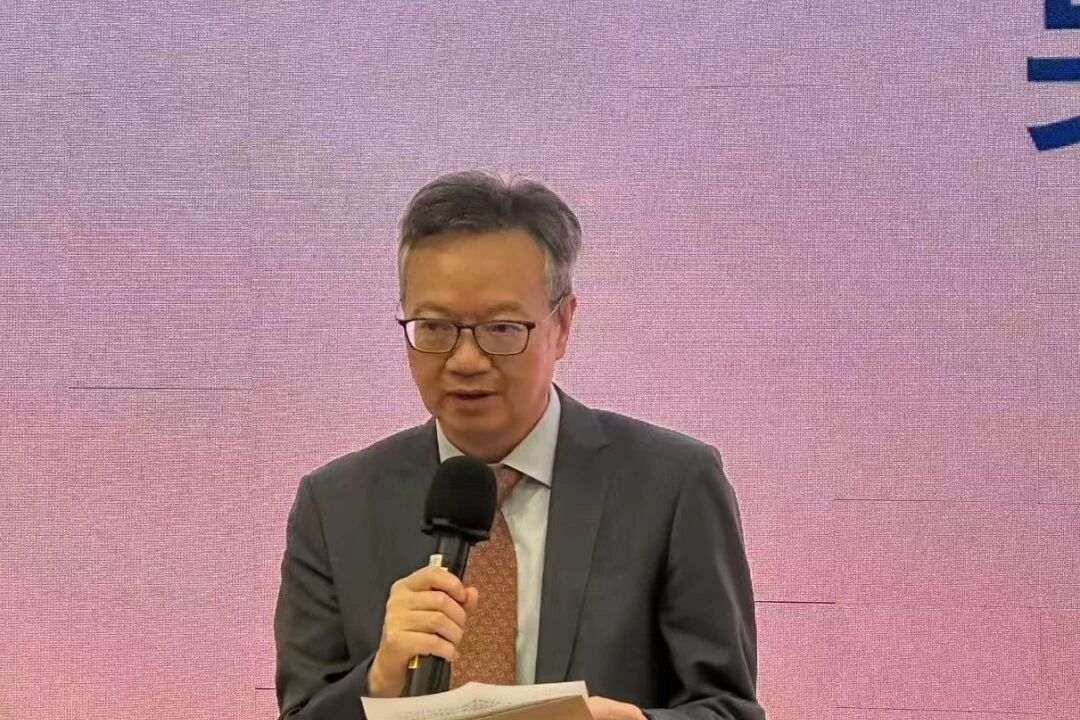
On 8 October, 2026, the signing ceremony for the cooperation agreement between the Faculty of Finance of City University of Macau and the Macao International Carbon Emission Exchange (MEX) was held at the Taipa Campus of City University of Macau. Witnessed by Professor Jun Liu, Rector of City University of Macau, and Mr. Jianfeng Wu, Director of MEX, Professor Adrian Cheung, Dean of the Faculty of Finance of City University of Macau, and Ms. Meng Meng, General Manager of MEX, signed the cooperation agreement on behalf of both parties. The two parties will leverage their respective resource advantages to carry out in-depth industry-academia-research cooperation, jointly build a green finance talent cultivation system and an industry-academia integration innovation platform, and contribute to the high-quality development of Macau's green finance industry and sustainable economic development. Ms. June Lei, Marketing Director of MEX, Mr. Jiaxuan Xu, Director of Green Finance of MEX, and Professor Eva Khong, Associate Dean of the Faculty of Finance of City University of Macau, also attended the ceremony.
Rector Liu expressed his gratitude to MEX for its care and support for talent cultivation and institutional growth to City University of Macau. He stated that the two parties will take this collaboration as an opportunity to further deepen the industry-academia integration, achieve resource sharing, establish innovative interactive mechanisms, and launch university-industry cooperation at a deeper level, across a broader range of fields, and in a more comprehensive manner. Together, they will promote disciplinary development, cultivate high-caliber professionals in green finance, and inject new momentum into Macau’s green finance and sustainable development.
Director Wu stated that, as an important window for China's opening-up, Macau possesses the advantage of connecting domestic and international markets under "one market, two systems" and possesses broad prospects in promoting cross-border trading cooperation and cultivating new green finance business models. He congratulated City University of Macau on the remarkable enhancement of its international academic reputation in recent years, and expressed his expectation for all-round and in-depth cooperation between the two parties in green finance talent cultivation and green finance technology research, helping Macau improve its green finance industry continuously.
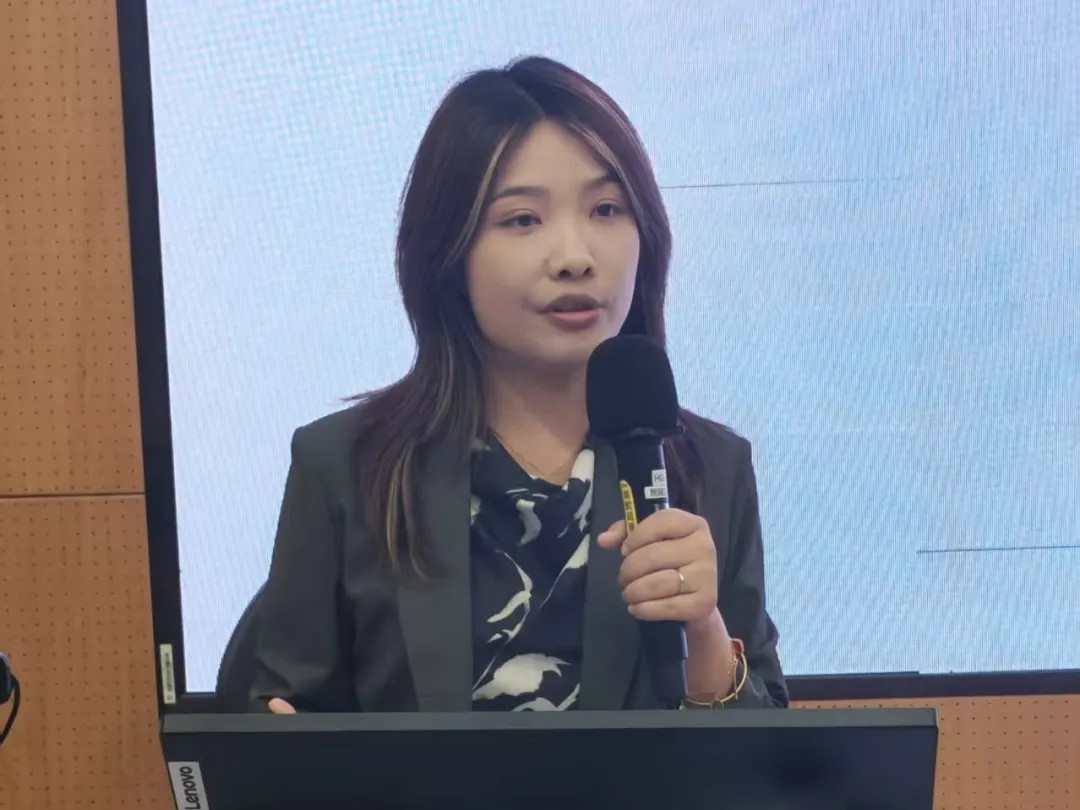
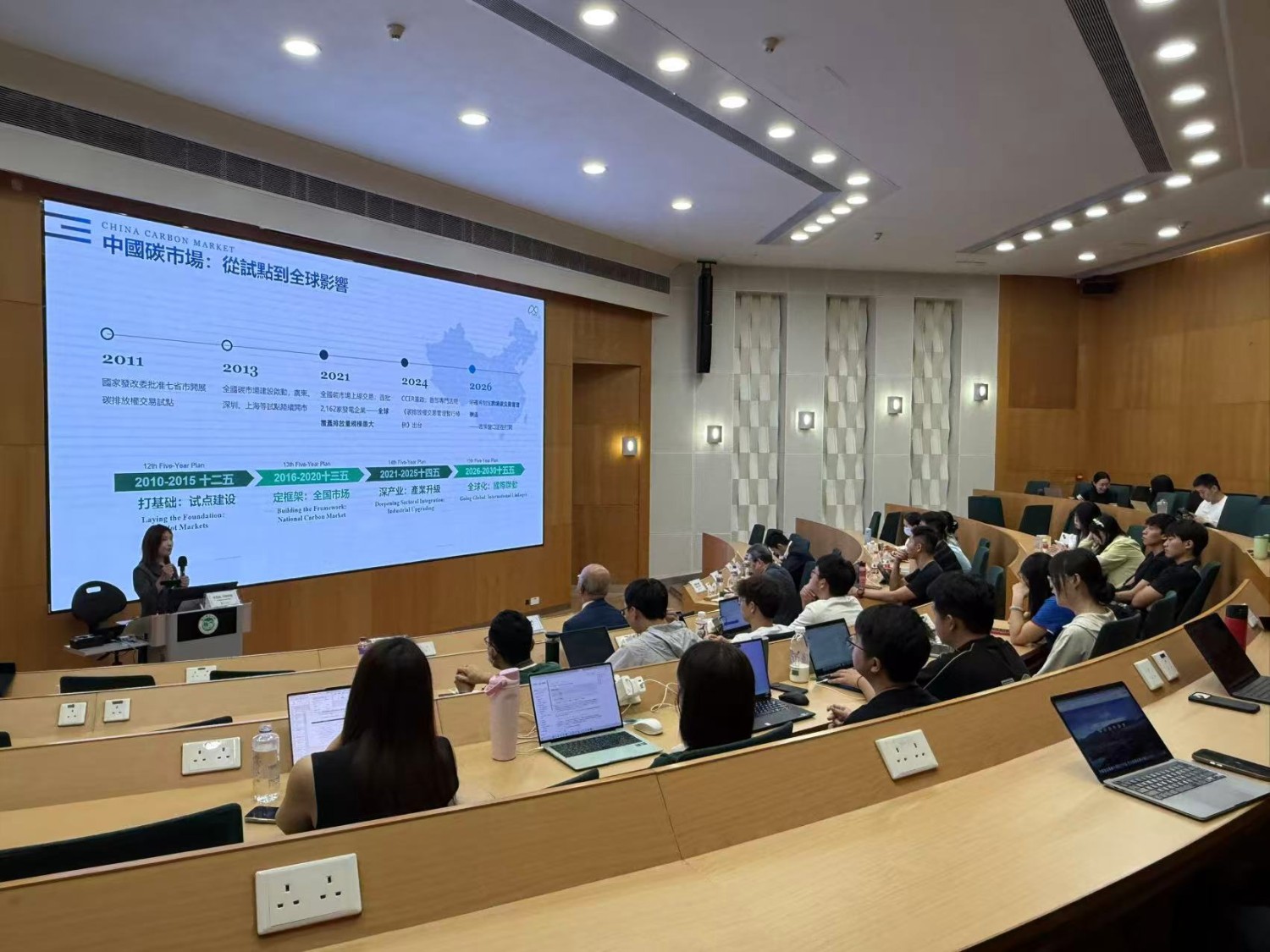
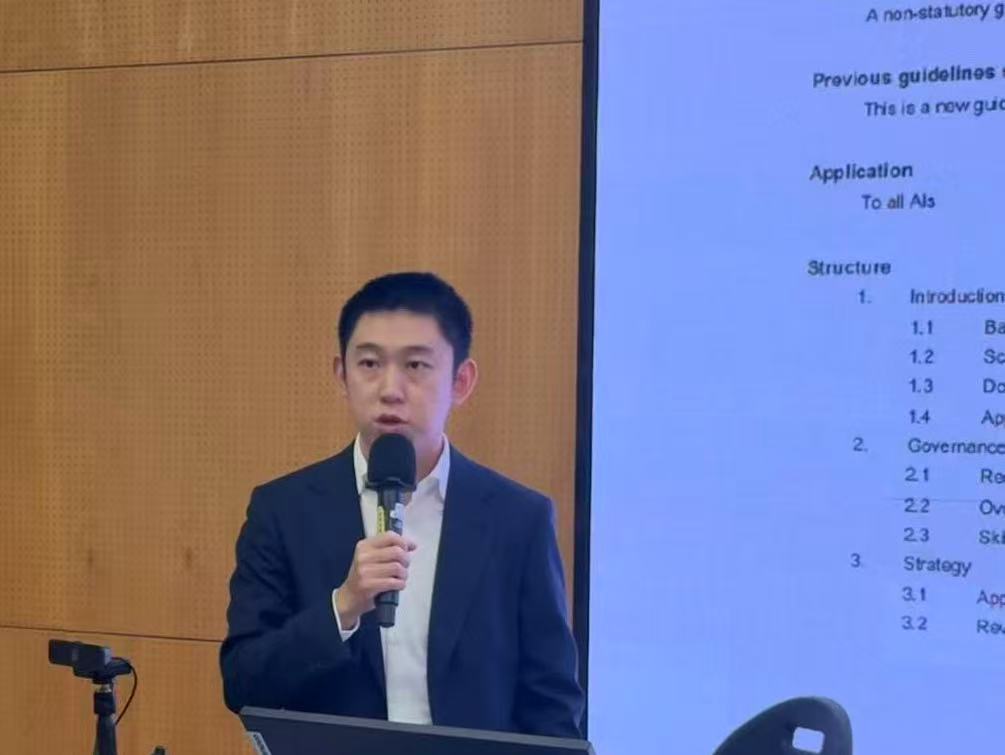
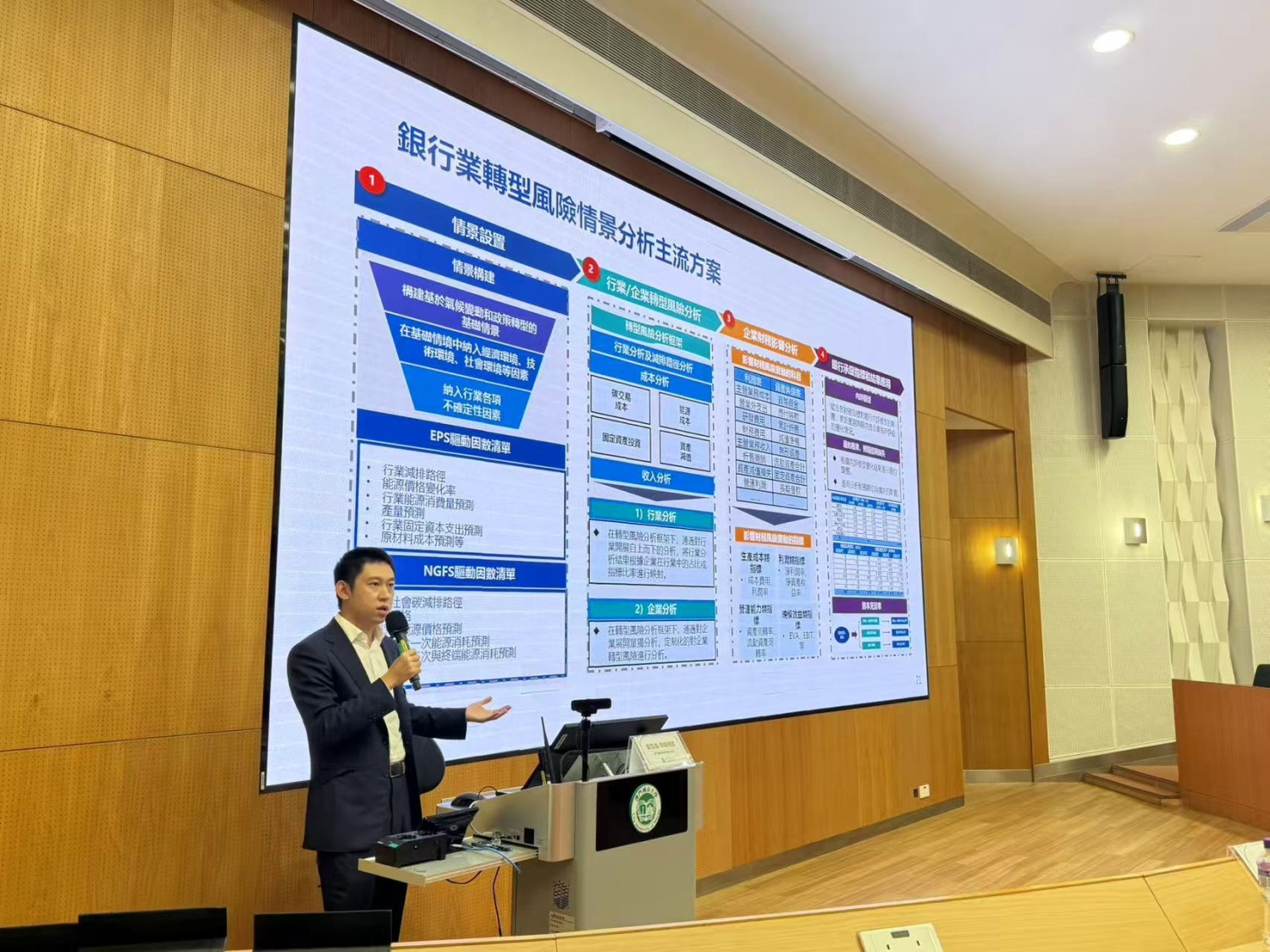
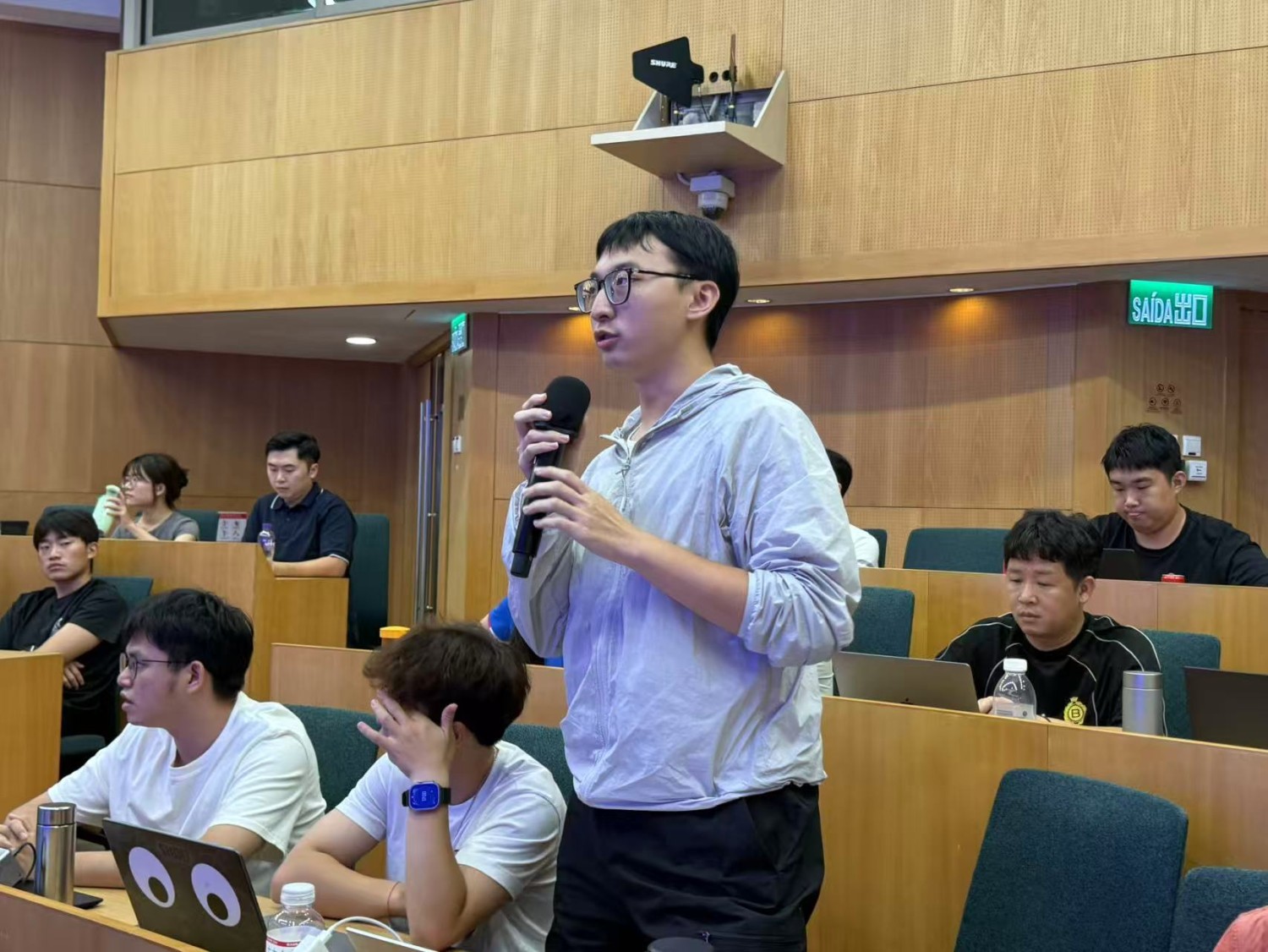
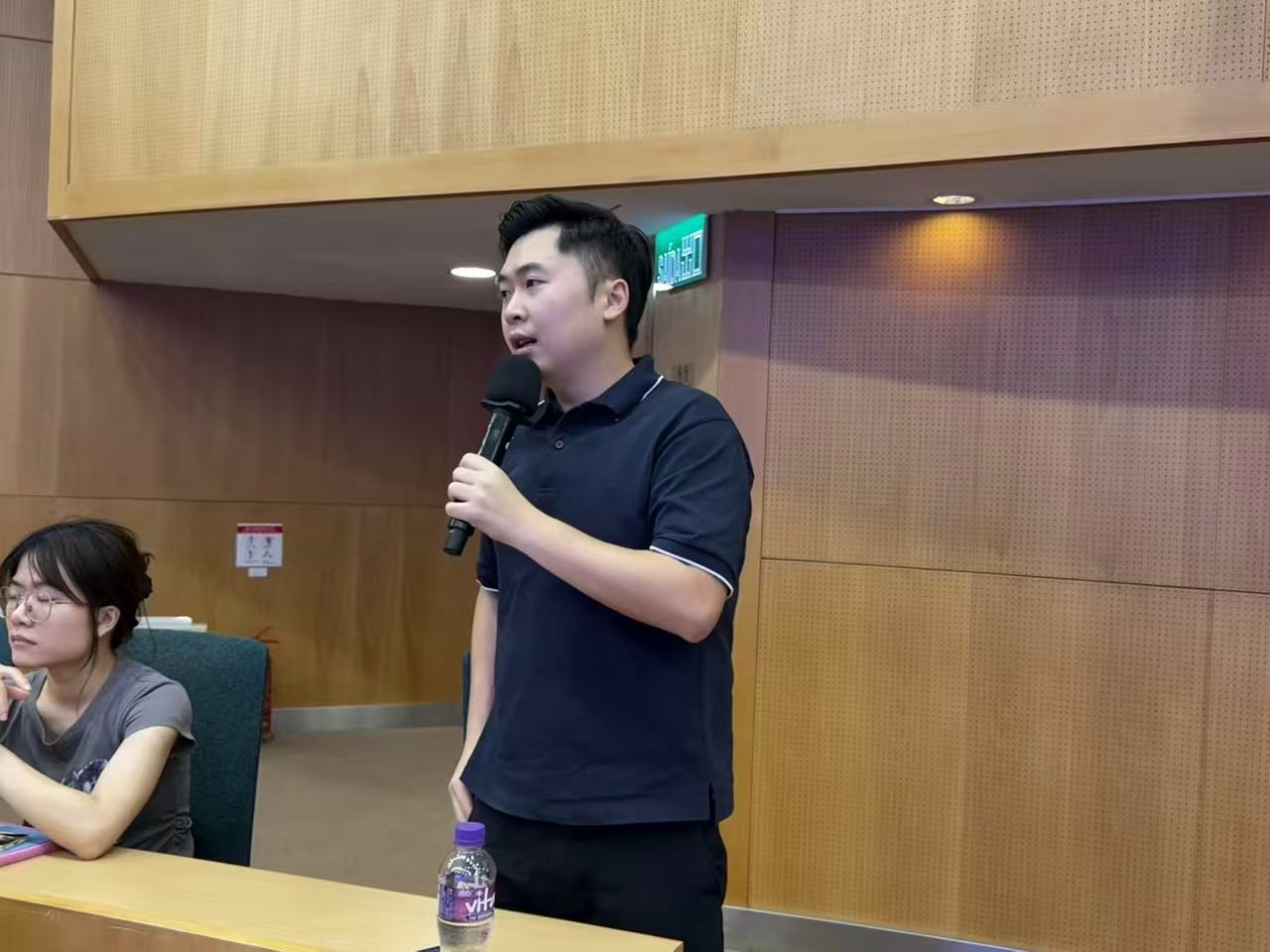
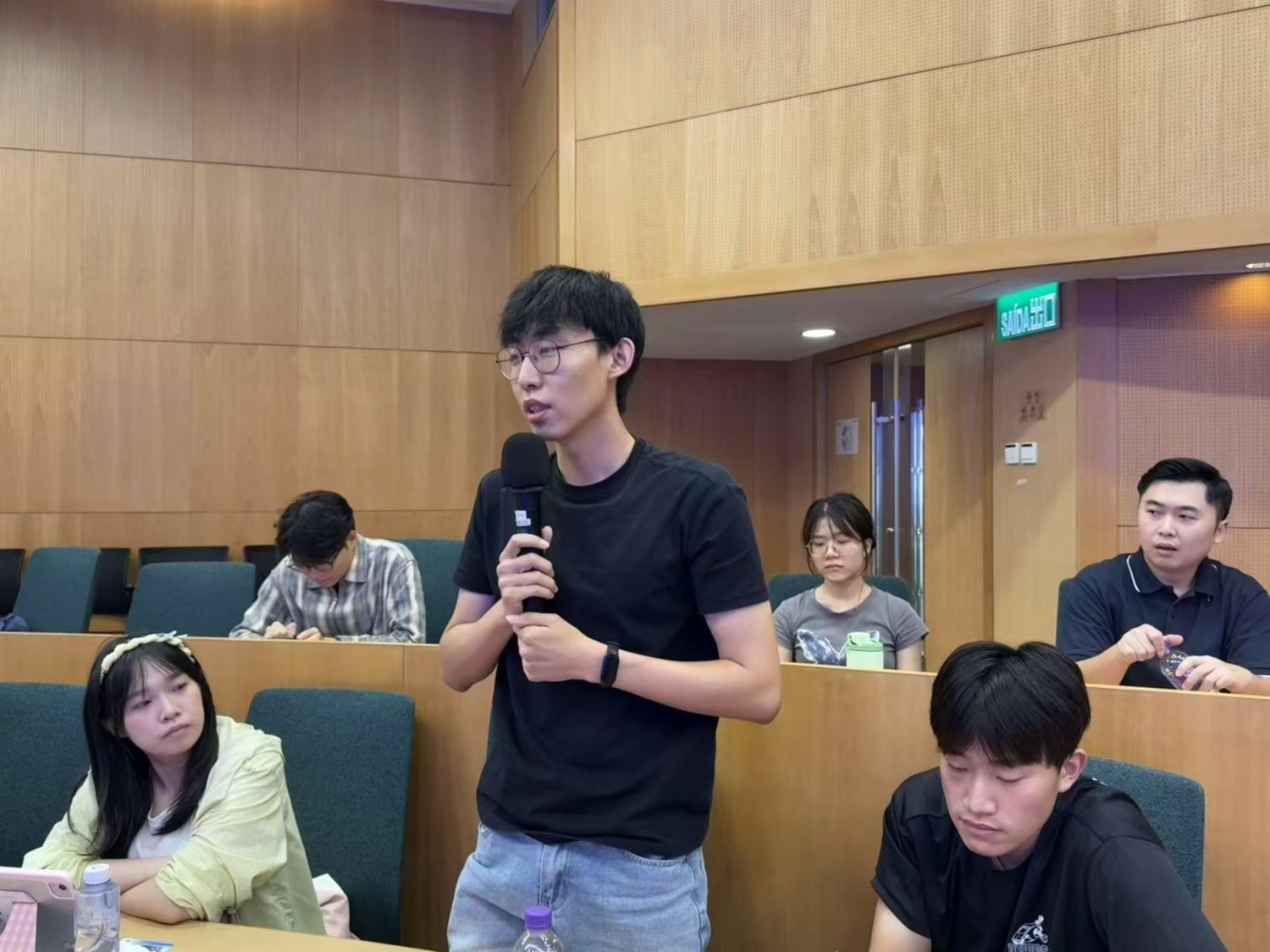
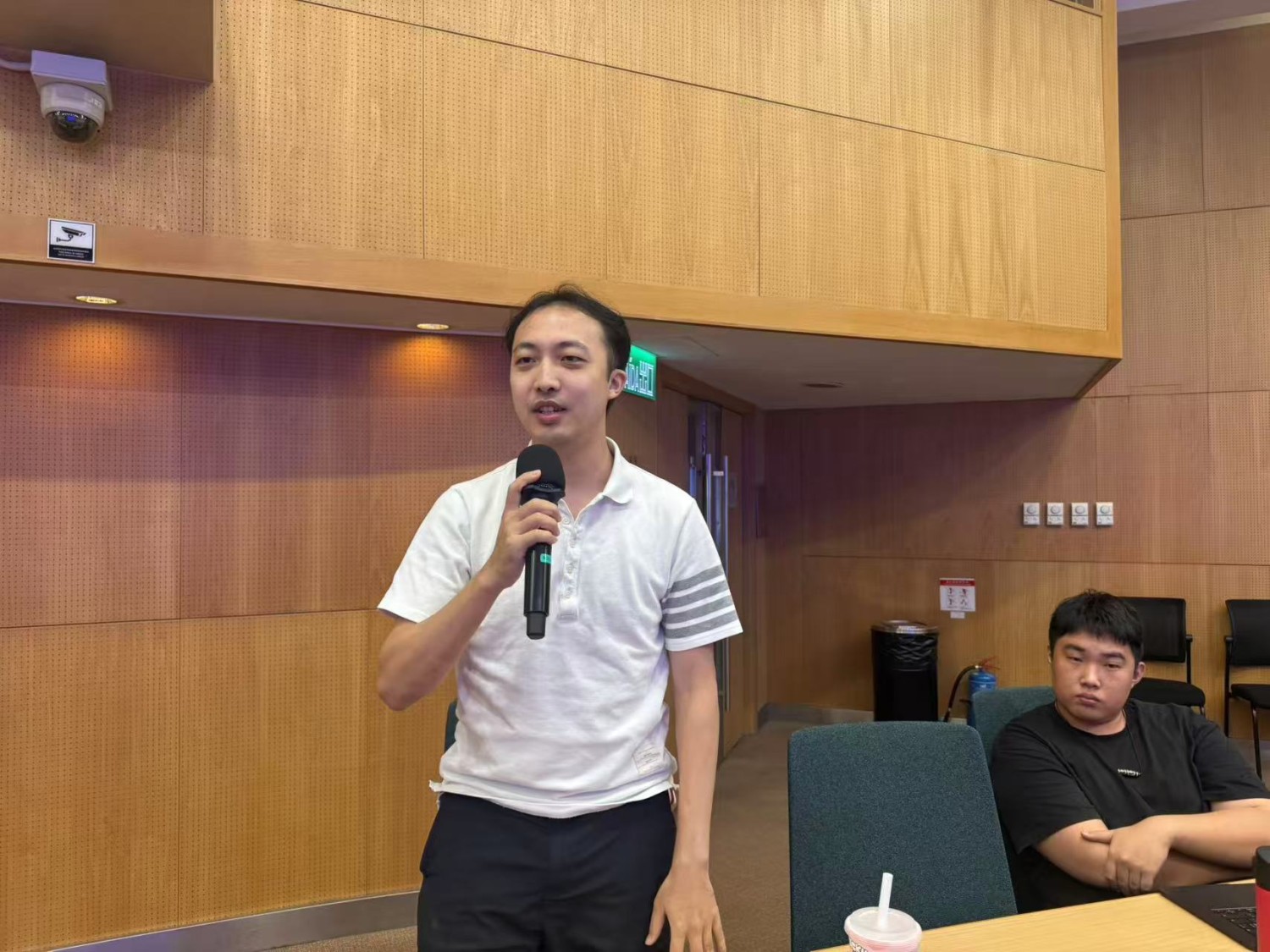
Subsequently, Ms. June Lei, Director of Marketing, and Mr. Jiaxuan Xu, Director of Green Finance, delivered professional finance seminars to the faculty and students of Faculty of Finance of City University of Macau.
Ms. Lei delivered a presentation titled “Opportunities in the International Carbon Market for Advancing High-Quality Carbon Credits”. She pointed out that high-quality carbon credits are both a compliance necessity and a strategic green asset. She emphasised that the six core values of high-quality carbon credits are: responding to national strategy, aligning with international standards, serving as a supply chain passport, hedging carbon price fluctuations, enhancing ESG and brand value, and alleviating emission reduction pressure. As a bridge connecting China's carbon market with global opportunities, Macau is both a dual national strategic synergy leveraging the combined policy dividends from the GBA and Hengqin, and a free port with zero foreign exchange controls and free currency convertibility. At the same time, as a natural connector to Lusophone countries, Macau can promote climate cooperation between China and Lusophone countries. In terms of policy guidance, she mentioned that Macau's Long-Term Decarbonisation Strategy focuses on the "3050" dual carbon vision, deepening its work in core areas such as energy and transport through six major strategies to build a systematic pathway for Macau's green and low-carbon development. The "Macao Special Administrative Region Economic Diversification Development Plan (2024-2028)" proposes building a new diversified economic structure led by four major industries, including modern finance and high technology. She stated that, against the backdrop of global market fragmentation, limited international rule interoperability and greenwashing risks, Macau can leverage its institutional, financial and platform capabilities to build an offshore hub for green finance and carbon assets, give play to the international connectivity role of the China-Lusophone platform, support Chinese enterprises' green expansion overseas, and promote the global dissemination of Chinese standards.
Mr. Xu delivered a presentation titled "Climate Risk Management Practices in the Financial Sector and Carbon Neutrality Roadmap," elaborating on three aspects: regulatory policy, risk analysis and the carbon neutrality roadmap. He explained that climate risk generally refers to the risks caused by climate change, which can be subdivided into two major categories: transition risk and physical risk. He further pointed out that climate risk is transmitted to the financial system through changes in the real economy, evolving into credit risk, market risk, liquidity risk and others, and that this transmission mechanism has become a common consensus among global financial regulators. He emphasised that the importance of managing climate risk encompasses eight aspects: attention from the board of directors and senior management, strategic goal planning requirements, higher risk management requirements and investment returns, business development needs, frequent extreme climate events, intensifying social pressure, increasing regulatory requirements, and higher information disclosure standards. Regarding the carbon neutrality roadmap, he introduced the five steps of the carbon neutrality methodology for financial institutions: first, carbon emission accounting for financial institutions; second, the risks and challenges brought by climate factors; third, setting carbon neutrality targets; fourth, integrating climate-related factors into institutions, risk management and operations; and fifth, continuous monitoring, disclosure and feedback, and dynamically adjusting relevant actions. In addition, he also mentioned international mainstream frameworks such as the UK's TPT Disclosure Framework, the GFANZ Net-Zero Transition Plan Framework and the SBTi Financial Institutions Net-Zero Standard, as well as practical cases from DBS, HSBC, Standard Chartered and Bank of Huzhou.
The seminar were characterised by cutting-edge content, clear logic and solid case studies, combining high theoretical standards with practical value. Students attending the event stated that the two guests' sharing built a bridge between theory and practice, helping them systematically clarify global carbon market development trends, the logic of climate risk management in the financial sector, and pathways for implementing carbon neutrality, effectively broadening their academic horizons and industry understanding.
Looking ahead, City University of Macau will continue to deepen its all-round cooperation with MEX, regularly carrying out activities such as frontier lectures, academic exchanges, practical teaching and industry-research projects. It will promote industry-academia integration and the convergence of science, education and industry, closely follow the development trends of green finance and the dual carbon industry, and continuously optimise its talent cultivation model, so as to cultivate more high-calibre, practice-oriented and internationalised professionals for Macau's moderate economic diversification and the upgrading of the Greater Bay Area's green finance industry.