


A Double Breakthrough in World-Class Disciplines: Finance Enters Global Top 100 for the First Time; Economics Enters the Top 200
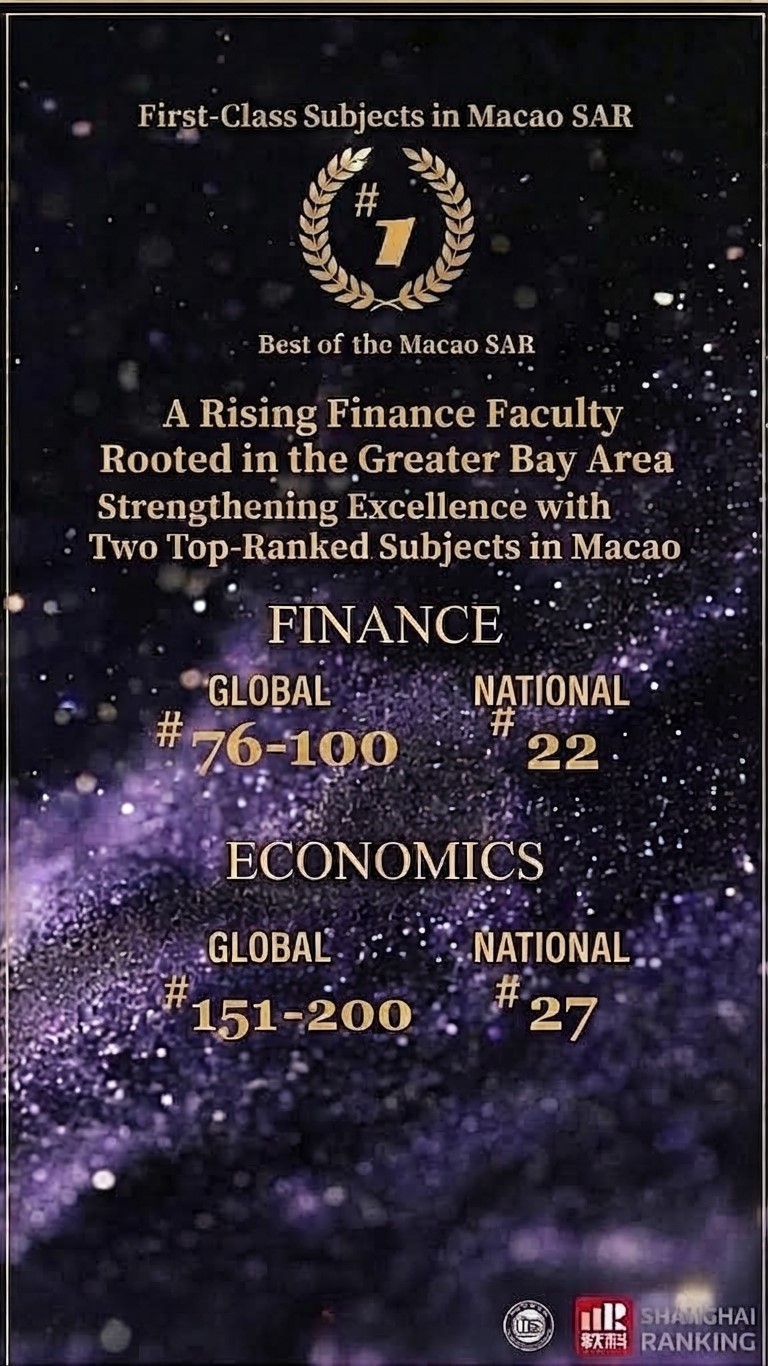
Recently, ShanghaiRanking, an authoritative international higher education evaluation institution, officially released the 2026 "Global Ranking of Academic Subjects (GRAS)". The Faculty of Finance at the City University of Macau has reached a major milestone in discipline development: upon its first inclusion in the ranking, our Finance subject has secured a place in the Global Top 100, while our Economics subject has risen substantially and steadily from 315 last year to 193, thus being placed in the Global Top 200. Both disciplines have achieved historic results, marking yet another international recognition of the Faculty's overall academic strength by an authoritative institution.
The ShanghaiRanking Global Ranking of Academic Subjects covers multiple core indicators, including faculty quality, research output, academic influence, and international collaboration, and is one of the most representative discipline evaluation systems internationally. The Faculty of Finance at City University of Macau's simultaneous breakthrough in both Finance and Economics is the result of long-term dedicated efforts in faculty development and research planning, and further demonstrates the Faculty's trajectory over the past year from regional leadership toward the global forefront. This ranking affirms the Faculty's educational direction and research strategy, and reflects the sustained commitment of faculty and students to academic research and teaching in recent years, opening broader pathways for the next stage of discipline development.
International Reputation Steadily Rising
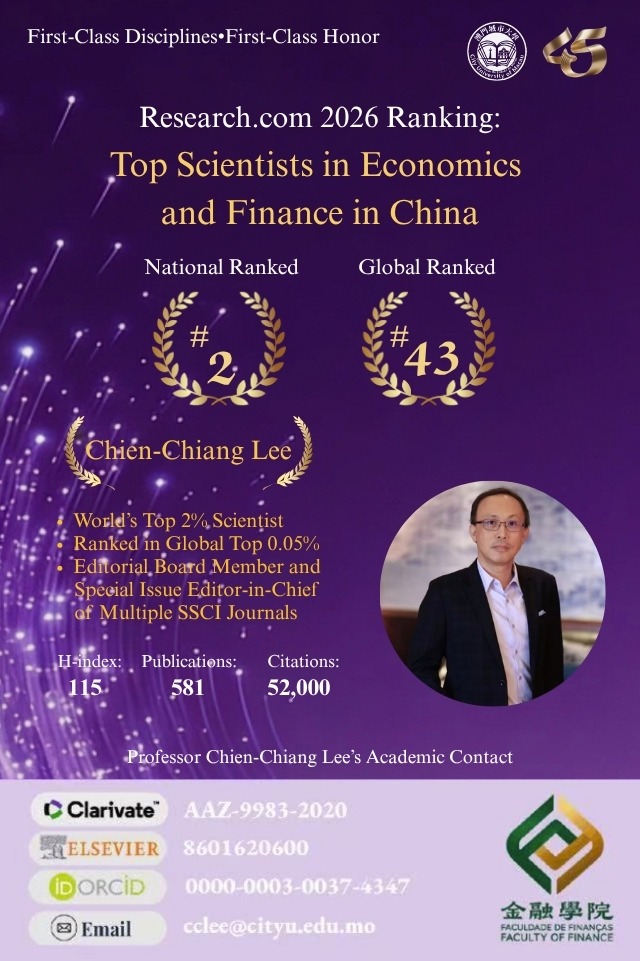
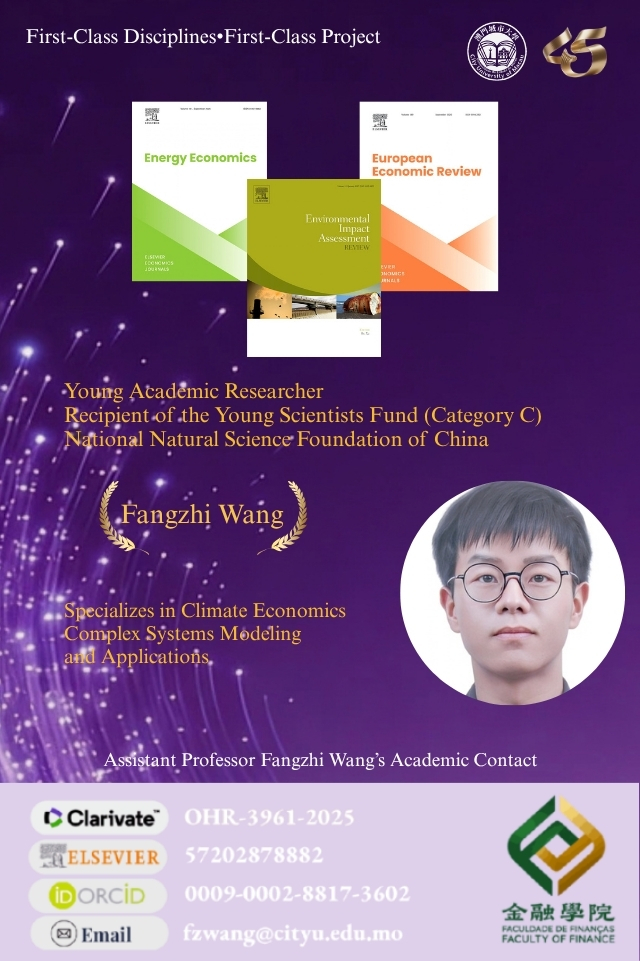
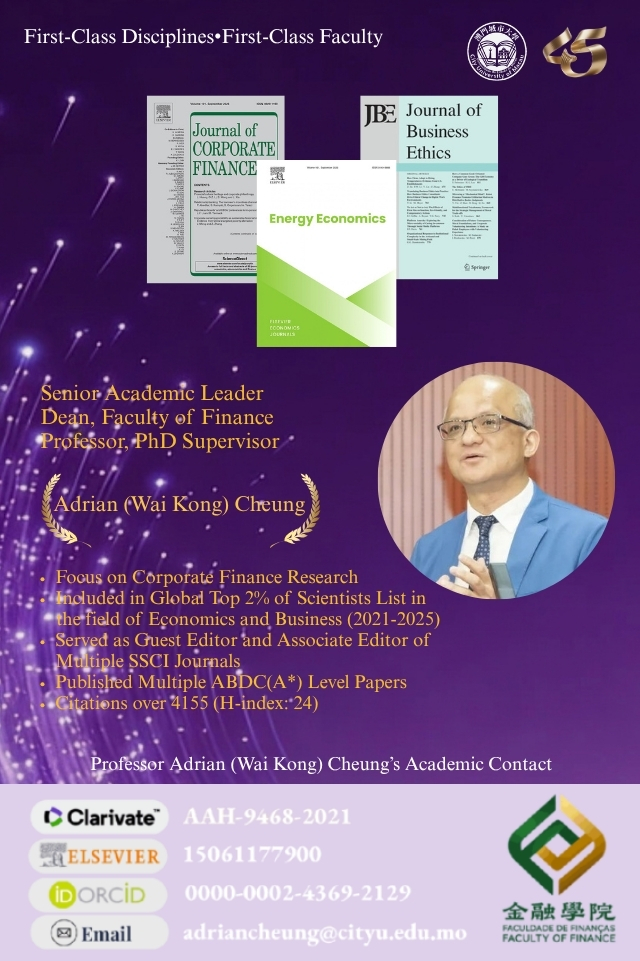
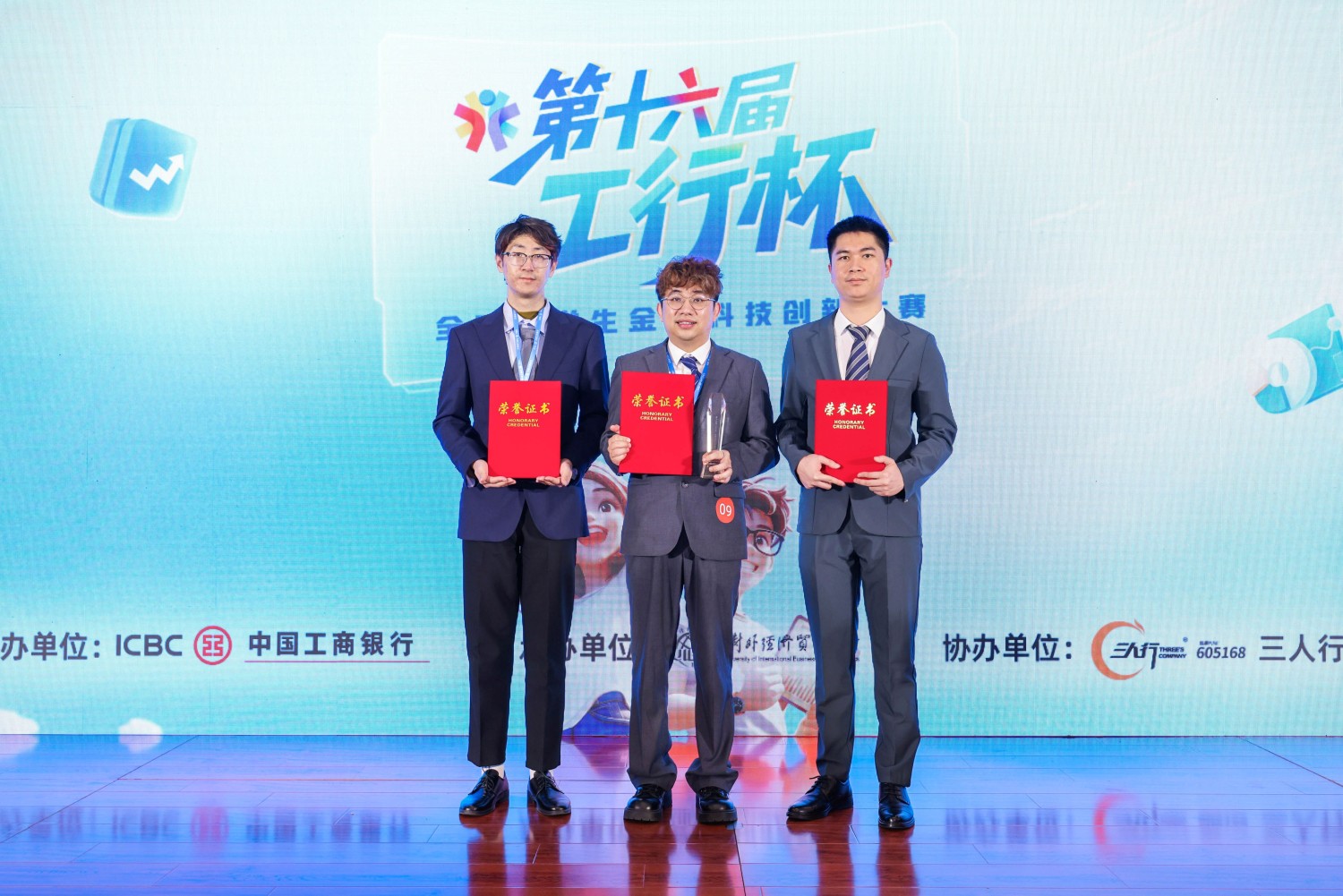
Faculty members have repeatedly achieved outstanding results in research and impact. In addition to being led by scholars in the global top 0.05% and top 2% of scientists worldwide, faculty members have successively received the Ministry of Education Award for Outstanding Achievements in Scientific Research, been selected for CNKI's 2025 National Highly Cited Scholars List ranking in the top 1% nationally, and received funding from the 2026 National Natural Science Foundation of China Young Scientists Fund (Category C).
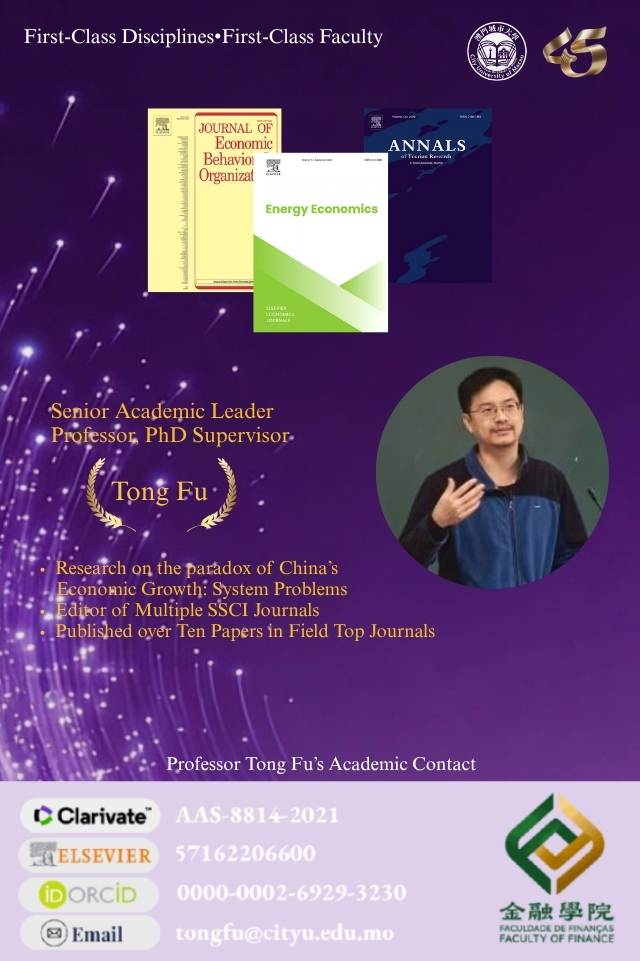
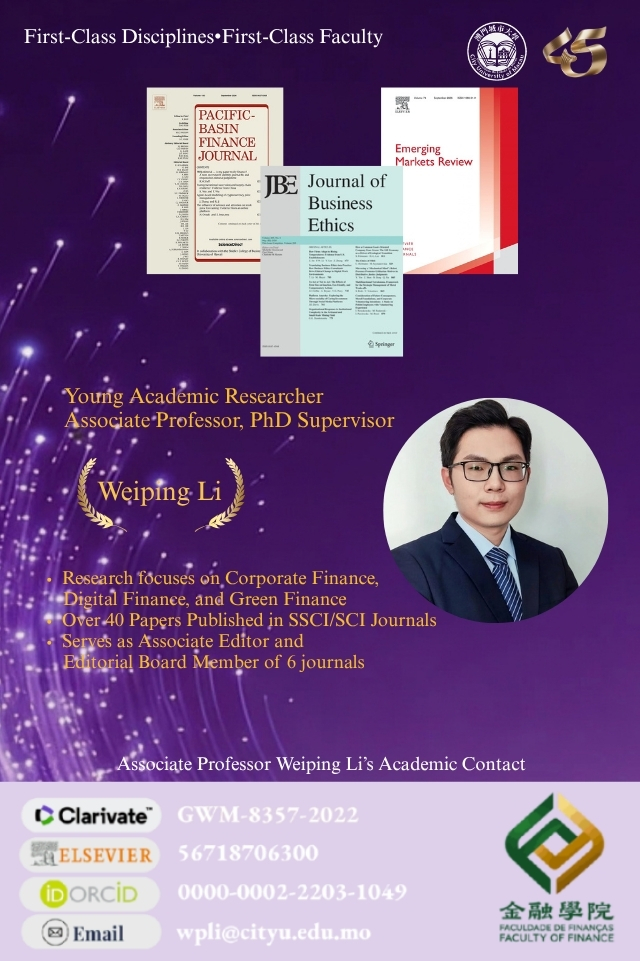
In recent years, the Faculty has achieved fruitful results in international academic publication, with numerous research findings published in renowned journals such as the Journal of Corporate Finance, Journal of Banking and Finance, Journal of Business Ethics, European Economic Review, Journal of Economic Behavior and Organization, British Accounting Review, Journal of Comparative Economics, Energy Economics among many other leading journals.
Meanwhile, faculty members serve as editors-in-chief, associate editors, subject editors, and editorial board members of international academic journals. These include:
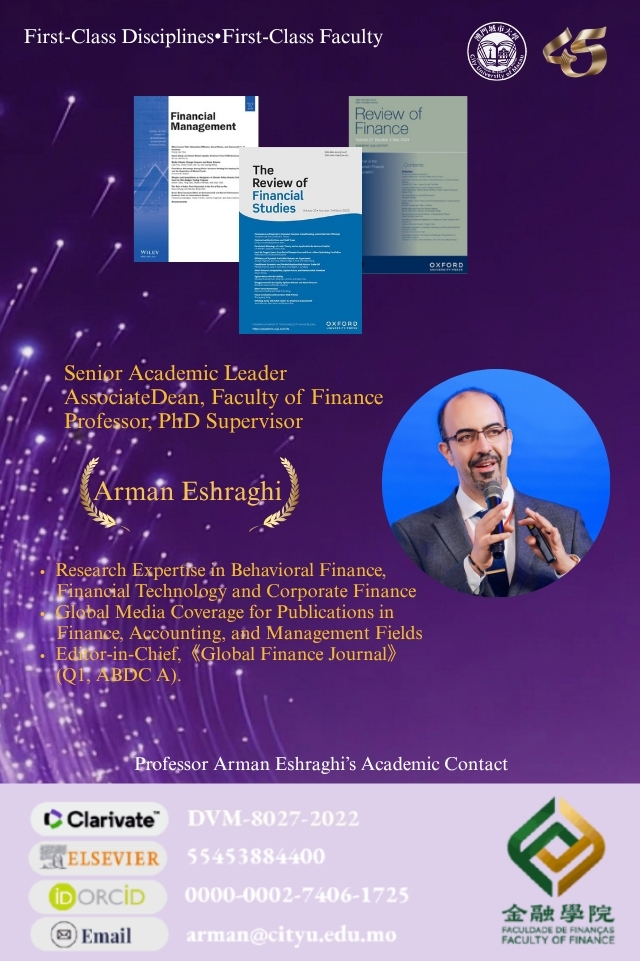
Editor-in-Chief, Global Finance Journal
Regional Editor, Managerial and Decision Economics
Associate Editor, British Accounting Review
Associate Editor, Journal of International Financial Management & Accounting
Associate Editor, Energy Economics
Associate Editor, Applied Economics
Associate Editor, Economic Analysis and Policy
Associate Editor, International Review of Financial Analysis
Associate Editor, European Journal of Finance
Associate Editor, Finance Research Letters
Associate Editor, International Review of Economics and Finance
Associate Editor, Journal of Sustainable Finance and Accounting
These achievements fully demonstrate the Faculty's research strength and expanding academic influence in the fields of economics and finance.
Building on the Present, Planning for the Future
The Faculty of Finance emphasizes the combination of global vision and regional depth. Since its establishment, the Faculty has been guided by regional economic and social needs, committed to developing research characteristics in forward-looking fields such as modern finance, financial technology, green finance, digital economy, and energy economics, and actively exploring pathways that integrate theory and practice. The Faculty currently offers four degree programs: Doctor of Philosophy (PhD) in Finance, Master of Science in Finance, Master of Science in Financial Technology, and Bachelor of Applied Economics, covering the two major domains of Finance and Economics and spanning a complete training chain from undergraduate to doctoral level. Beyond faculty research output, students' research capabilities have also continued to improve, with undergraduate, masters, and doctoral students publishing dozens of academic papers on average each year, many appearing in core journals. In the future, the Faculty will continue to improve the layout of the two major disciplines of Finance and Economics, and expand interdisciplinary and frontier discipline courses to match talent cultivation needs.
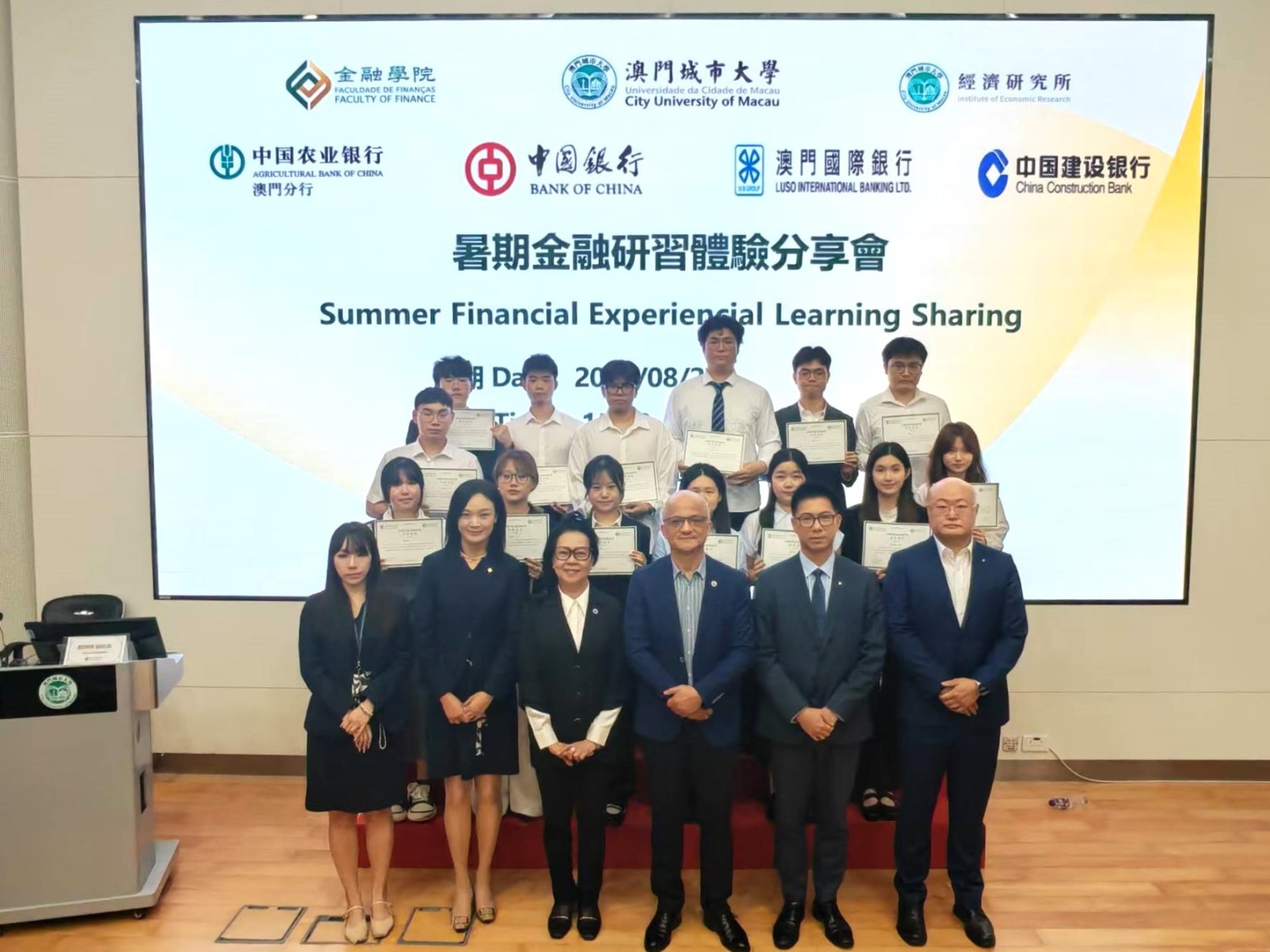
In terms of internationalized talent cultivation, the Faculty has established articulation programs with internationally renowned universities including the University of Technology Sydney, Curtin University, and Deakin University in Australia, as well as the University of Alberta in Canada. At the level of program accreditation, the Faculty has been admitted to the CFA Institute University Affiliation Program and obtained the Gold Status Accreditation from the Business Graduates Association (BGA). Graduates have performed excellently in further studies, with many 2026 graduates admitted to institutions ranked in the QS World University Rankings top 50, including Columbia University, New York University, University College London, the University of Manchester, the University of Melbourne, the University of Sydney, the University of Hong Kong, the Chinese University of Hong Kong, and Nanyang Technological University. In terms of industry-academia collaboration, the Faculty has established long-term cooperative relationships with multiple financial institutions, strengthening students' practical experience and workplace competitiveness through corporate visits, industry lectures, and workshops, driving the Faculty's role as an industry-academia think tank.
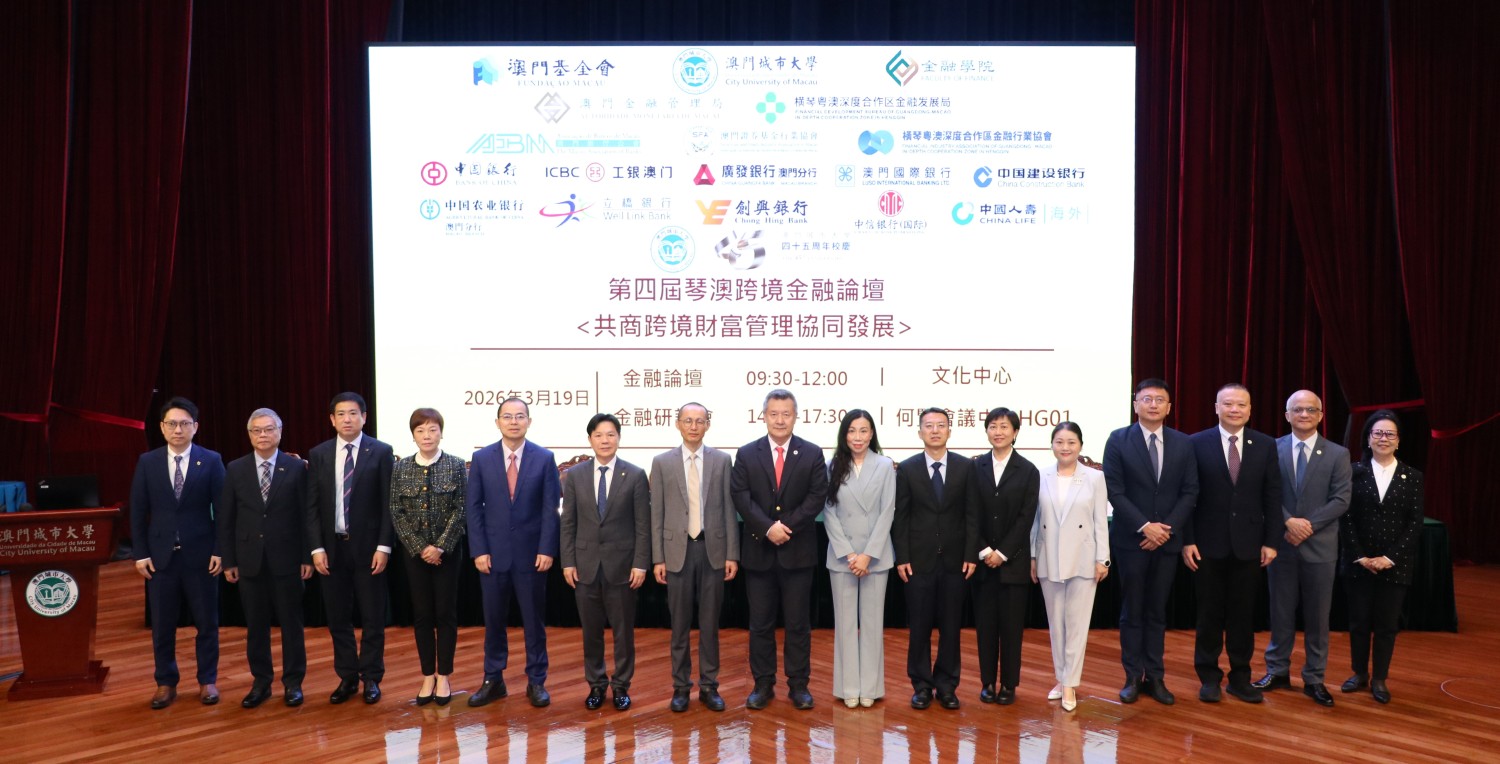
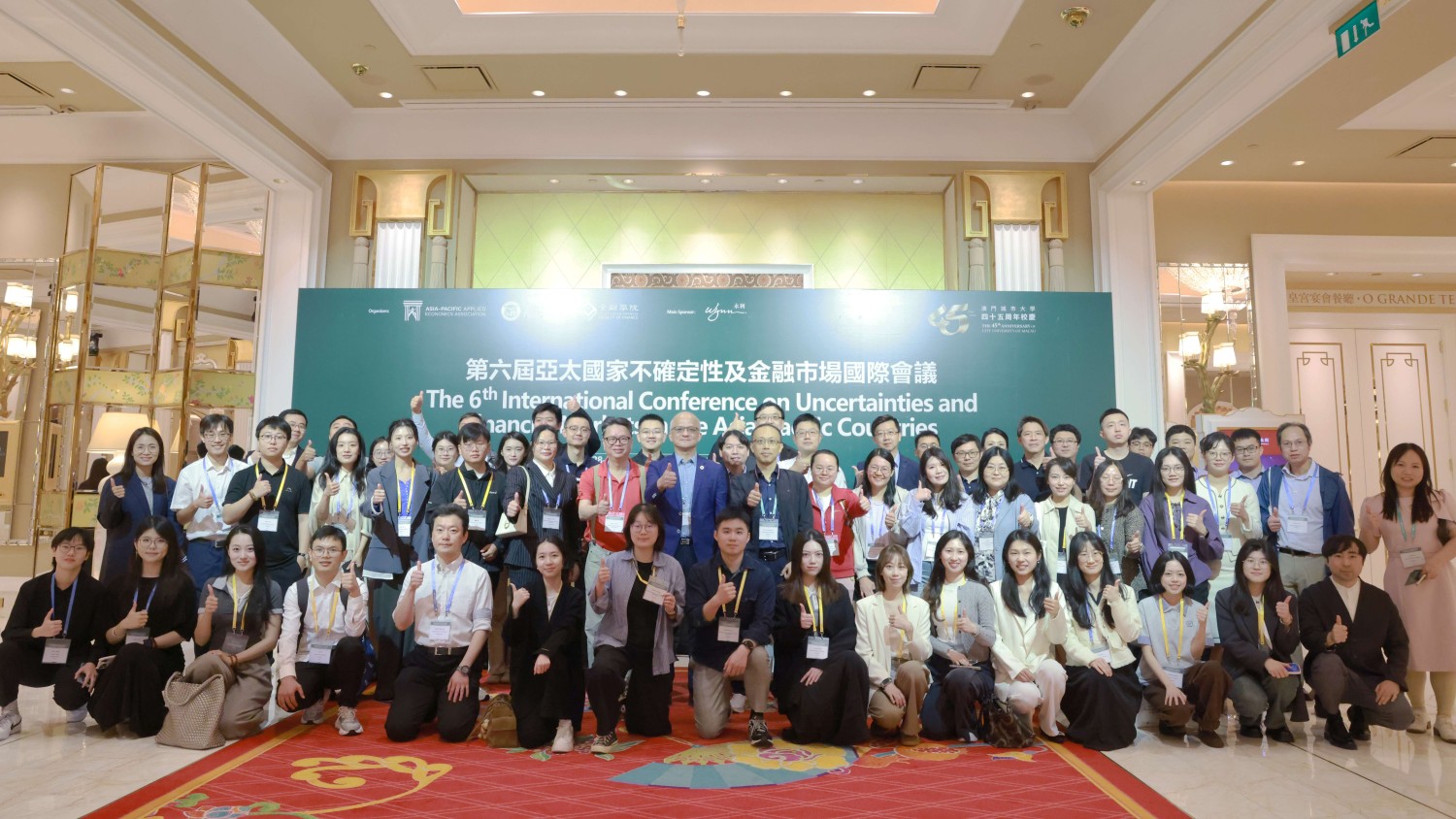
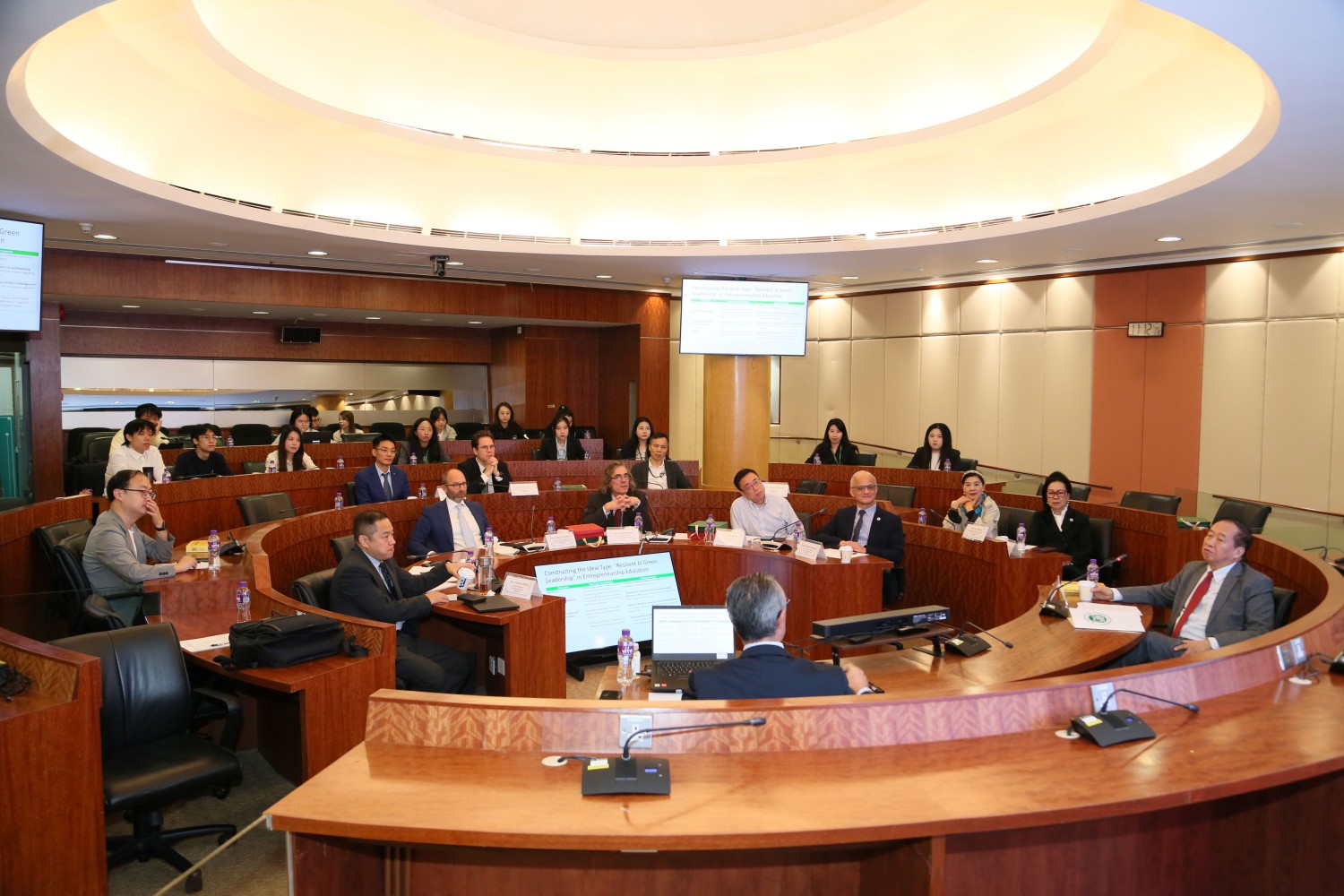
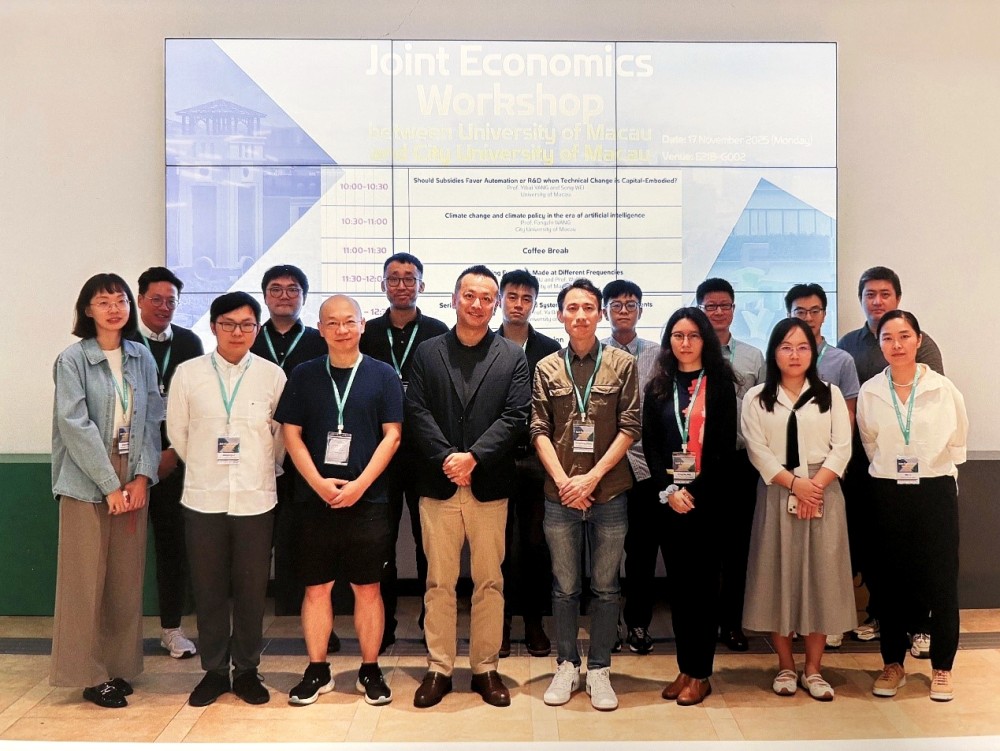
In terms of academic exchange, the Faculty actively builds diverse academic dialogue platforms, actively creating open and pluralistic academic dialogue platforms through salons, workshops, and thematic seminars. Looking ahead, the Faculty will continue to drive development through innovation, deepen cross-domain cooperation, optimize its academic layout, and strive to build an influential base for teaching and research in economics and finance, injecting more academic momentum into promoting regional and global sustainable development.