


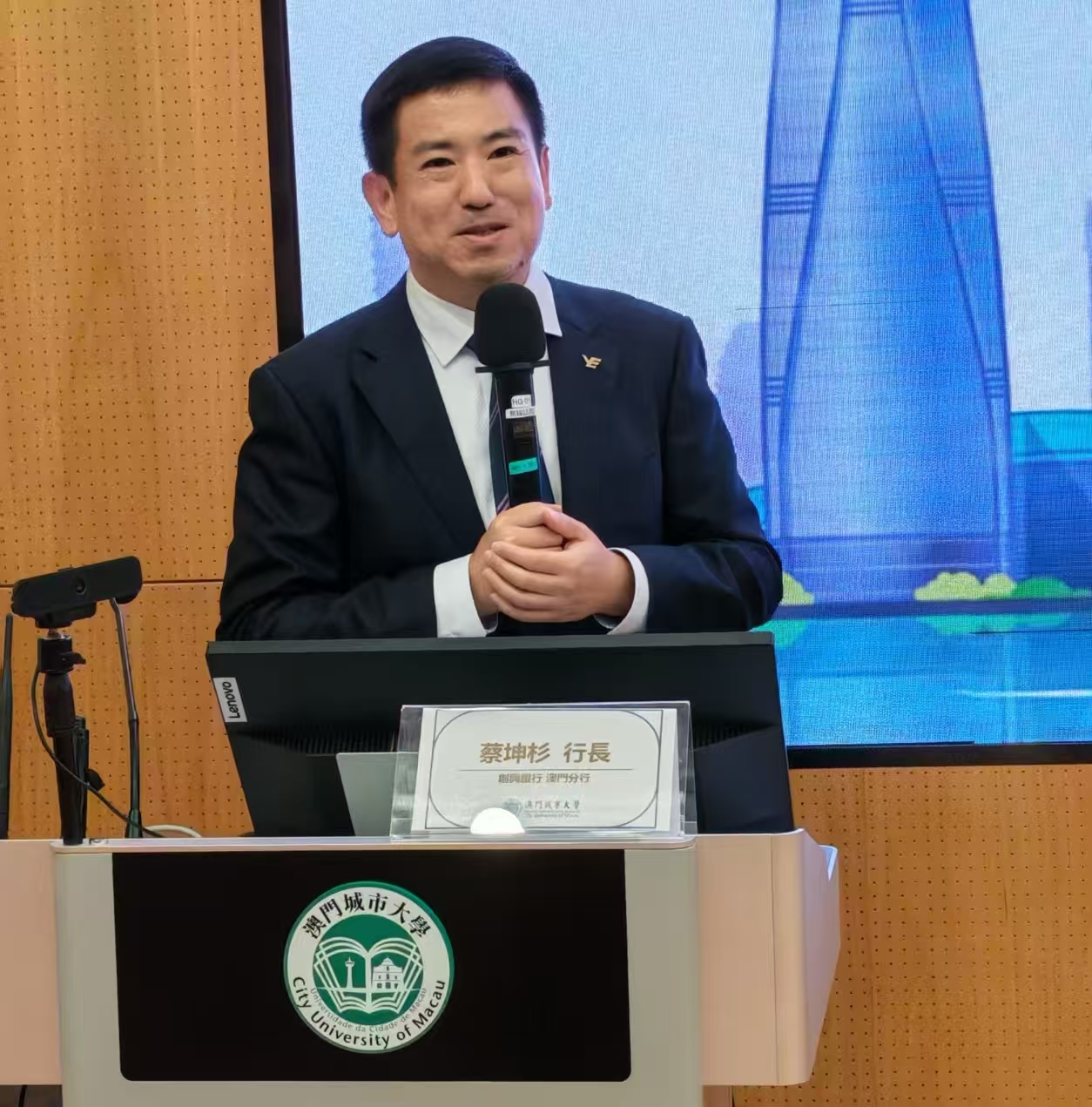
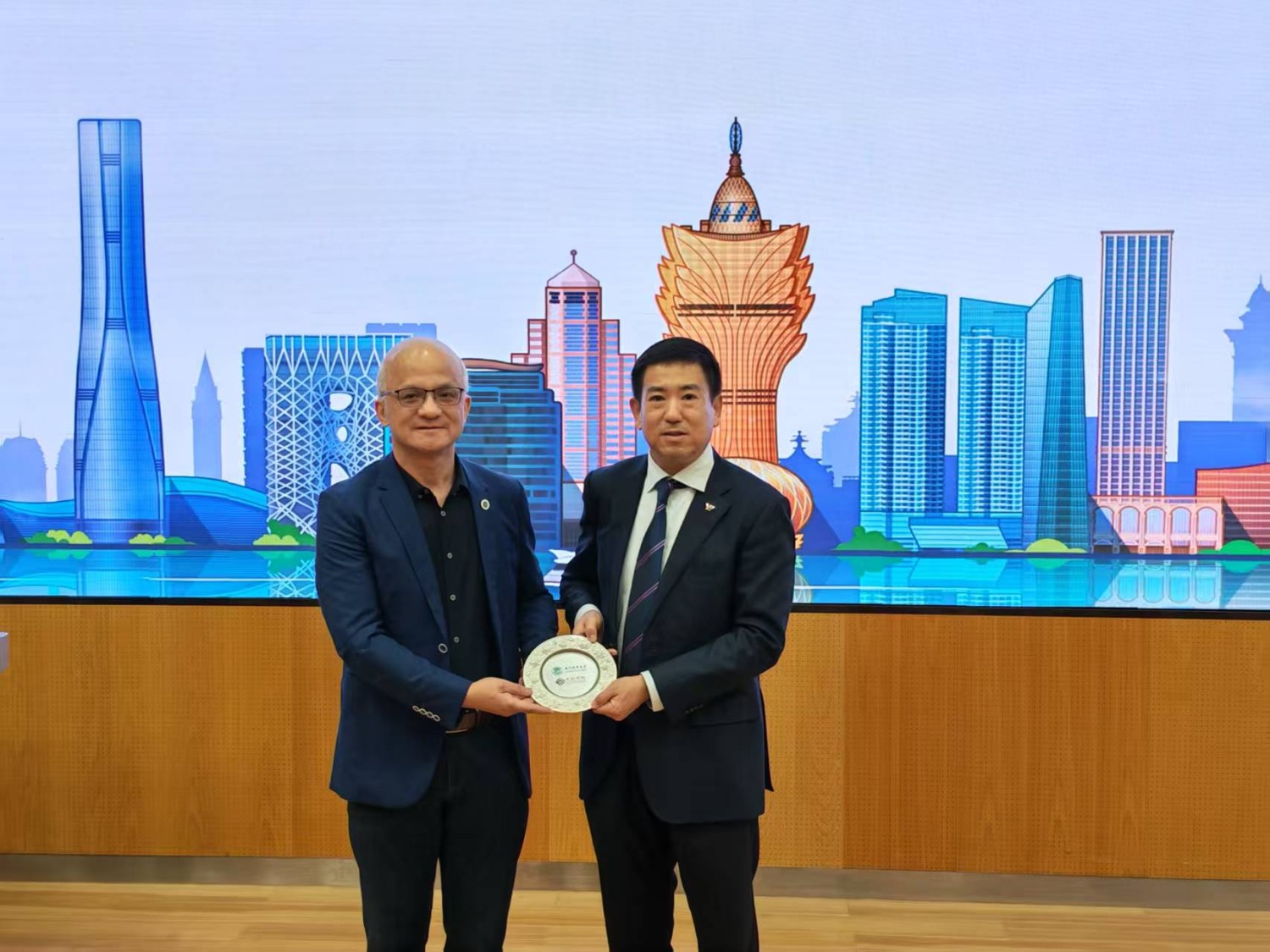
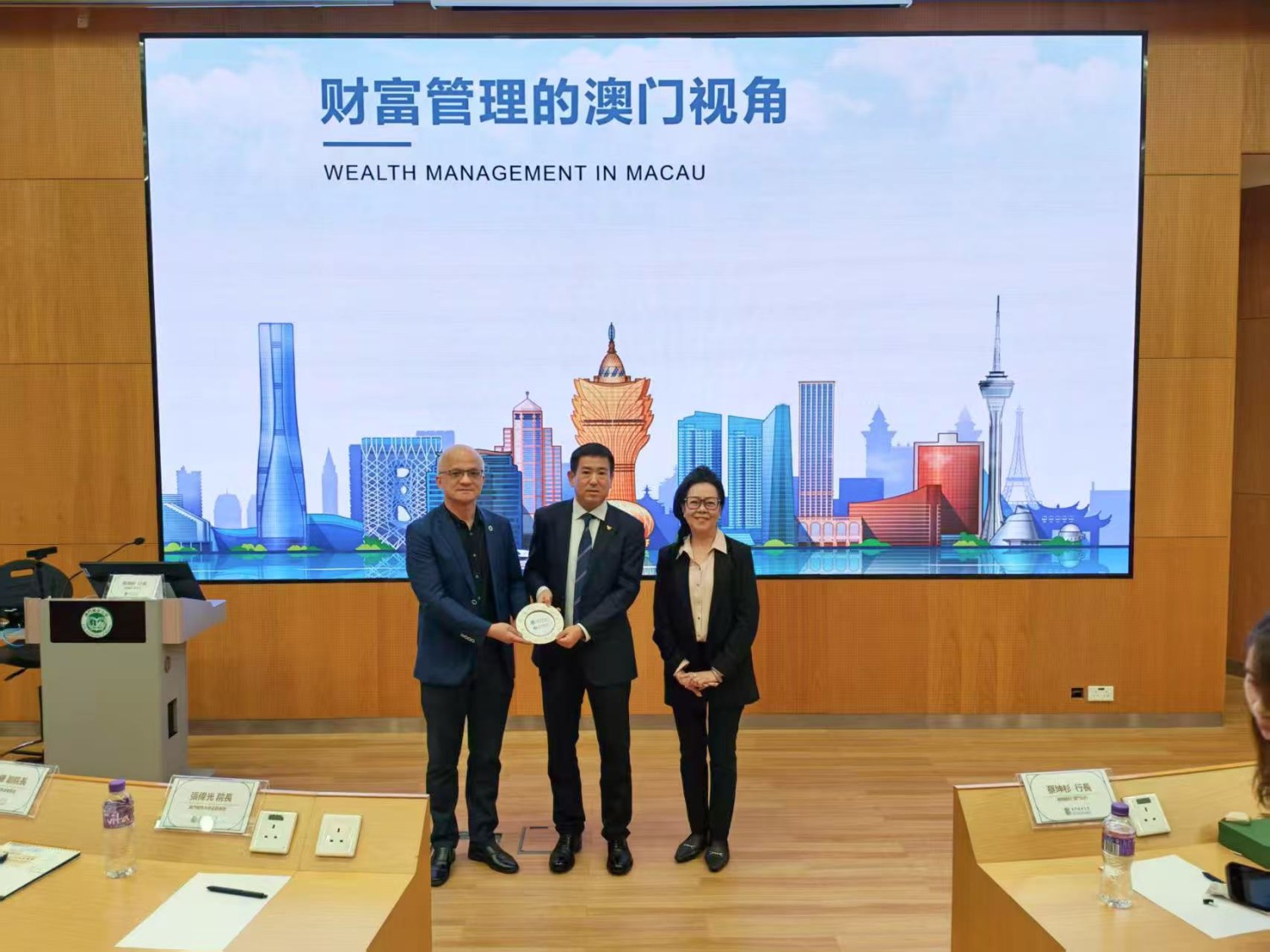
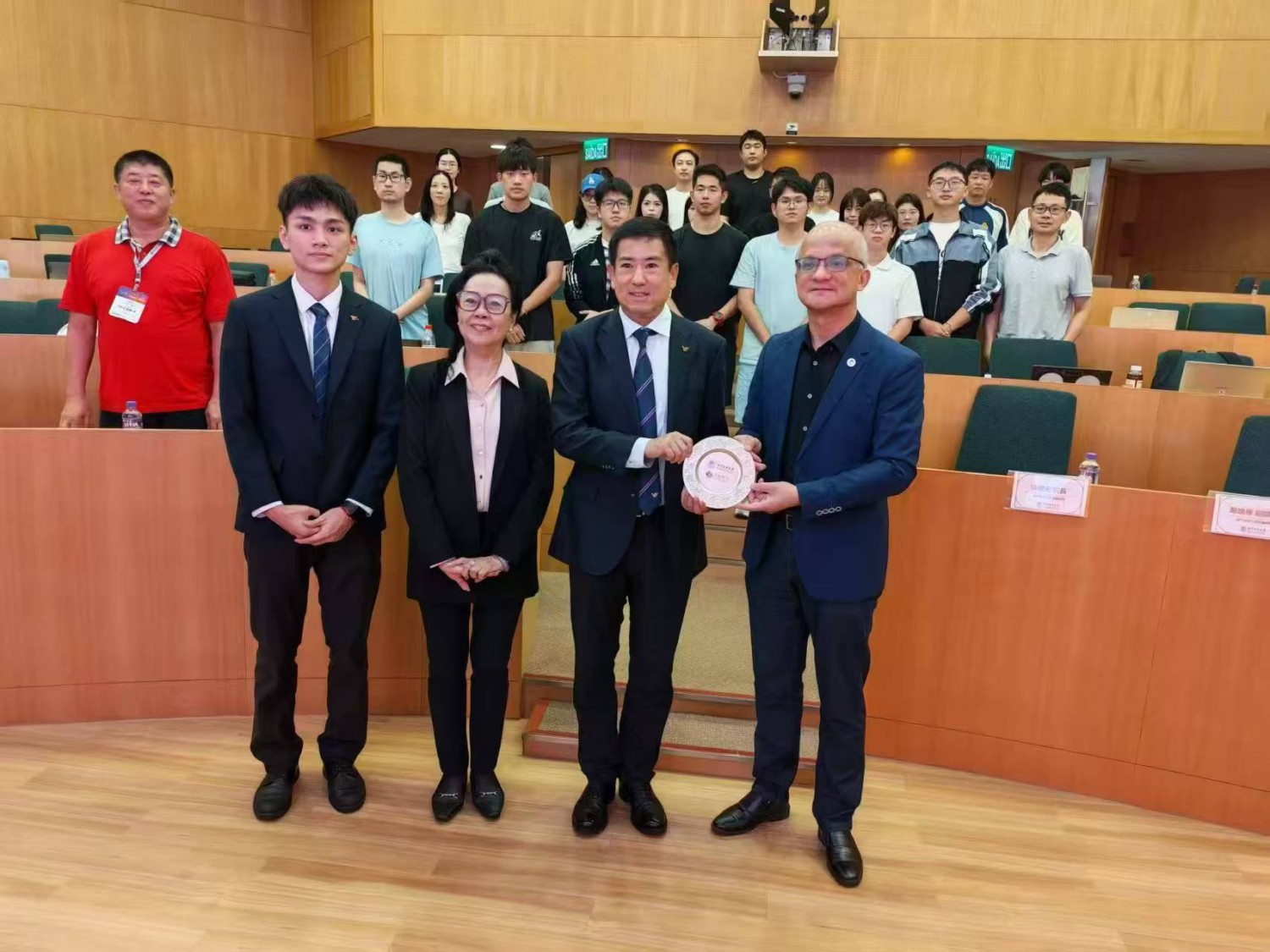
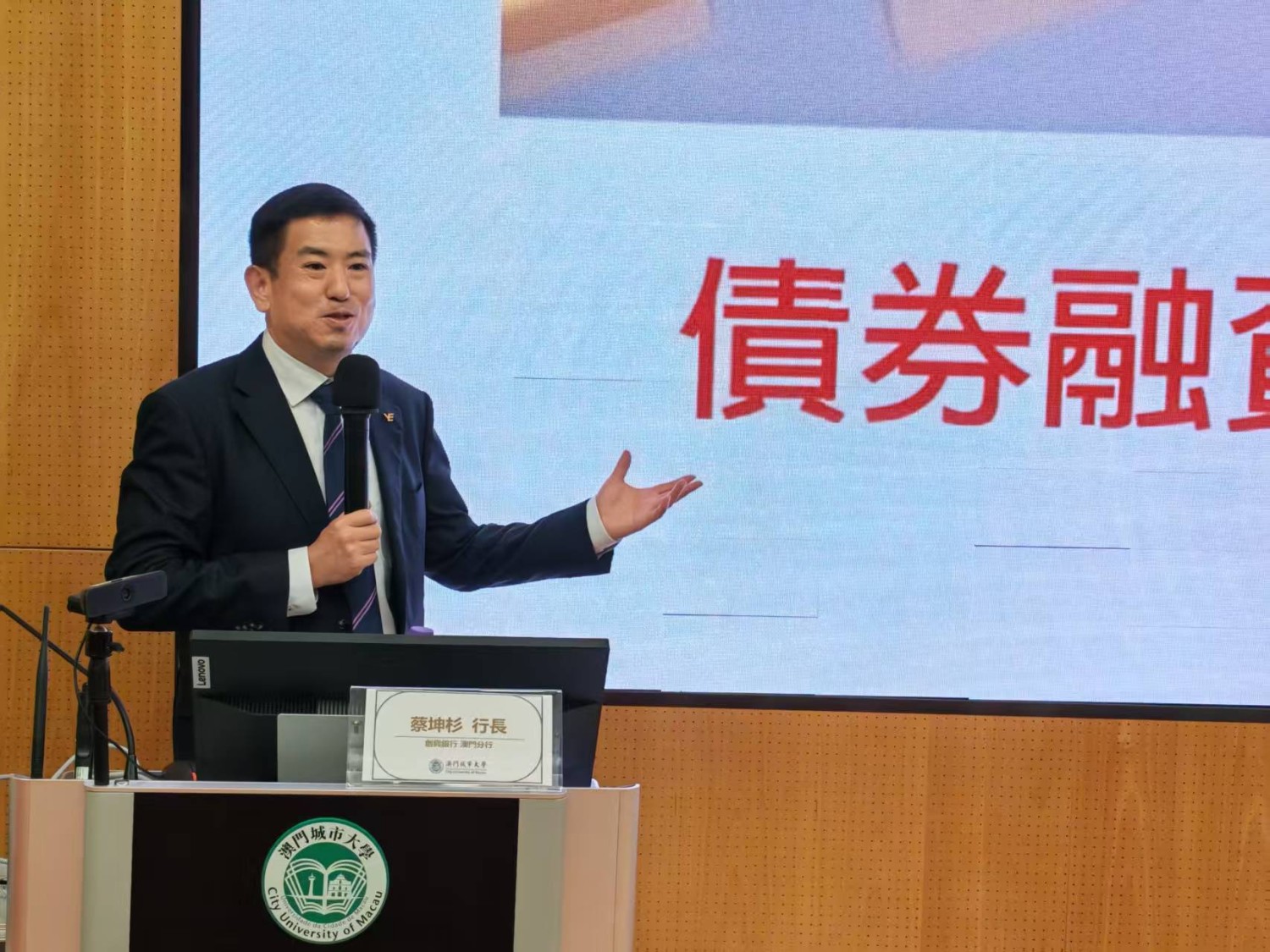
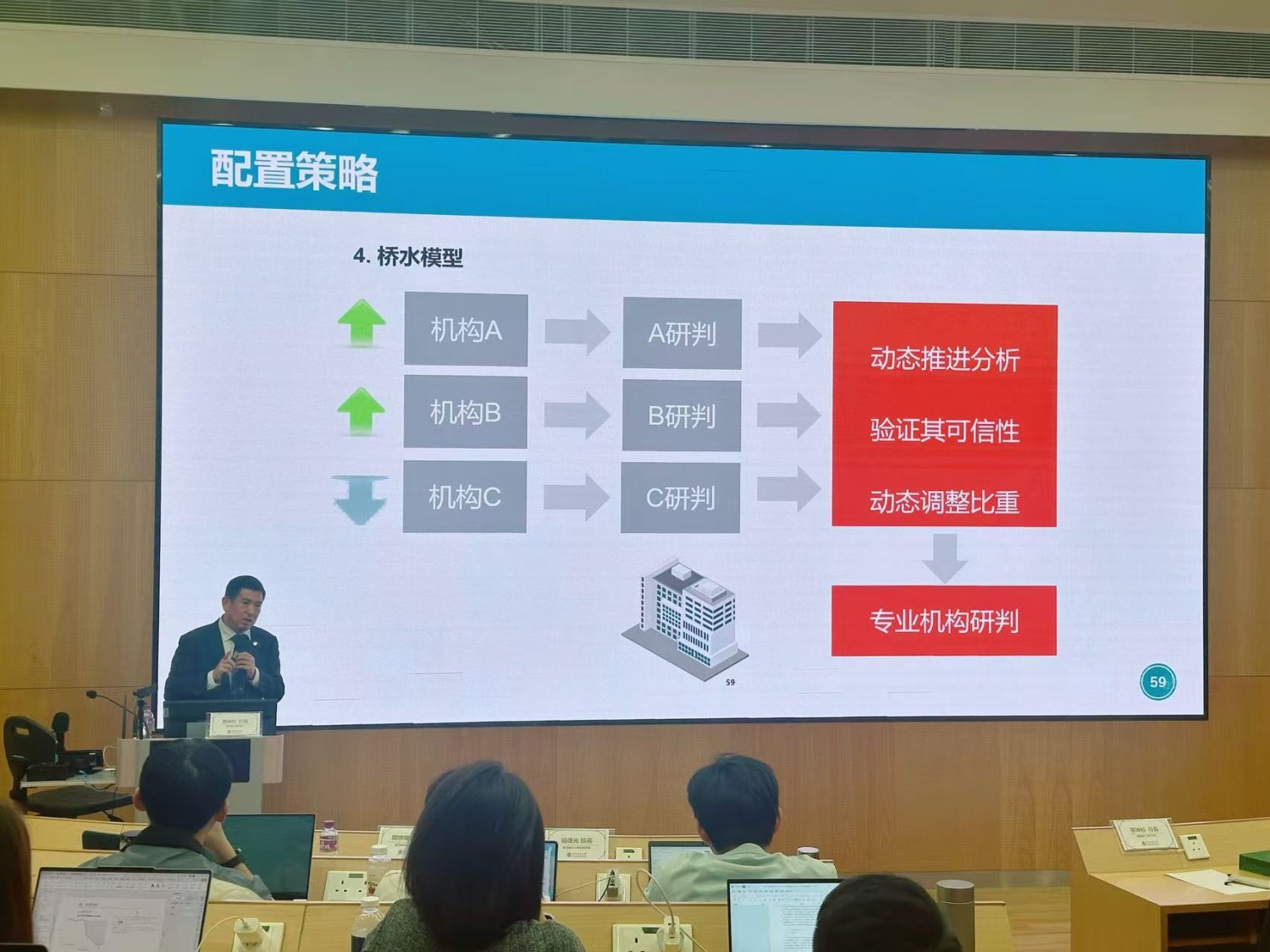
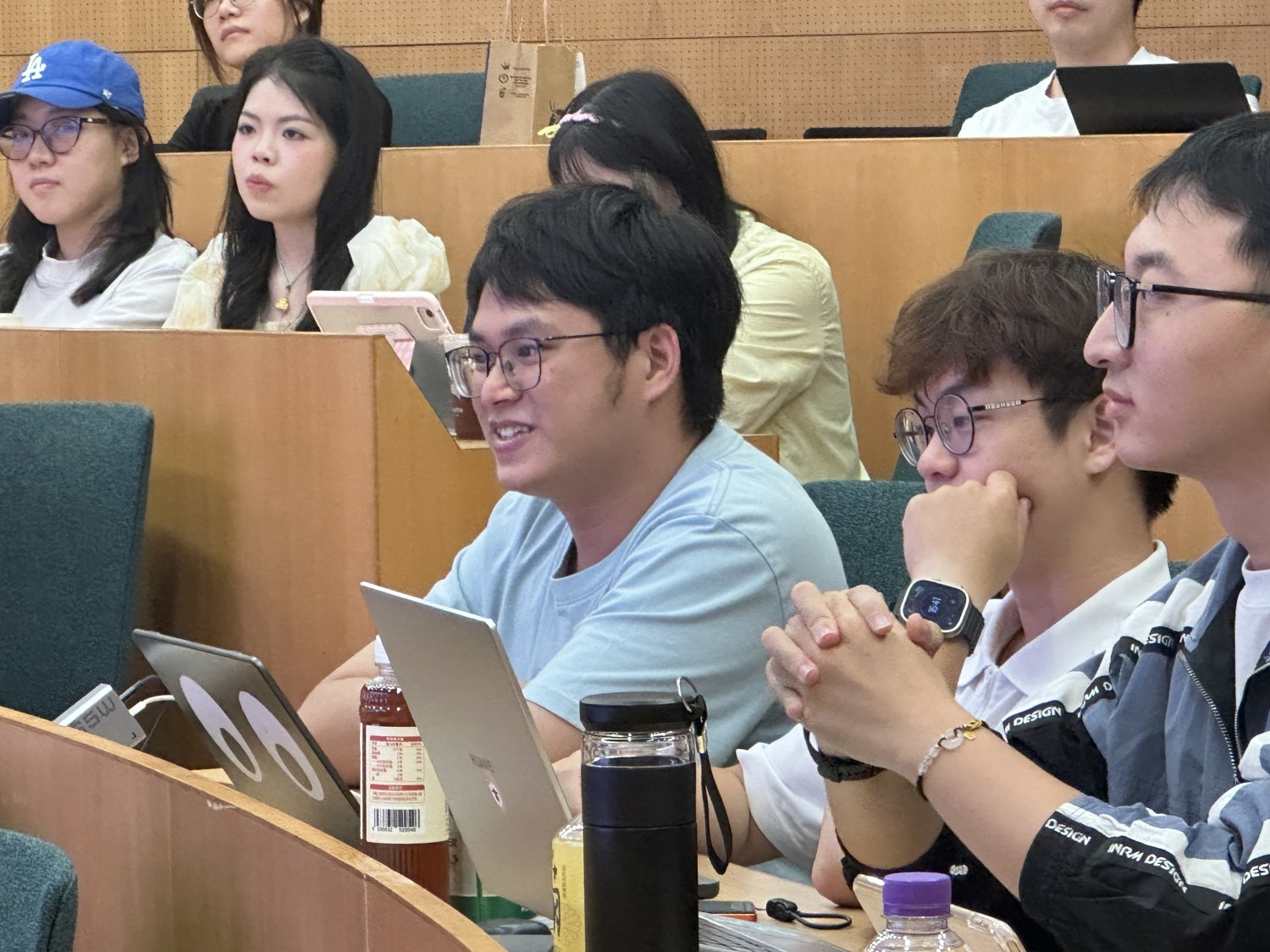
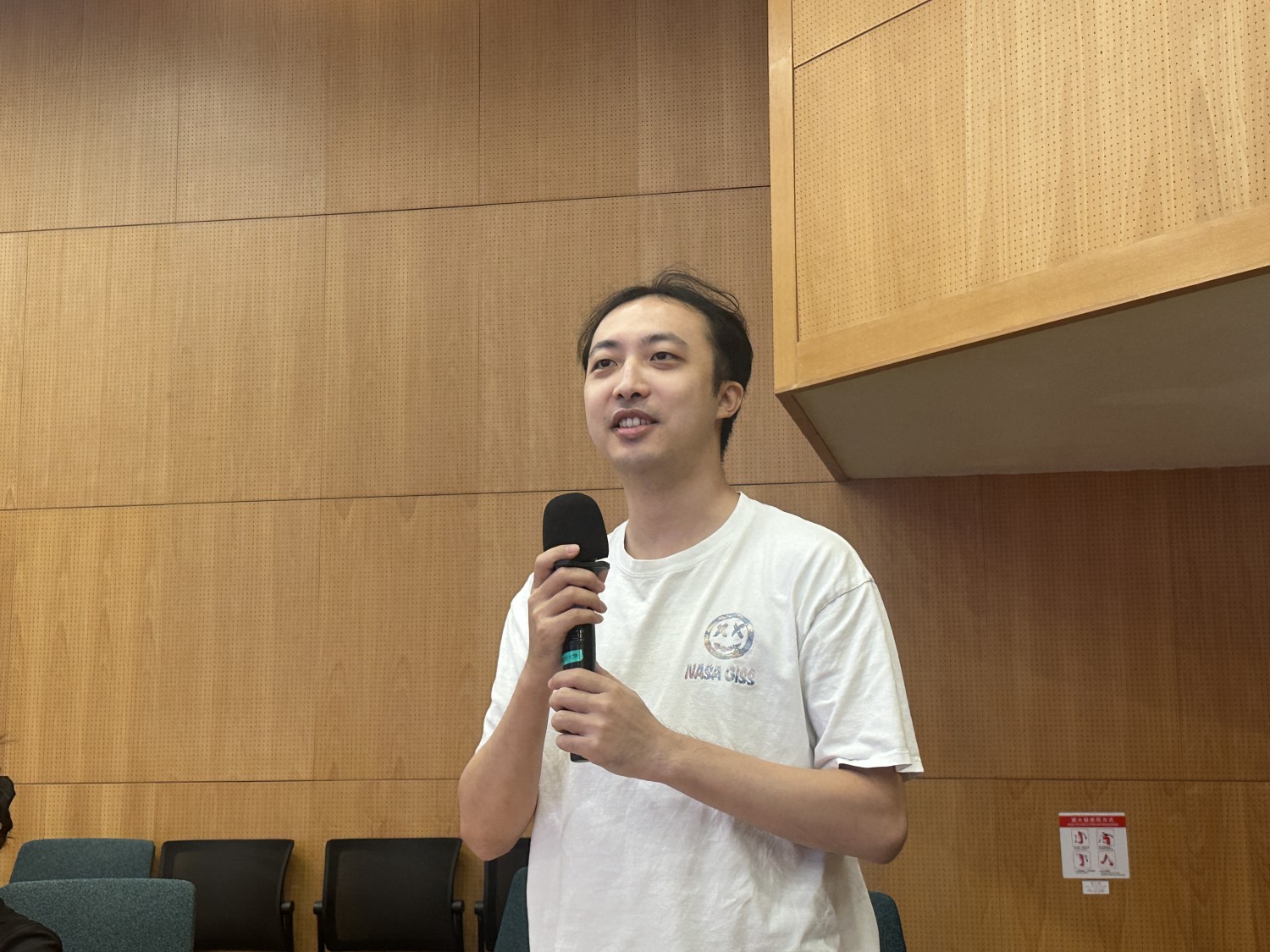
On October 22, 2026, the Faculty of Finance at City University of Macau held a finance seminar at Ho Yin Conference Center of Taipa Campus. The seminar featured Mr. Vincent Cai, General Manager of Chong Hing Bank Limited Macau Branch, as the keynote speaker. The seminar focused on the theme “Wealth Management in Macau”. Distinguished guests included Dean Adrian Cheung and Associate Dean Eva Khong from Faculty of Finance of City University of Macau.
Mr. Cai participated in the "Young Leaders" programme and graduated from the MBA program at Hitotsubashi University in Japan, and later studied at the PBC School of Finance, Tsinghua University, completing a Finance EMBA. Mr. Cai currently serves as Executive Vice President of Chong Hing Bank and General Manager of Macau Branch. He worked at Agricultural Bank of China at both branch and head office levels for 18 years, successively serving as Sub-branch General Manager of the Shenzhen Branch, and General Manager of the Marketing Department and the Business Management Department of the Head Office's Private Banking Division. He subsequently served as Executive Director and Vice President of Well Link Bank. He has accumulated extensive experience in bank operation and management, private banking, marketing, and business management.
At the opening of the seminar, Mr. Cai systematically elaborated on the underlying logic of wealth creation and distribution. The creation and distribution of wealth go through the processes of business integration, industry benchmarking, initial public offering, and mergers and acquisitions. The levers of wealth range from labor leverage and capital leverage to network leverage. Chat GPT has evolved from "industry assistance" to "breeding new industries", possessing powerful iterative and evolutionary speed. Mr. Cai also analyzed wealth winners and future winners, noting that the successive generations of wealth winners since the information technology revolution have come from hardware, software, search, social media, and AI hardware, to the sixth generation of winners: AI applications. The AI application layer consists of intelligent agents already delivering results. He pointed out that the AI singularity has arrived, and the fourth wealth leap is from "humans using tools" to "humans commanding intelligence"; three things are happening simultaneously—cost collapse, accelerated penetration, and morphological upgrading—with direct implications for industries: it is not a question of "whether to use AI", but that "those who use AI will replace those who do not". AI's triple impact on wealth lies in creation, distribution, and allocation—all three chains are being rewritten simultaneously.
Regarding Macau's market positioning, Mr. Cai noted that although Macau cannot build general-purpose large models, it can fully serve as a "template" for AI implementation by leveraging its advantages of "sufficiently dense scenarios, sufficiently small scale, and controllable rules". Macau can take the lead in three major scenarios—tourism and exhibition, youth and education, and cross-border and rules—and through a four-step approach of "selecting scenarios first, carrying corpora first, establishing rules first, and training talent first", achieve computing power expansion in place of simply adding manpower. He also mentioned that Macau demonstrates many distinctive features across the four major sectors of insurance, securities, funds, and banking.
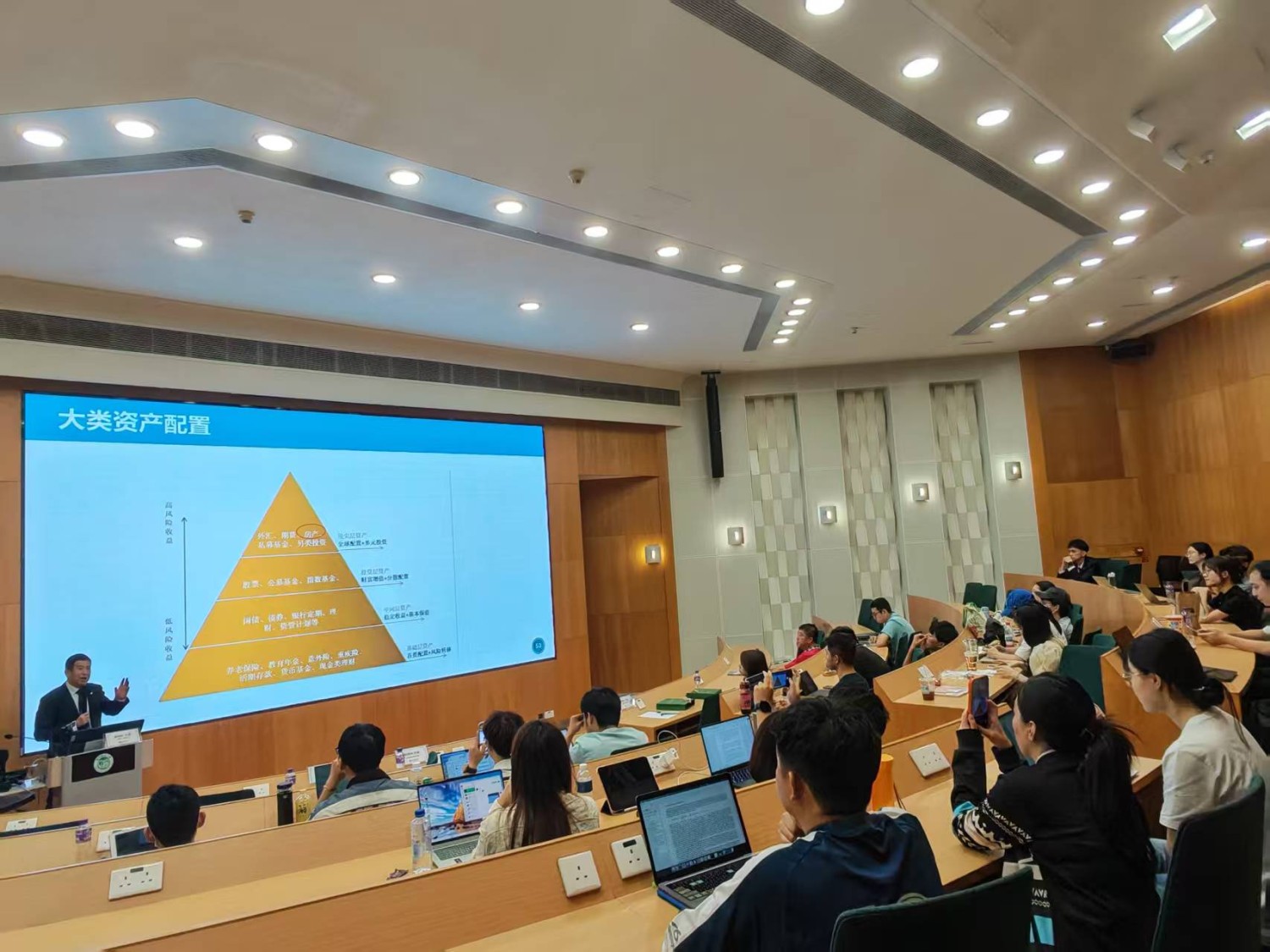
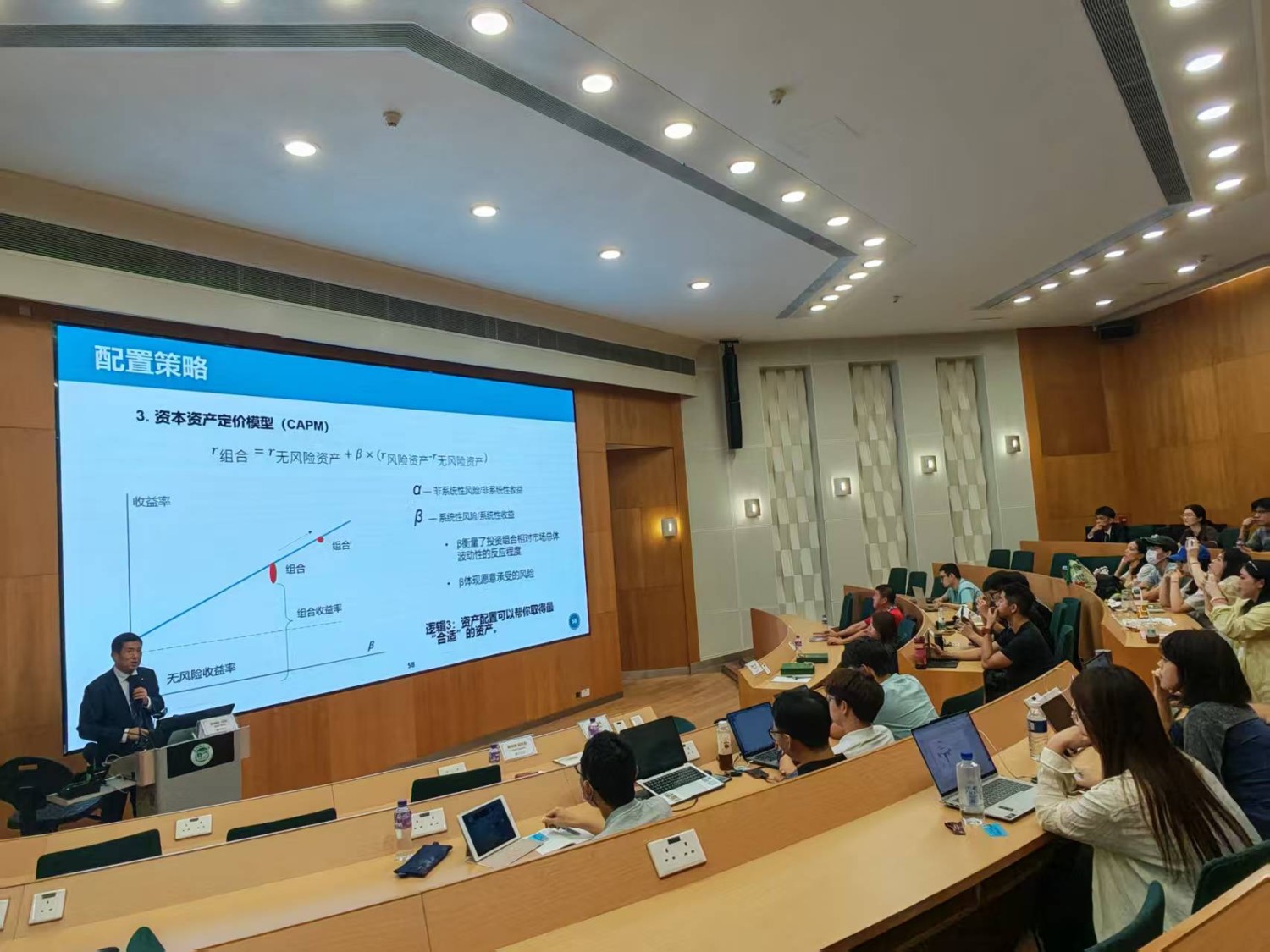
In terms of asset allocation and wealth planning, Mr. Cai emphasized that the overall logic of asset allocation is to obtain optimal returns under determined risk, and proposed three steps: the first step is to determine the allocation strategy, combining the Markowitz mean-variance model, the Black-Litterman model, the CAPM model, and the Bridgewater model to optimize the proportion of major asset classes and determine the major asset portfolio with the optimal risk-return ratio; the second step is to select quality investment products within each major asset class, selecting top-tier investment advisors and products in each asset class to obtain excess returns; the third step is the post-investment management strategy, tracking the operation of the plan in real time, dynamically adjusting the plan, and continuously optimizing the investment portfolio.
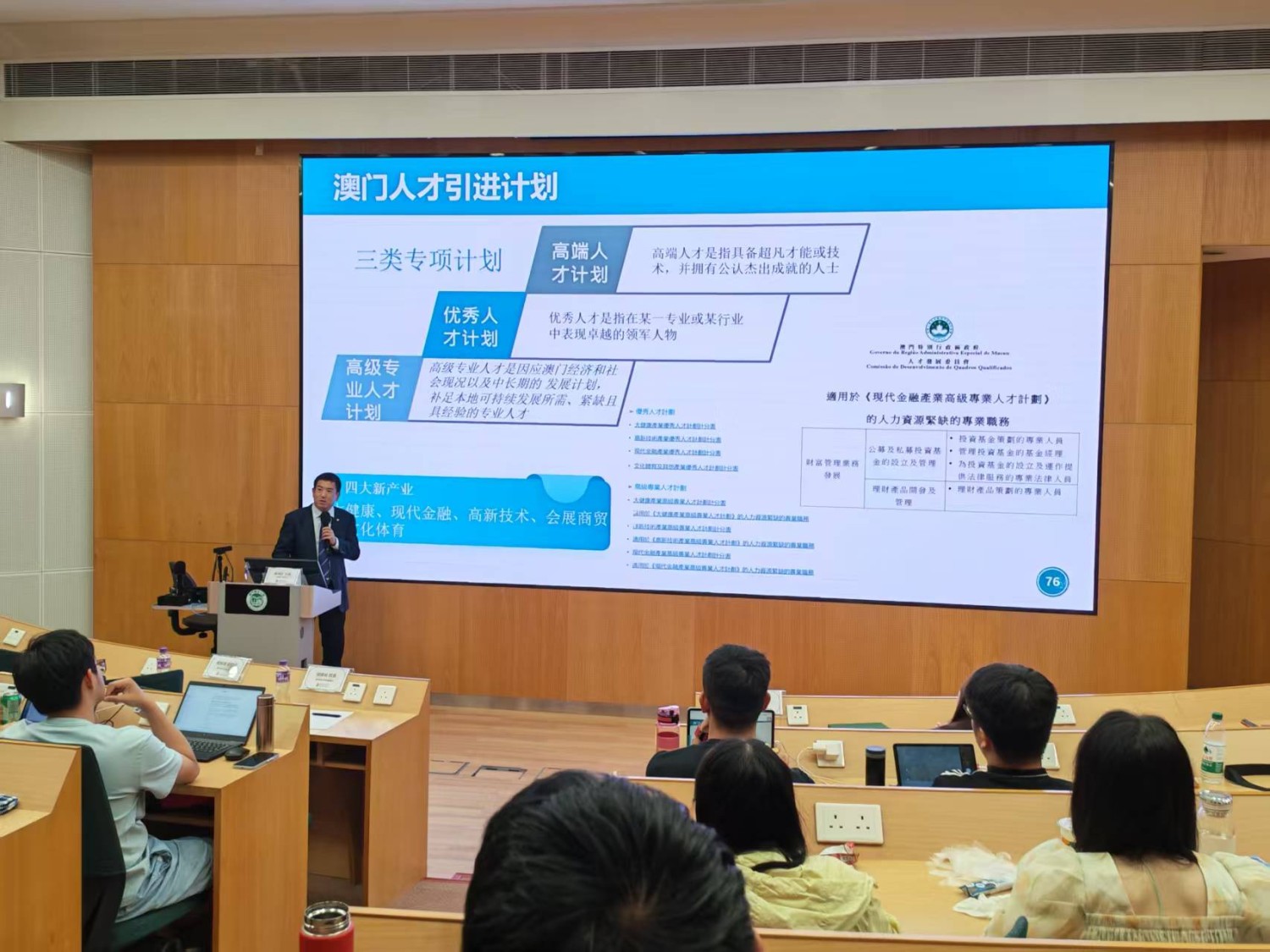
Mr. Cai further pointed out that in wealth planning, attention must be paid to the "life income and expenditure curve" and the tax environment. He compared the tax rate differences among China, Singapore, Hong Kong, and Macau, and analyzed the boundary between tax saving and compliance. He also suggested that in the face of CRS (Common Reporting Standard) and the Golden Tax Phase IV, comprehensive responses should be made within a legal framework through identity planning, transformation of asset forms, and establishment of trusts. In addition, Macau's talent introduction schemes (high-end talent, outstanding talent, and senior professional talent) provide policy dividends for practitioners in modern financial wealth management.
The faculty and students of the Faculty of Finance expressed their sincere gratitude to General Manager Cai for his excellent sharing. Participating faculty and students said that the seminar clearly outlined the development context and practical operations of Macau's wealth management market, and broadened their horizons from multiple dimensions including macroeconomic cycles, technological change, and tax planning, deepening their understanding of Macau's financial characteristics. They also expressed the hope that the faculty will continue to hold similar events in the future, increasing opportunities for exchanges and cooperation with industry guests.