


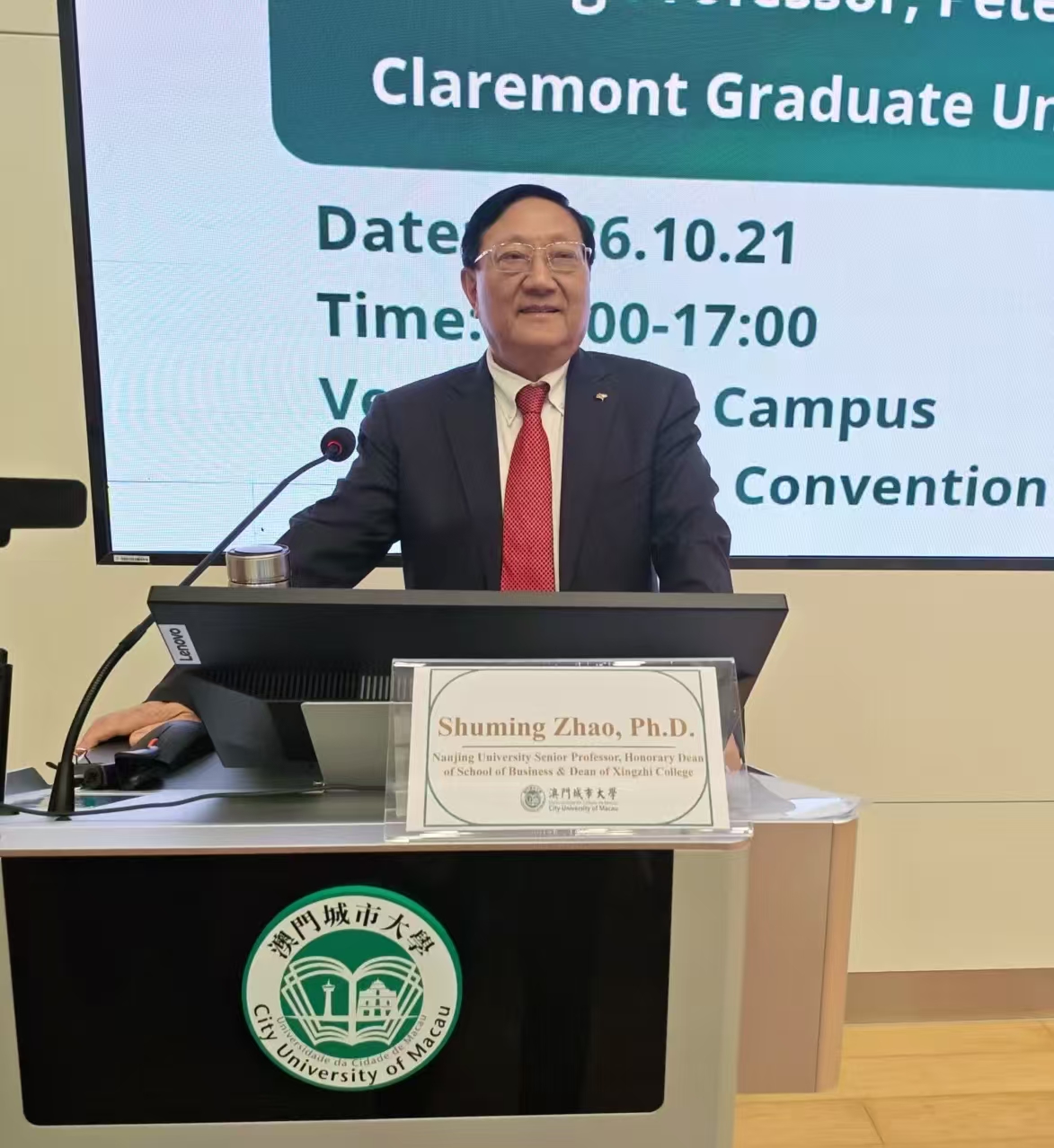
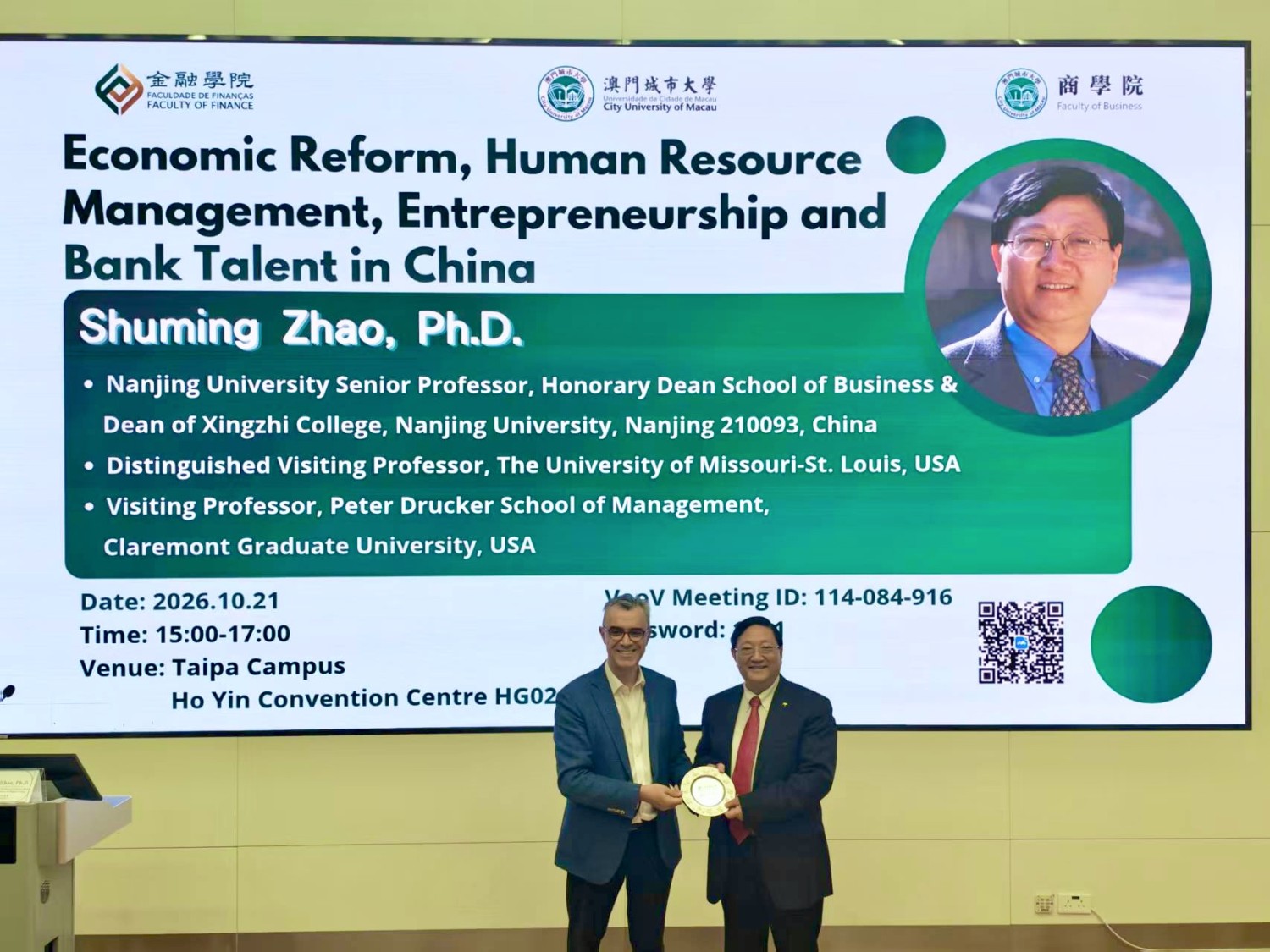
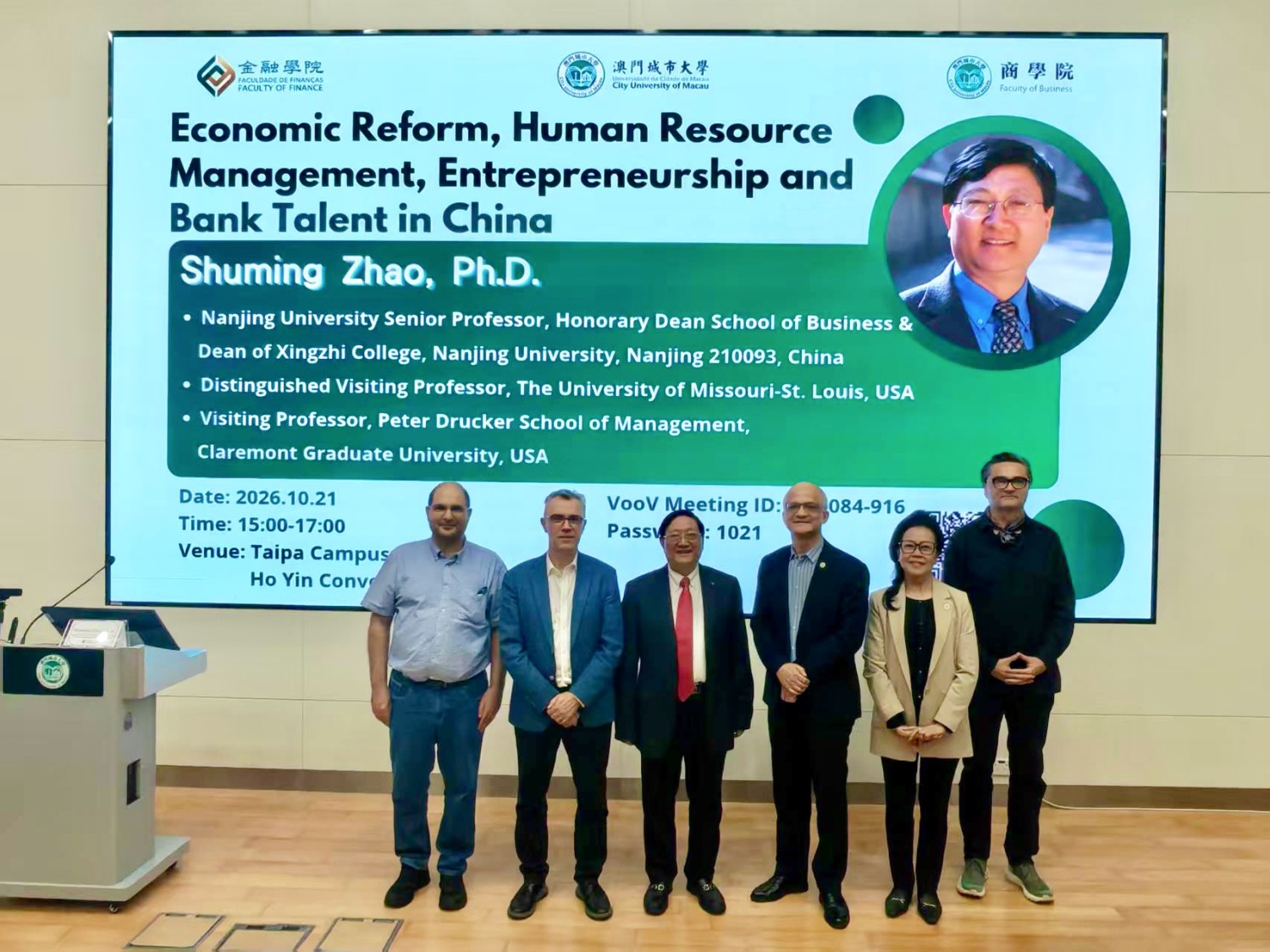
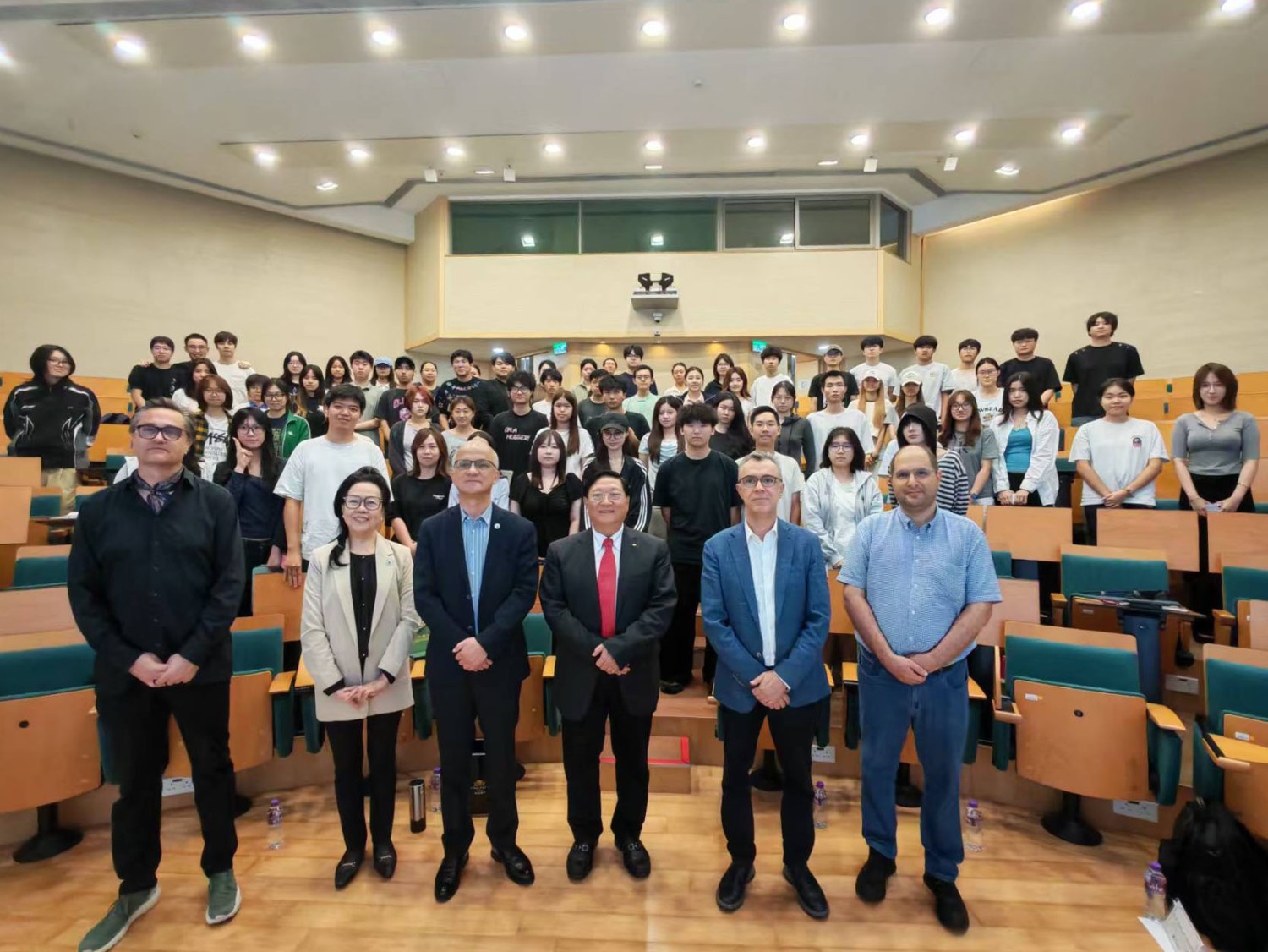
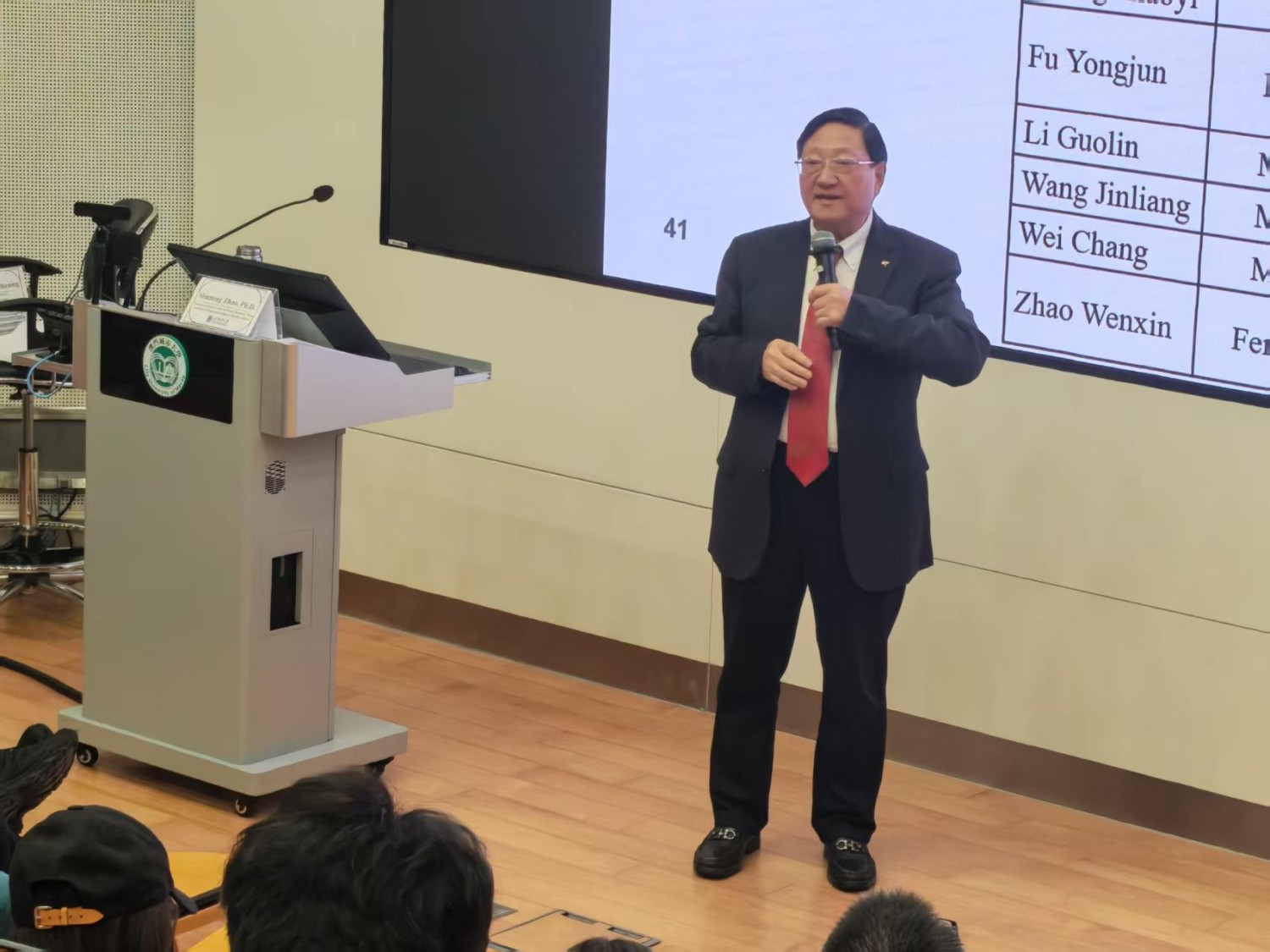
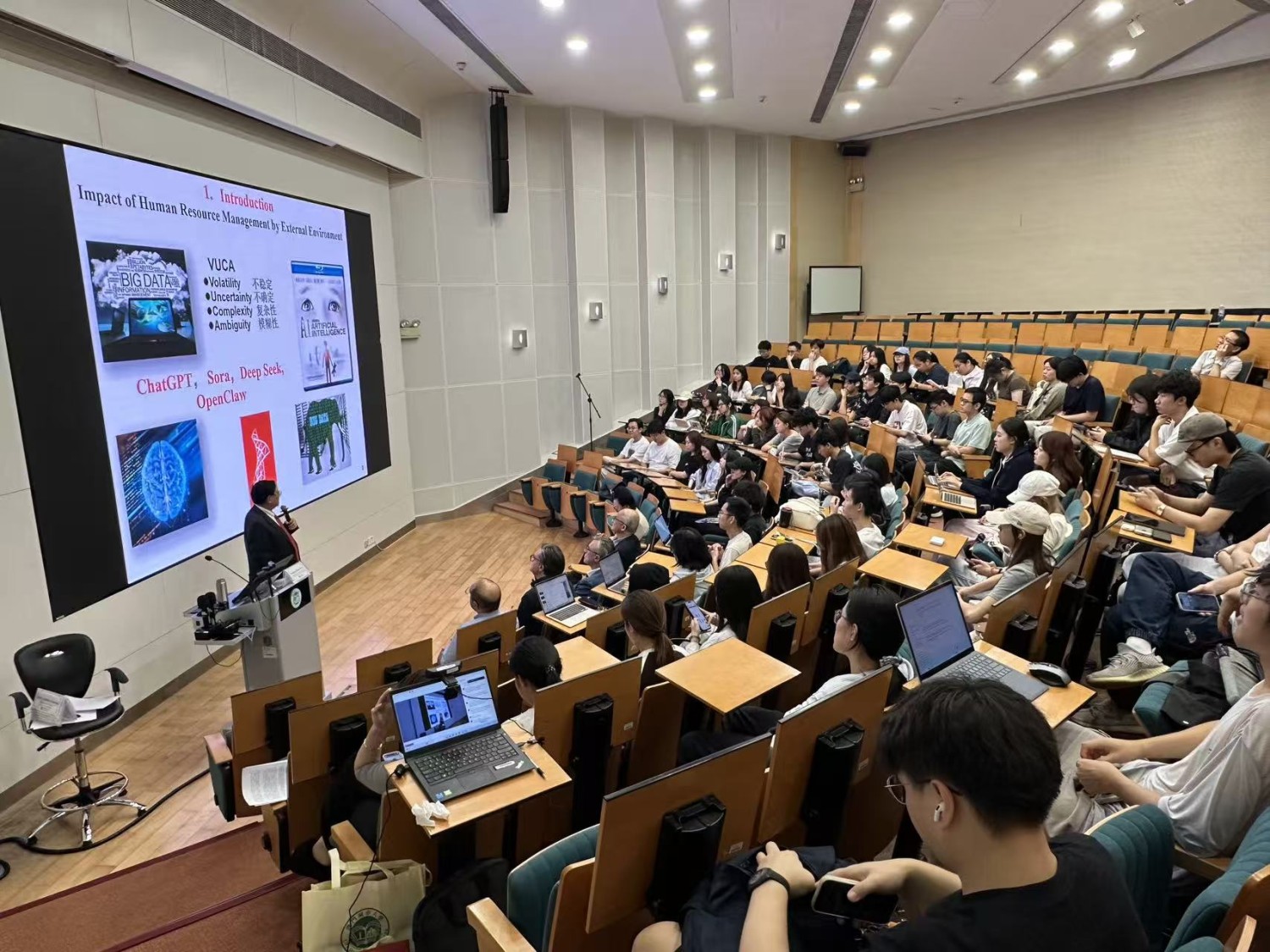
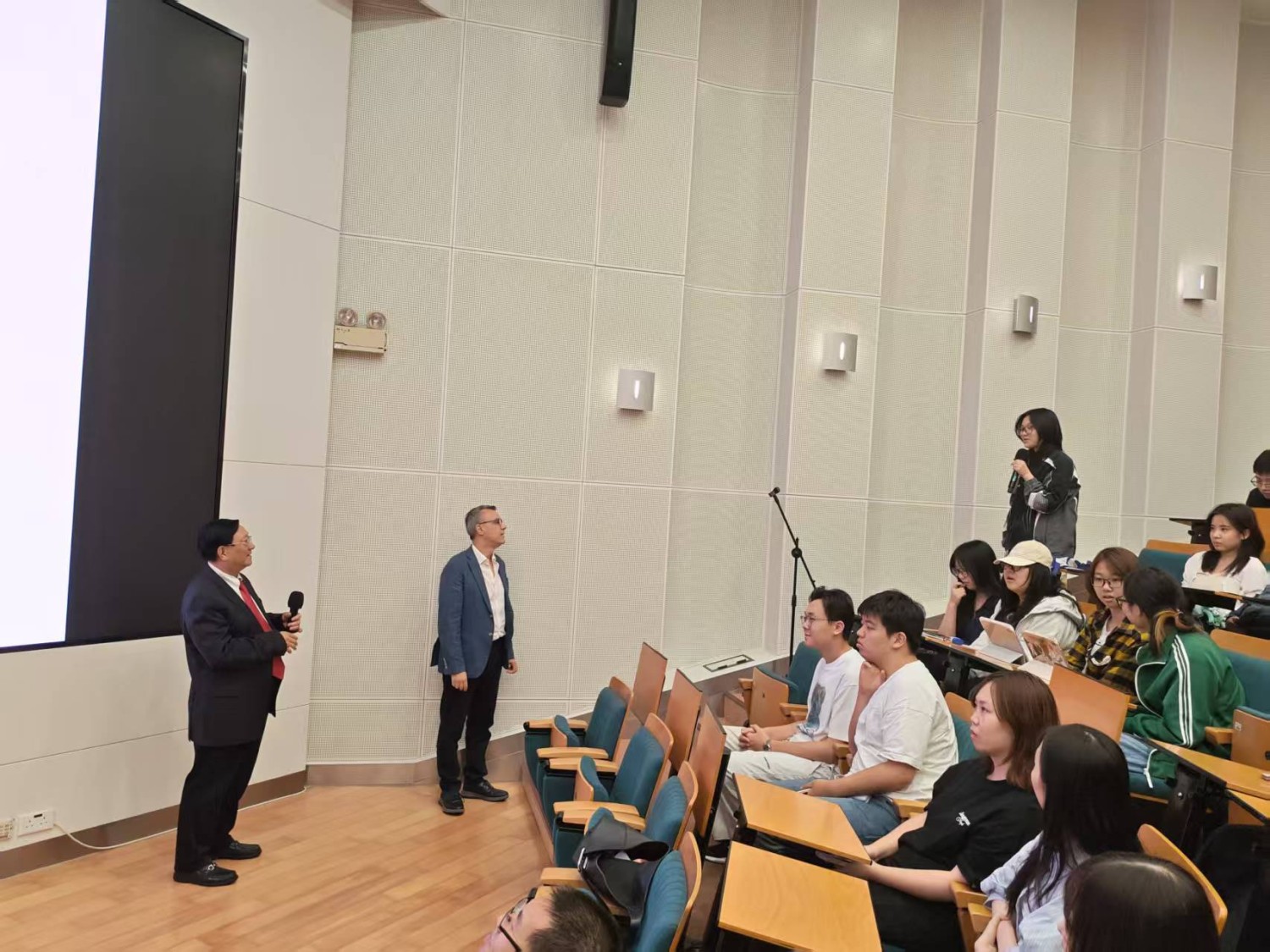
A seminar co-organized by the Faculty of Finance and the Faculty of Business of the City University of Macau was held on 21 October 2026 at the Ho Yin Convention Centre of Taipa Campus, City University of Macau. Professor Shuming Zhao, Senior Professor of Nanjing University and Honorary Dean of the Business School, was specially invited as the guest speaker, and his sharing topic was "Economic Reform, Human Resource Management, Entrepreneurship and Bank Talent in China". Distinguished guests included Professor Adrian Cheung, Dean of the Faculty of Finance of the City University of Macau; Professor José C. Alves, Dean of the Faculty of Business; Associate Professor Eva Khong, Associate Dean of the Faculty of Finance; Professor Markus Leibrecht, Programme Coordinator of Elite Cohort of the Faculty of Finance; and Associate Professor Farzad Sabetzadeh, Programme Director of the International Business Cohort of the Faculty of Business.
Professor Shuming Zhao is Senior Professor, Honorary Dean of the School of Business, and Dean of Xingzhi College Nanjing University. He is also Distinguished Visiting Professor at the University of Missouri-St. Louis, USA, and Visiting Professor at the Peter Drucker School of Management of Claremont Graduate University, USA. He previously served as Vice Chairman of the Steering Committee for Business Administration Discipline Professional Education of the Ministry of Education, and as President of the International Association of Chinese Management Research (IACMR, Third Term). He is currently Vice President of Chinese Academy of Management, specially invited Vice President of the China Human Resource Development Association, and Lifetime Honorary President for Jiangsu Provincial Association of Human Resource Management. Professor Zhao was selected as the “Candidate of the National New Century Talents Project” (1997). He has published more than 20 academic books and more than 500 academic papers, among which “Research on Human Resource Management” won the 13th China National Book Award and the First Prize of the "Fourth Session (2006) Outstanding Achievements in Humanities and Social Sciences Research in Chinese Universities" of the Ministry of Education. He was awarded an Honorary Doctorate in Business Administration by Seton Hill University, USA (2006), and received the President's Highest Special Medal of the University of Missouri, USA (2008), the Fudan Management Outstanding Contribution Award (2010), was named a Jiangsu Social Science Master by the CPC Jiangsu Provincial Committee and the Provincial People's Government (2015), was recognized as "Advanced Model of Teacher Ethics" by Nanjing University in 2019, and received the Nanjing University Outstanding Contribution Award for Talent Cultivation in February 2022. In 2023, he was appointed by Nanjing University as "Nanyong Scholar Distinguished Chair Professor". On 8 September 2024, he received the "18th World Outstanding Chinese Award". On 28 September 2025, he was re-appointed as Dean of Nanjing University’s Xingzhi College.
The seminar provided in-depth sharing across multiple dimensions, including the course of China's economic reform, the evolution of human resource management in the new era, talent development under the impact of AI technology, practical cases of enterprise innovation and entrepreneurship, and the building of digital talent in the financial and banking industry, analyzing the core value of human resource management for innovation-driven development in the context of institutional change.
Professor Zhao first introduced the characteristics of the VUCA (Volatility, Uncertainty, Complexity, Ambiguity) era, pointing out that artificial intelligence, as the core strategic technology of the new round of scientific and technological revolution, is profoundly reshaping work mode and social life. Under the dual drive of national policy guidance and AI technology, the state has successively introduced the "AI Plus" Initiative and fintech development plans, setting phased development goals for the intelligent economy. He also pointed out that human resource management is currently in a stage of paradigm shift driven by both policy and AI. At the regulatory level, the PBOC FinTech Plan requires optimizing talent structures and improving incentive mechanisms; the Fed /FDIC also emphasizes technological risk governance in the financial sector. At the technological level, generative AI and intelligent agents have been widely implemented in scenarios such as investment research, customer service, and fraud detection, and job positions are being redefined. Under the combined effect of policy and technology, the positioning of human resources and technology is undergoing a paradigm shift, moving from "passive IT support" to "collaborative value co-creation".
Professor Zhao reviewed the complete timeline of China's economic reform, from the household contract responsibility system in rural areas in 1978 to the strategic positioning of science and technology, talent, and innovation proposed at the 20th Party Congress. The reform has brought about changes in four major dimensions: the system has shifted from a centralized economy to a market economy; the production method has moved from "Made in China" and "Copied in China" toward "Made by China" and "Innovated in China"; the ownership structure has developed in a diversified manner; and business strategy has moved from domestic operations to globalized multinational alliances. At the same time, the large-scale inflow of foreign direct investment and the continuous expansion of outbound investment have become important hallmarks of economic reform, also forcing local enterprises to update their human resource management models.
Subsequently, Professor Zhao explored the evolutionary logic of China's human resource management in the process of economic reform. As government agencies transition from an administrative type to a service-oriented type, and personnel departments are reformed into human resources and social security departments, the state has promulgated medium- and long-term talent development plans, and high-quality human resources have become an important foundation supporting Chinese-style modernization. He proposed a core proposition: how human resource management can stimulate organizational innovation momentum, and how human resource management practices affect enterprise innovation, are important issues for local enterprises today. He also combined two representative corporate cases, Huawei and Midea Group, to analyze the human resource mechanisms behind innovation and entrepreneurship, jointly confirming that a scientific human resource system is the underlying pillar of enterprise innovation and entrepreneurship.
Regarding innovation and entrepreneurship in China, Professor Zhao described the National Natural Science Foundation of China special project that his team is currently working on. They decompose the changes that AI-human collaboration brings to organizational management from five core research dimensions: individual psychology (behavioral level), digital leadership (reconstruction level), human-machine trust (augmented level), skills and task impact (evolution level), and human resource adaptation (transformation level). He also pointed out that organizational management in China is deeply influenced by four cultural factors: loyalty, respect, relationships, and concern for face. Together, these four cultural factors shape people's codes of conduct in the workplace and are cultural backgrounds that must be noted when understanding Chinese human resources and enterprise management. In addition, he mentioned that cross-cultural knowledge and awareness can assist executives to improve their management skills and help business leaders make correct strategic decisions.
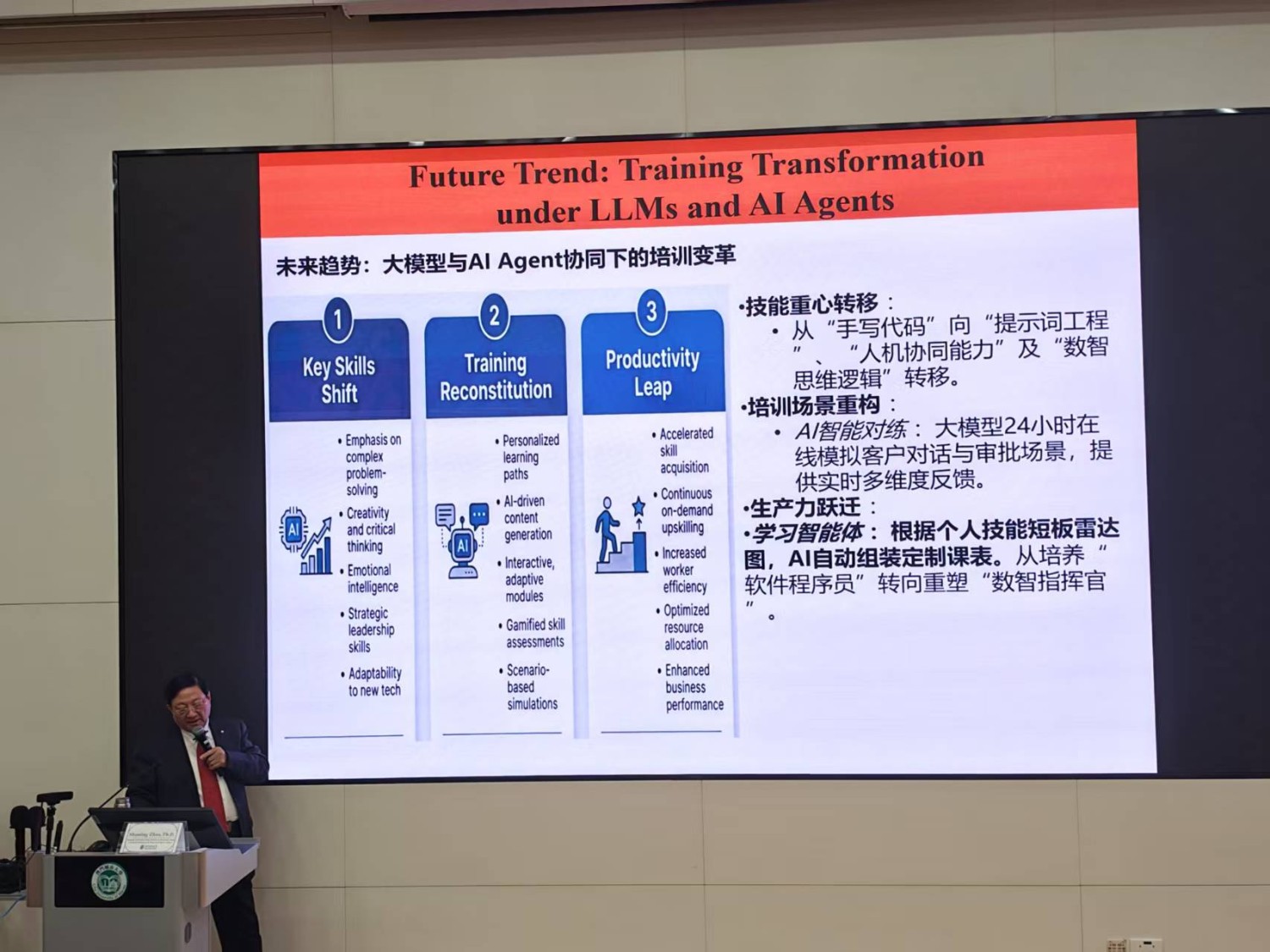
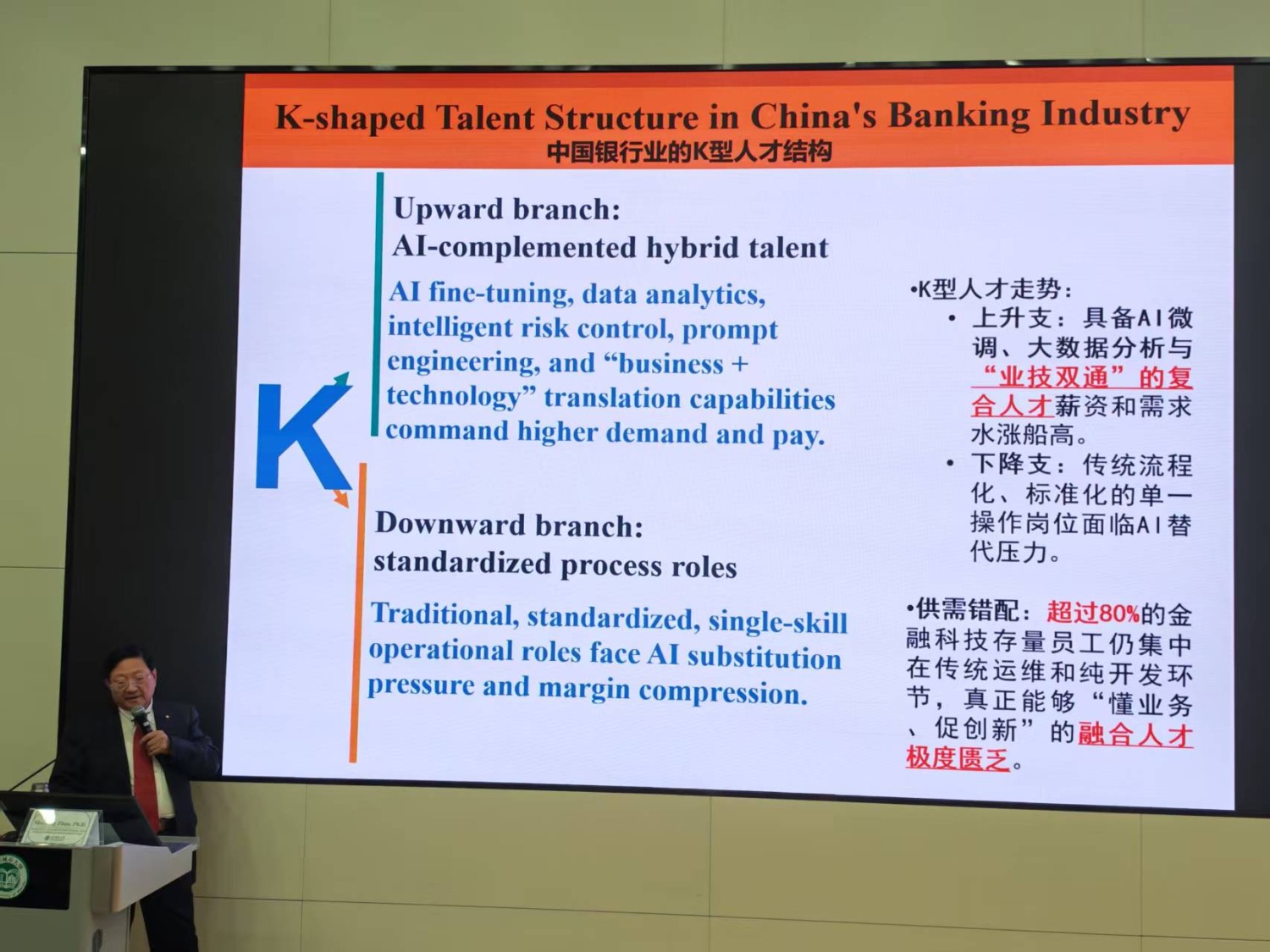
Professor Zhao proposed that in the AI era, the banking industry is showing a K-shaped talent structure differentiation trend divided into an upward branch and a downward branch: composite talents with AI fine-tuning, big data analysis, and "dual proficiency in business and technology" are seeing rising salaries and demand, while traditional process-based and standardized single-operation positions face pressure of AI substitution; moreover, most fintech employees are concentrated in traditional operations and maintenance and pure development roles, and integrated talents who truly understand business and can drive innovation are very scarce. He also analyzed that the three major directions of training reform trends brought about by large models and AI agents in the future are a shift in key skills, reconstitution of training scenarios, and a leap in productivity. For financial institutions, the three-step strategic roadmap is: short term: build a capability baseline; medium term: pilot the establishment of organizational mechanisms; long term: institutionalize AI-enabled work and gradually build an organizational and talent system adapted to the AI era.
Finally, Professor Zhao pointed out in his conclusion that, against the backdrop of deepening reform and rapid AI iteration, whether at the macro national level of talent strategy or the micro enterprise level of human resource management system building, both need to match the development goals of innovation-driven development, cultivate high-quality talents adapted to the intelligent era, and thereby drive the high-quality development of Chinese enterprises' innovation and entrepreneurship.
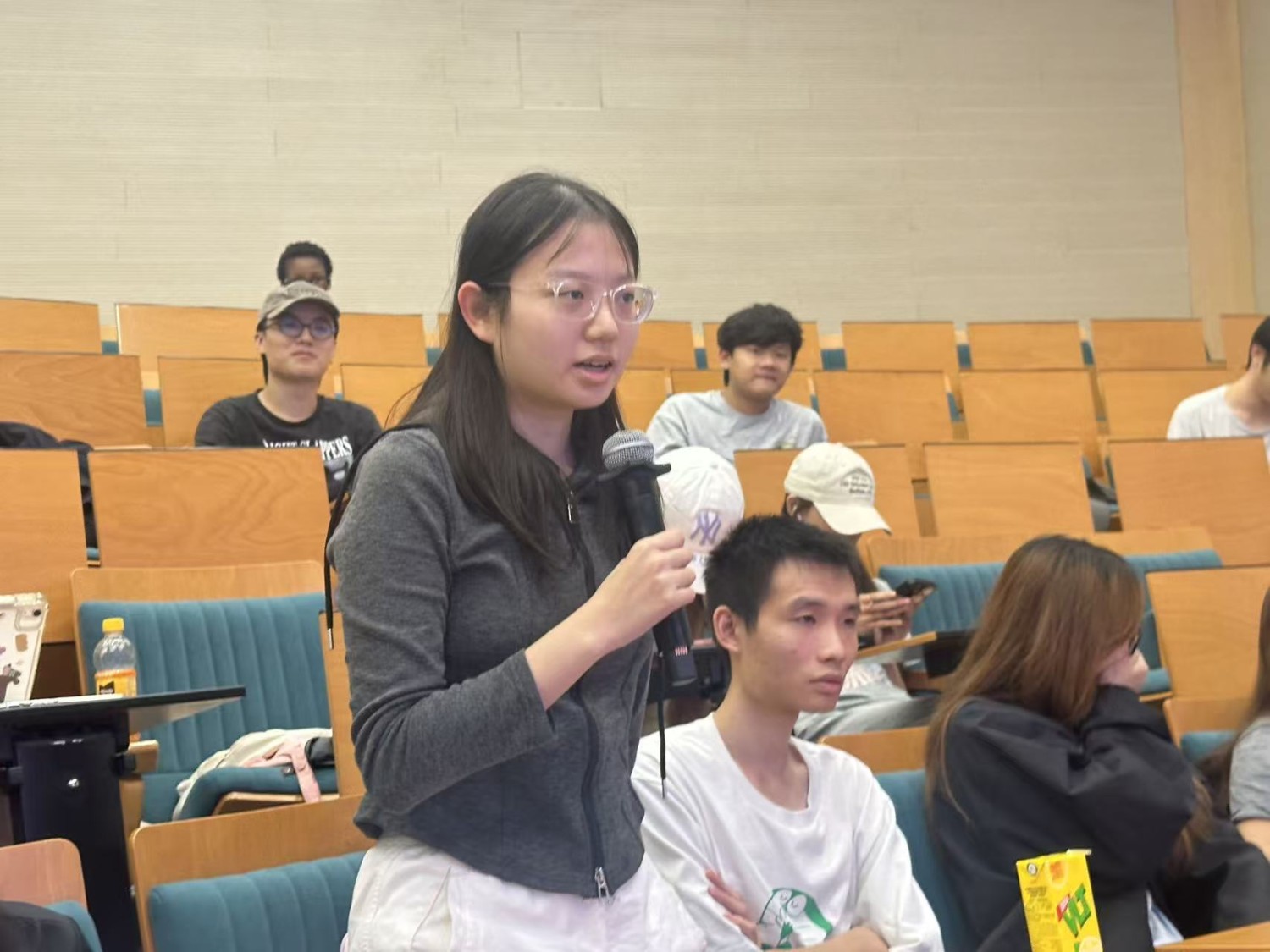
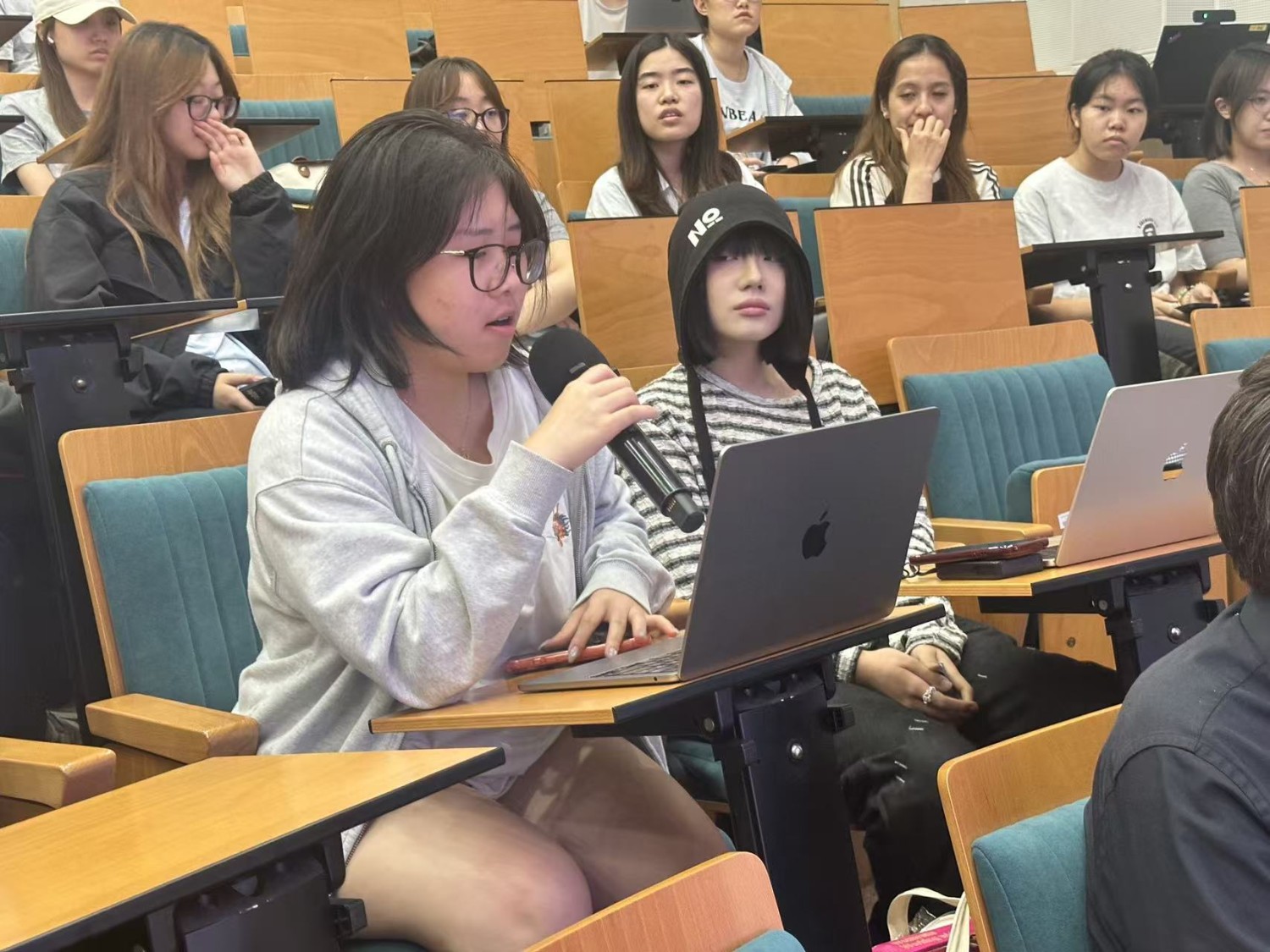
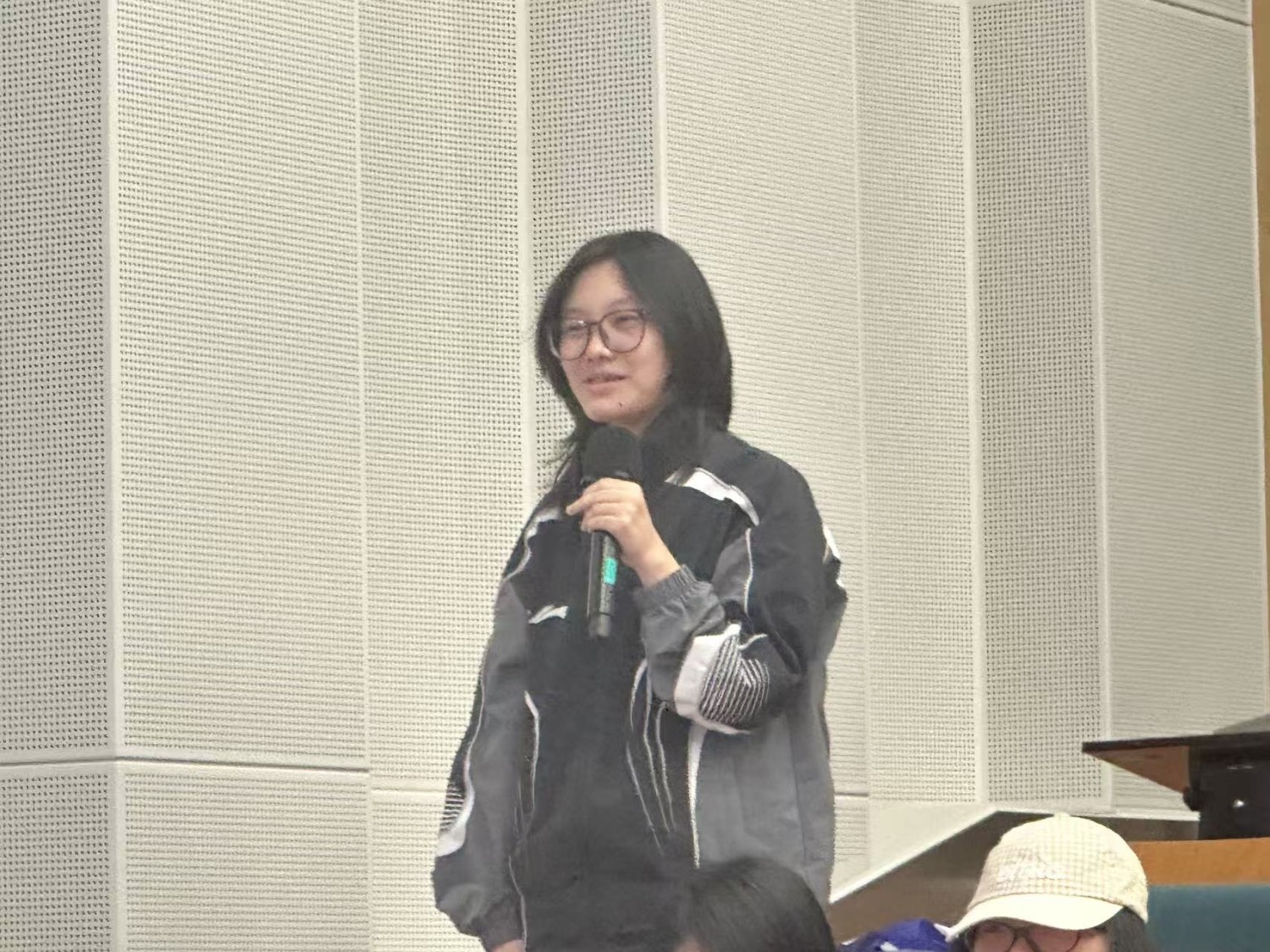
The teachers and students of the Faculty of Finance and the Faculty of Business expressed sincere gratitude to Professor Shuming Zhao for his wonderful sharing. During the exchange session, Professor Zhao interacted actively with the students. Participating teachers and students said that this seminar connected the logical chain of macro-economic reform, micro practices of human resource management, and enterprise innovation and entrepreneurship, and brought great inspiration for understanding Chinese enterprise development and talent building in the digital-intelligent era; they also look forward to the Faculties continuing to hold more industry sharing and exchange activities in the future, building a bridge between academia and practice, providing more platforms for intellectual exchange, and jointly exploring feasible paths for talent-enabled industrial innovation and development in the new era.