


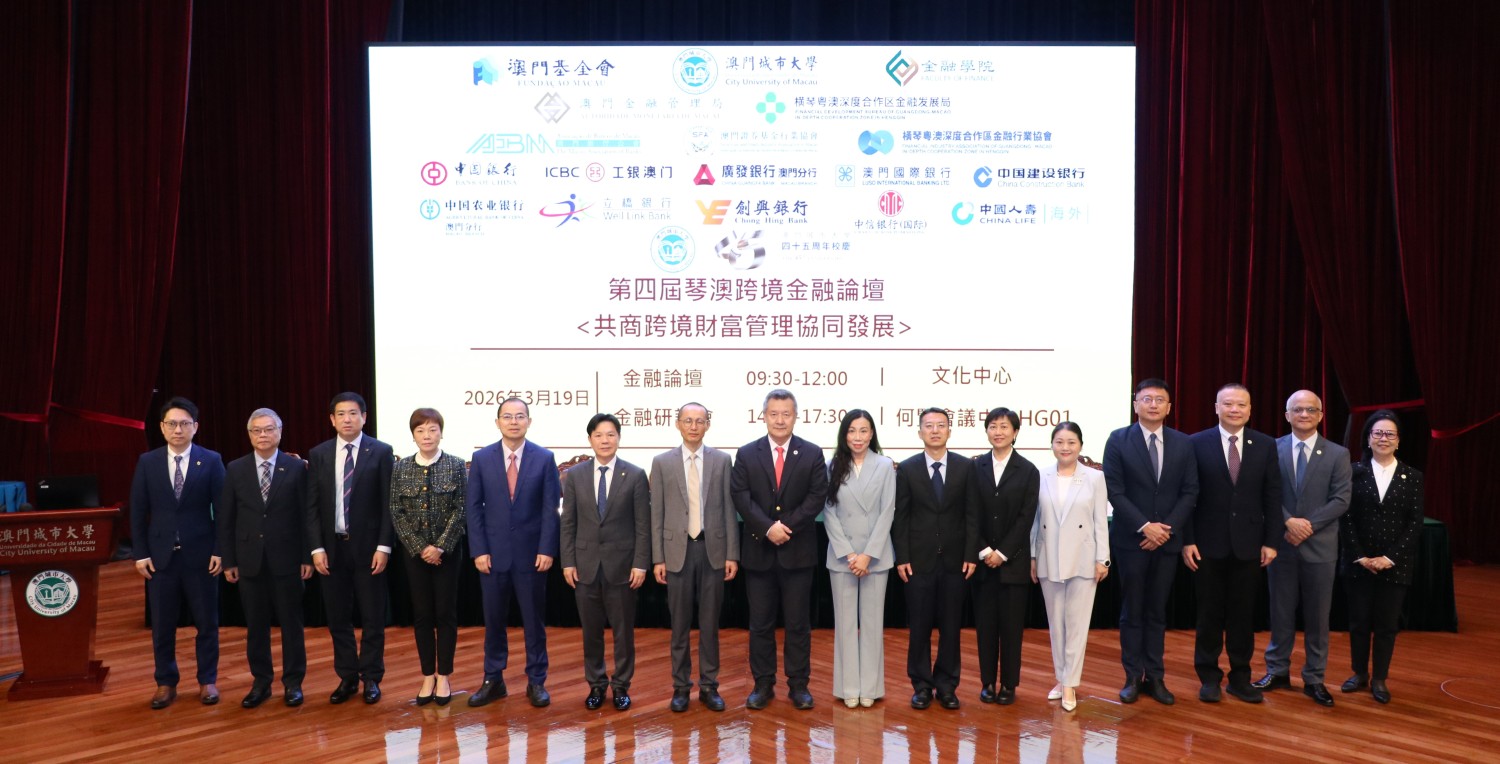
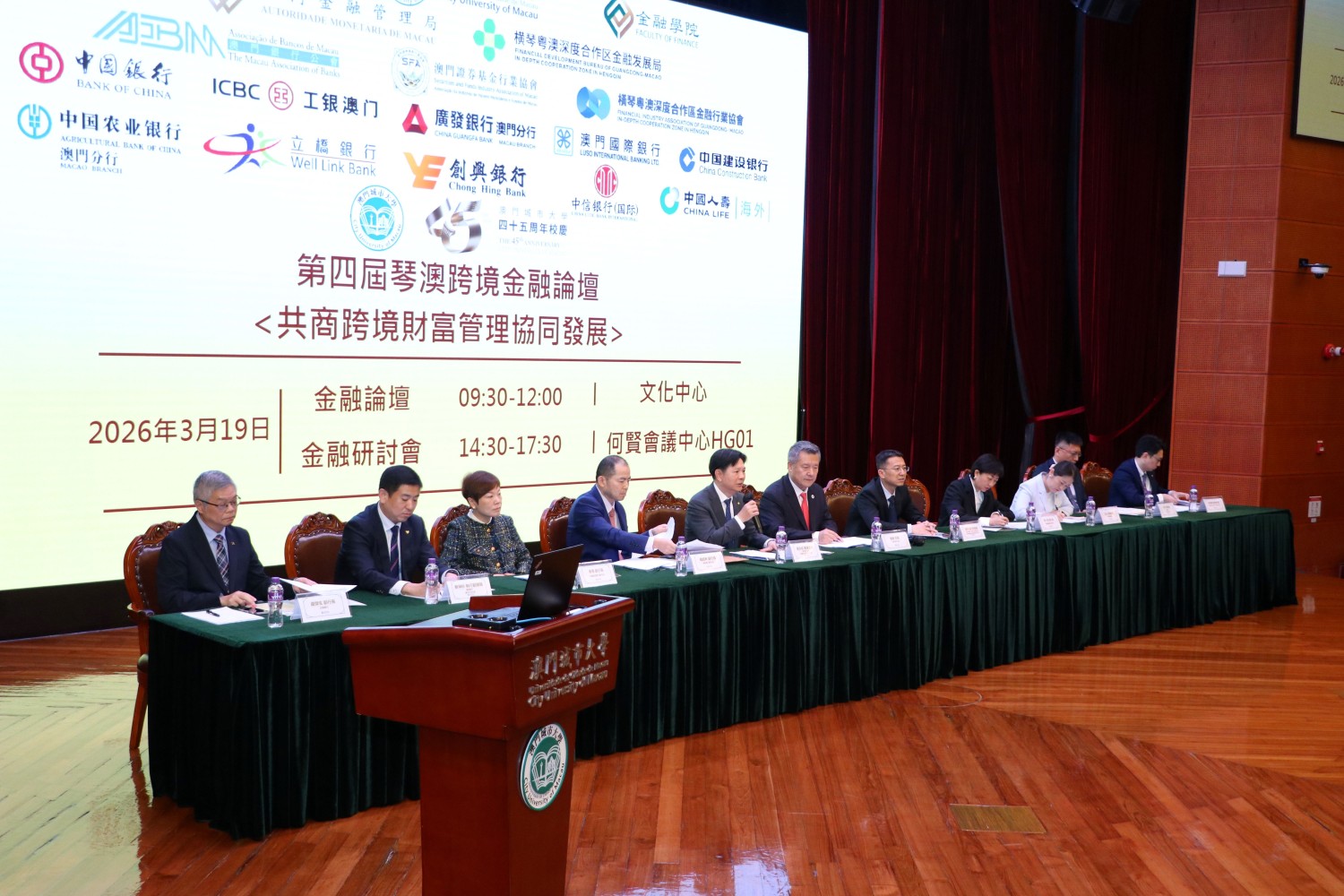
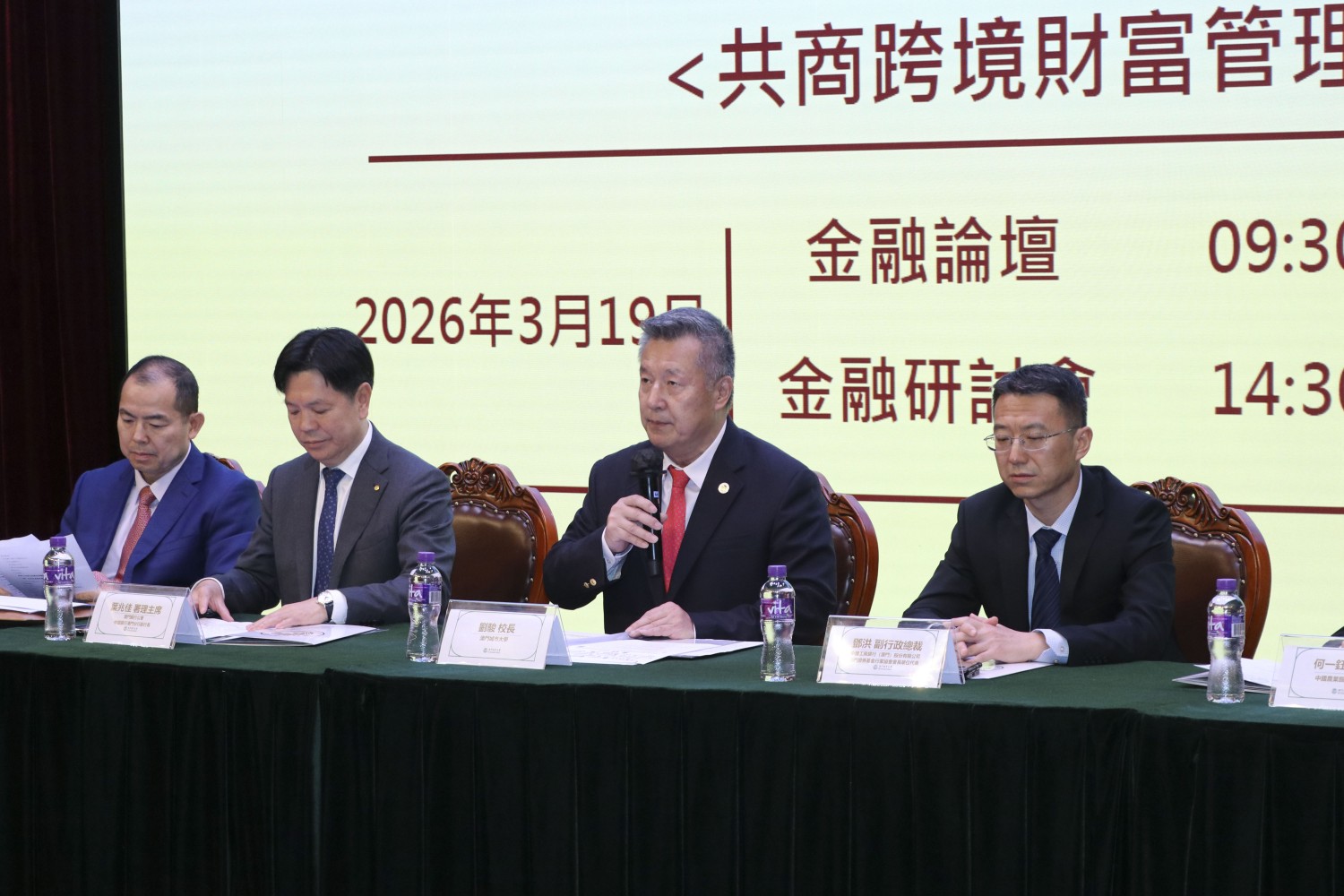
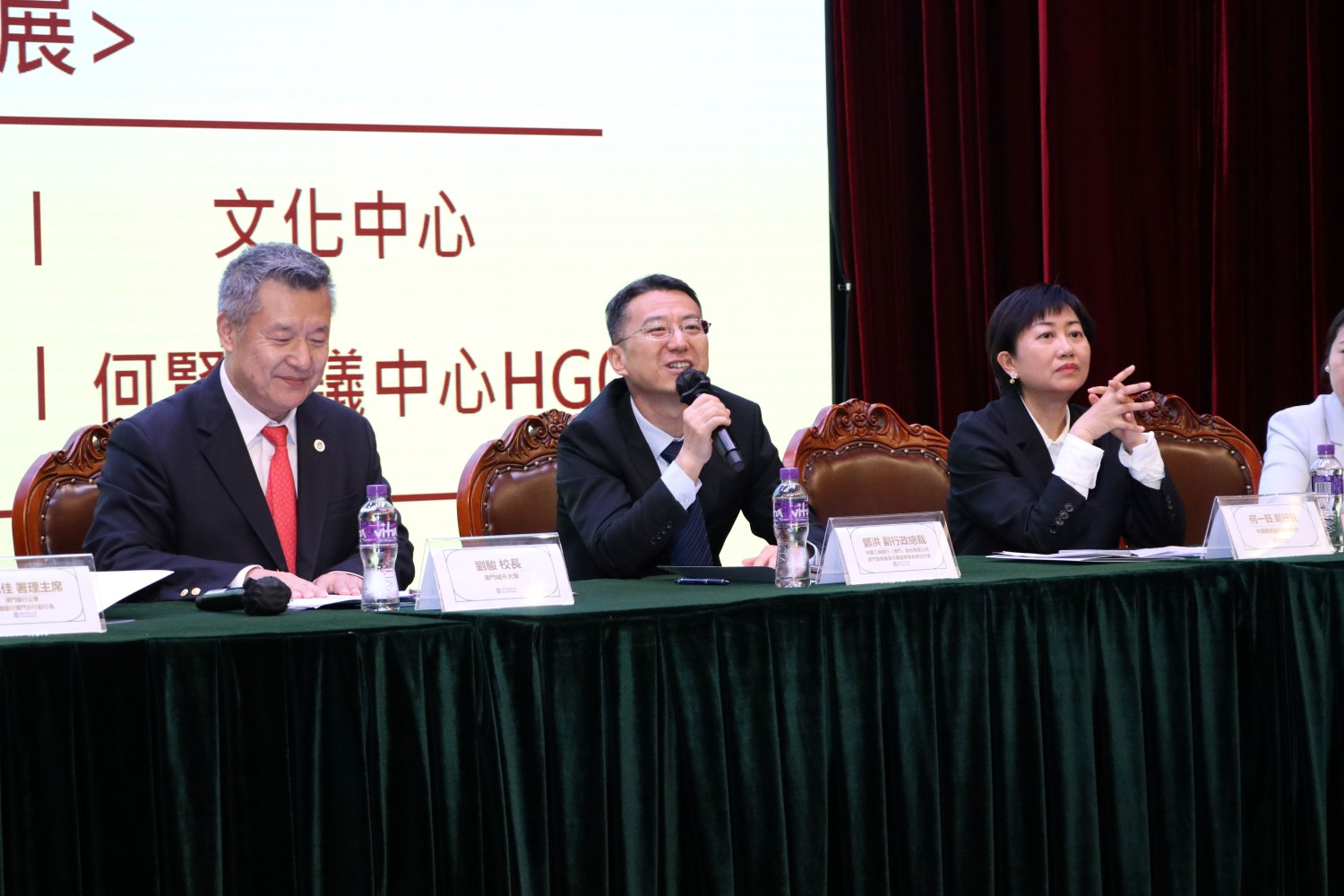
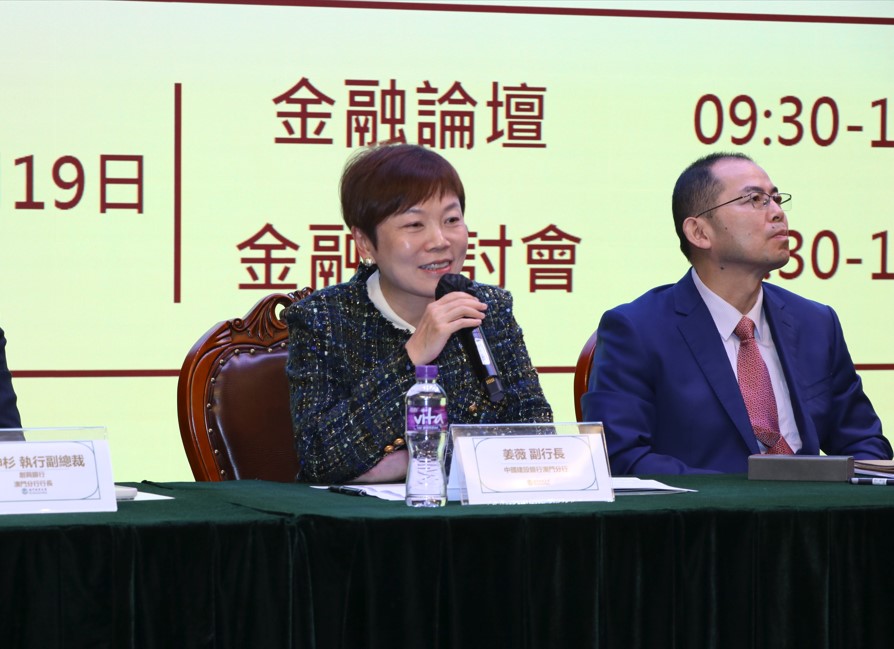
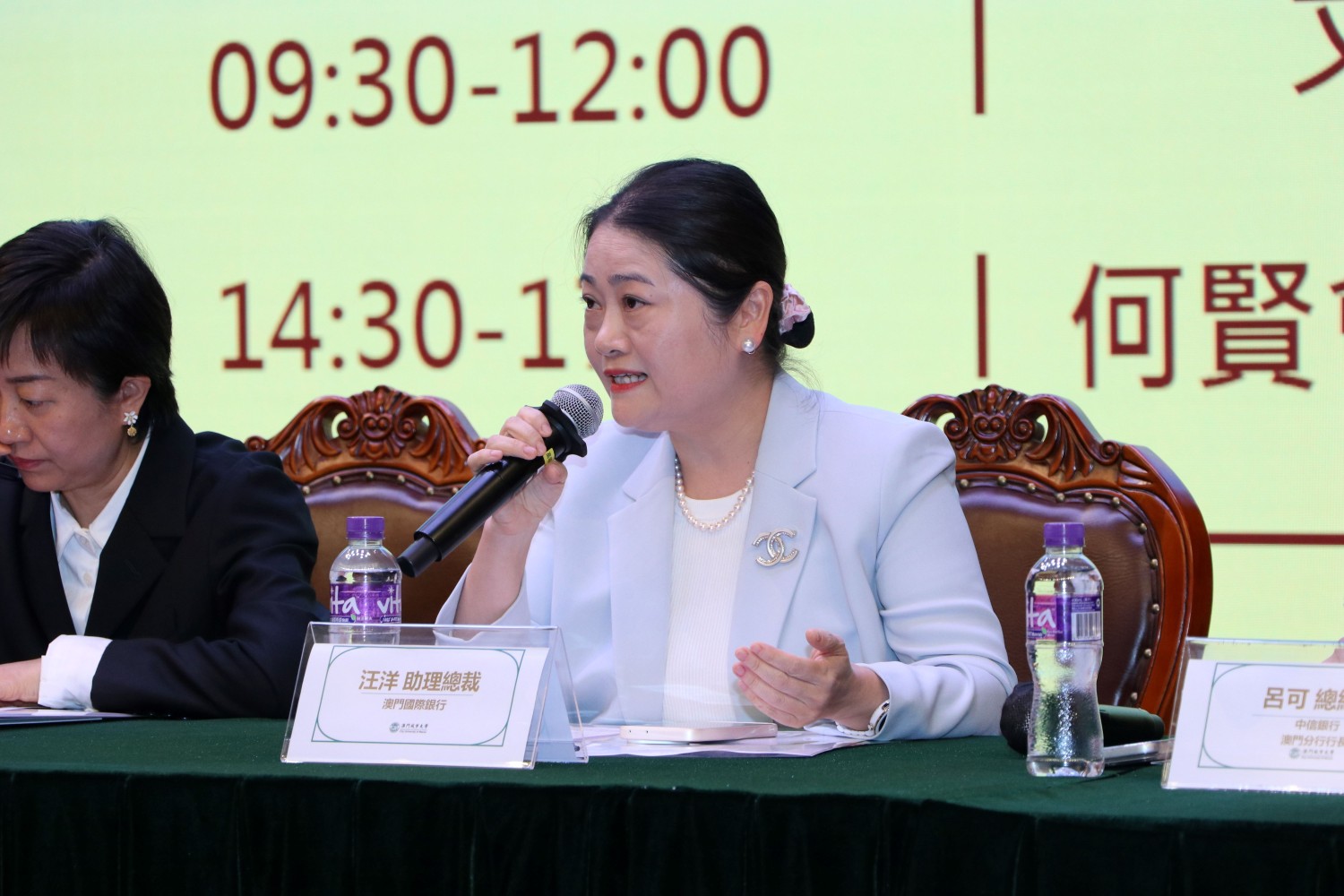
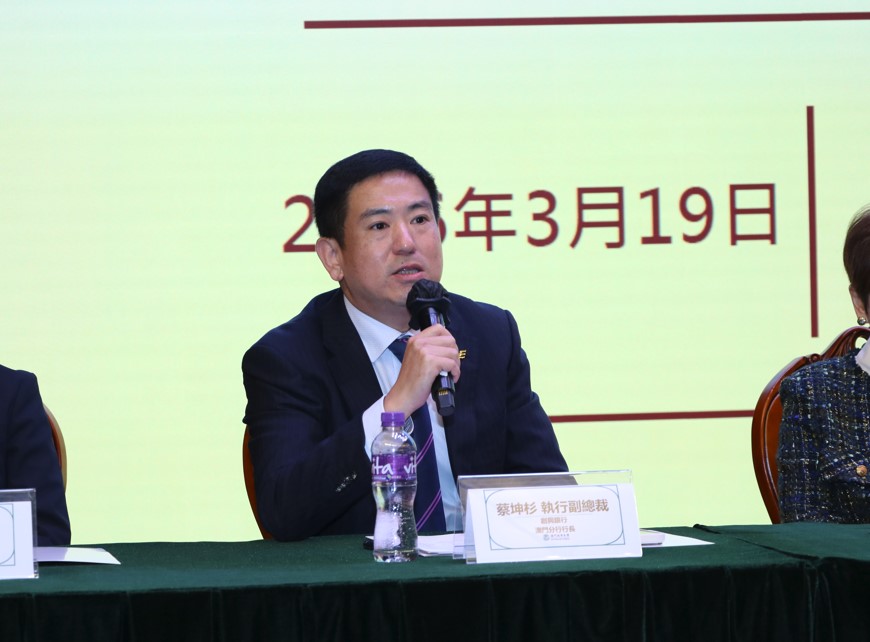
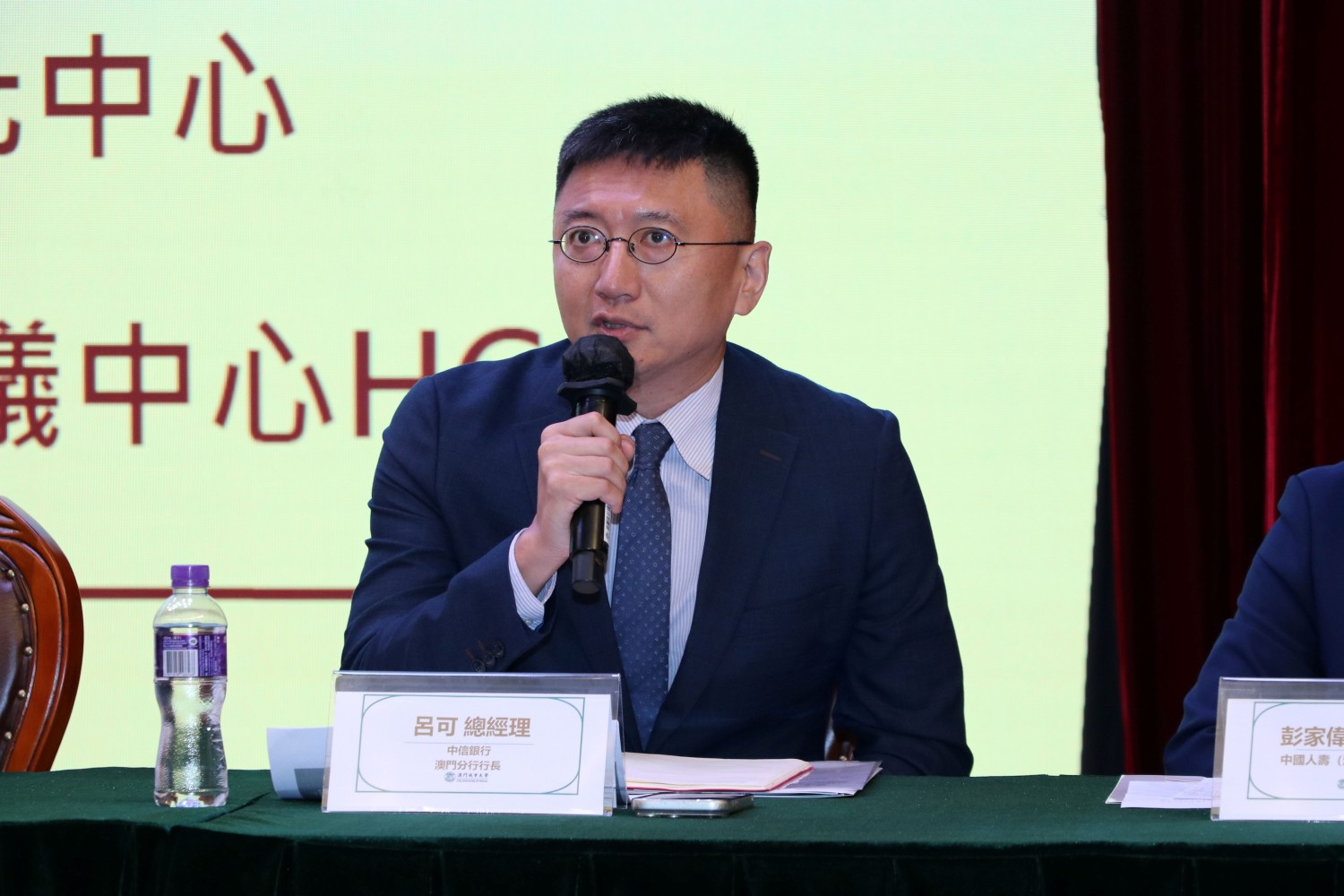
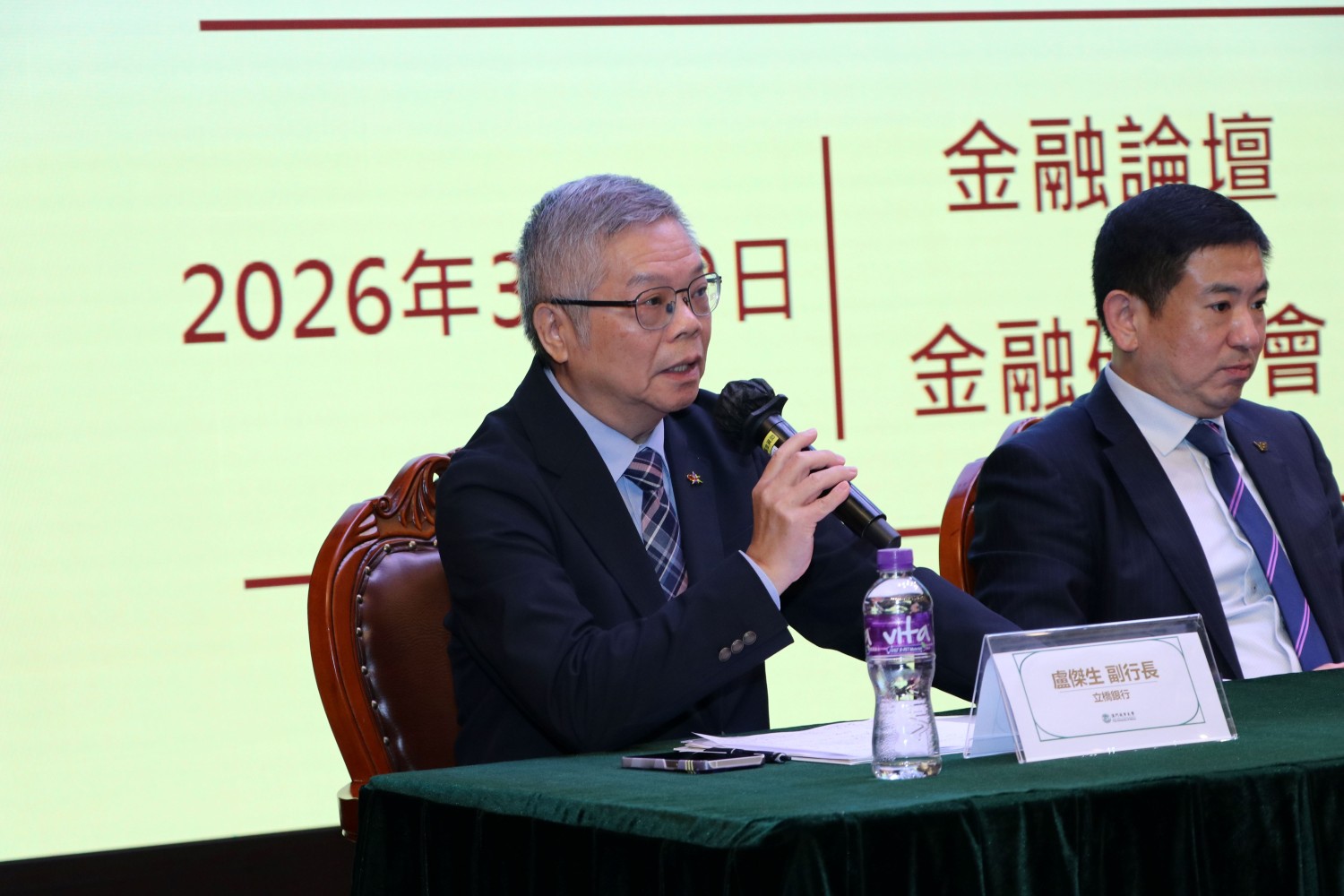
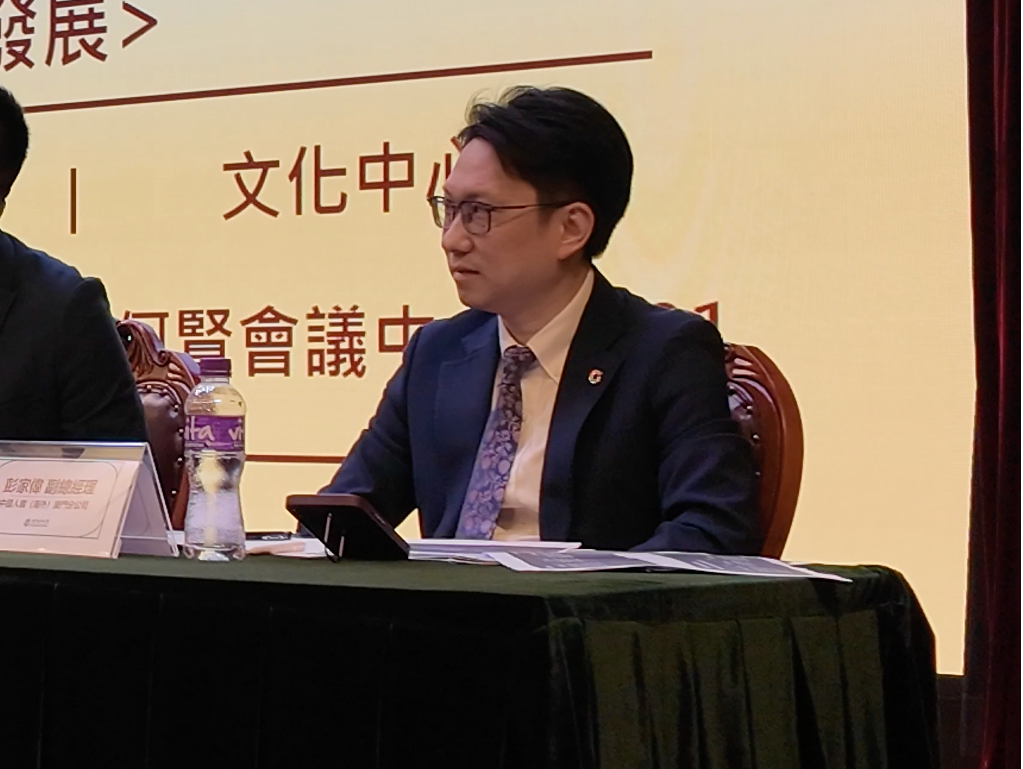
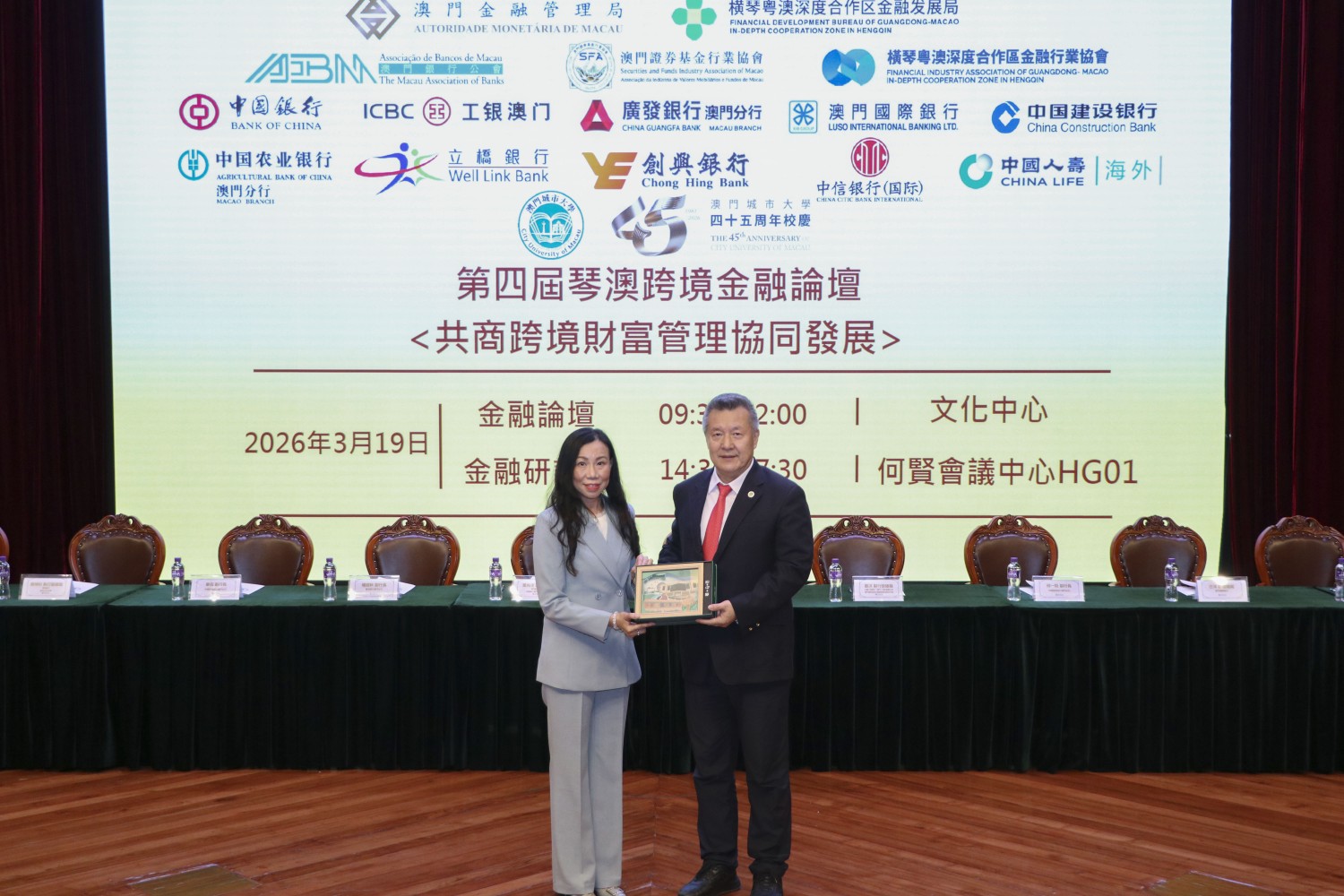
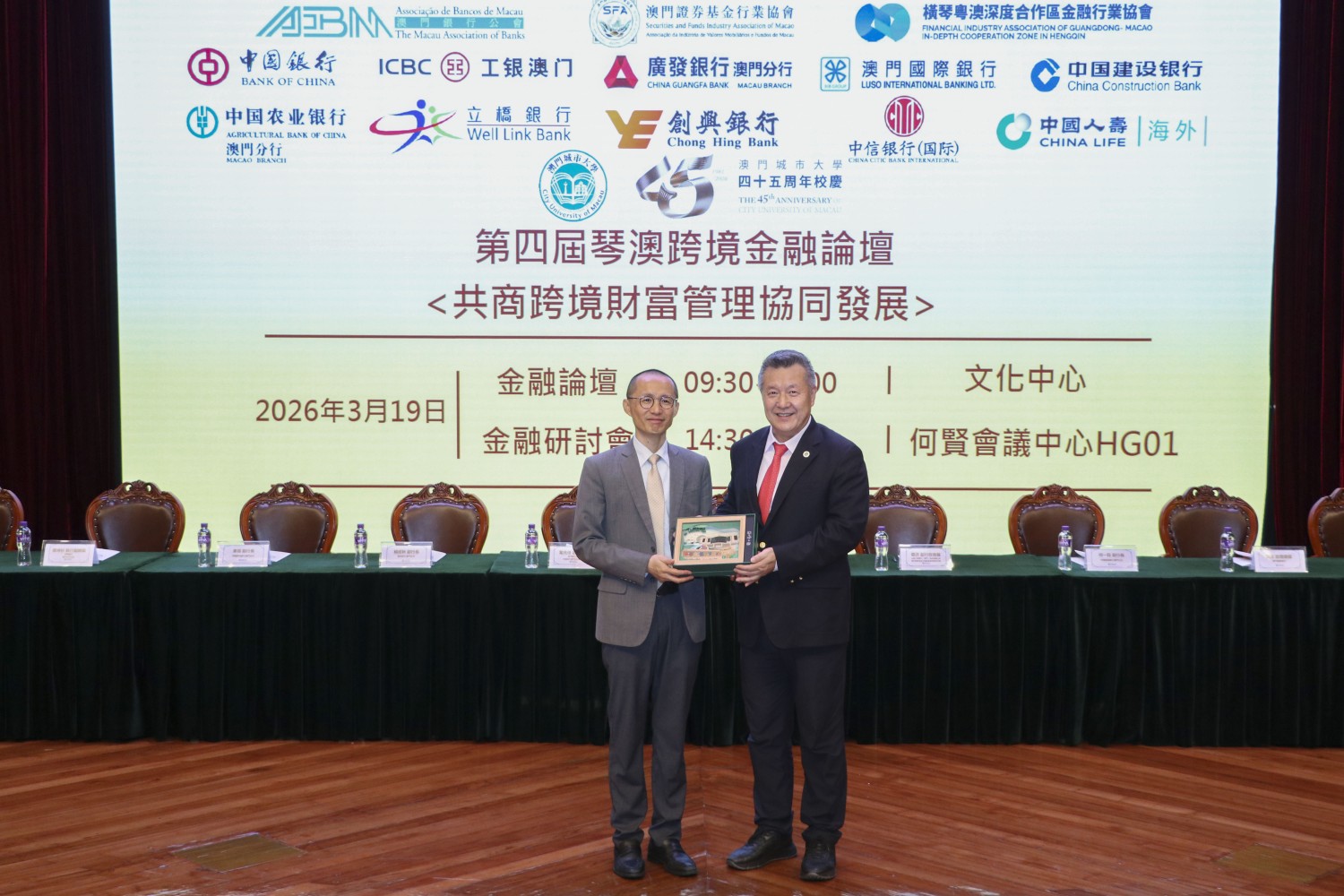
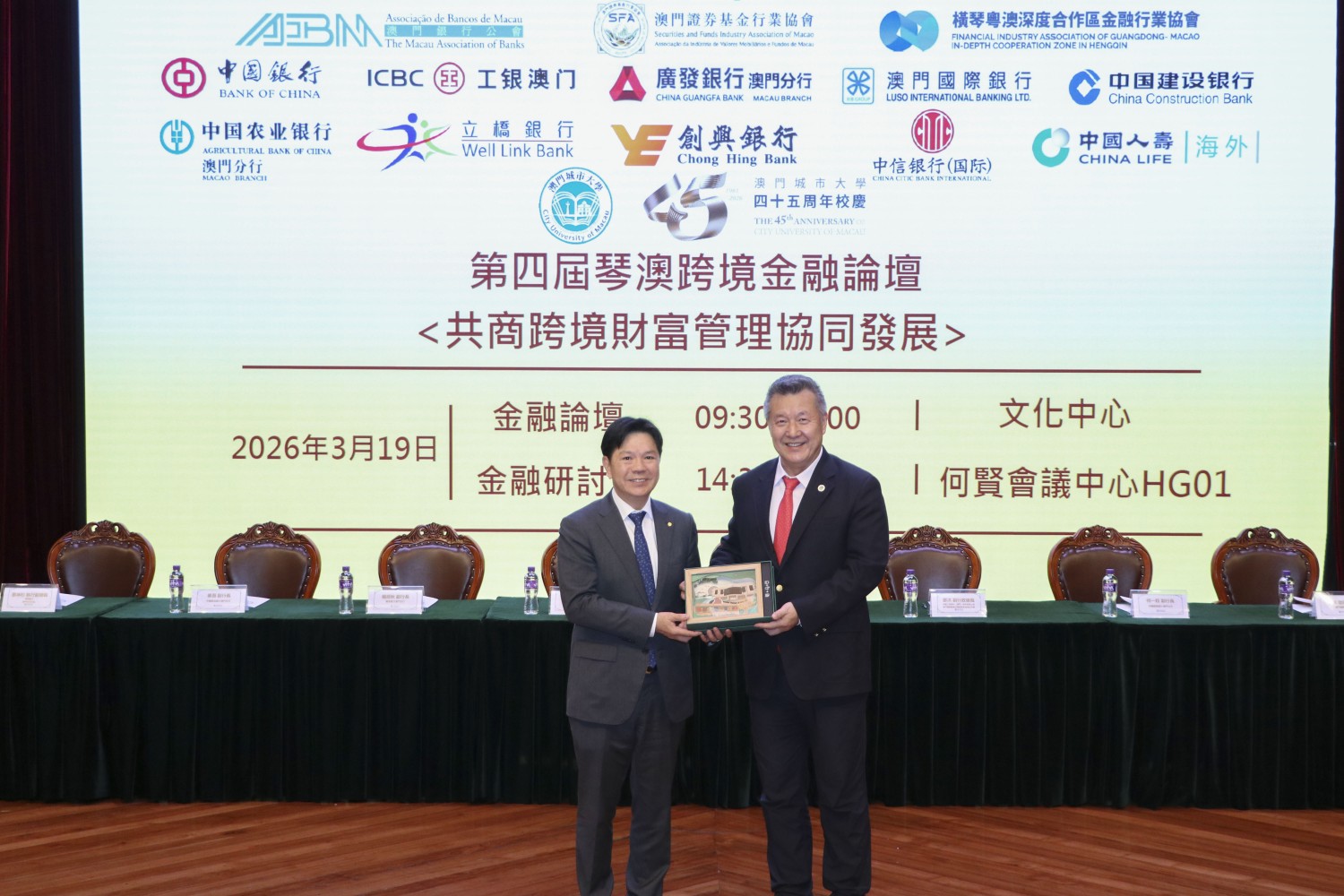
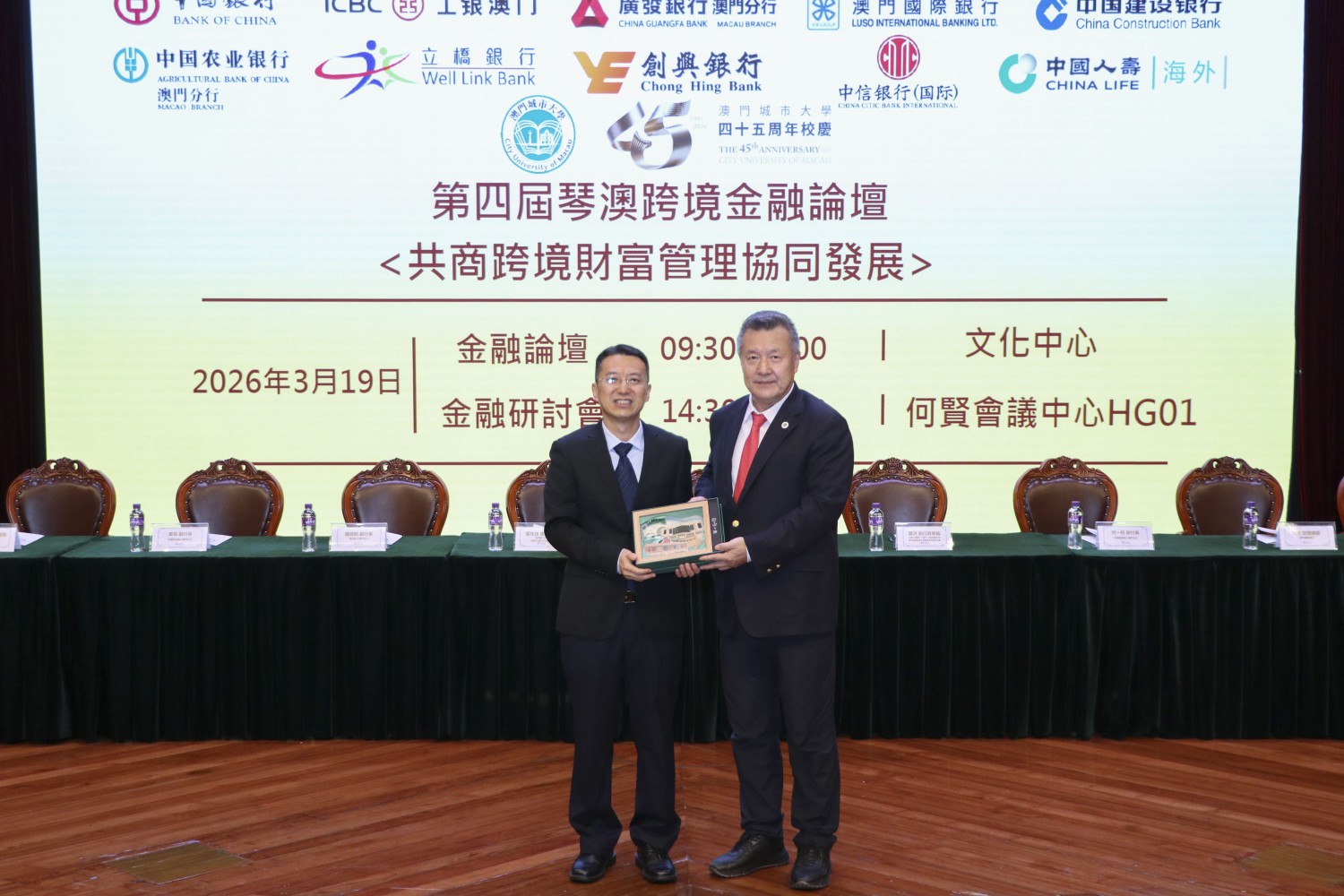
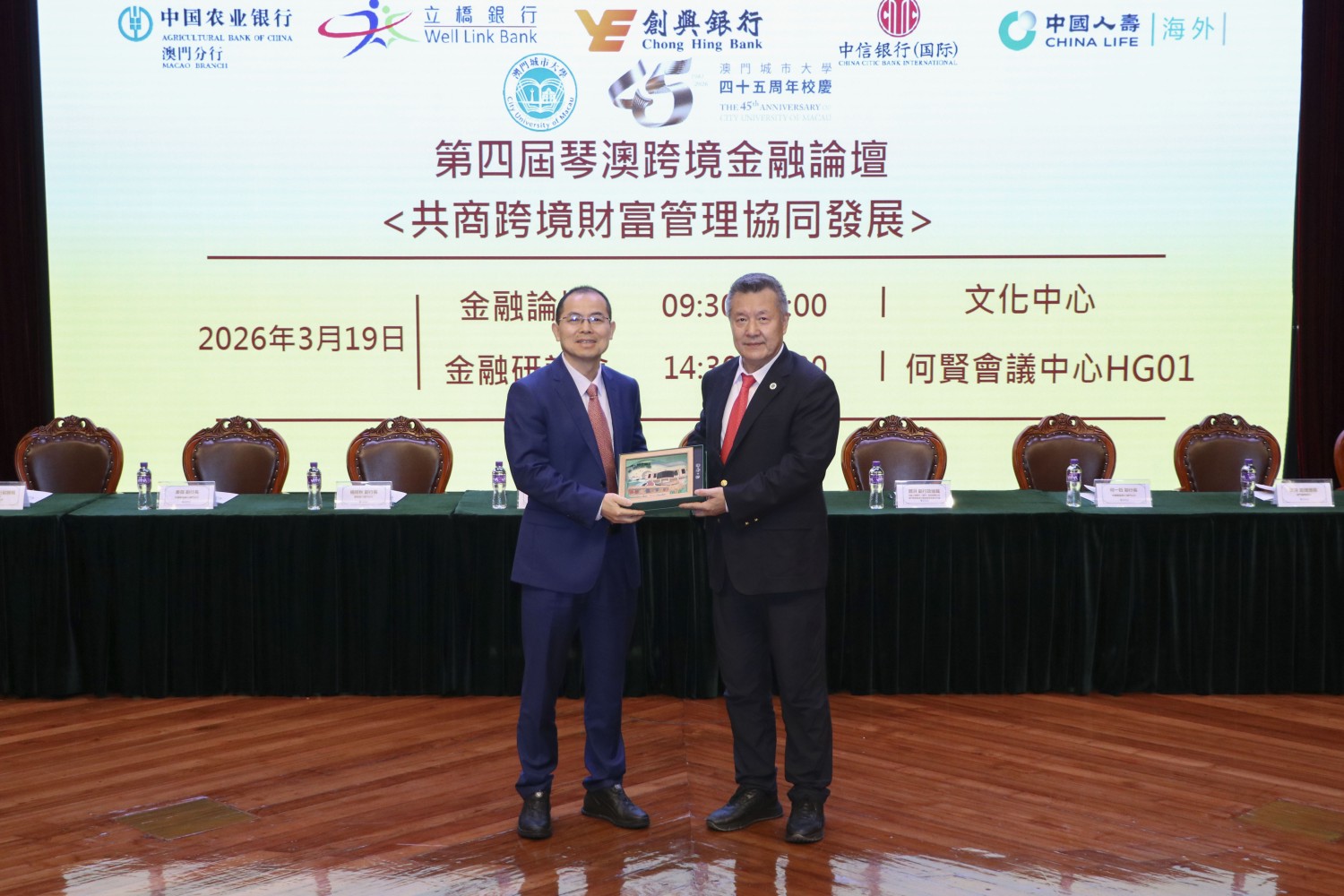
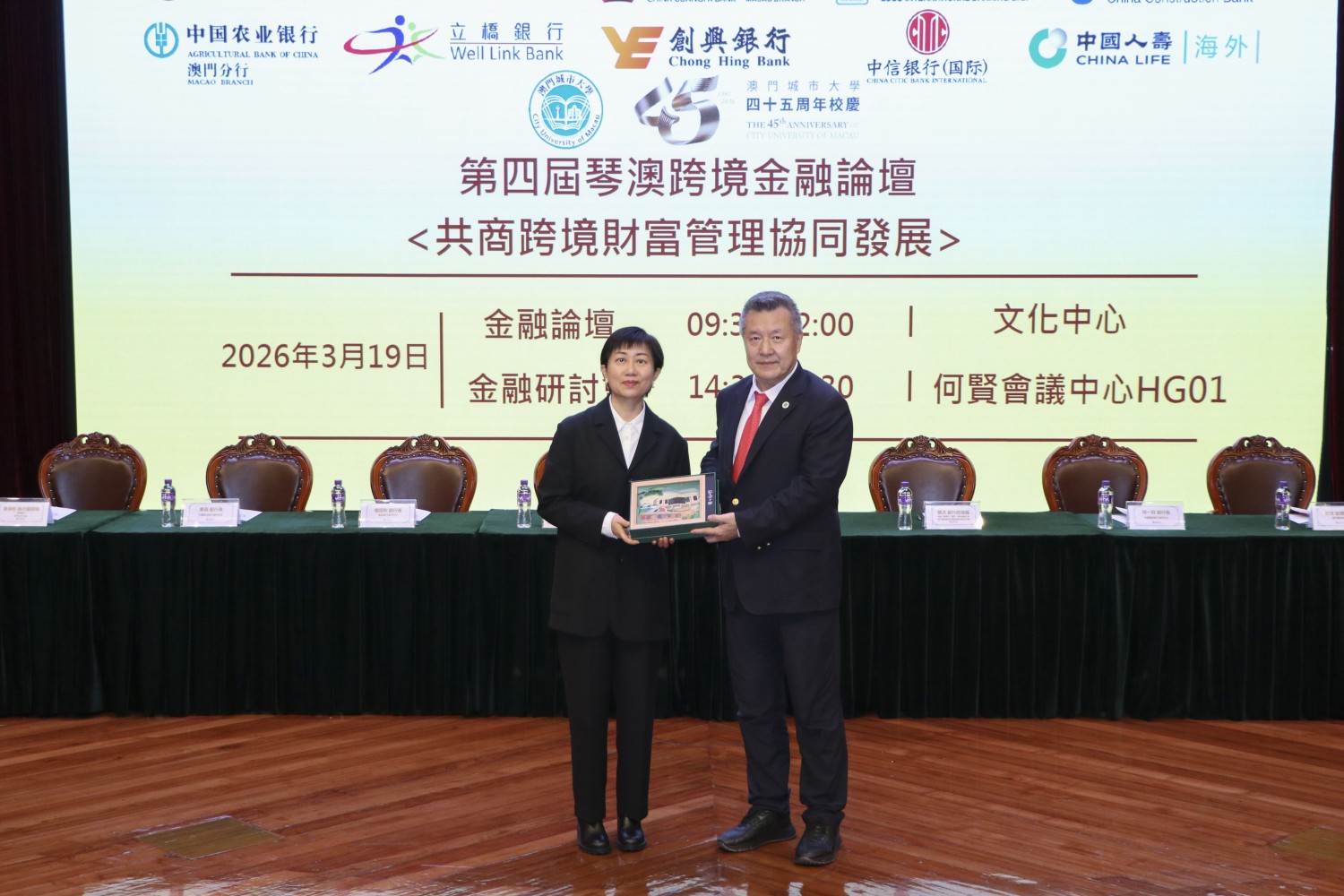
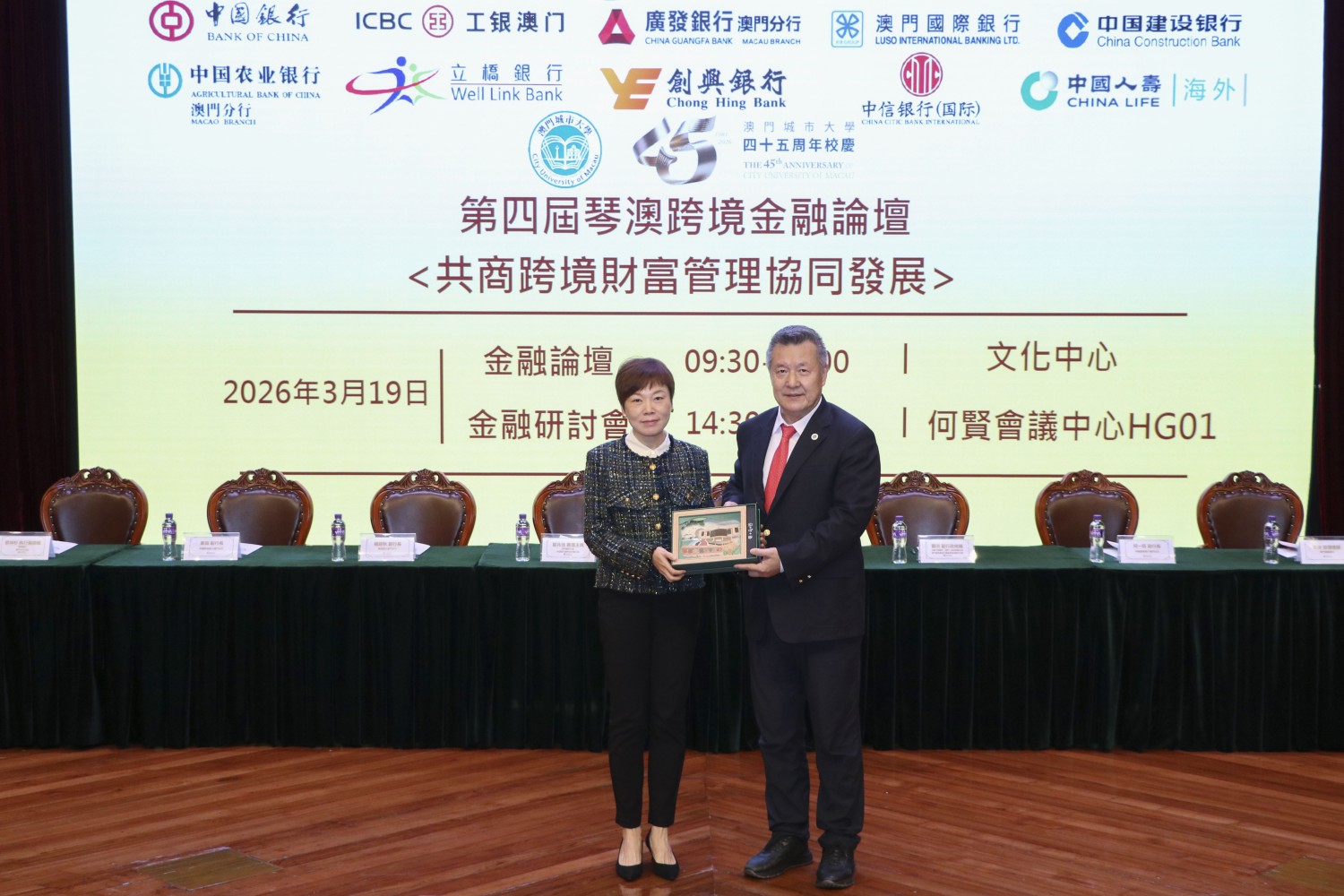
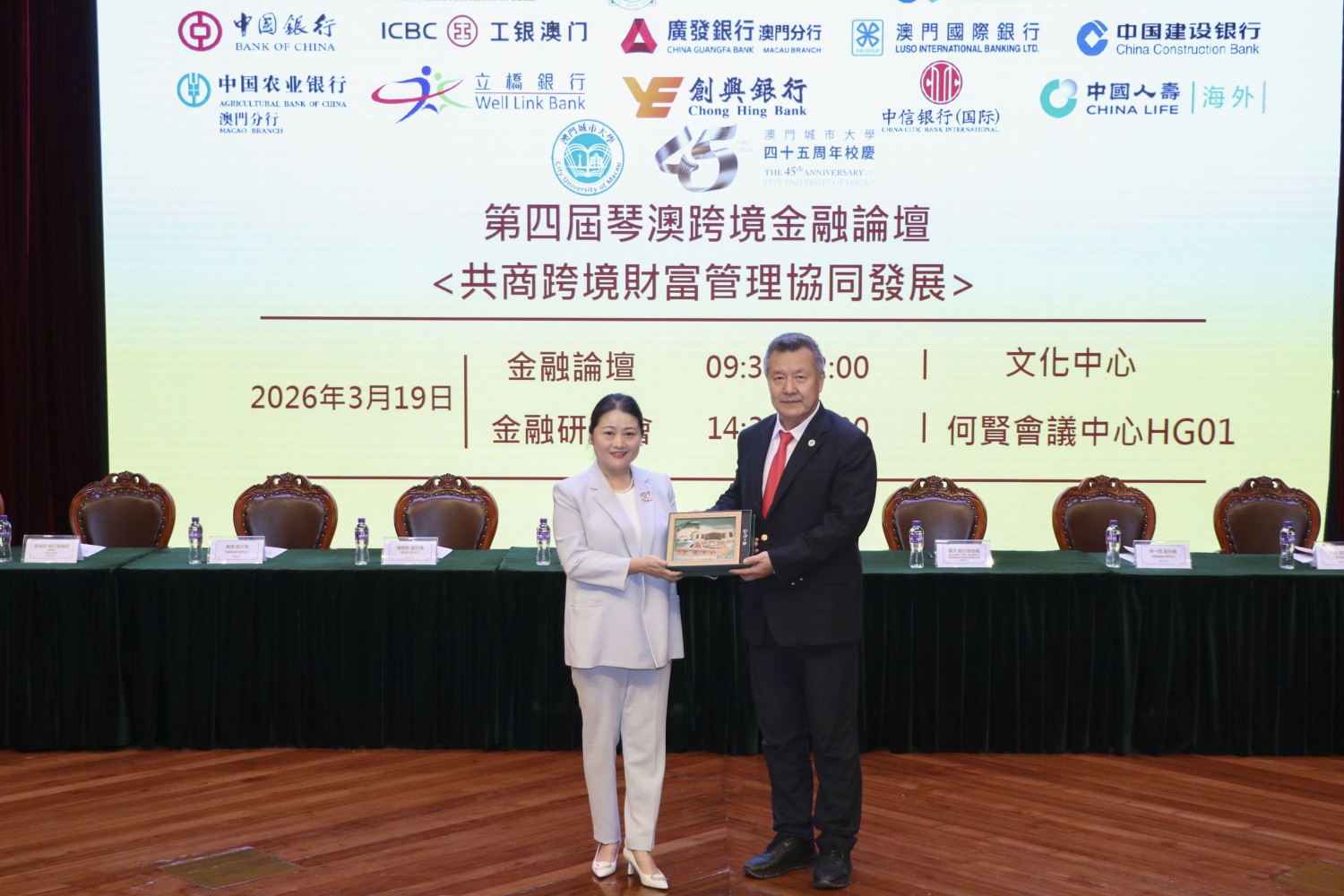
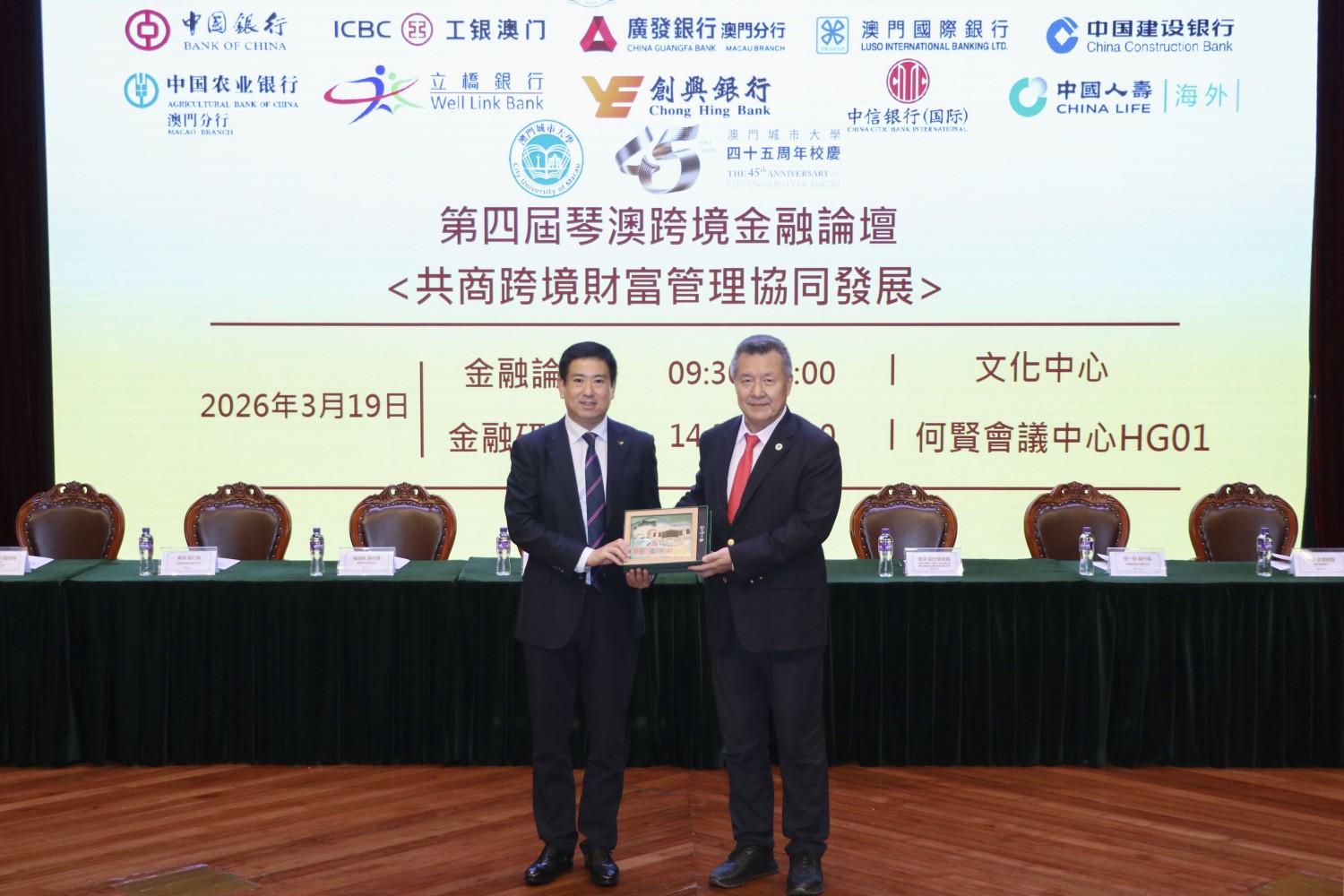
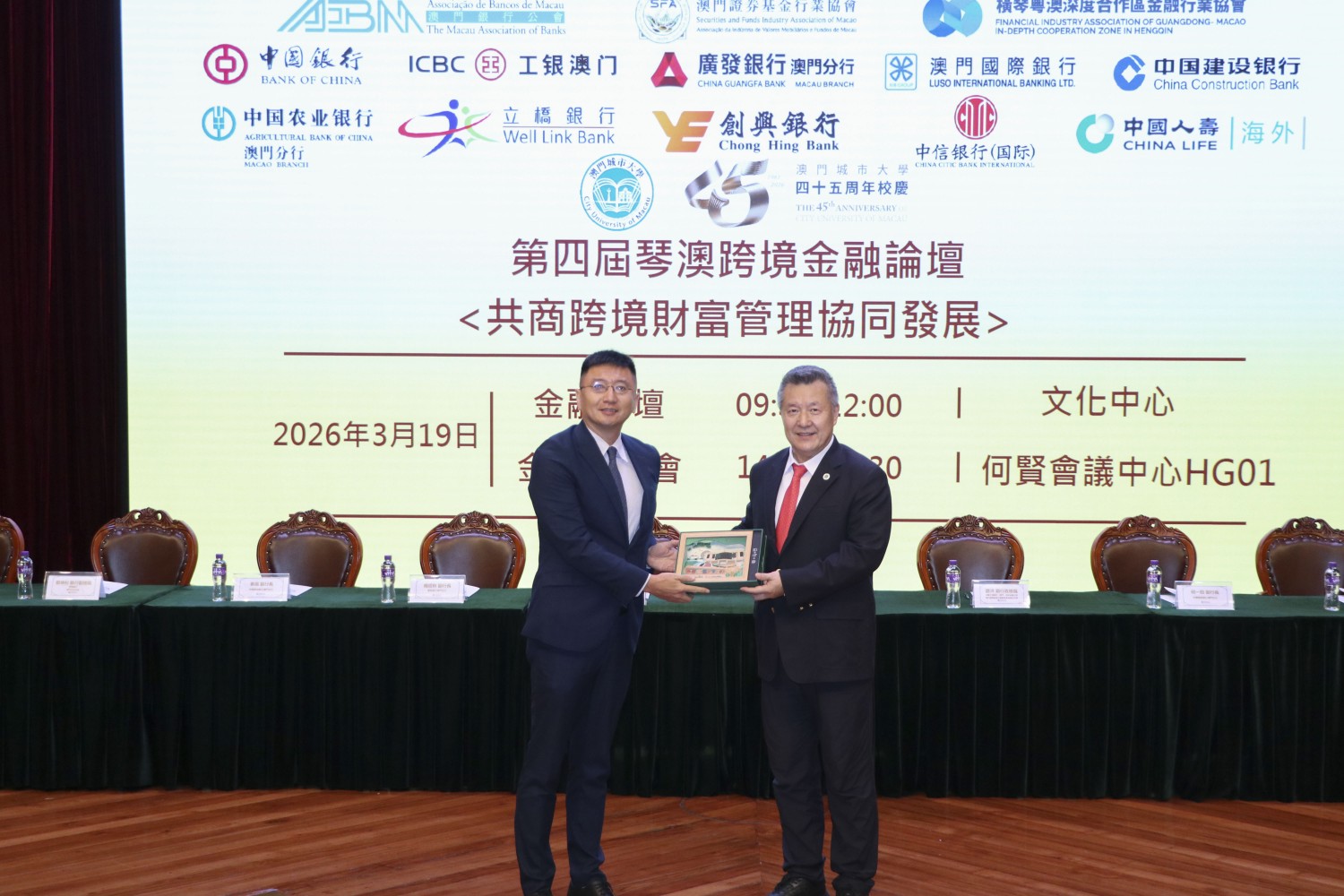
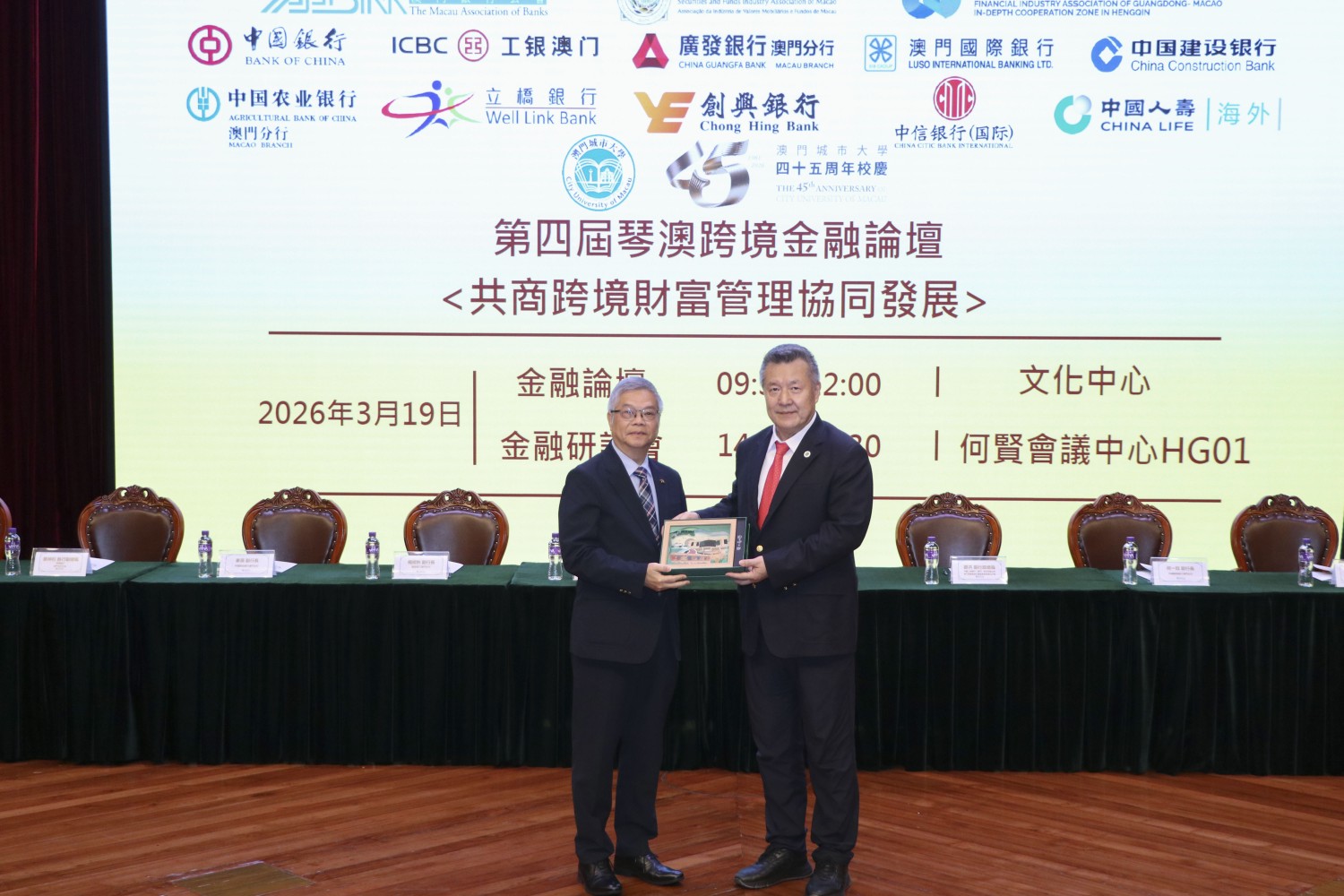
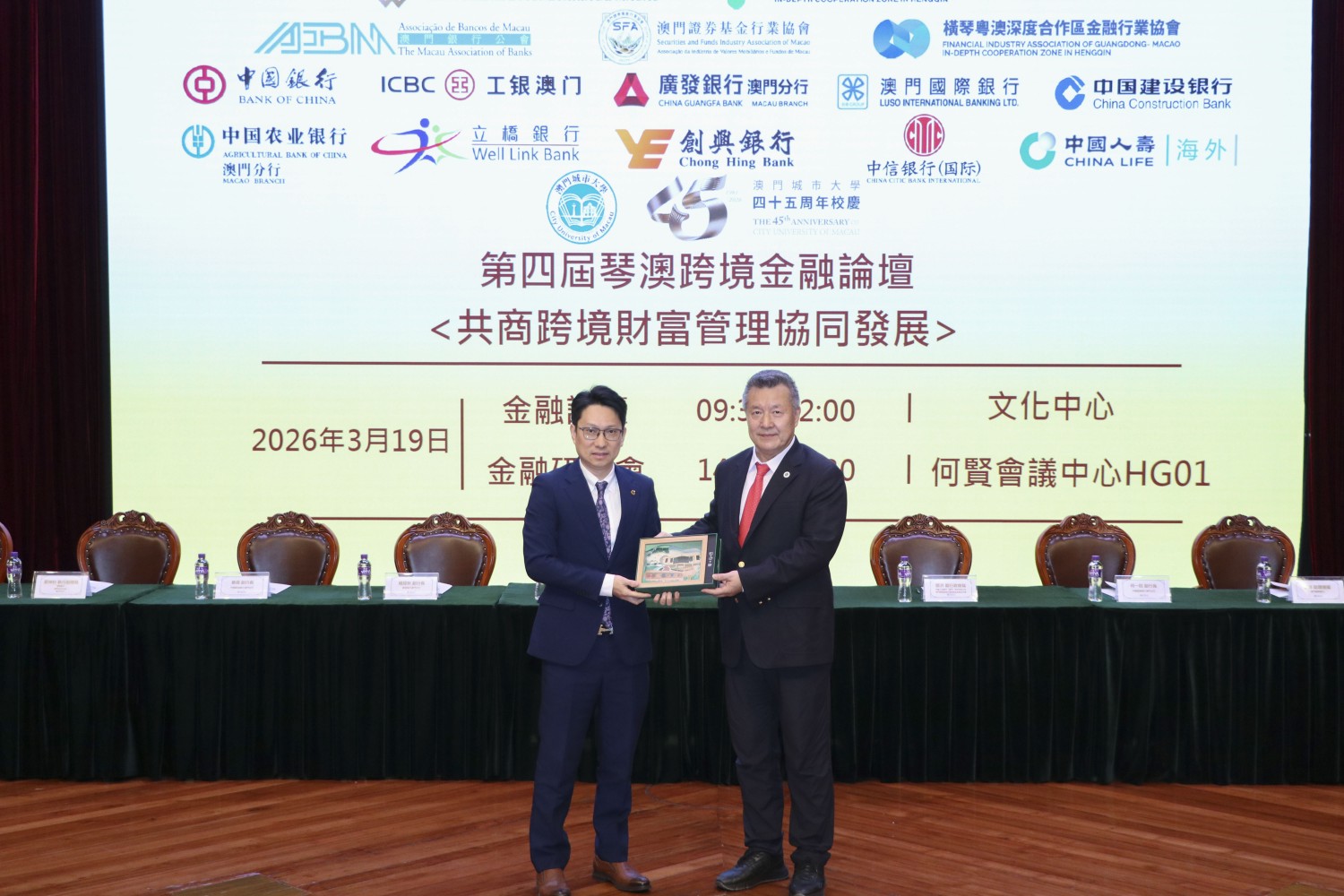
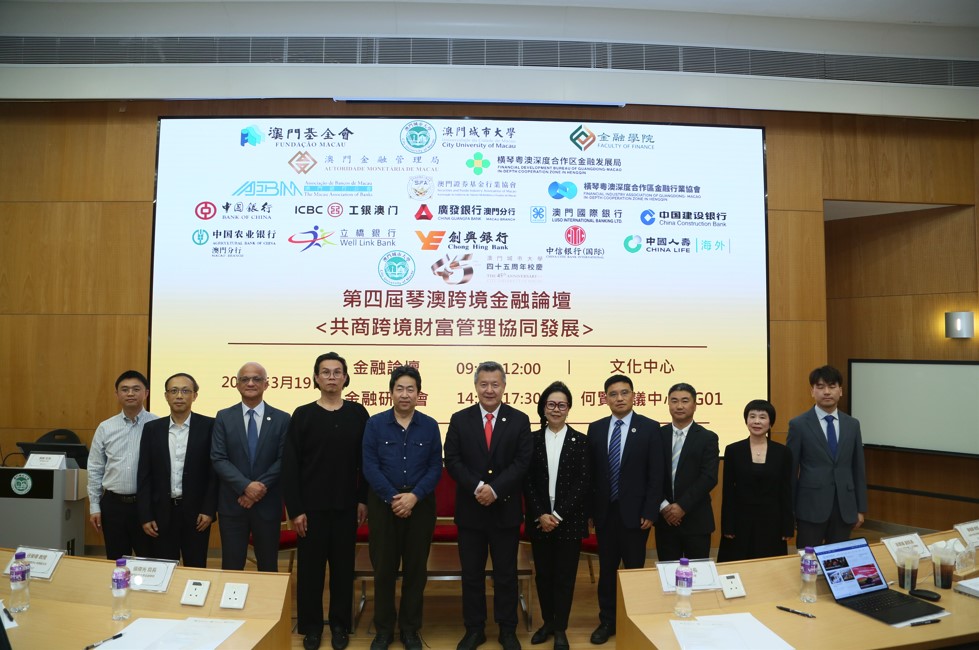
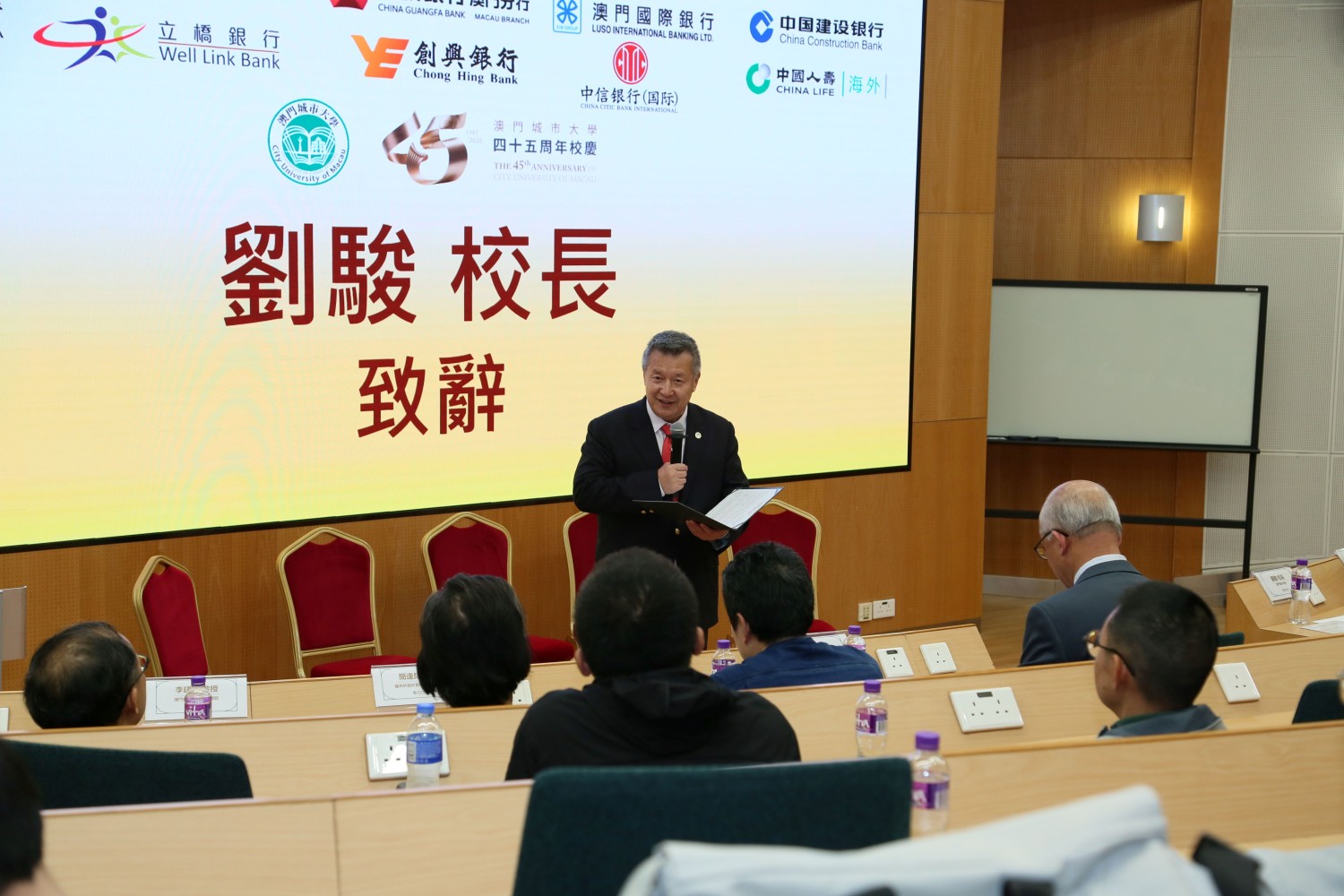
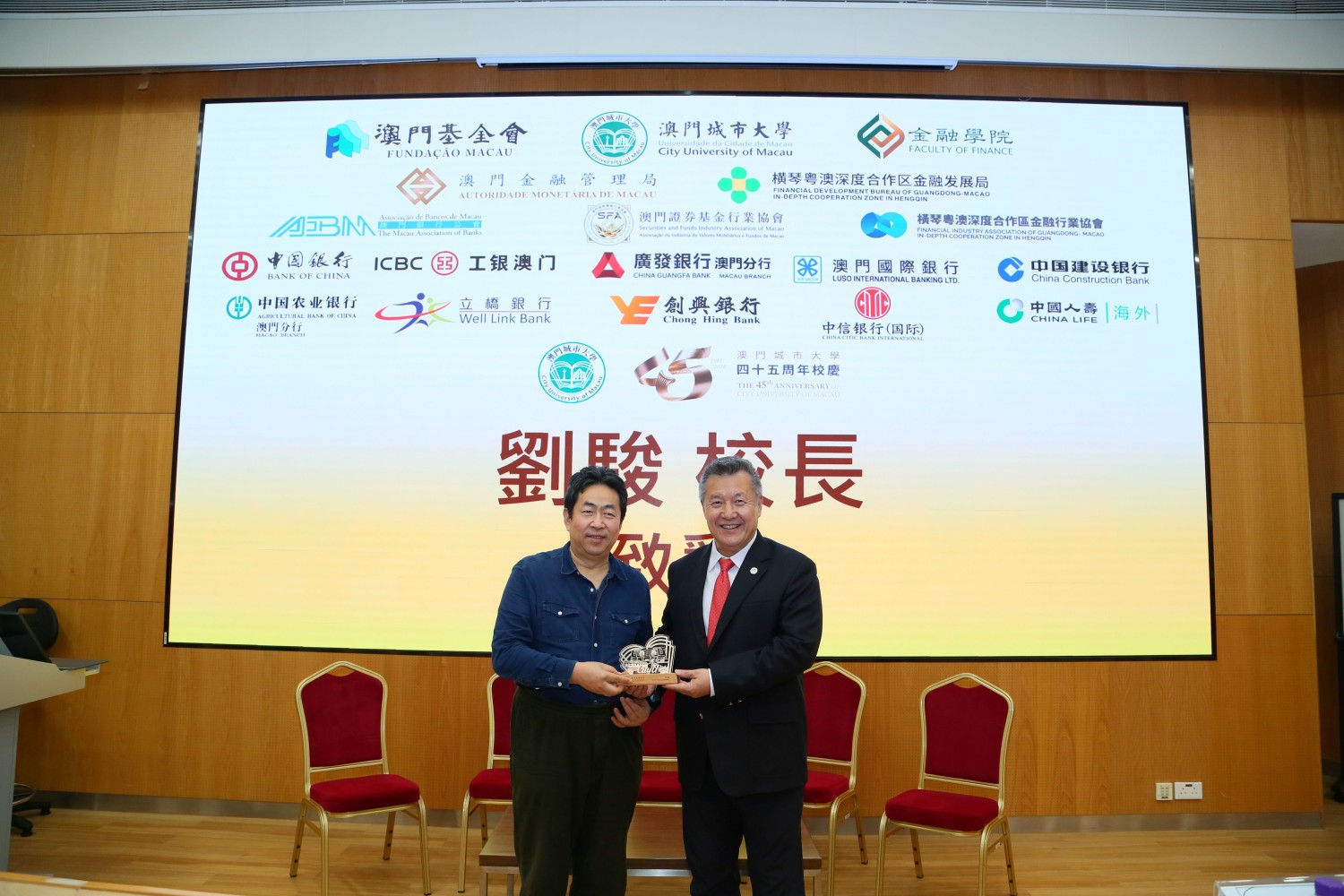
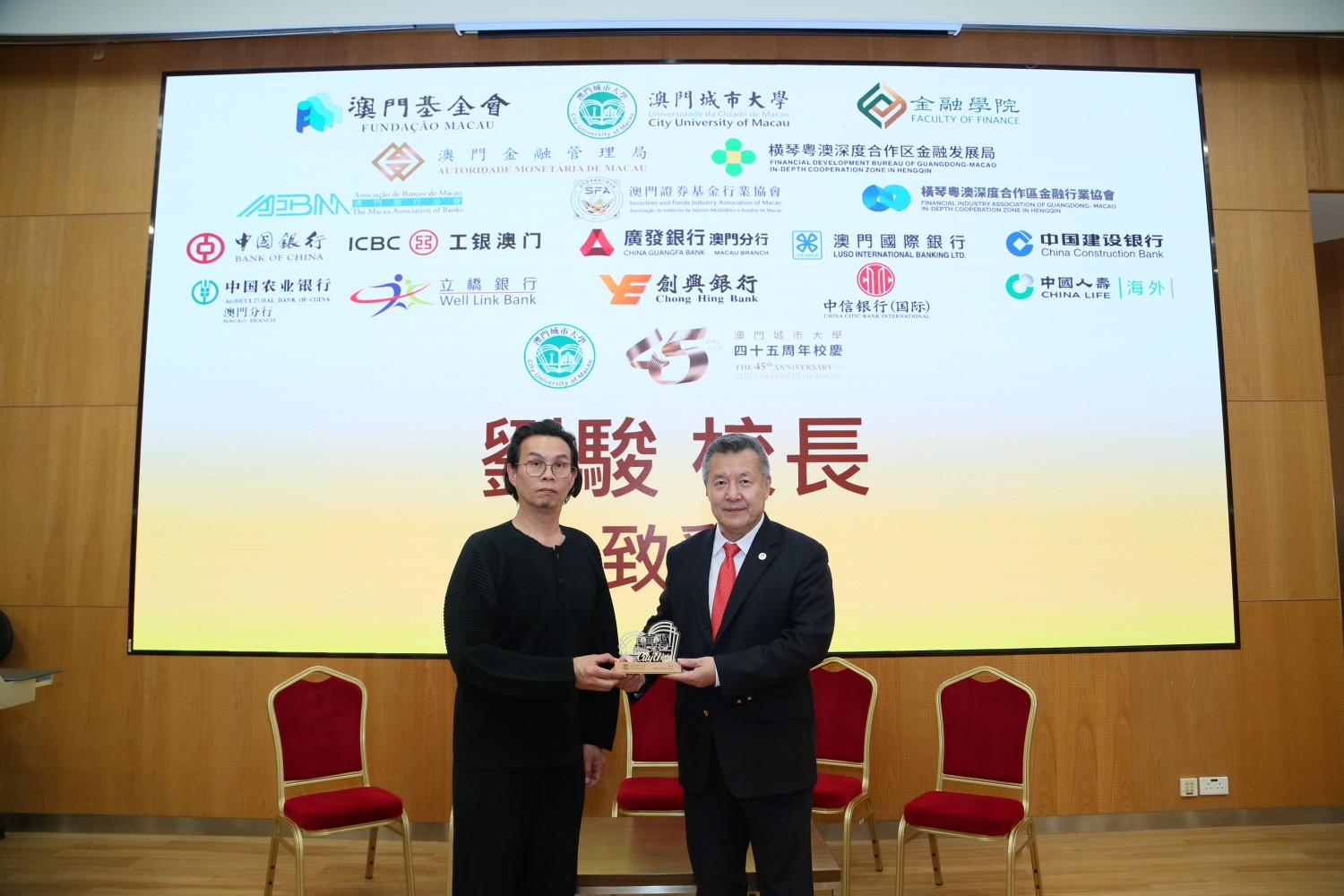
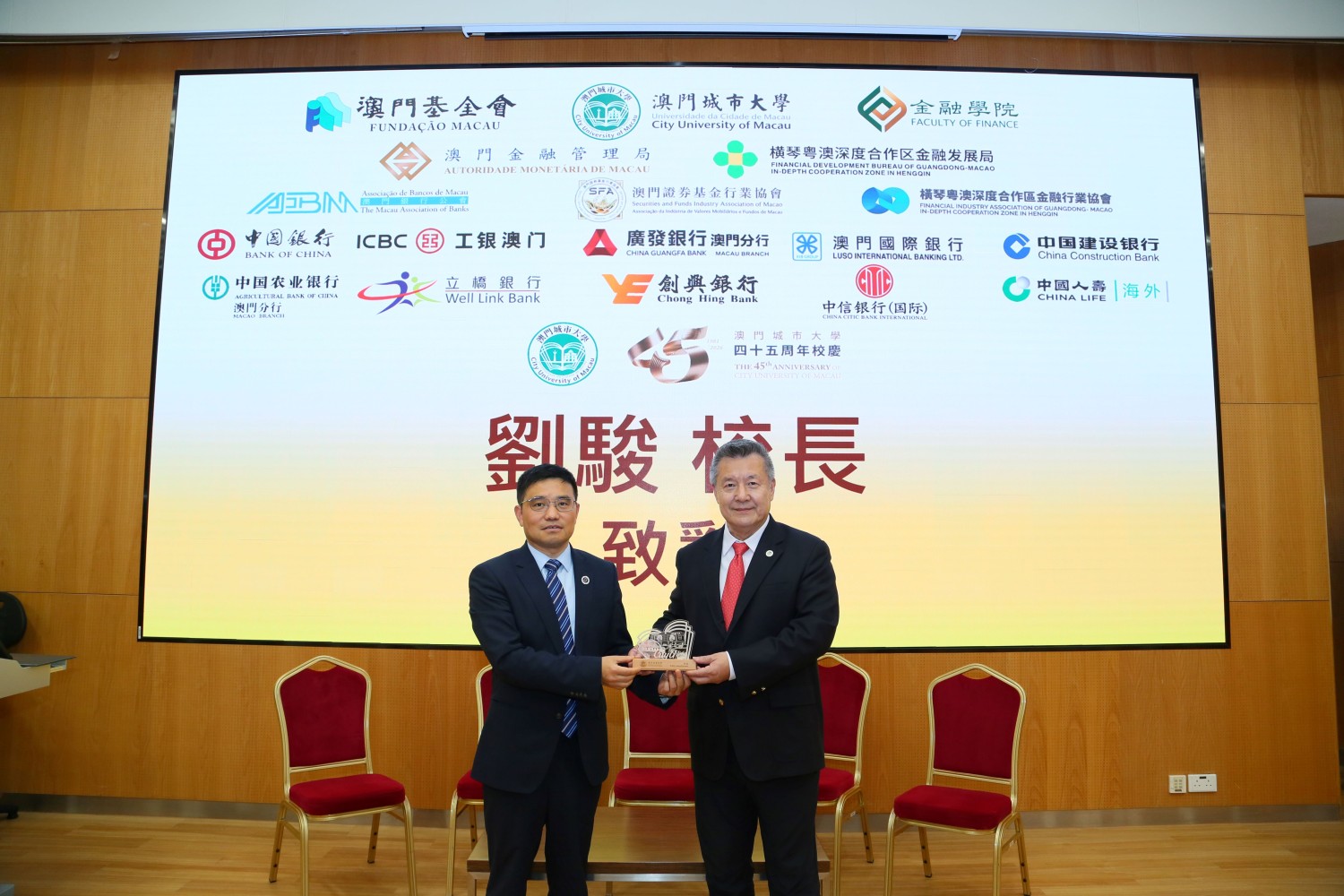
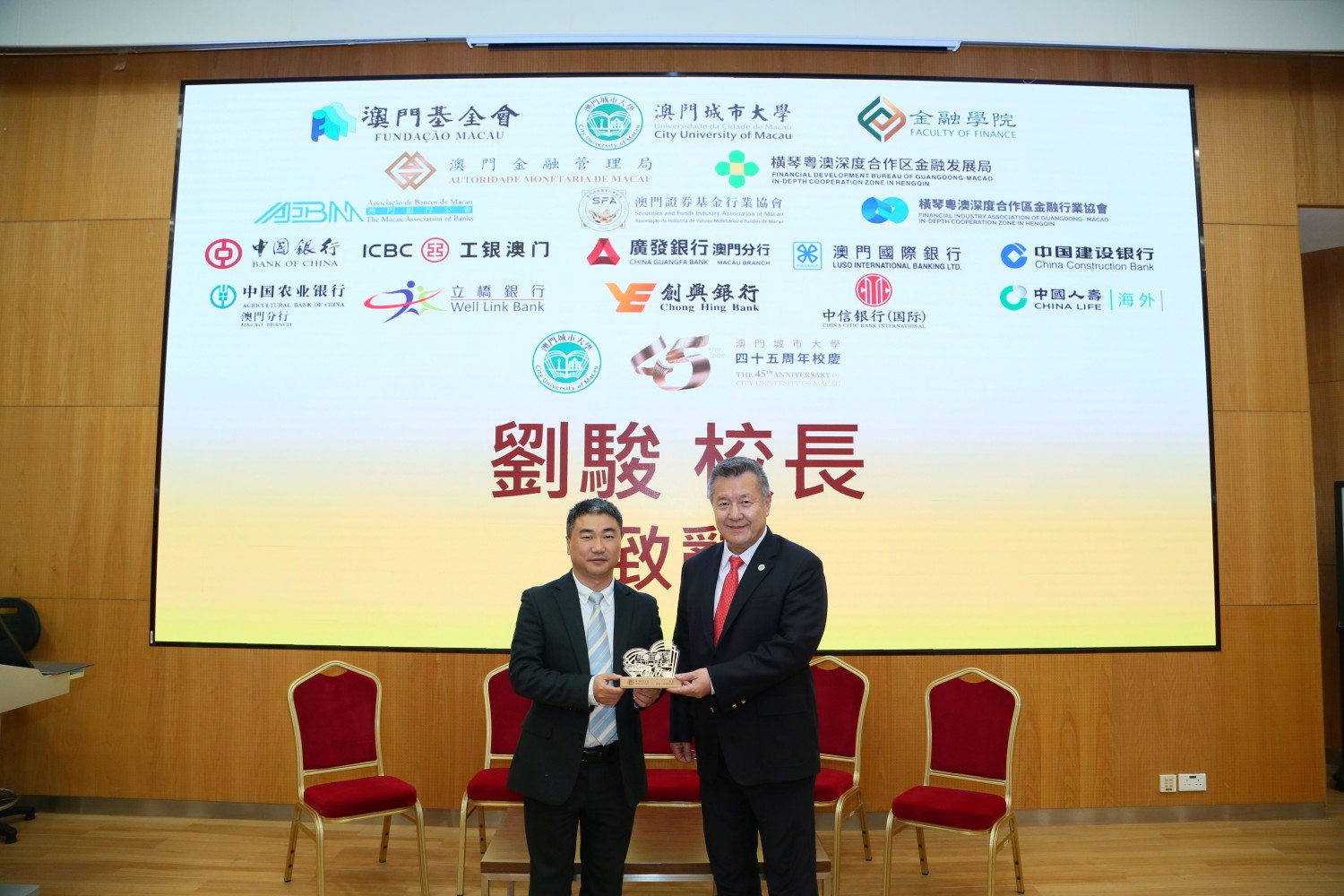
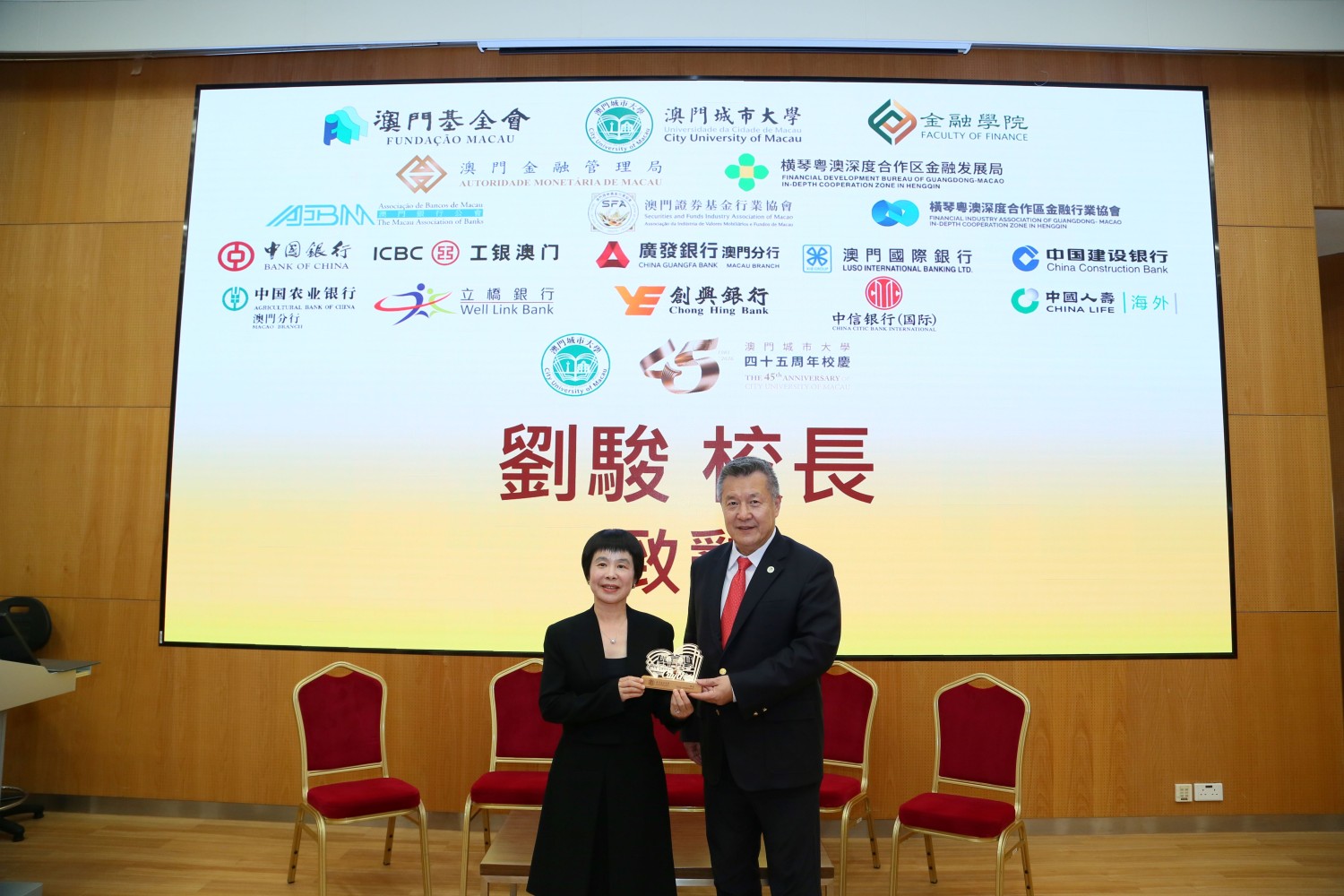
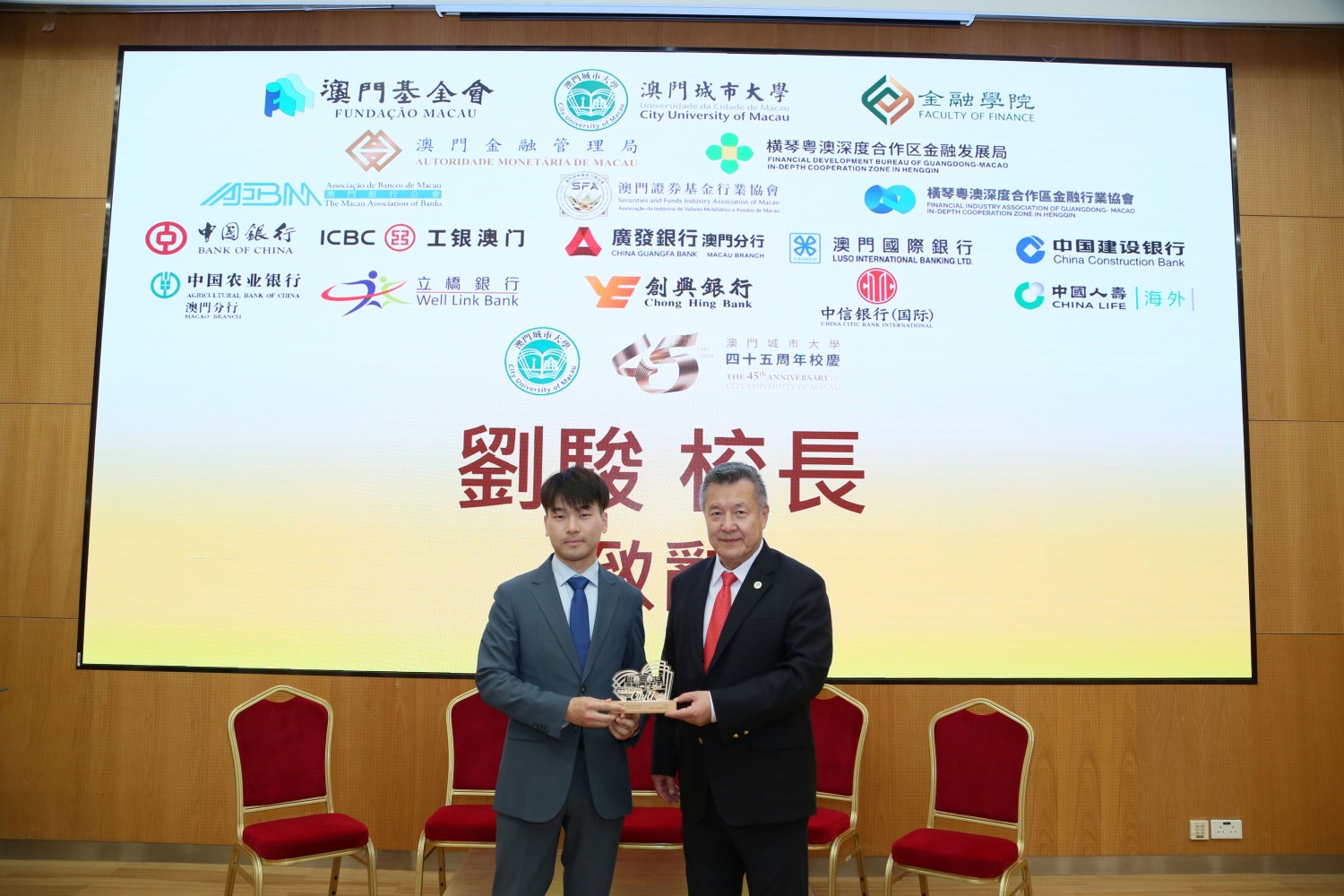
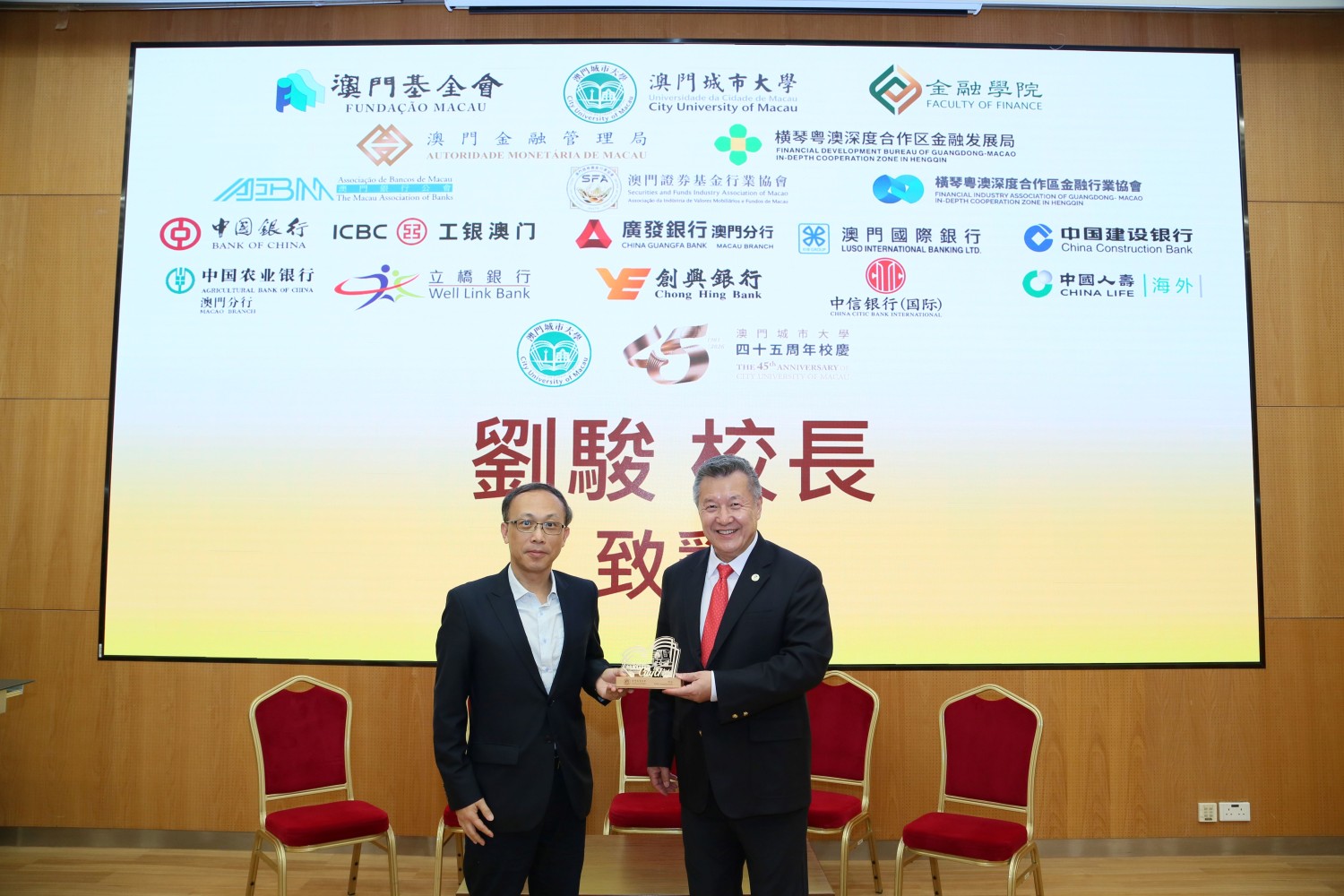
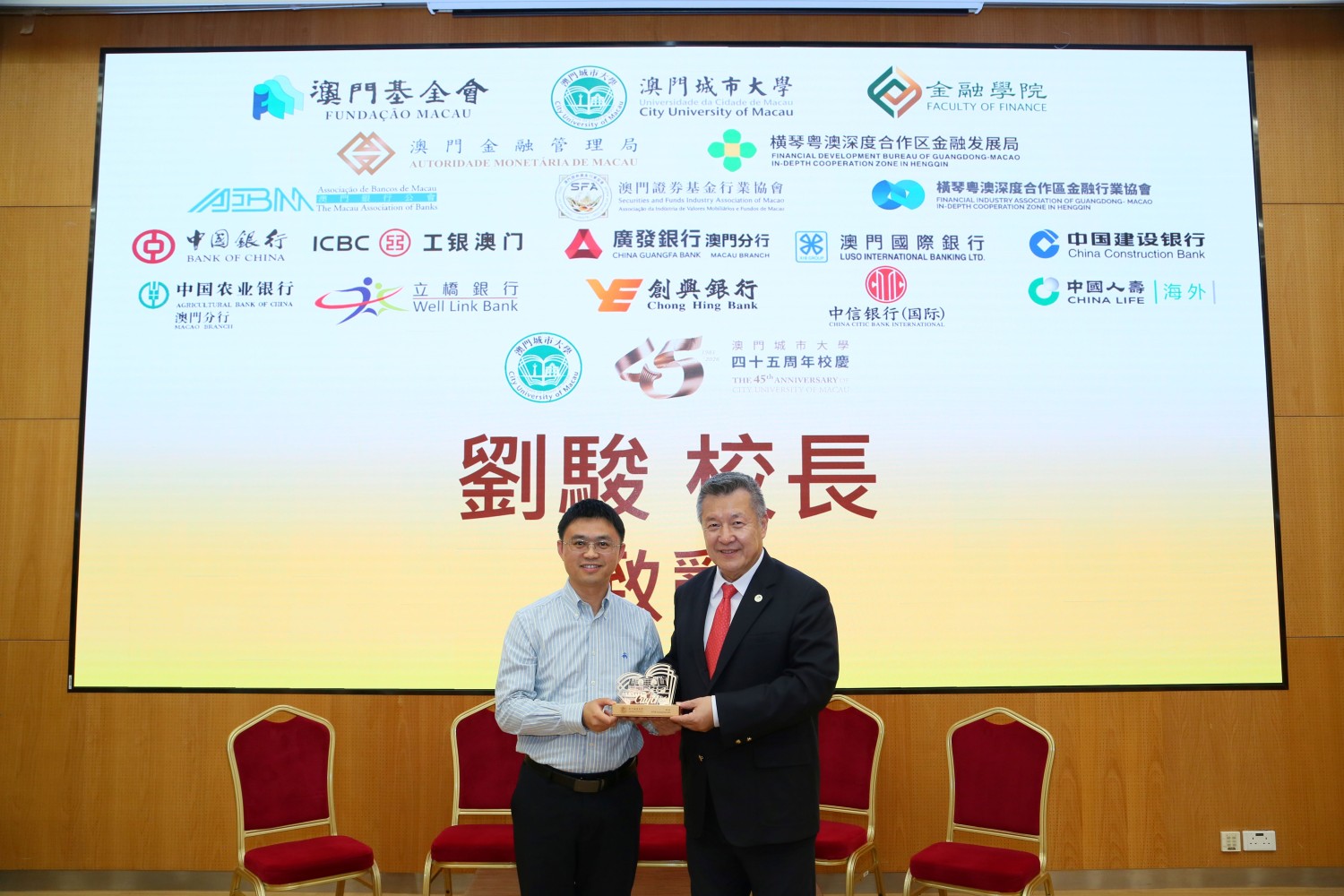
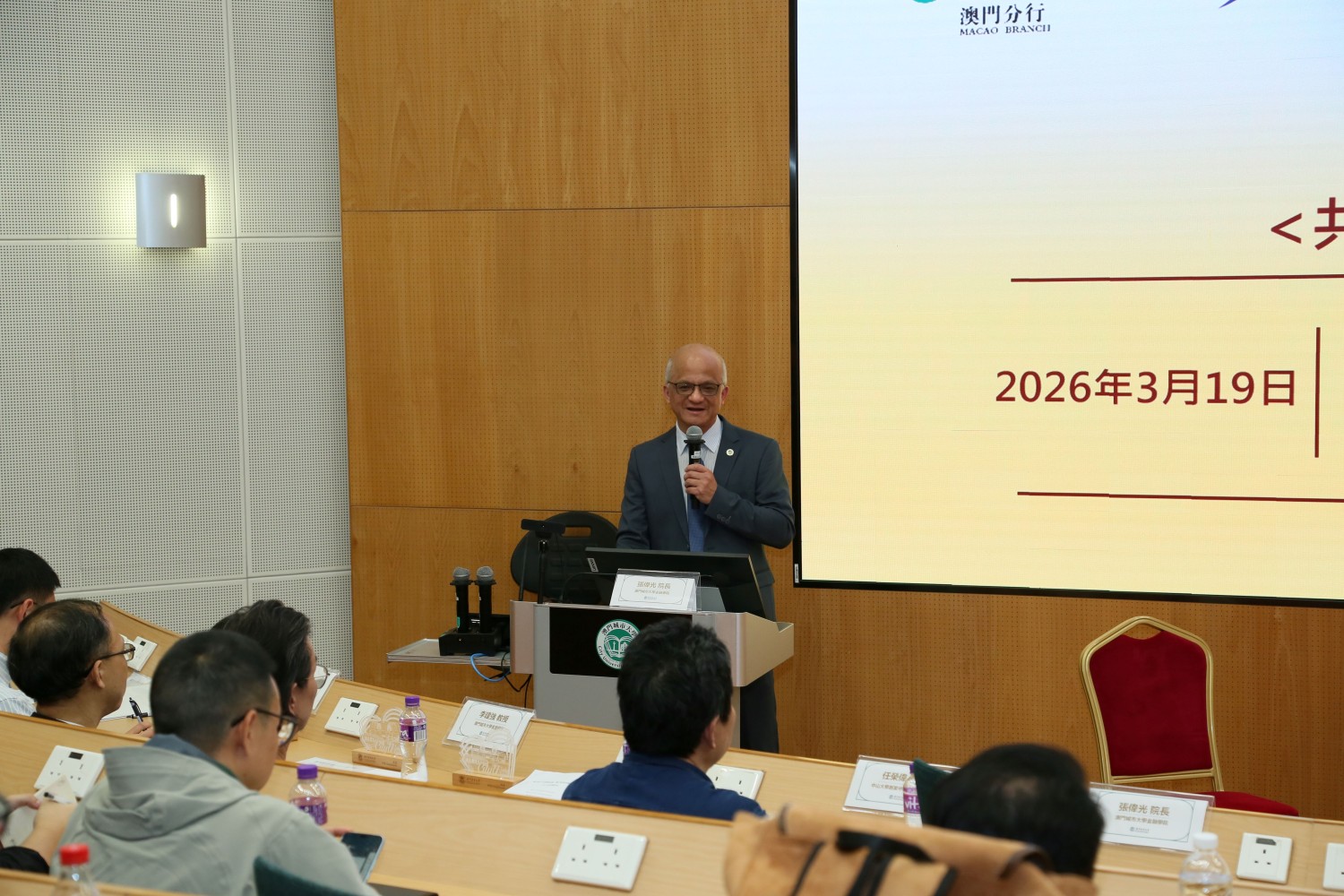
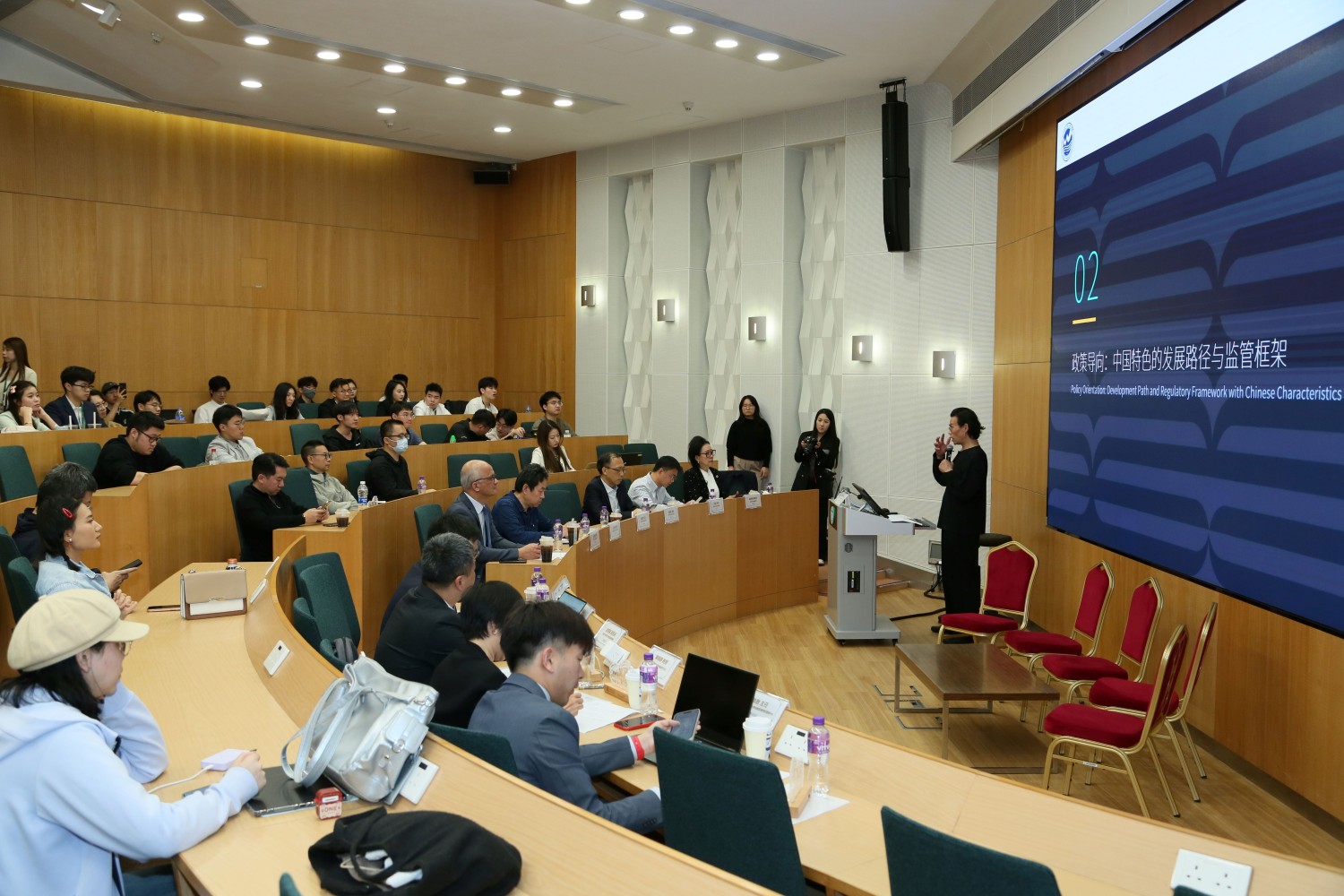
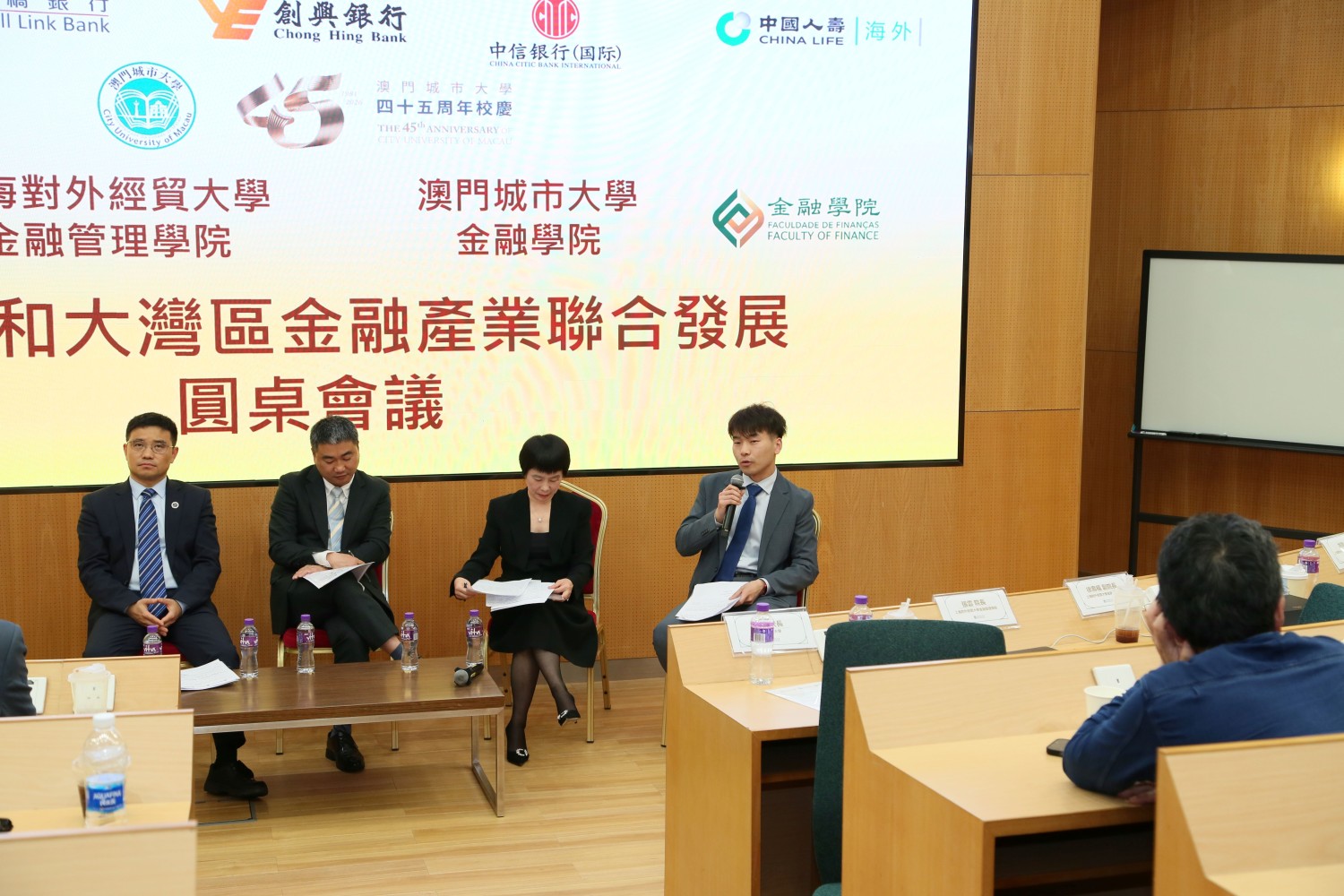
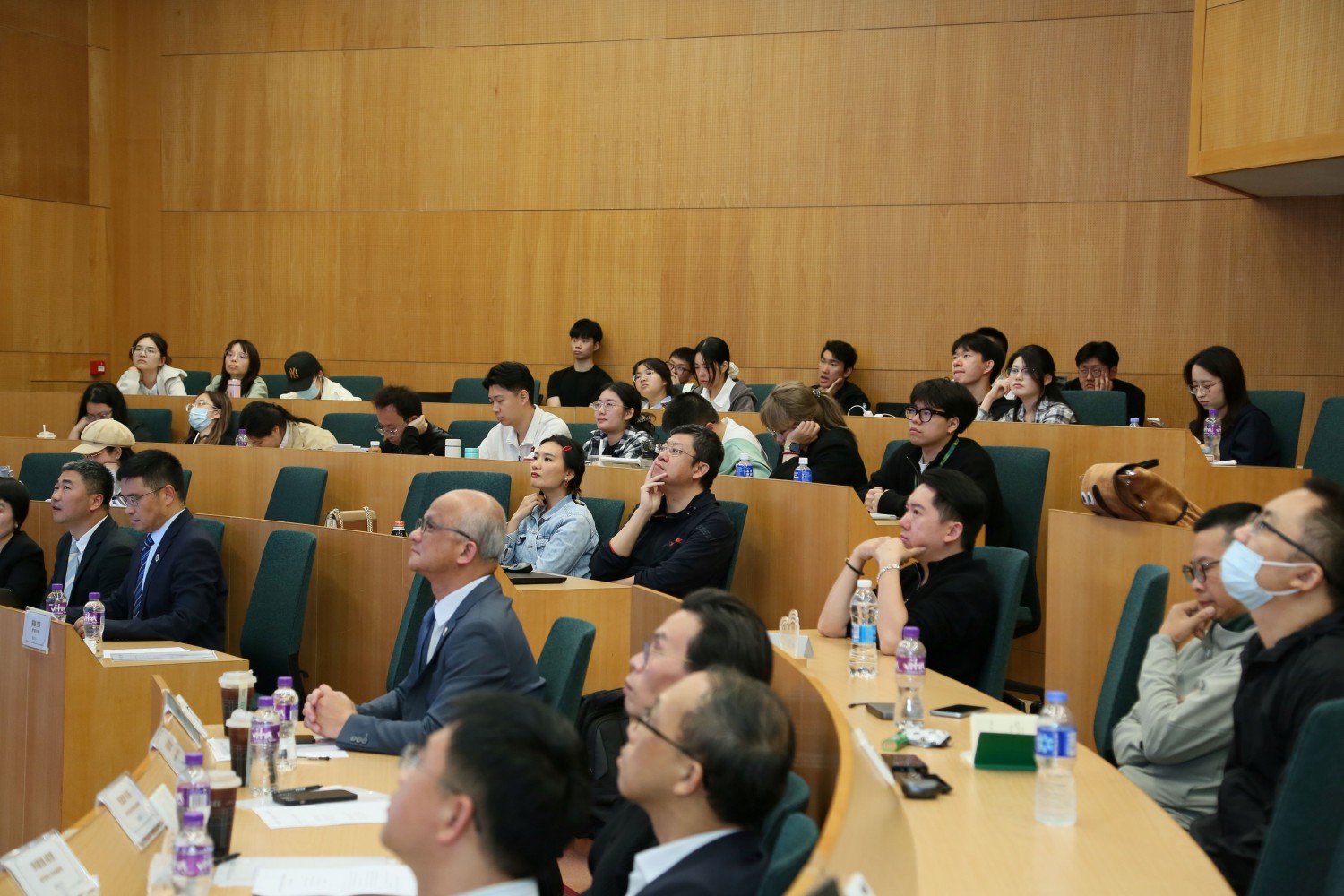
In celebration of the 45th anniversary of the City University of Macau (CityU), CityU held "The Fourth Hengqin-Macao Cross-Border Finance Forum" on March 19, 2026, at the Taipa Campus. Under the theme "Jointly Discussing the Coordinated Development of Cross-Border Wealth Management", the forum brought together industry representatives and experts from financial institutions and associations in Hengqin and Macao to discuss how cross-border wealth management between the two regions can achieve better future development. Professor Jun Liu, Rector of City University of Macau, Ms. Hang Kun Lau, Executive Director of the Administrative Committee of the Monetary Authority of Macao and Mr. Tenghui Chi, Director of the Financial Development Bureau of the Guangdong-Macao In-Depth Cooperation Zone in Hengqin, attended the event and delivered speeches.
The forum was organized by the Faculty of Finance of the City University of Macau and co-organized by the Monetary Authority of Macao, the Financial Development Bureau of the Guangdong-Macao In-Depth Cooperation Zone in Hengqin, the Macau Association of Banks, Industrial and Commercial Bank of China (Macau) Limited, Guangfa Bank Macau Branch, Agricultural Bank of China Macau Branch, China Construction Bank Macau Branch, Luso International Banking Limited, Chong Hing Bank Macau Branch, China CITIC Bank International Limited, Well Link Bank and China Life Insurance (Overseas) Company. Ltd. Macau Branch. Professor Kuai Peng Ip, Vice Rector of City University of Macau, Professor Adrian Cheung, Dean of Faculty of Finance, Associate Professor Eva Khong, Associate Dean of Faculty of Finance, along with industry representatives, faculty, and students, attended the event.
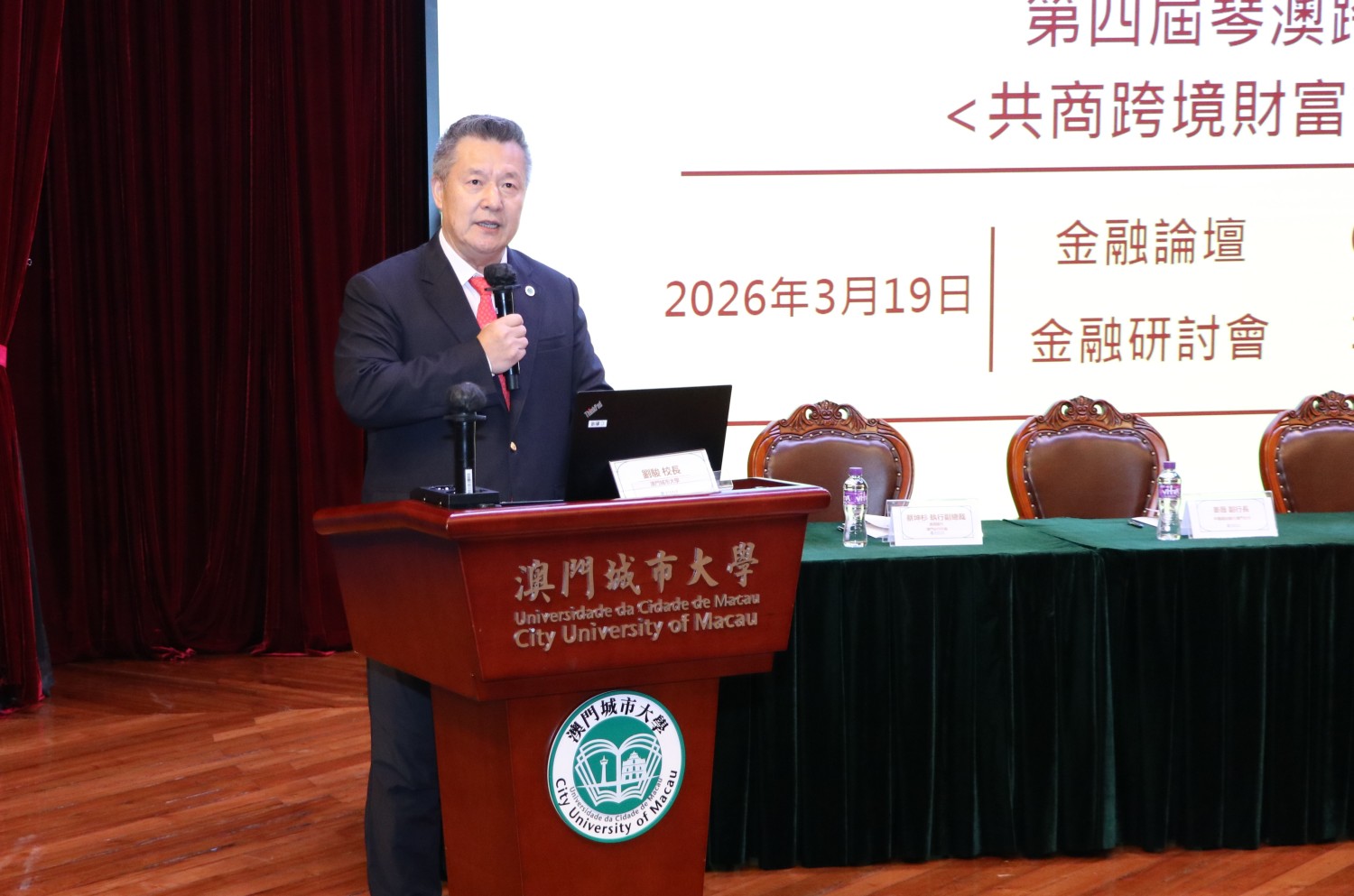
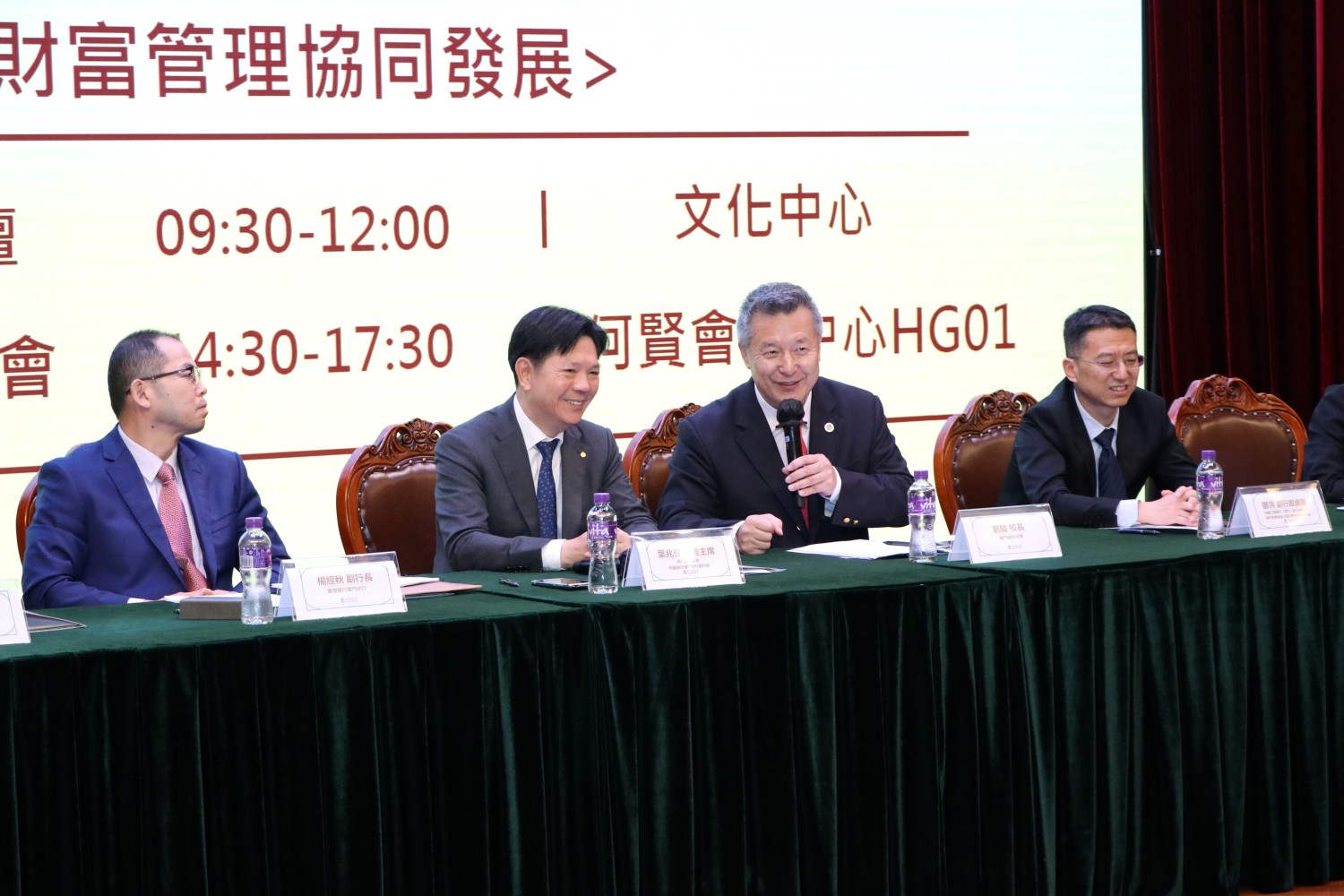
Rector Liu extended a warm welcome and expressed gratitude to the attending guests. He noted that with the accelerated development of the Guangdong-Macao In-depth Cooperation Zone in Hengqin, cross-border finance is facing historic opportunities. Wealth management, as a strategically significant segment, is not only crucial for the security and appreciation of individual and family assets but also relates to the high-quality development of the regional economy and long-term social prosperity. Macao, as an international financial platform, and Hengqin, as a demonstration zone for institutional innovation, could leverage wealth management as a focal point to deepen the integrated development of cross-border finance.
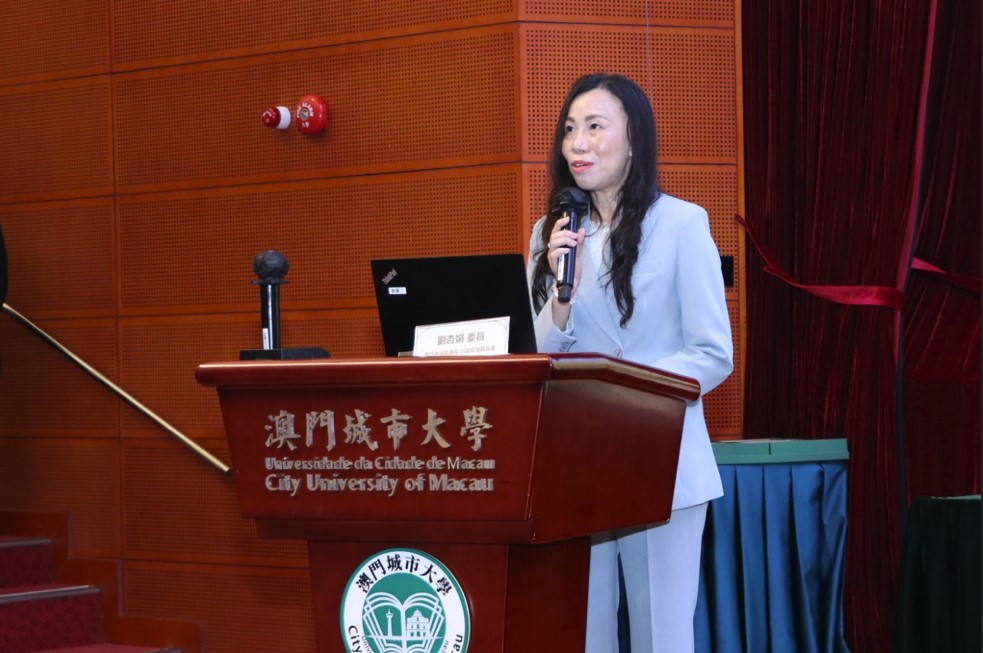
Ms. Lau stated that the Macao SAR government will continue to optimize financial regulatory rules, improve the supporting environment of the financial market, and strengthen financial technology innovation to enhance the diversified development of Macao's financial industry. She emphasized that Macao needs to deepen cooperation with Hengqin, attract mainland asset management institutions, and promote the interconnection of financial markets, thereby contributing to the moderately diversified and high-quality development of Macao's economy.
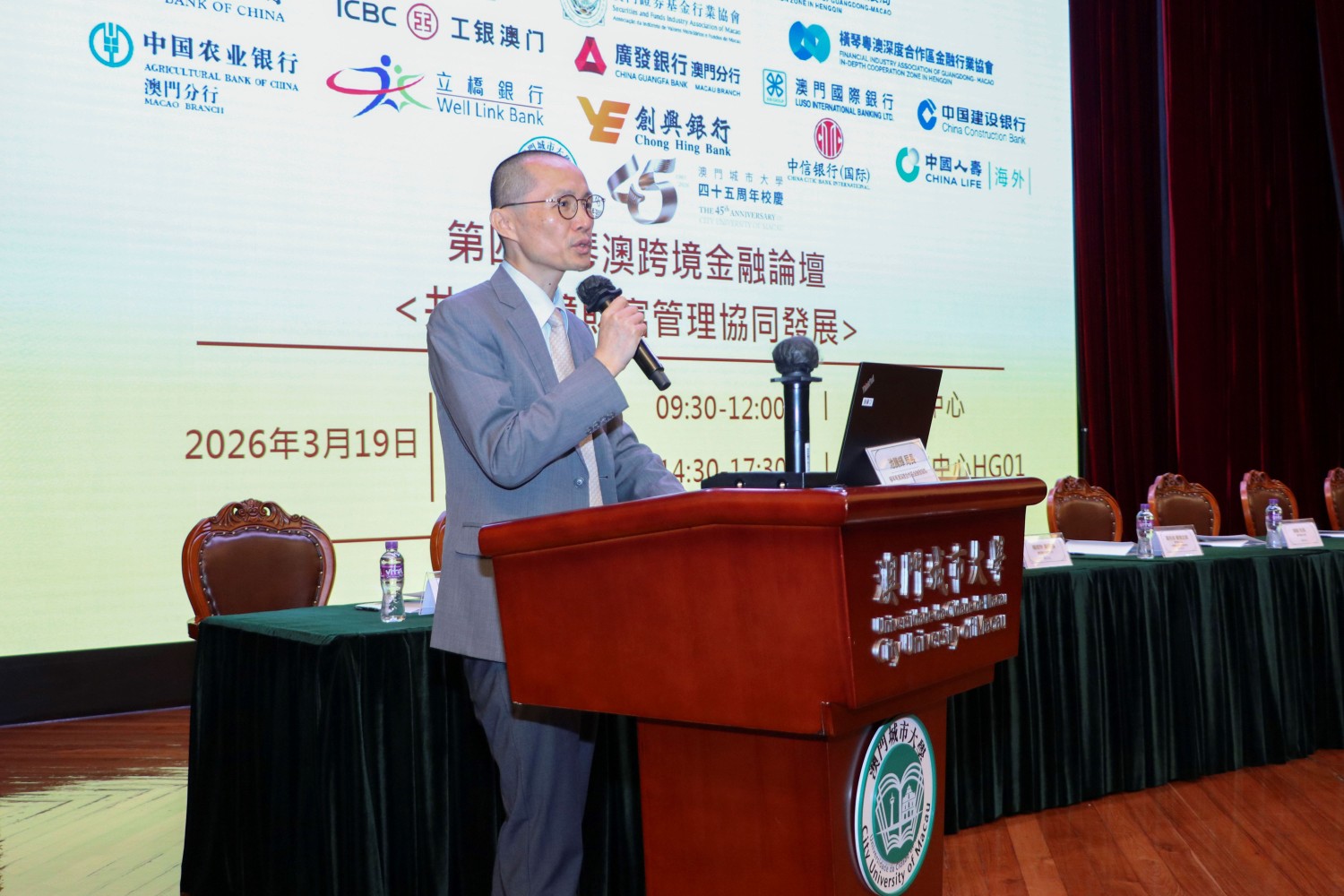
Mr. Chi pointed out that the financial industry, as a pillar industry in Hengqin, makes a considerable contribution to local tax revenue. The Cooperation Zone supports Hengqin's private fund managers in operating in Macao, promotes the establishment of a whitelist mechanism, recommends leading institutions to the Monetary Authority of Macao, and provides internship positions for Macao residents. He looks forward to the two regions exploring more cross-border financial innovation businesses together, jointly creating a new highland for cross-border wealth management with international competitiveness.
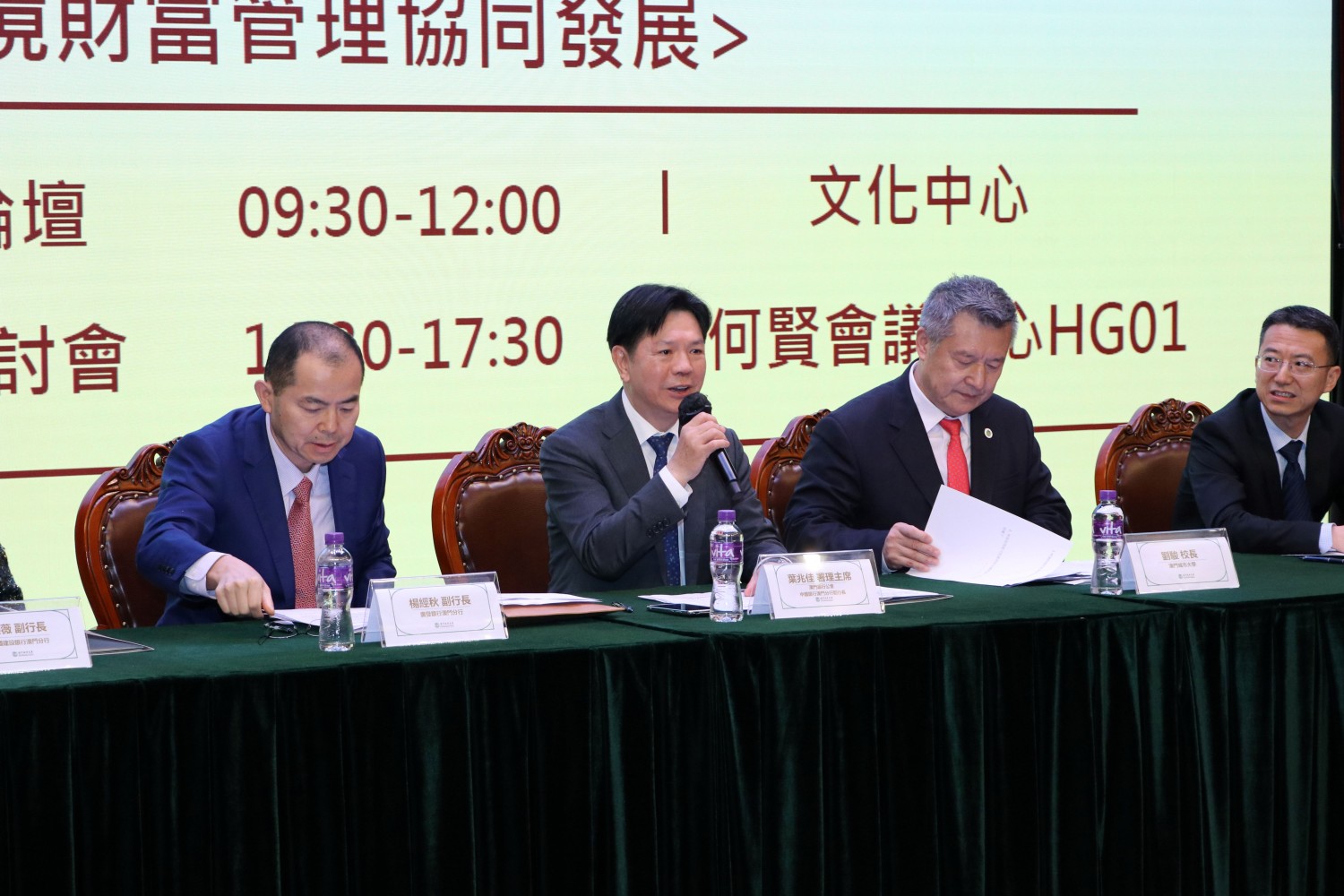
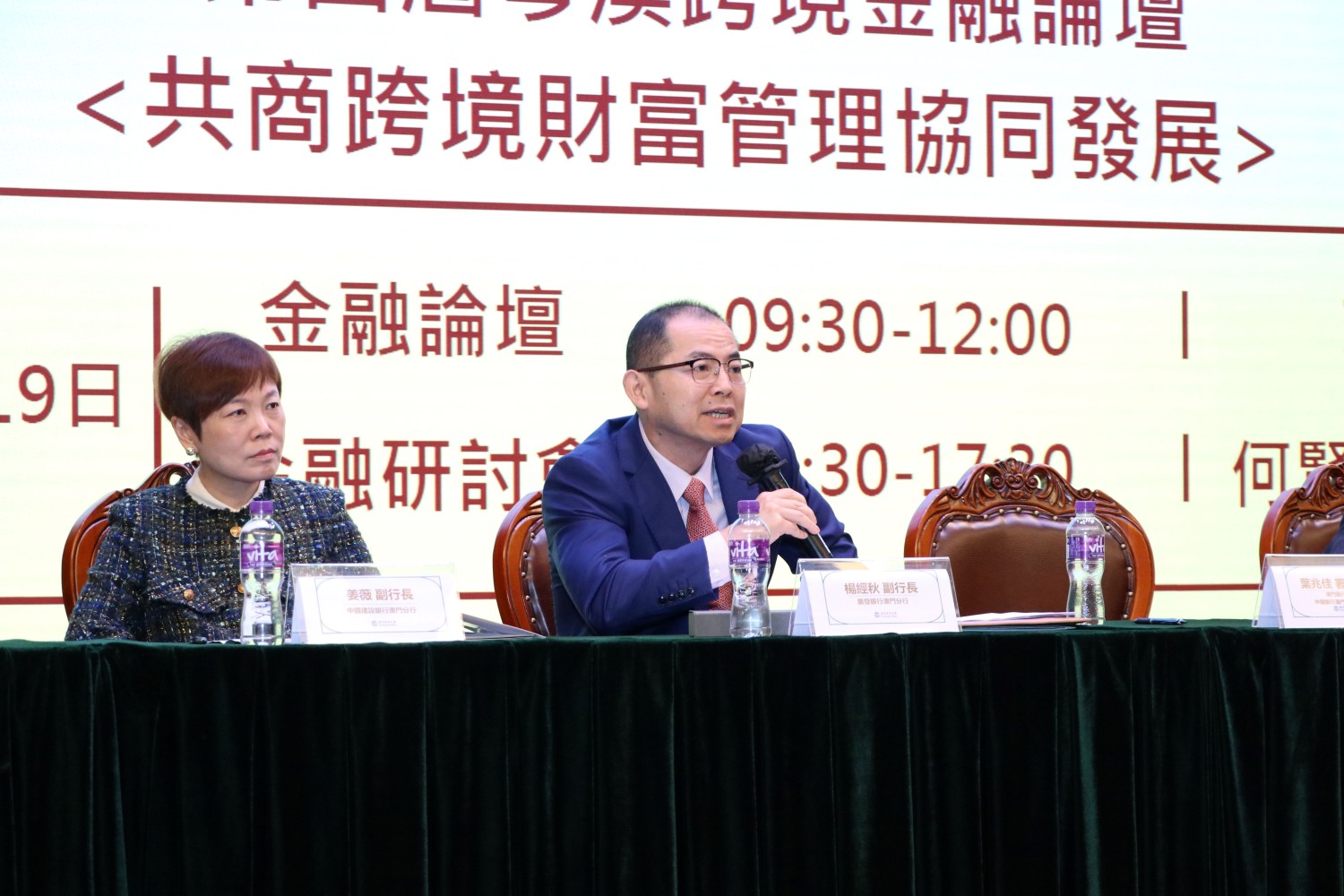
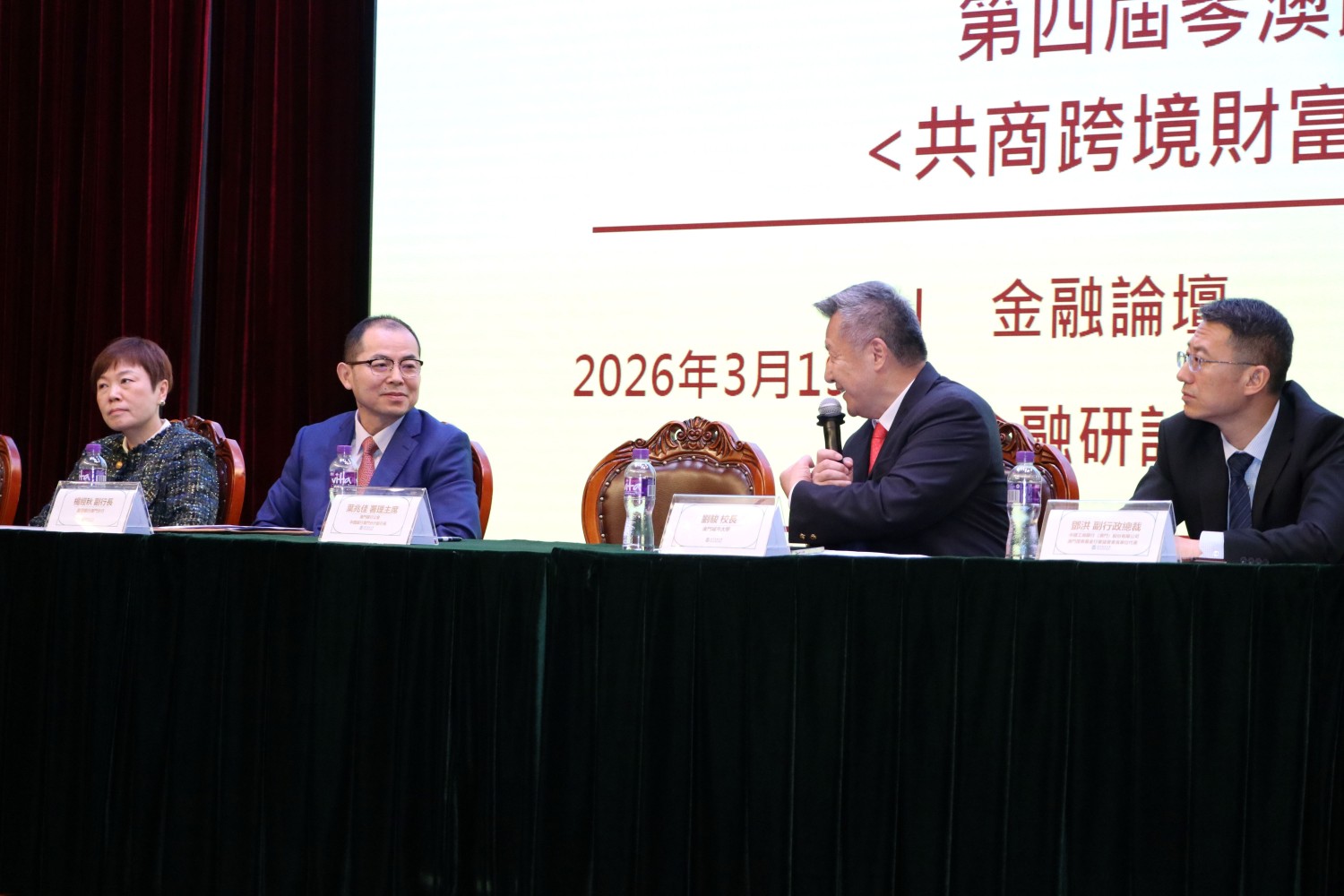
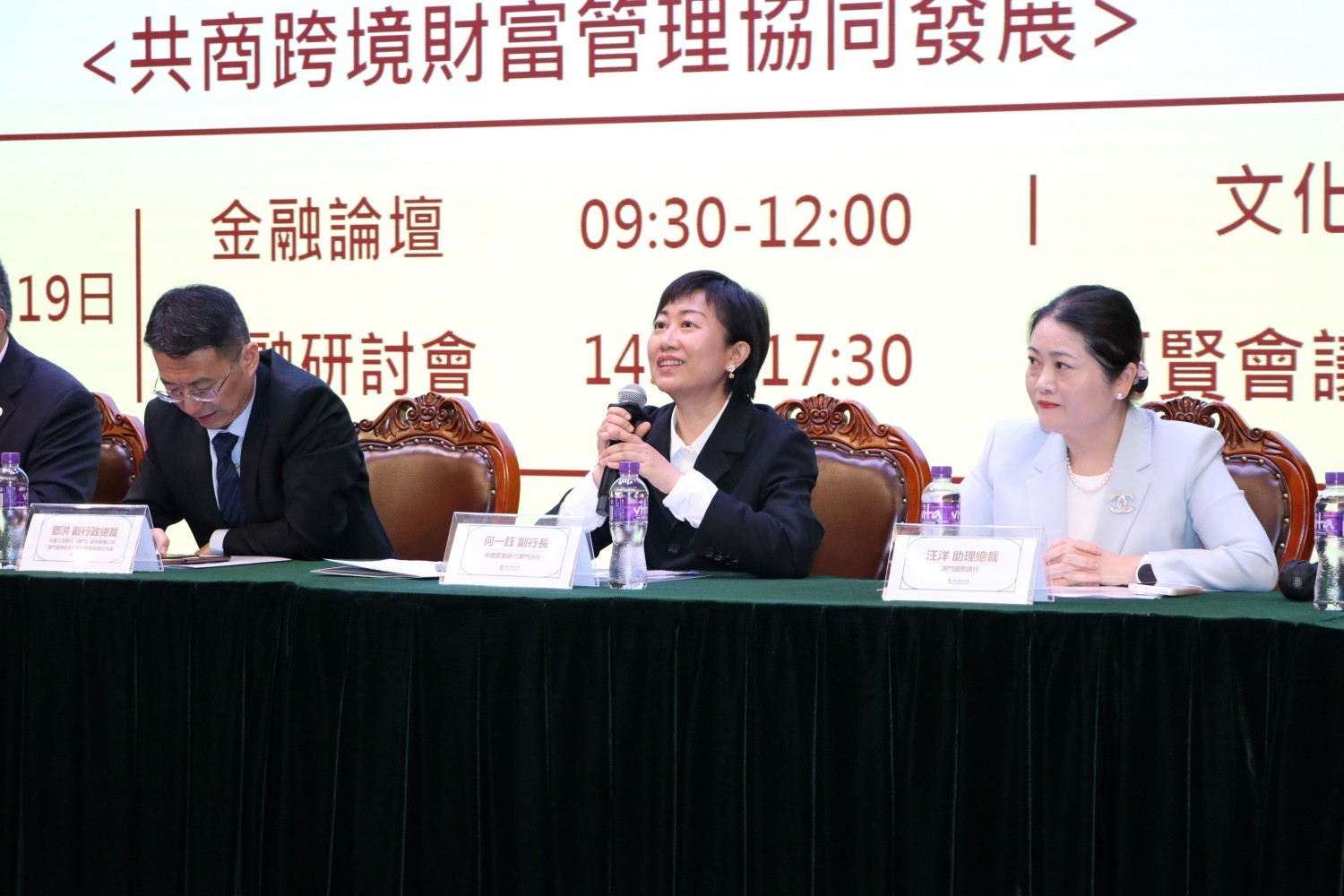
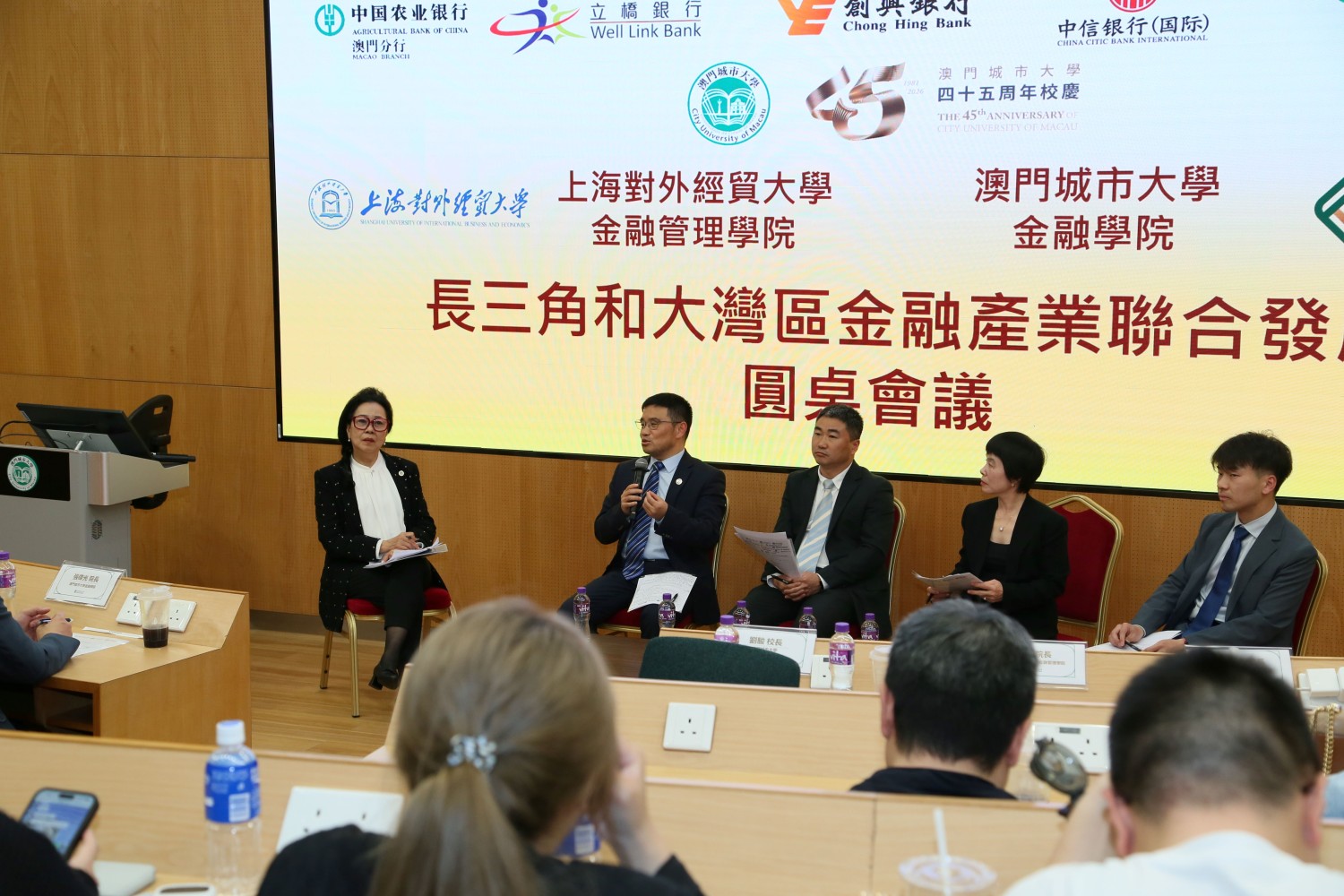
The forum was chaired by Rector Liu, who led in-depth discussions with industry representatives on the opportunities and challenges of cross-border finance between Hengqin and Macao, and offered suggestions for cultivating wealth management talent in the region. Mr. Sio Kai Ip, Acting Chairman of The Macau Association of Banks and Deputy General Manager of Bank of China Macau Branch, pointed out current challenges including regulatory differences, product supply-demand mismatches, risk prevention and control, and talent shortages. He suggested deepening institutional alignment, enriching product supply, establishing anti-money laundering risk systems, and jointly building talent training systems. Mr. Hong Deng, Deputy Chief Executive Officer of Industrial and Commercial Bank of China (Macau) Limited, Representative of the Chairman Unit of Securities and Funds Industry Association of Macao, proposed leveraging Hengqin's "Double Q" policies and the convenience of EF accounts to facilitate capital flow, and encouraging private funds to operate in Macao to optimize product diversity. Mr. Jingqiu Yang, Deputy General Manager of Guangfa Bank Macau Branch, emphasized that Macao should leverage its "small but flexible" advantages, combine Cross-Border Wealth Management Connect and digital RMB to promote cross-border finance, focus on high-net-worth client groups, and address talent gaps through a "human + AI" model. Participants generally agreed that "Hengqin + Macao" dual-city collaboration could deepen resource complementarity, while joint training by universities and the industry, along with mutual recognition of professional qualifications, could break through talent bottlenecks.
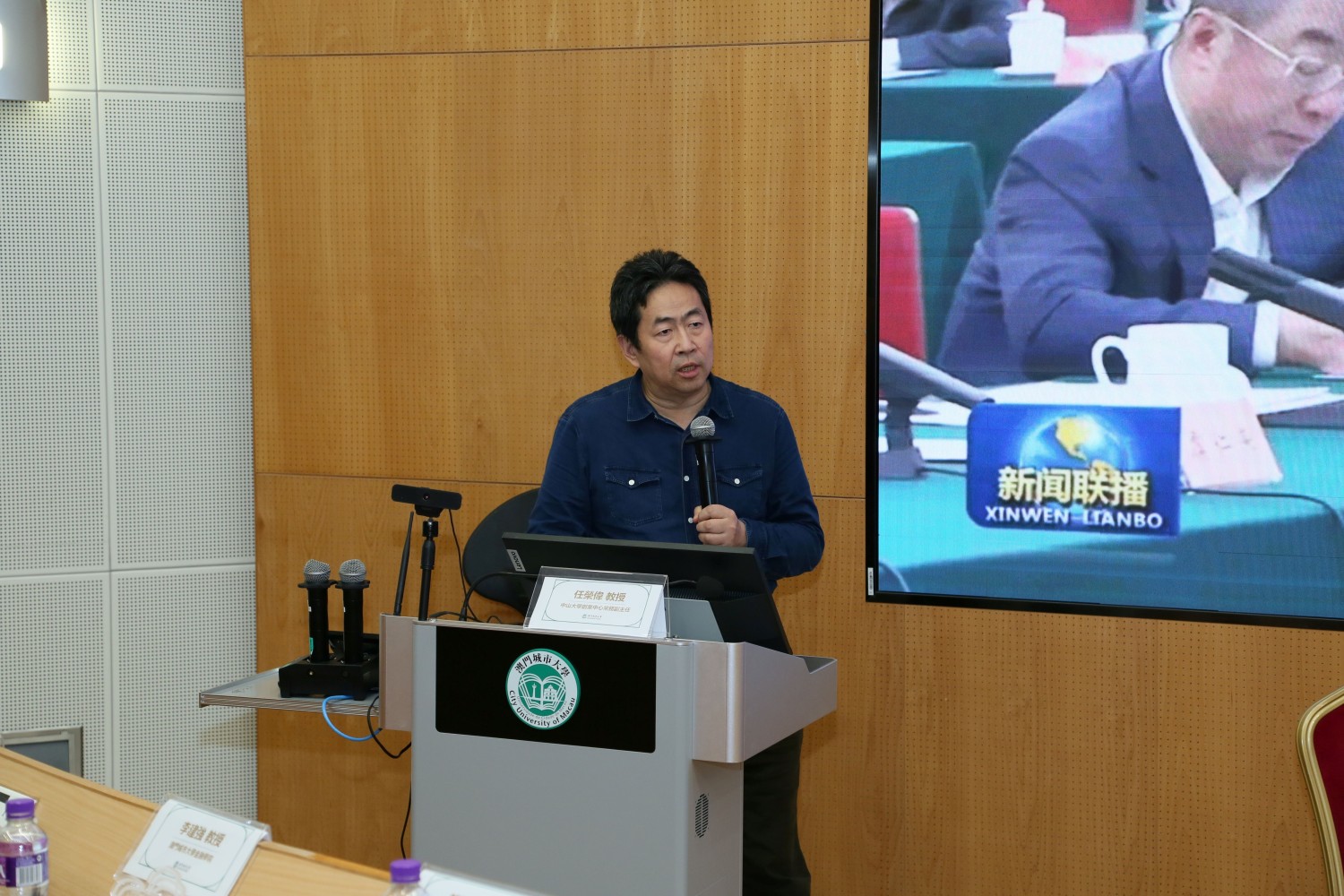
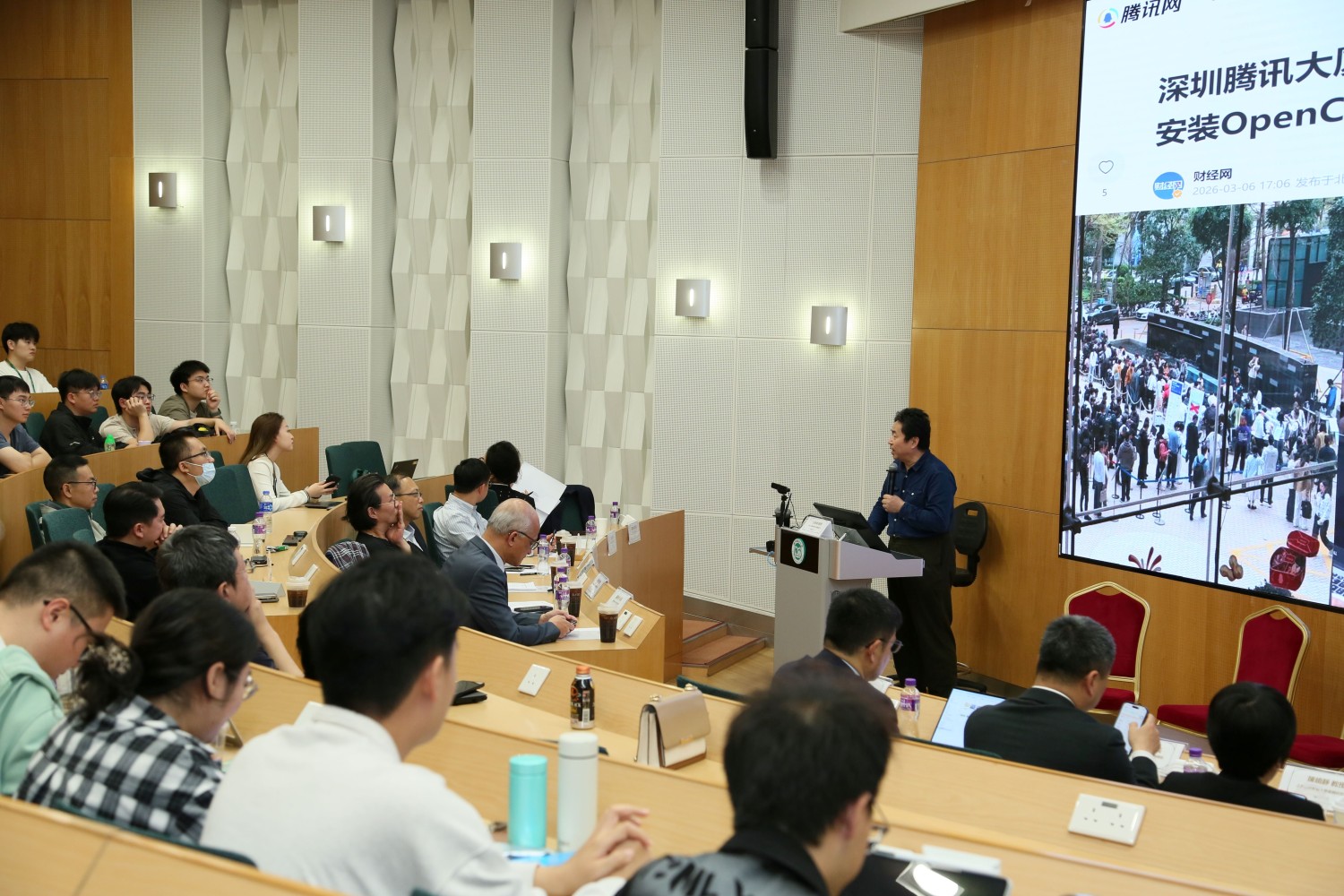
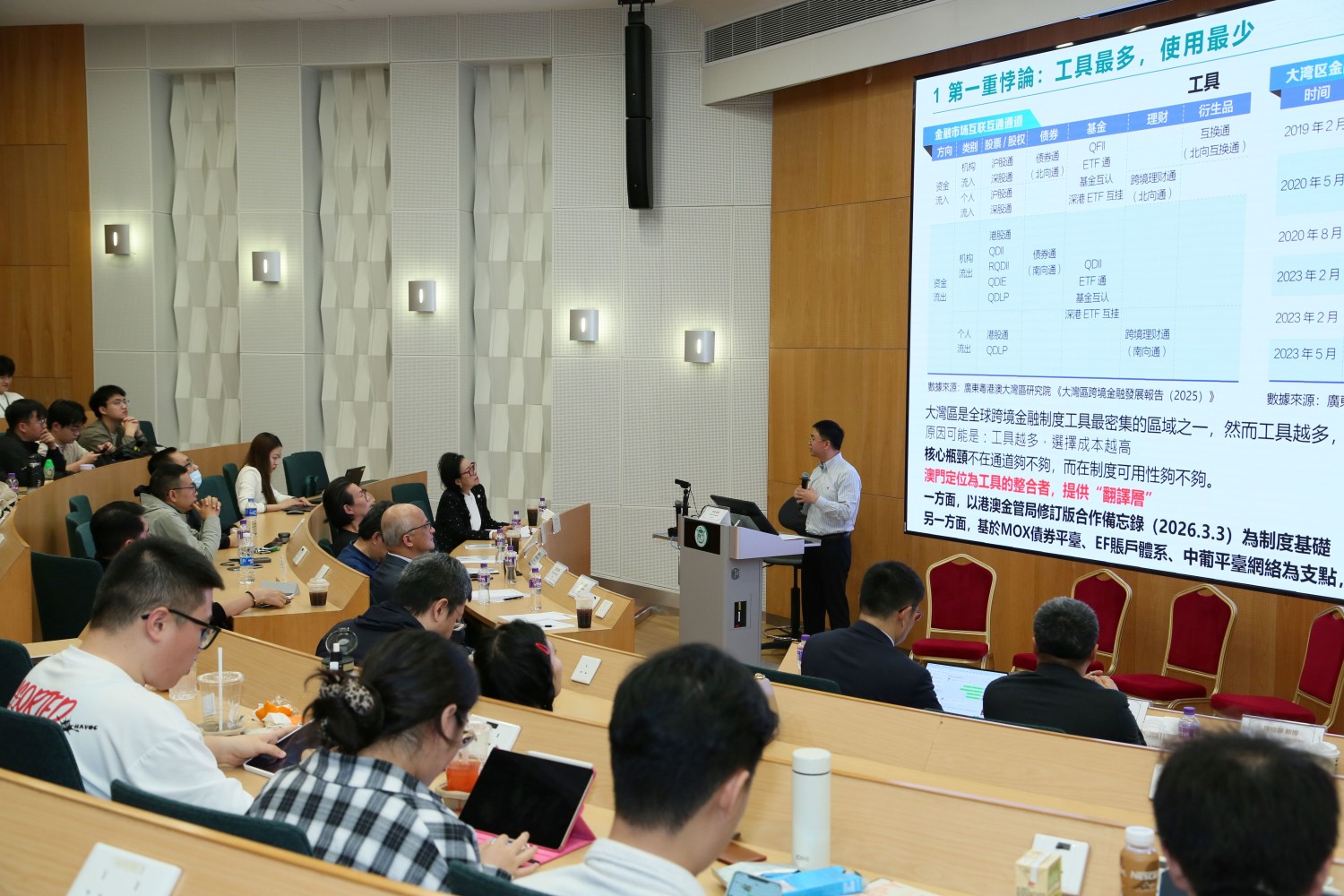
A "Hengqin-Macao Cross-Border Finance Academic Seminar" was held in the afternoon. The first session of the seminar, was chaired by Dean Adrian Cheung, was titled "Guangdong-Hong Kong-Macao Greater Bay Area Cross-Border Finance Academic Seminar". The seminar engaged in in-depth discussions on the theme with Professor Rongwei Ren, Executive Deputy Director of Entrepreneurship College, at Sun Yat-sen University, Professor Fengsheng Jian, Dean International Studies and Trade of the School of Finance at Fuzhou University of International Studies and Trade and and Faculty of Finance at City University of Macau Professors Chien-Chiang Lee and Qiang Li.
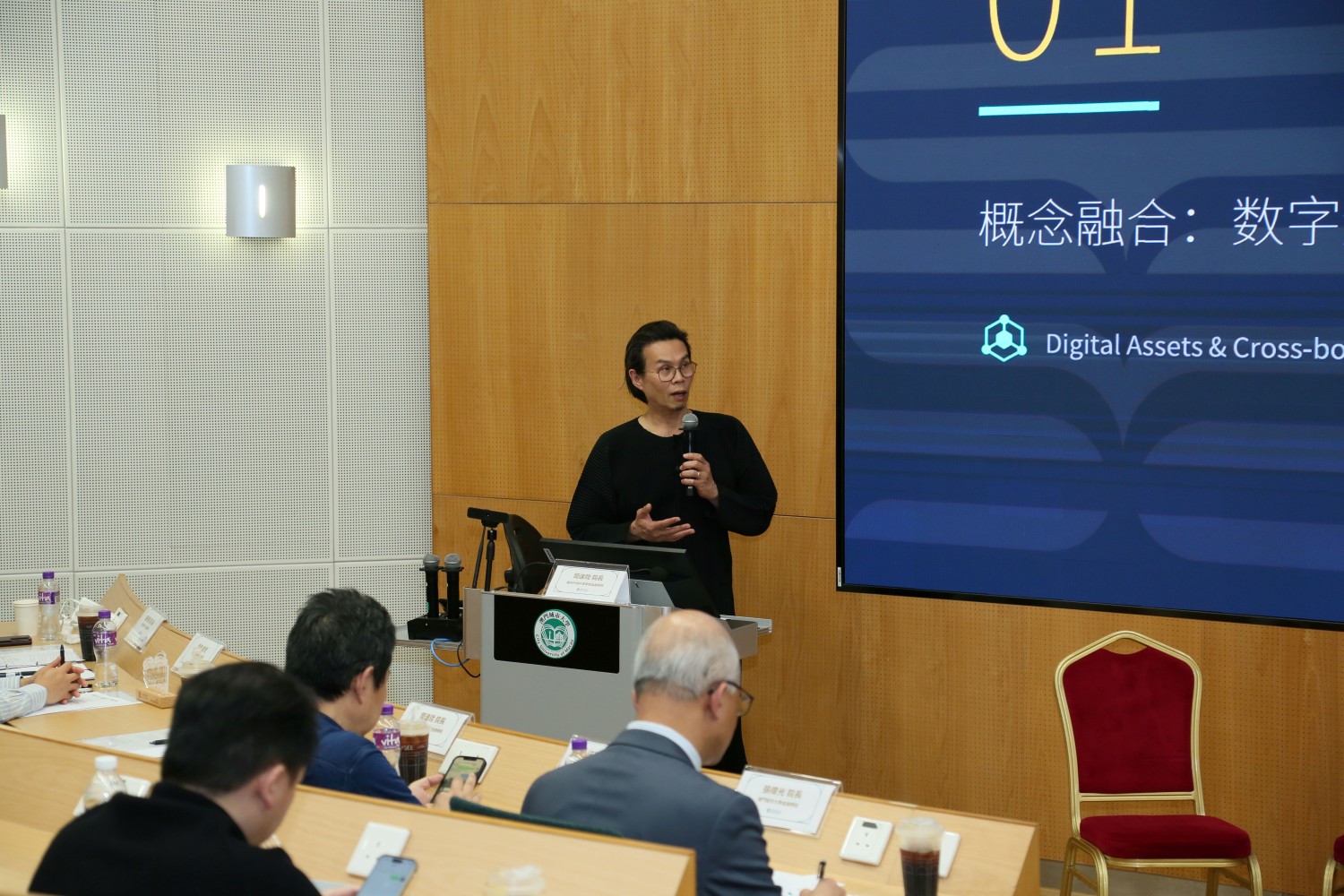
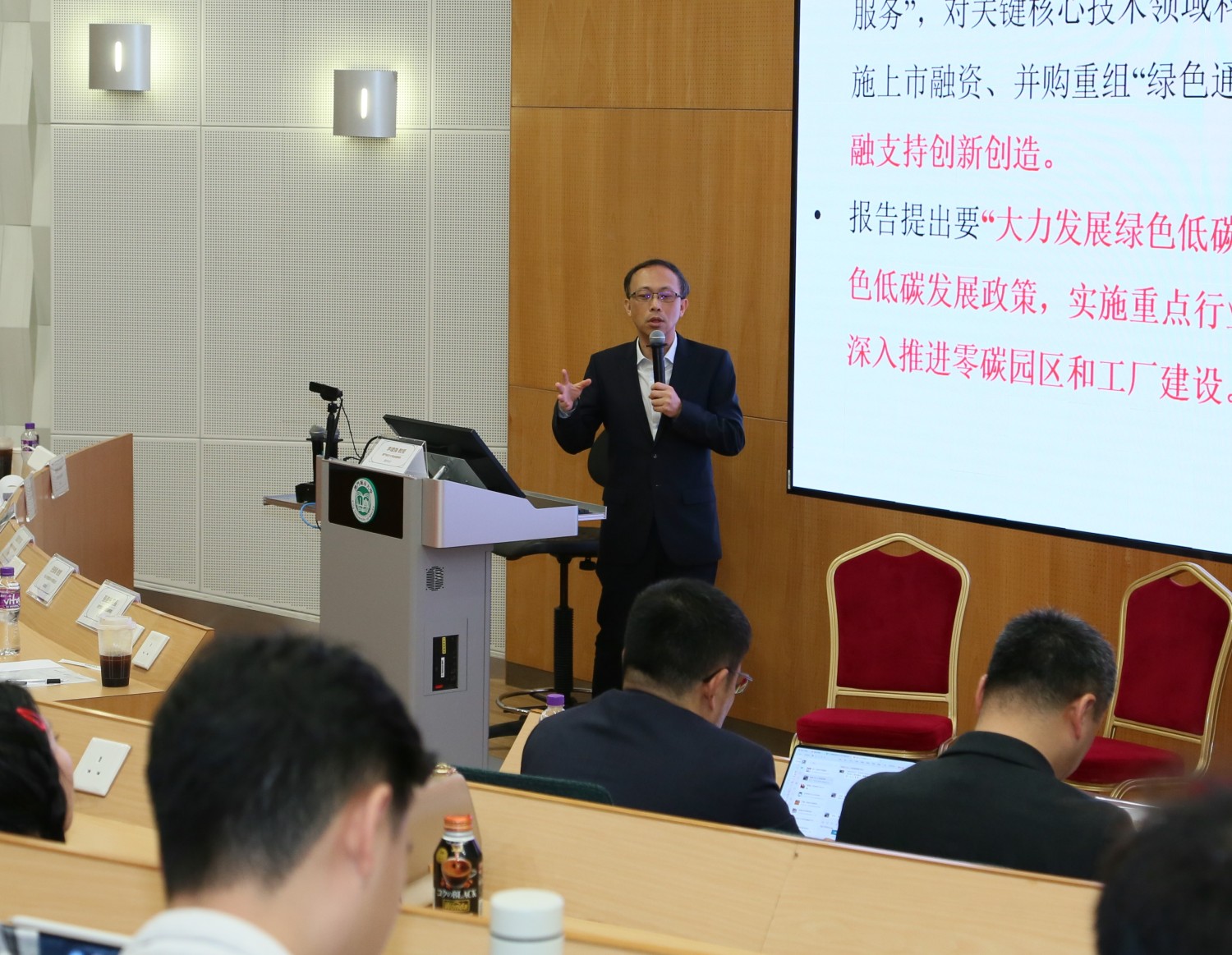
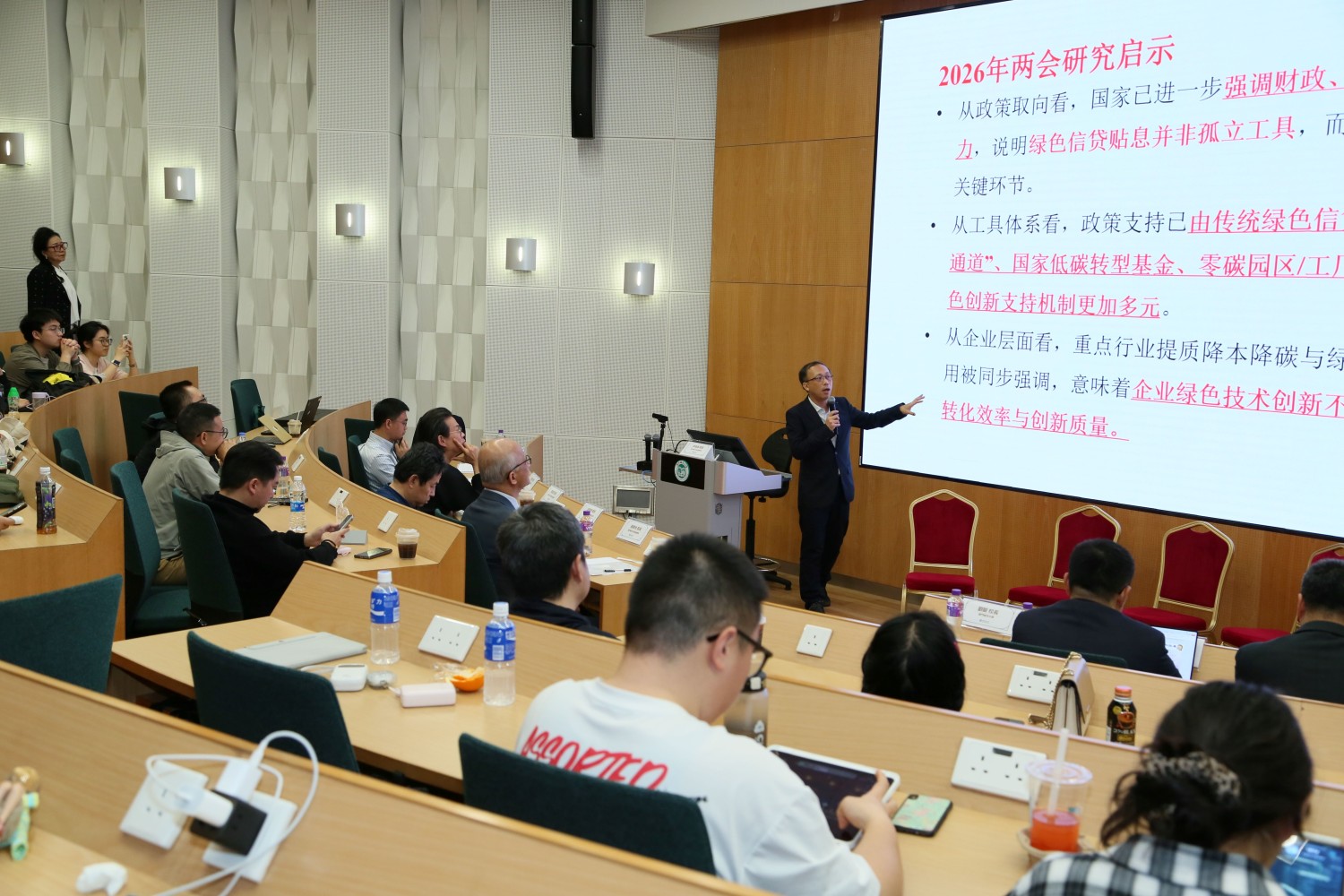
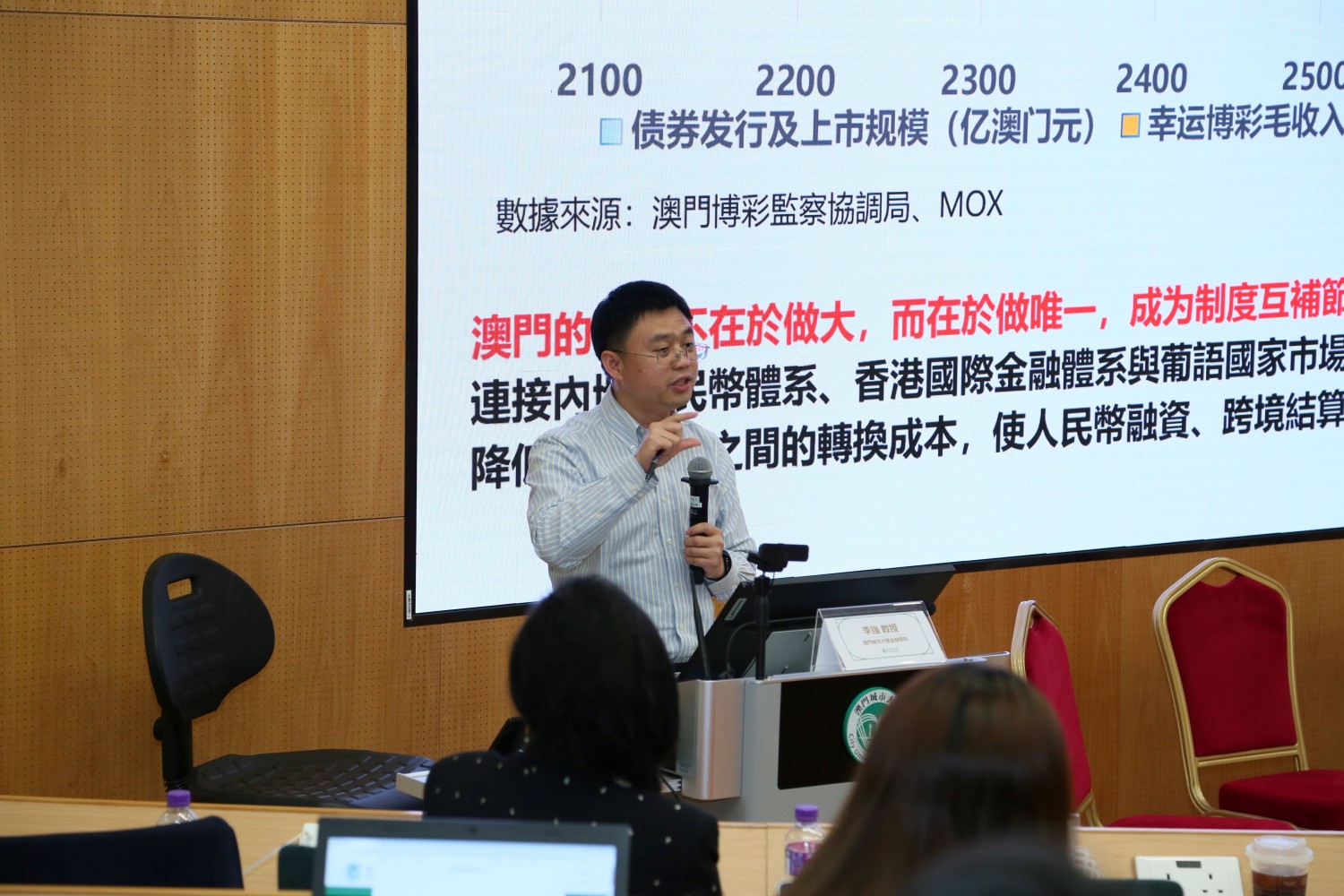
Professor Ren focused on the theme "AI-Empowered Super Individuals: The Construction of Innovation and Entrepreneurship Ecosystems in the OPC Era". He noted that with breakthrough developments in large AI models (such as Deepseek), the world is entering the "OPC Era", where super individuals reshape organizational forms through human-machine collaboration. He called for universities to accelerate educational reforms to cultivate compound talents with AI literacy, management skills, and international perspectives. Dean Jian discussed "Digital Assets and Cross-Border Finance: Empowering Macao as a Hub and RMB Internationalization", systematically explaining the integration pathways of digital assets and cross-border finance. Leveraging "One Country, Two Systems" and its connections with Portuguese-speaking countries, Macao is accelerating the construction of a China-Portuguese-speaking countries financial services platform, promoting innovative practices such as cross-border application of the digital RMB and blockchain trade finance. Professor Lee presented on "Does China's Green Credit Interest Subsidy Policy Enhance the Quality of Corporate Green Technology Innovation? A Perspective Based on Financial and Fiscal Coordination". Using empirical data, he analyzed the impact of the green credit interest subsidy policy (GCISP) on the quality of corporate green technology innovation. His analysis indicated that the stronger the coordination between fiscal and financial policies, the more effective the policy outcomes, achieving a "dual value" of ecological protection and economic performance. He suggested optimizing policy coordination mechanisms to promote a transition in green innovation from "quantity expansion" to "quality improvement". Last but not the least, Professor Li addressed "Coordinated Development of Cross-Border Finance in the Guangdong-Hong Kong-Macao Greater Bay Area". He pointed out that despite its smaller economic size, Macao possesses unique institutional advantages including free port status, low tax system, and networks with Portuguese-speaking countries. It should be positioned as an "institutional complementarity node," playing unique roles in rule alignment and credit endorsement. Policy recommendations included promoting research on Macao's Bond Connect regime, prioritizing green bonds on the agenda, advancing the Qin-Macao financial regulatory sandbox from initiative to pilot, and developing a Qin-Macao-Portuguese-speaking countries green financial services center.
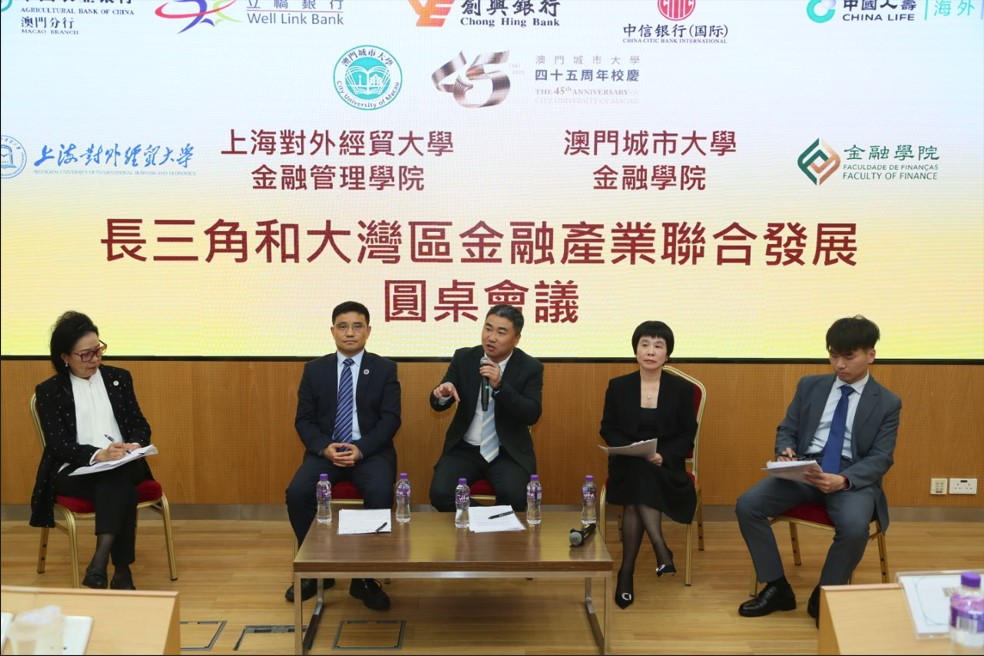
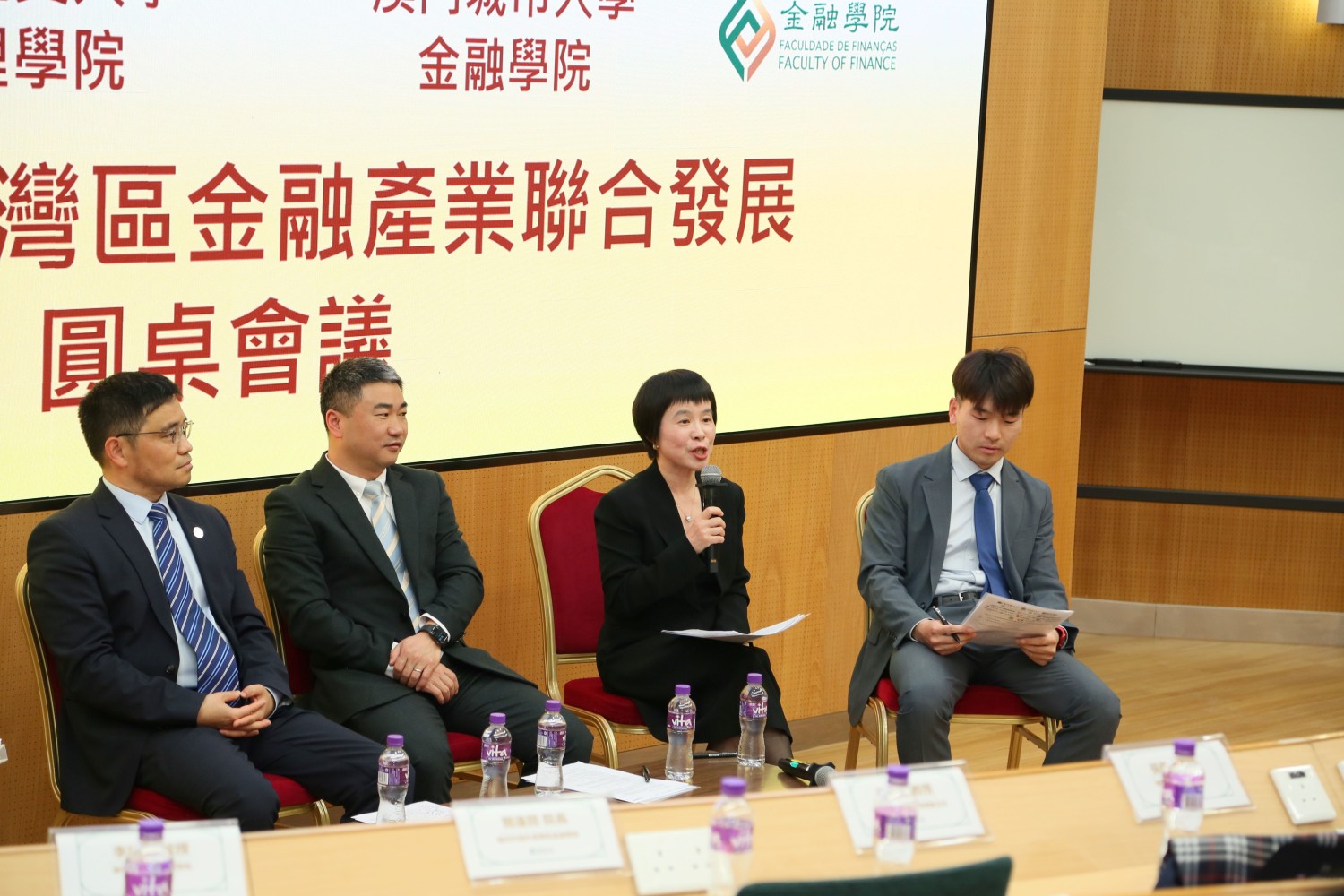
The second session of the seminar was a roundtable discussion titled "Joint Development of the Financial Industry in the Yangtze River Delta and the Greater Bay Area", and was chaired by Associate Dean Eva Khong. Participants included Professor Zhang Yun, Dean of School of Finance, Shanghai University of International Business and Economics; Professor Xu Shoufu, Associate Dean of School of Finance, Shanghai University of International Business and Economics; Professor Chen Xiaojing, the Center for American Studies; and Professor Yao Chi, Director of the Experimental Center at the School of Finance. The roundtable focused on in-depth discussions on topics such as regional integrated development, digital RMB application, cross-border financial cooperation, and talent cultivation.
During the session, Dean Zhang noted that regional integration has become an important trend driving economic development, and the promotion and application of the digital RMB is a key aspect of current financial development. As an international operations center for the digital RMB, Shanghai is actively expanding its application in cross-border trade and investment and financing. He believes the Guangdong-Hong Kong-Macao Greater Bay Area also holds potential for promoting digital RMB innovation, particularly in cross-border trade finance. Macao and Hengqin could explore application innovations to contribute to regional integrated development. He suggested promoting innovation in platform economies, enhancing regulatory efficiency, and strengthening alignment with international rules to enable digital finance to play a greater role in interactions between the two regions. Associate Dean Xu applied portfolio theory to analyze the inevitability of joint development between the financial industries of the Yangtze River Delta and the Greater Bay Area. He pointed out the significant complementarity in financial functions between the two regions: the Yangtze River Delta excels in industrial empowerment and large-scale financial infrastructure, while the Greater Bay Area specializes in cross-border pricing and international resource allocation. Their combination helps expand the effective boundaries of financial functions within a larger spatial scope. Professor Chen proposed four pathways for joint development, including coordinated differentiation and institutional innovation, leveraging technology to empower small and medium-sized enterprises in expanding to Portuguese-speaking countries, combining product innovation with risk supervision, and building a cross-border financial ecosystem. Professor Chen emphasized that only innovation can lead to sustainable development. Last but not the least, Director Yao analyzed the logical chain of "currency-credit-finance" in cross-border finance from the perspective of financial operations, highlighting the important role of the digital RMB in improving cross-border settlement efficiency. He suggested that the two universities strengthen cooperation in cultivating cross-border finance talent by introducing industry instructors and jointly building cross-border finance application scenarios and experimental platforms to better align student capabilities with market demands.
Associate Dean Eva Khong concluded that the Yangtze River Delta and the Greater Bay Area are crucial regions for China's economic development. Promoting coordinated development actively supports the national strategy for regional linkage development. The roundtable summarized cooperation between the two regions in areas such as capital linkage and technological empowerment, aiming to build a "dual circulation" pattern for coordinated financial development: 1. Jointly building a fintech ecosystem: applications of fintech and digital finance. 2. Cross-border financial cooperation: promoting RMB internationalization and capital flows, jointly establishing "offshore-onshore" financial channels. 3. Green finance and industrial upgrading: integrating the Yangtze River Delta's new energy and advanced manufacturing capabilities to jointly build a supply chain finance platform for the low-altitude economy. 4. International platform construction: leveraging Shanghai's status as an international financial center, Hong Kong's role as an international financial hub, and Macao's advantages as a China-Portuguese-speaking countries financial platform to introduce global capital and develop specialty finance.