


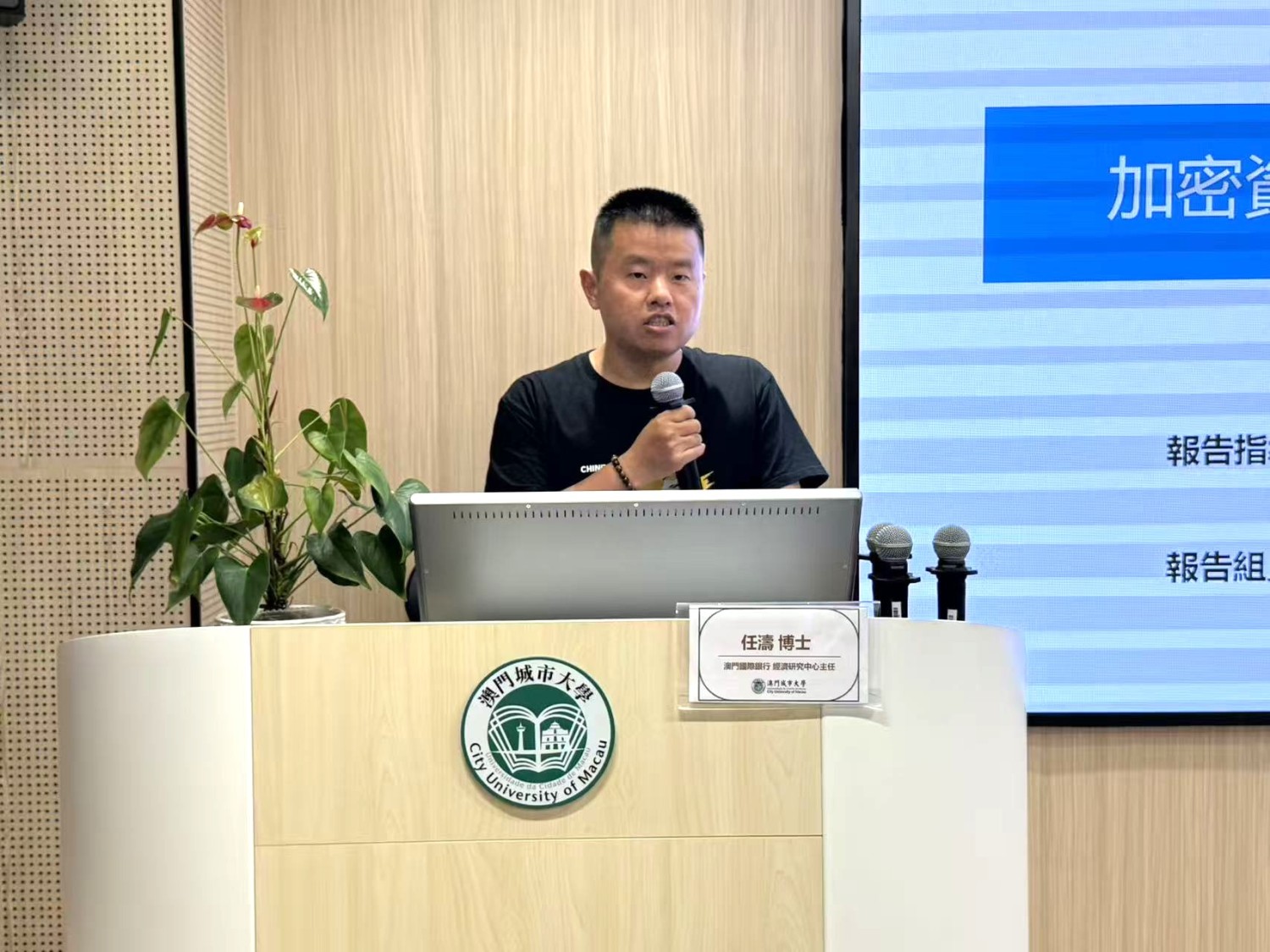
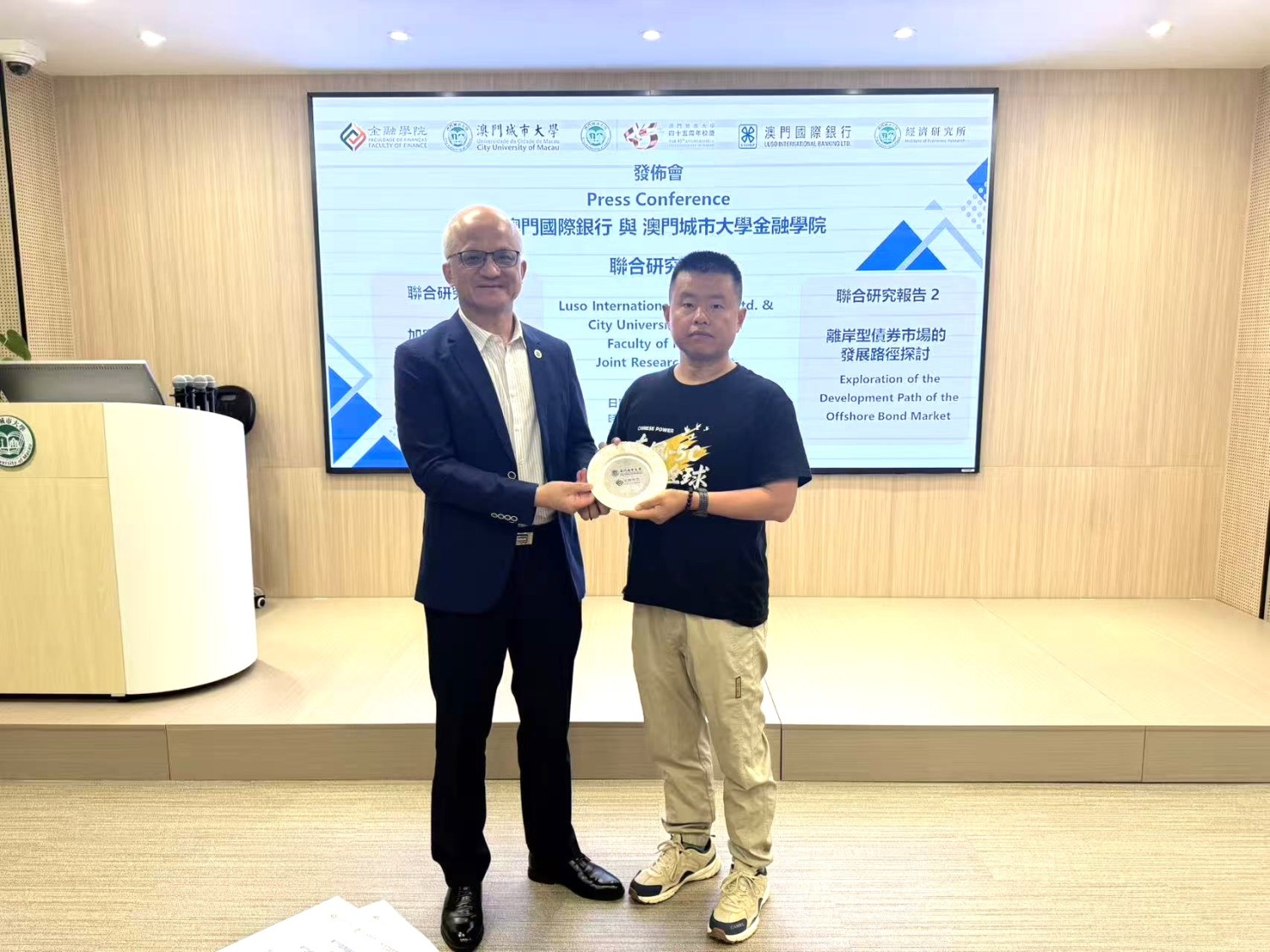
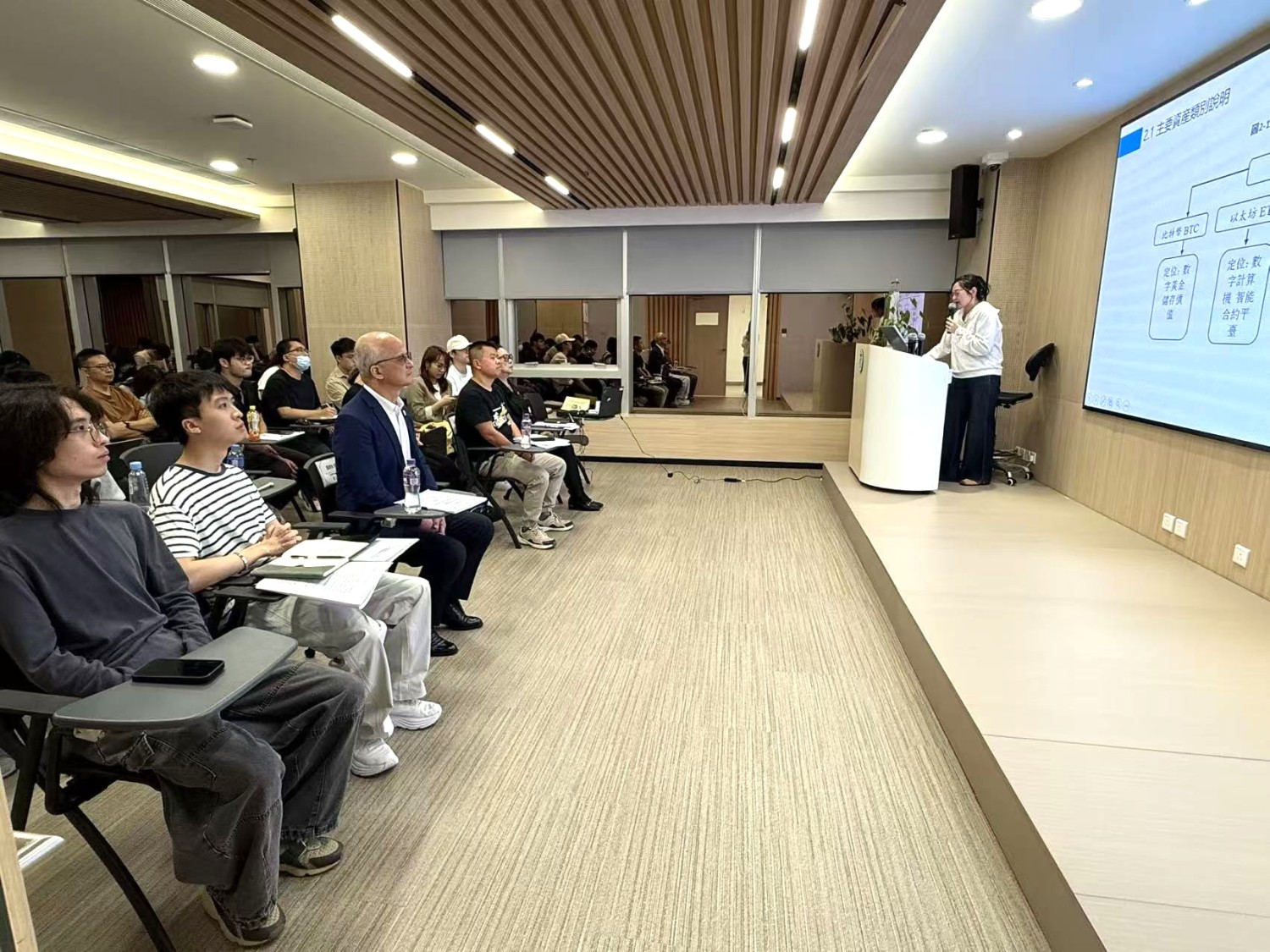
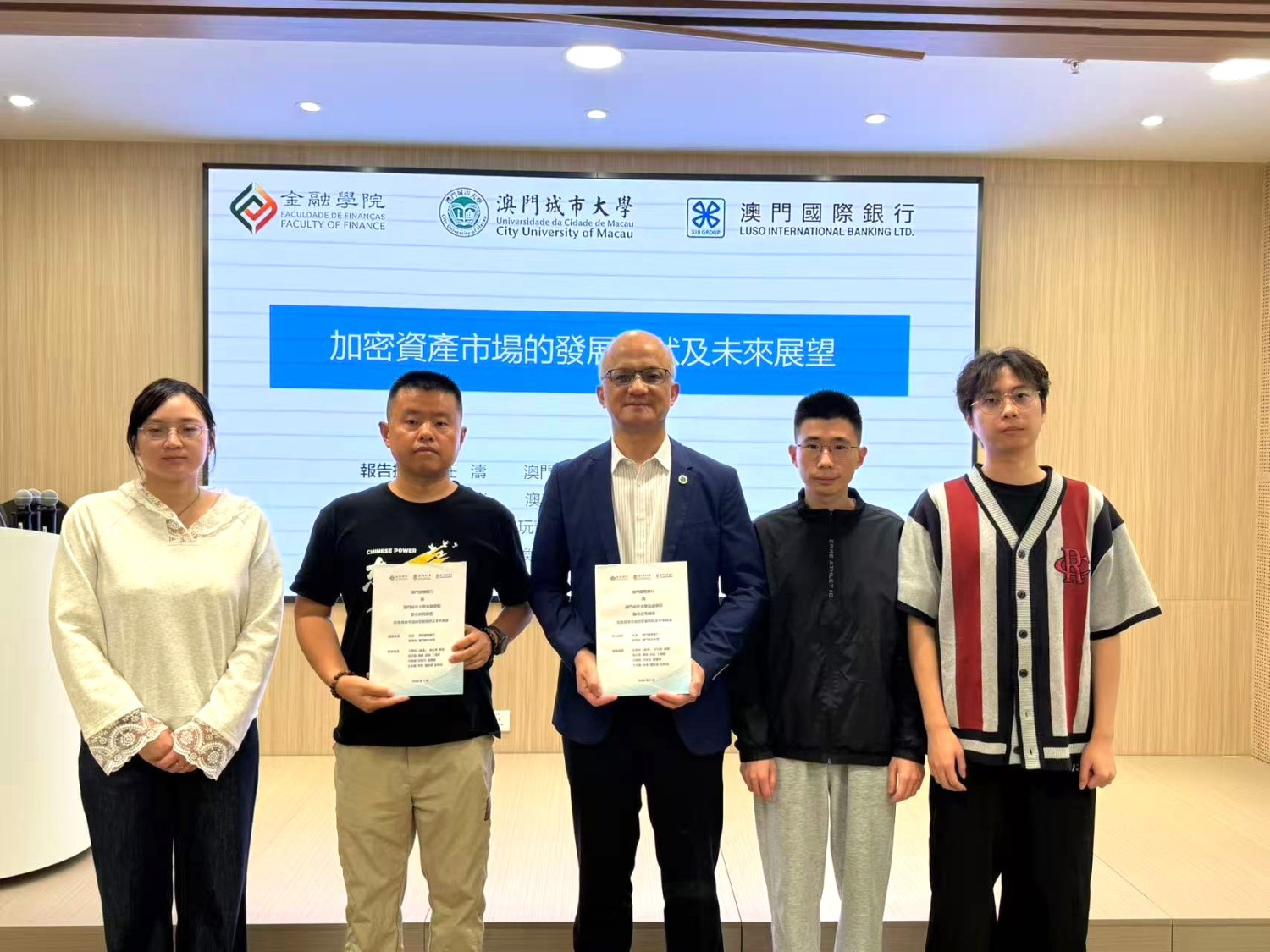
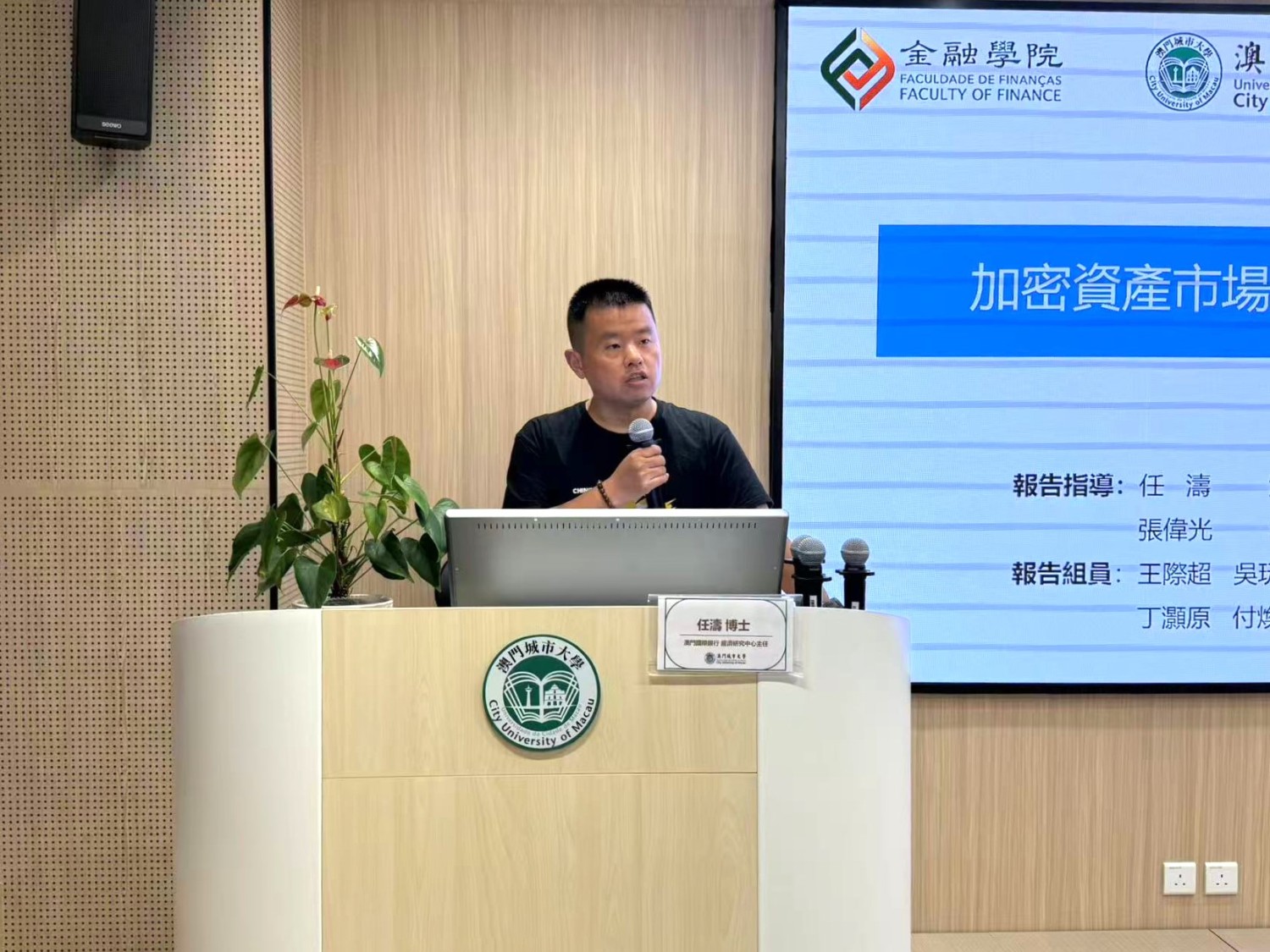
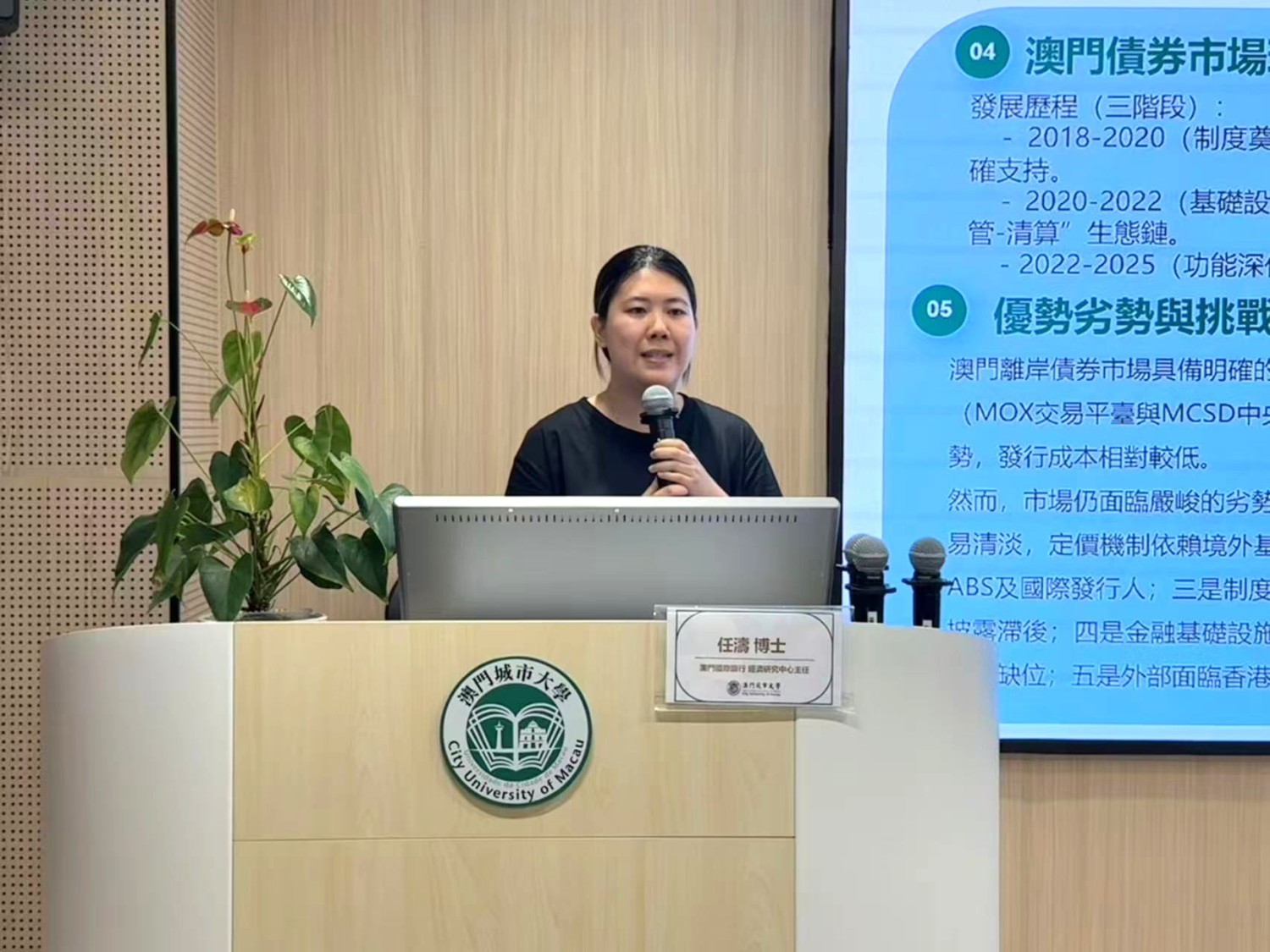
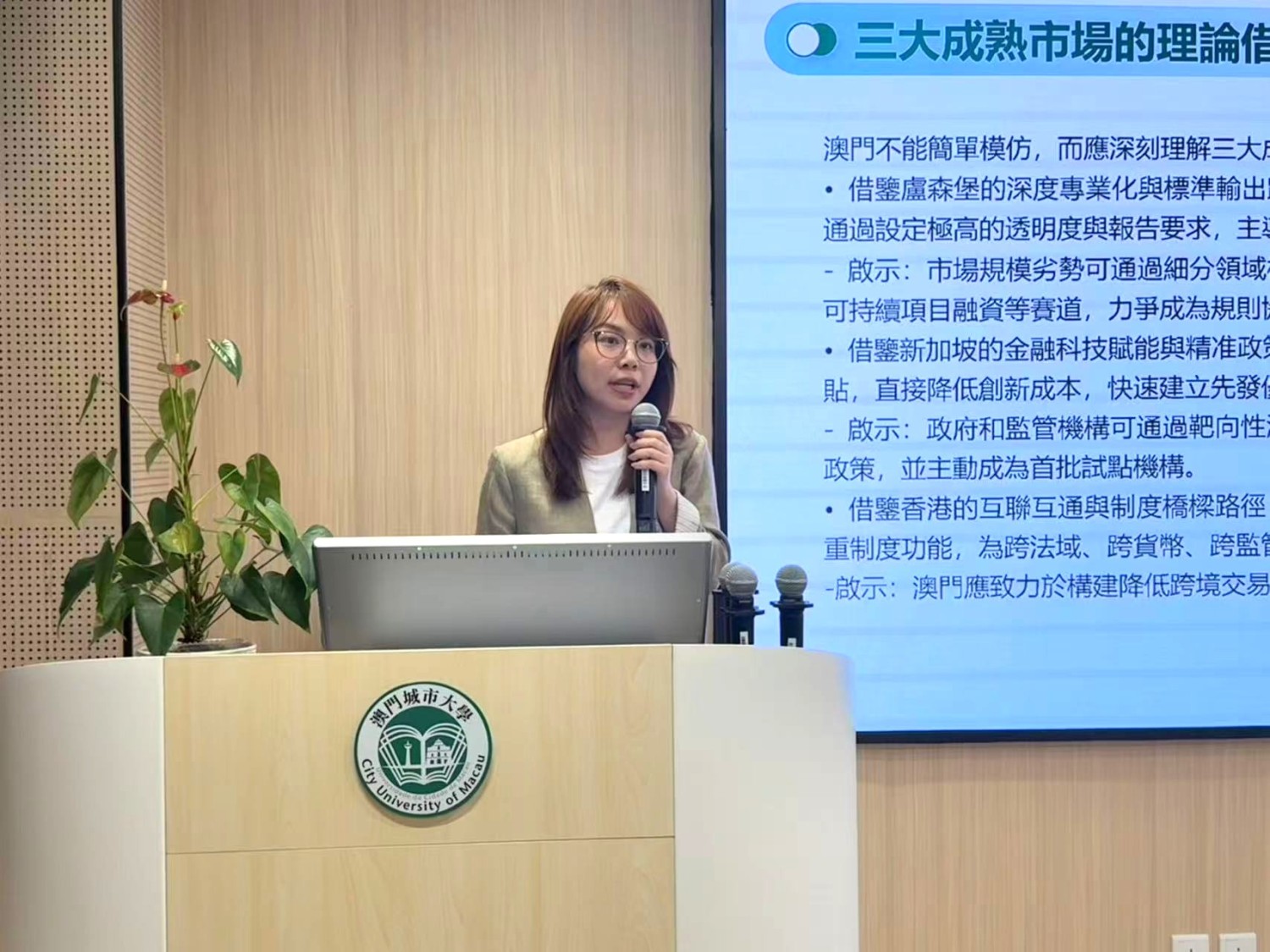
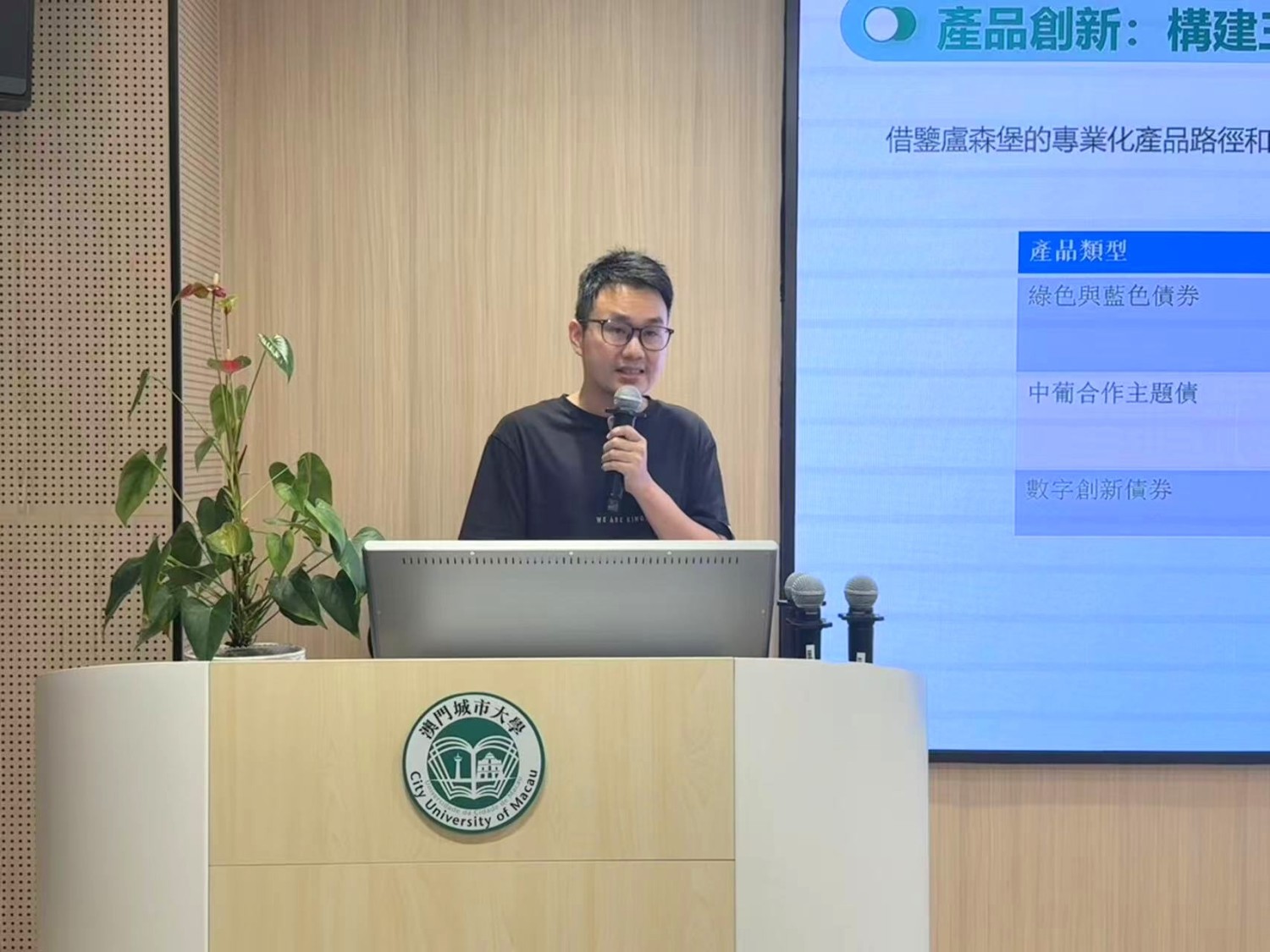
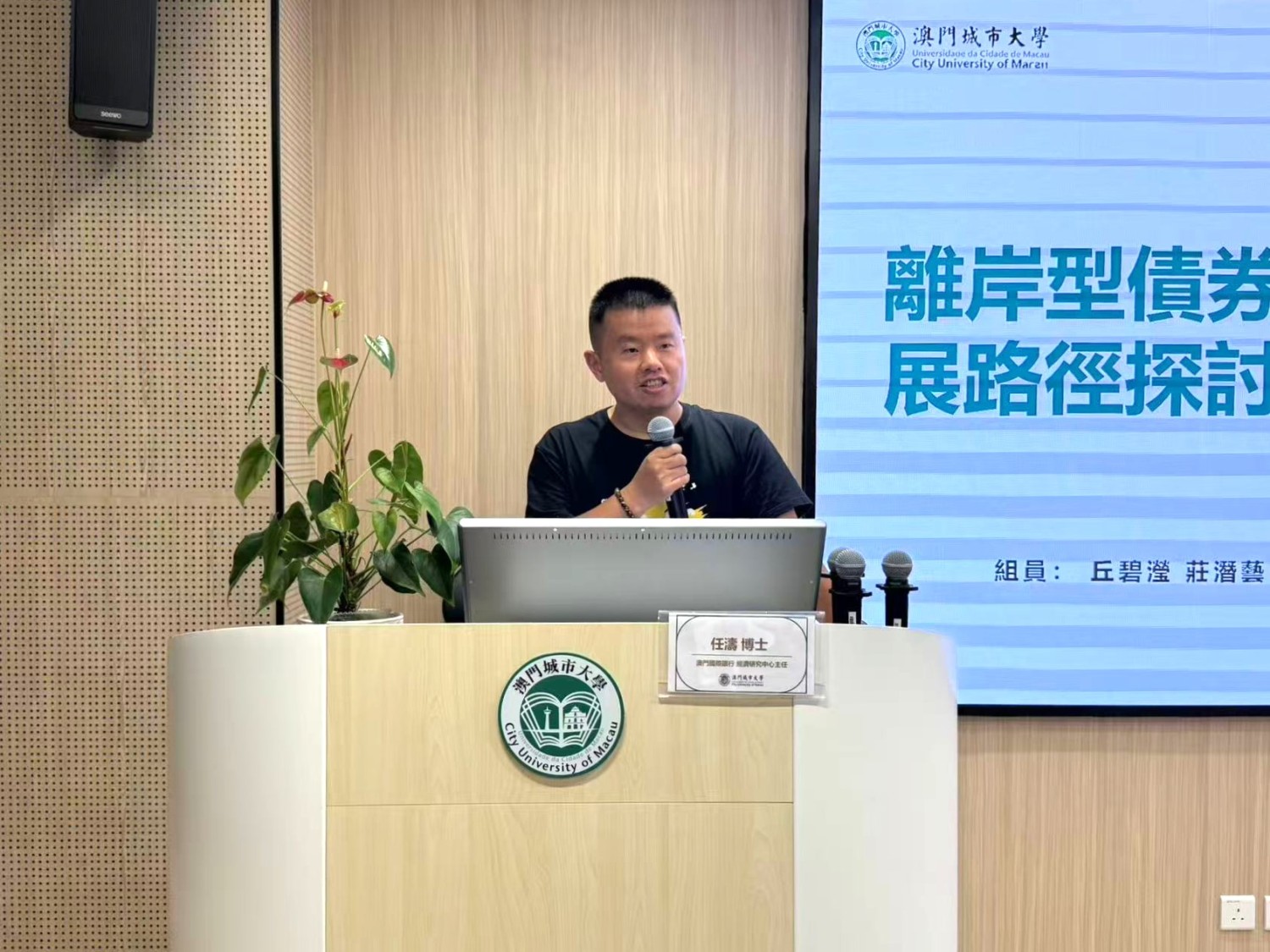
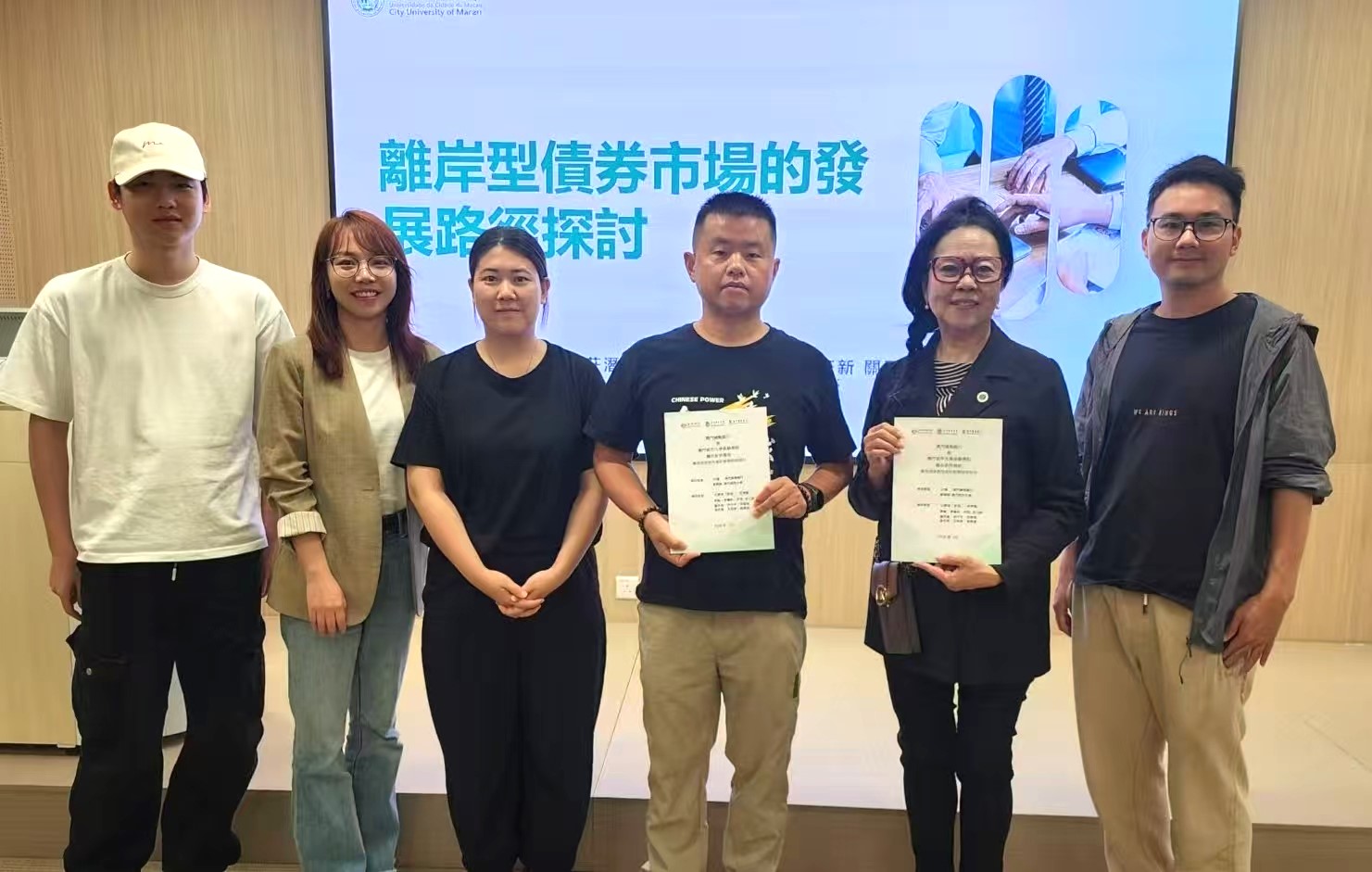
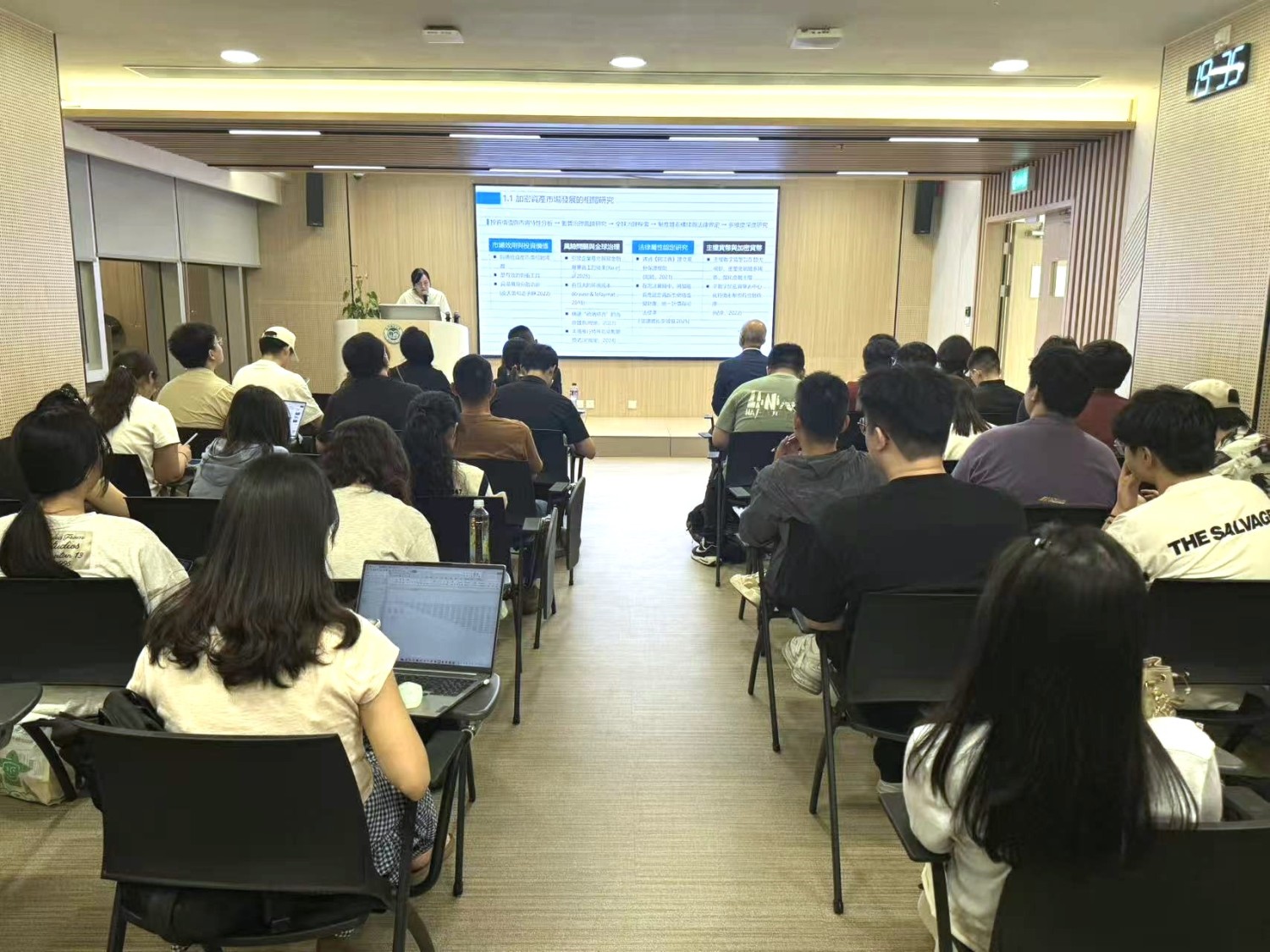
The joint research project press conference for two reports co-authored by Luso International Banking Ltd. and Faculty of Finance City University of Macau was held on April 28, 2026, at the Golden Dragon Campus of City University of Macau. The Faculty of Finance invited Dr. Tao Ren, Distinguished Research Fellow of the National Institute for Finance & Development, Distinguished Senior Research Fellow of the Shanghai Institute for Finance & Development, and Director of the Economic Research Center of Luso International Banking Ltd., to attend the press conference. Distinguished guests included Dean Adrian Cheung and Associate Dean Eva Khong of the Faculty of Finance. The press conference featured the presentation of two research projects co-authored by faculty, students, and industry expert Dr. Tao Ren: "Current Status and Future Prospects of the Crypto Asset Market" and "Exploration of the Development Path of the Offshore Bond Market"
At the start of the event, Dean Adrian Cheung delivered a speech stating that the Faculty has actively promoted industry-university-research collaboration for many years, establishing long-term partnerships with industry partners such as Luso International Banking Ltd. By co-authoring research projects with faculty, students, and industry experts, the goal is to produce practical and problem-solving outcomes. He noted that the two projects presented today exemplify this collaborative model, showcasing the professional capabilities and industry perspectives of both students and faculty.
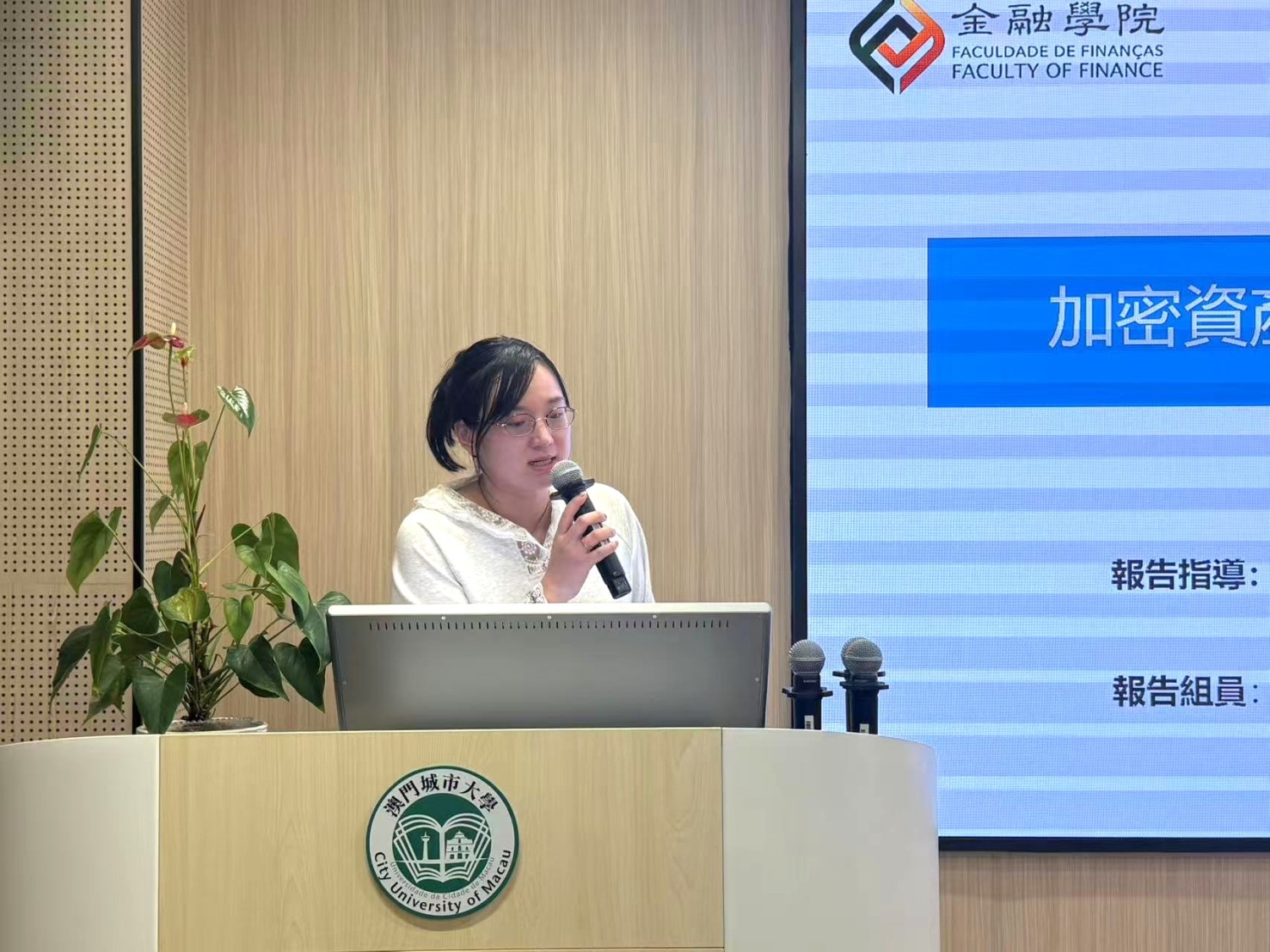
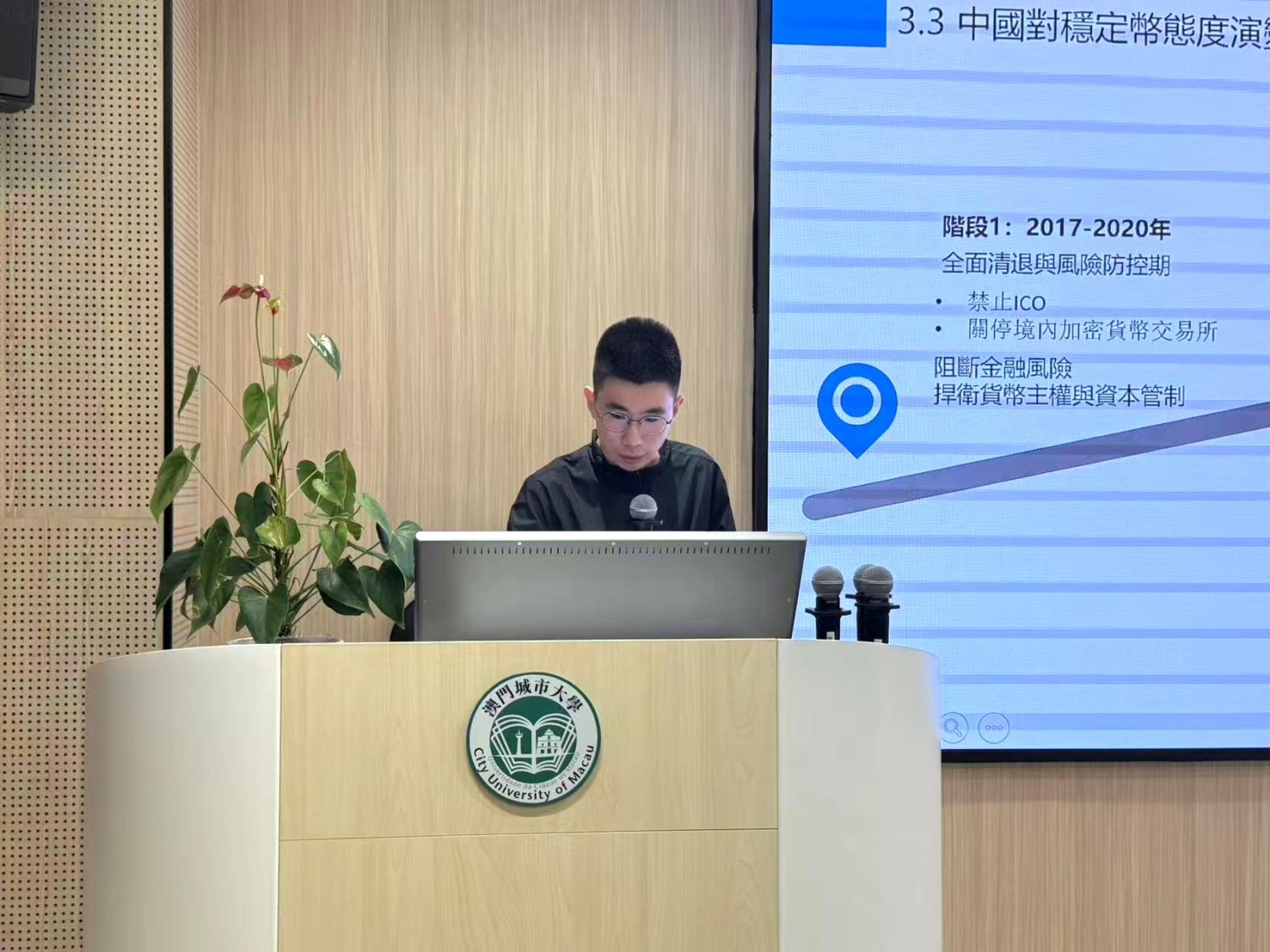
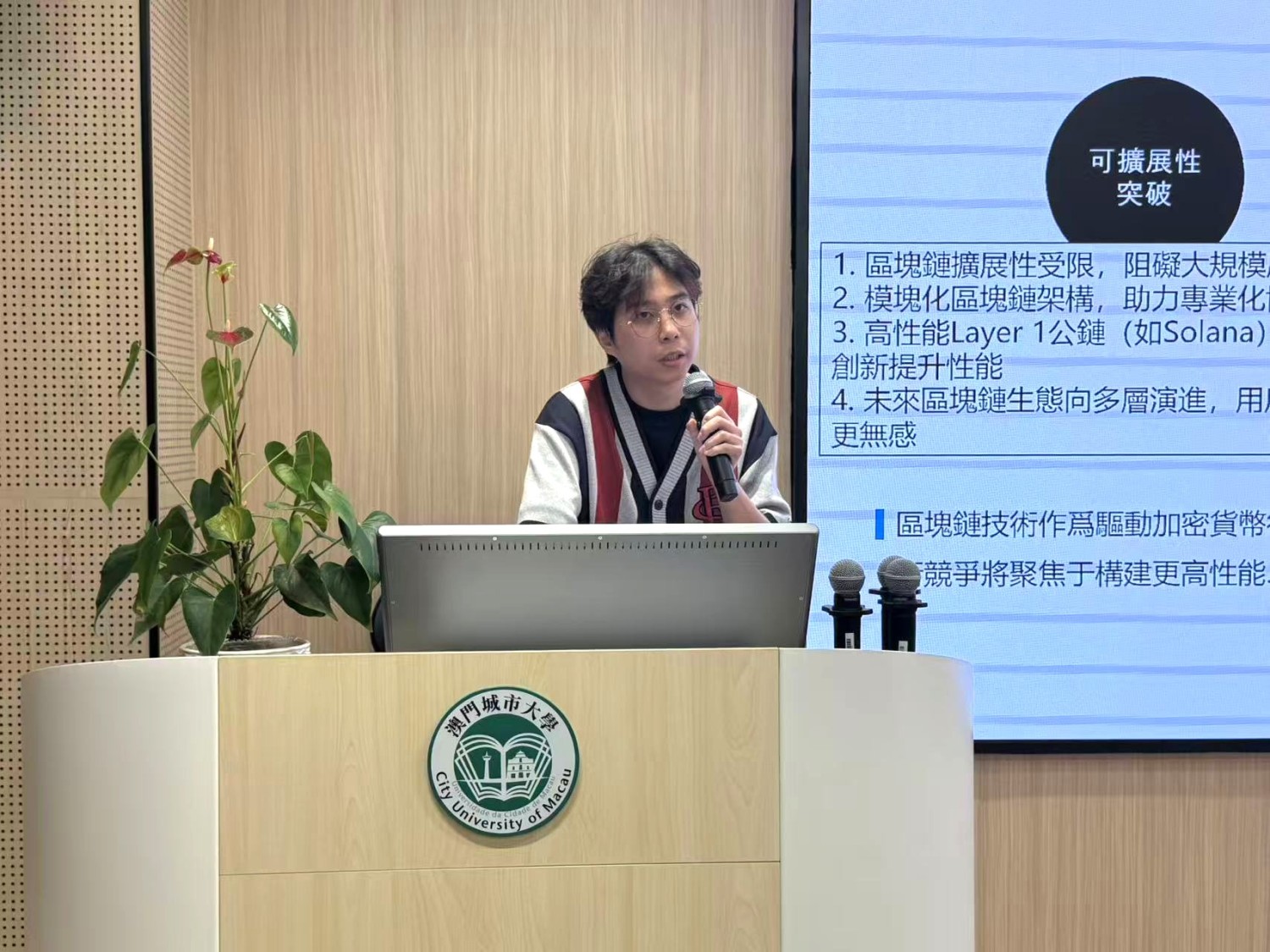
The research project "Current Status and Future Prospects of the Crypto Asset Market" was co-supervised by Dr. Tao Ren and Dean Adrian Cheung. The research team comprised 14 students: Jichao Wang, Wanqing Wu, Yi Huang, Hongxiao Zhou, Long Chen, Di Hu, Zhe Li, Haoyuan Ding, Huanchen Fu, Wangyuan Qiu, Xirui Zhao, Tianxiao Wang, Dichen Guan, and Lijun Peng. Three students—Jichao Wang, Di Hu, and Zhe Li presented the findings on behalf of the team. The report noted that the total global market capitalization of crypto assets has risen from the birth of Bitcoin in 2009 to approximately USD 2.98 trillion as of November 2025, marking the crypto asset market's evolution from a niche experiment to a systemically important emerging asset class. The report analyzed in detail the diverse ecosystem of Bitcoin, Ethereum, stablecoins, and utility tokens, and explored the divergent paths of digital currency strategies between China and the United States: the U.S. tends to expand its "on-chain dollar" hegemony through private stablecoins, while China is building an independently controllable digital financial ecosystem centered on the digital renminbi (e-CNY). Blockchain technology, as the core engine driving the development of the cryptocurrency industry, directly determines the boundaries and forms of application ecosystems through its evolutionary direction. Future technological competition will focus on building underlying infrastructure with higher performance, greater privacy protection capabilities, and more extensive interoperability.
Dr. Tao Ren spoke highly of the first research project. He stated that the report is detailed and clearly structured, and has already been submitted to the bank's management, receiving consistent praise from the Chairman and other leaders. Dr. Ren noted that regulatory attitudes toward crypto assets in Mainland China, Hong Kong, and Macau have recently shifted noticeably. For example, Hong Kong has recently issued stablecoin licenses to only two note-issuing banks, while Macau is taking a wait-and-see approach, with the overall environment tending toward prudence. He encouraged students to pay attention to the development of the virtual assets industry, believing this will be an important direction for the future of finance. He also suggested that the report could be submitted to the Monetary Authority of Macau or the Macau Association of Banks, as it holds significant reference value.
The other research project, "Exploration of the Development Path of the Offshore Bond Market" was co-supervised by Dr. Tao Ren and Associate Dean Eva Khong. The research team comprised 12 students: Biying Qiu, Qianyi Zhuang, Xiao Ji, Xiaolin Li, Qi Song, Zhengxin Lin, Tiandong Guan, Ziyu Ran, Yuanyuan Qiu, Wushen Huang, Yiting Wang, and Biying Zhang. Three students—Biying Qiu, Xiao Ji, and Tiandong Guan presented the findings on behalf of the team. The report noted that the Macau offshore bond market has moved from an institutional foundation-laying phase into a phase of functional deepening, yet it faces challenges such as insufficient liquidity, a narrow product structure, and not fully internationalized infrastructure. Drawing on the successful experiences of three major international centers—Hong Kong, Singapore, and Luxembourg—the report proposes, through a systematic comparison, that Macau should build a "China-Portuguese-speaking countries + Guangdong-Hong Kong-Macao Greater Bay Area" specialty financial center, develop three types of specialized bonds (green, digital, and China-Portuguese cooperation bonds), establish a globally interconnected network (access to Clearstream), optimize tax systems and regulations, deepen cooperation with Hengqin, and implement regional collaboration and talent strategies to create a "Bay Area-Mainland-International" three-tier connectivity network. The future development of the Macau offshore bond market should not pursue simple scale expansion, but rather a profound transformation centered on "precise positioning, characteristic innovation, institutional alignment, and ecological prosperity," building itself into a specialized offshore bond market that serves national strategies, radiates to the Portuguese-speaking world, leads green innovation, and is both dynamic and resilient.
Regarding the second research project, Dr. Tao Ren pointed out that the "China-Portuguese-speaking countries" concept could be further upgraded to "China-Portuguese-speaking countries-Spanish-speaking countries," as this better aligns with current international cooperation and geo-economic realities. He highly affirmed the report's practical value, noting that Macau is currently at a bottleneck stage in the development of its bond market, and government departments need such research outcomes as policy references. Dr. Ren also indicated that topics covered in this report are currently the subject of policy hotspot discussions.
At the joint research project press conference, the faculty and students expressed their gratitude to Dr. Tao Ren for his meticulous guidance and advice, as well as to Dean Adrian Cheung and Associate Dean Eva Khong for their supervision of the two research projects. The press conference not only demonstrated the research capabilities of the faculty and students of City University of Macau but also reflected the supporting of Luso International Banking Ltd. for local talent development and financial research. The two projects are substantive and broad in vision, possessing both theoretical depth and profound insights into Macau's actual situation, along with practical recommendations. In the future, the outcomes are expected to be transformed into policy suggestions, academic papers, or industry practice guidelines, contributing wisdom and strength to Macau's appropriate economic diversification and modern financial development.