


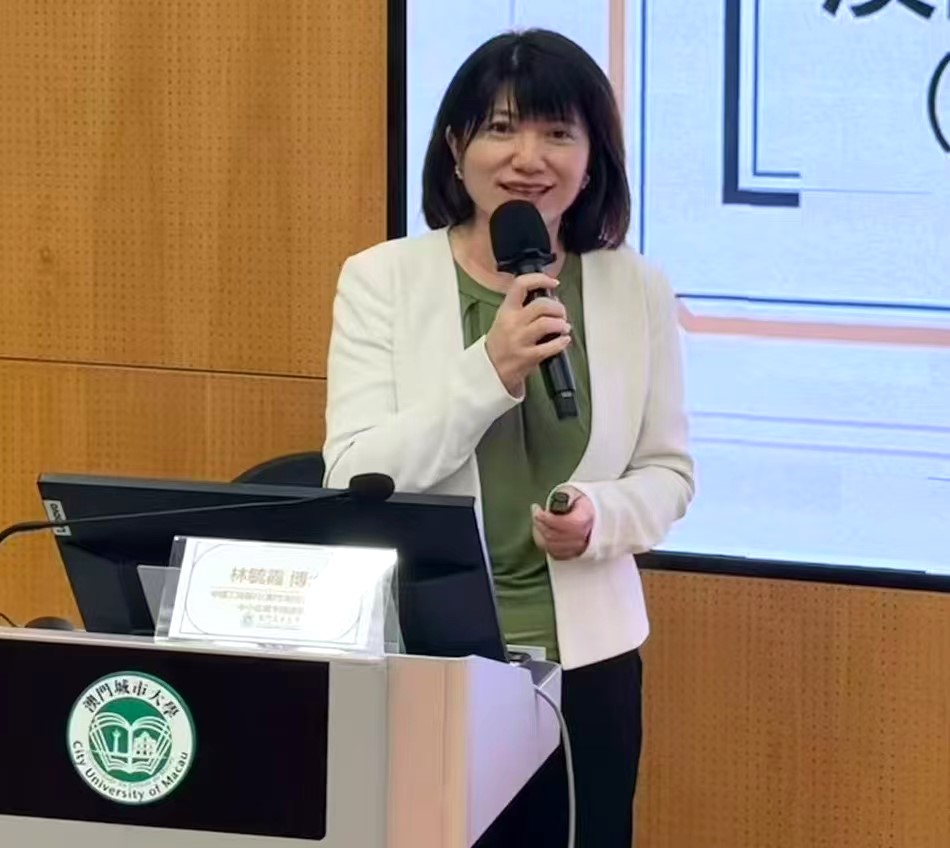
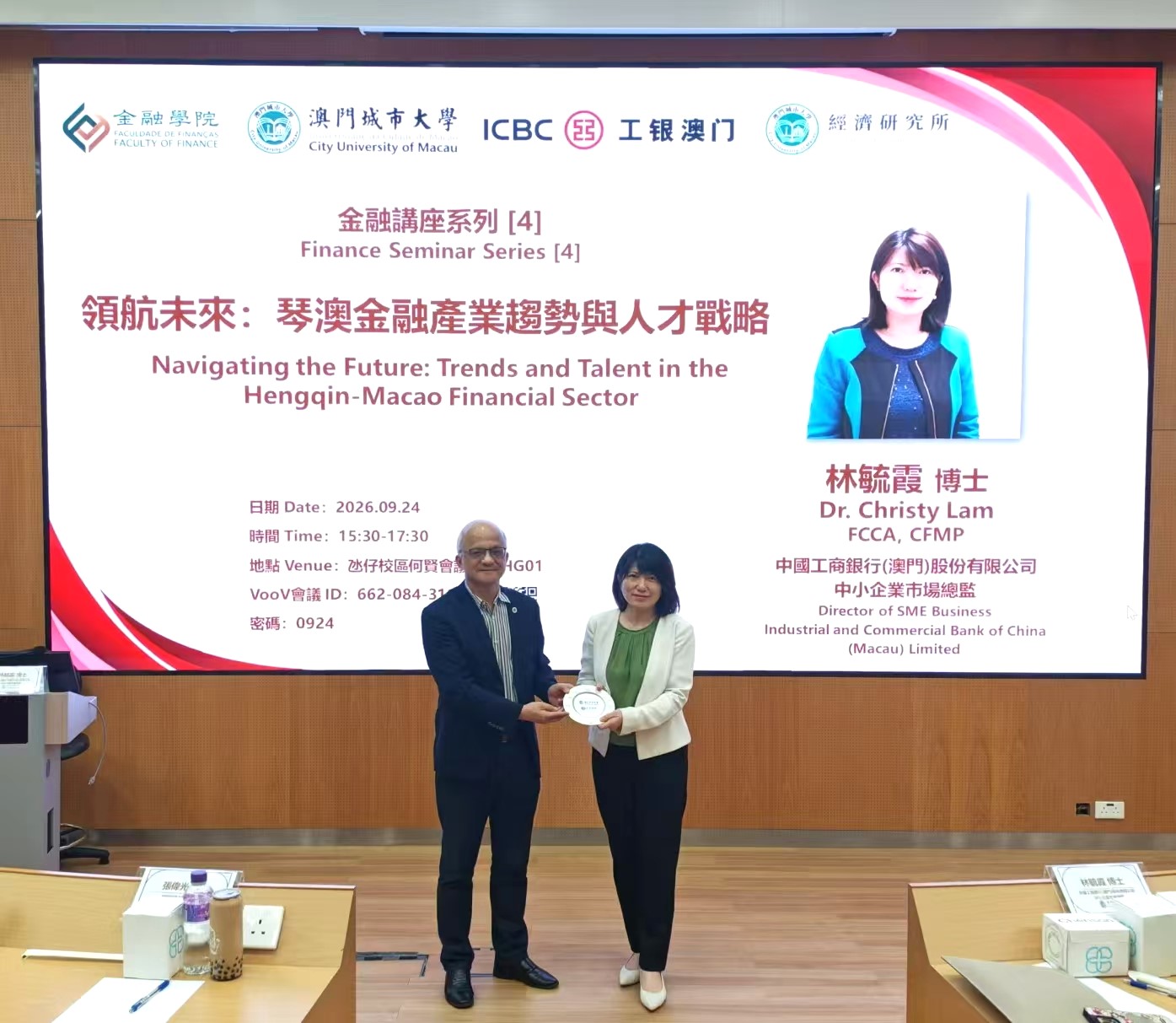
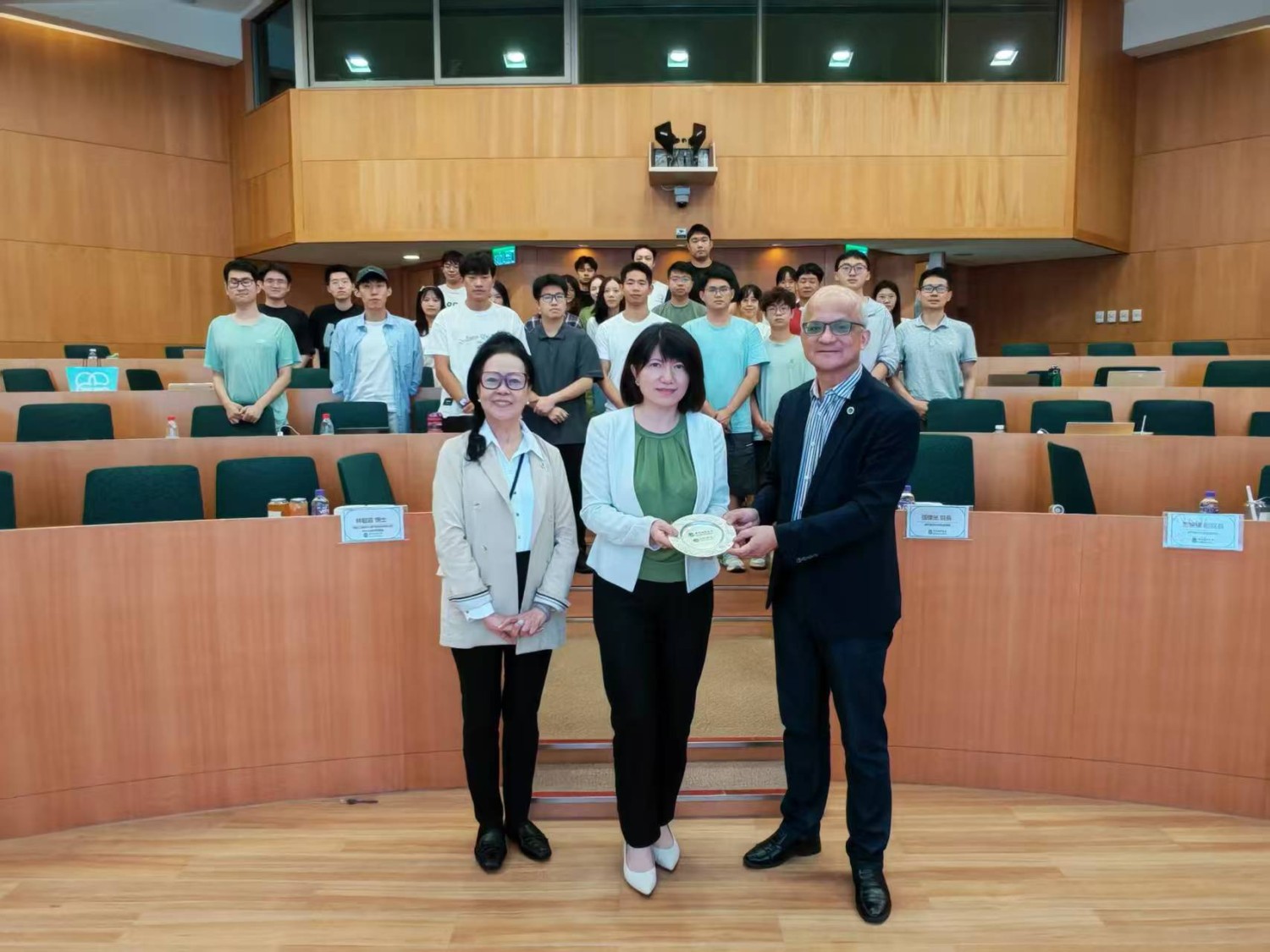
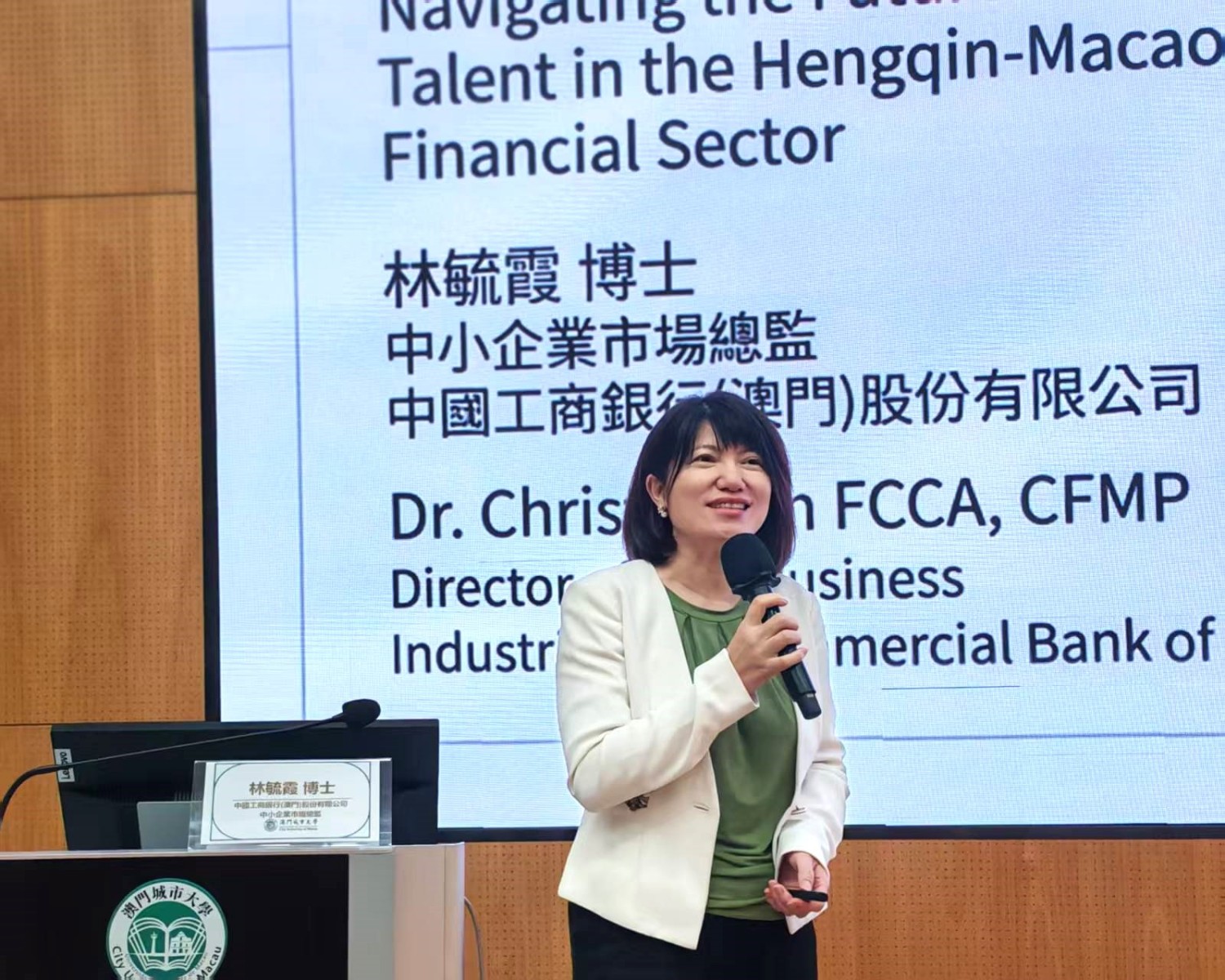
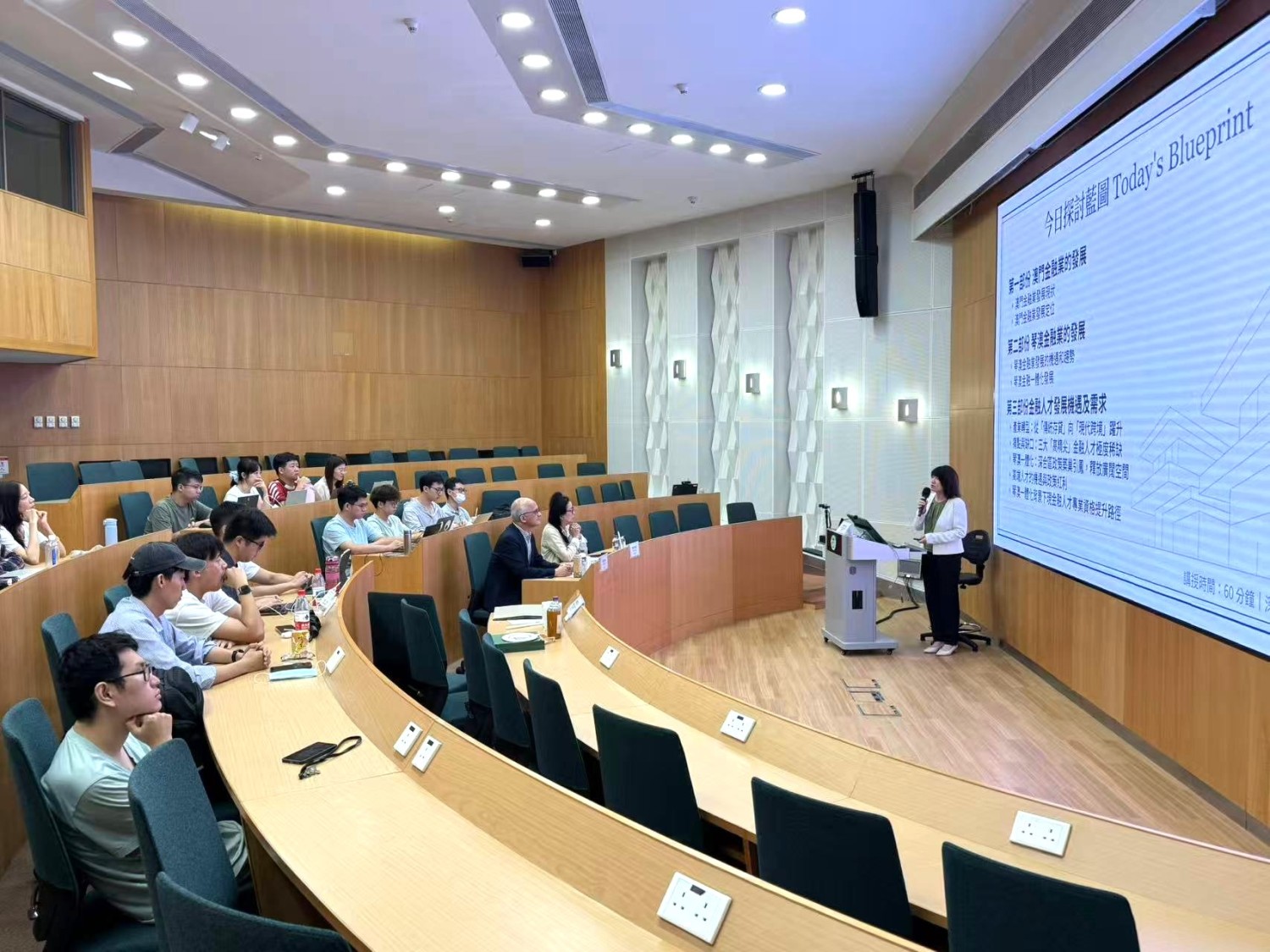
On September 24, 2026, the Faculty of Finance at City University of Macau held a finance seminar at Ho Yin Conference Center on Taipa Campus. The seminar featured Dr. Christy Lam, Director of SME Business Industrial and Commercial Bank of China (Macau) Limited, as the keynote speaker. The seminar focused on the theme "Navigating the Future: Trends and Talent in the Hengqin-Macao Financial Sector". Distinguished guests included Dean Adrian Cheung and Associate Dean Eva Khong from Faculty of Finance of City University of Macau.
Dr. Christy Lam holds dual master's degrees, a bachelor's degree, and a Doctor of Business Administration degree. She is a Fellow of the Chartered Association of Certified Accountants (FCCA) and a Certified Financial Management Planner (CFMP). She currently serves as Director of SME Market and General Manager of the Inclusive Finance Department of ICBC Macau, and also holds multiple social positions, including Member of the Sichuan Provincial Committee of the Chinese People's Political Consultative Conference for Macao, Member of the Chief Executive Election Committee of Macao, Founding President of the ICBC Macau Youth Association, Member of the Macao Zone Steering Committee, and Deputy Director of the Economic and Technological Development Committee of the Association of Provincial CPPCC Members of Macao.
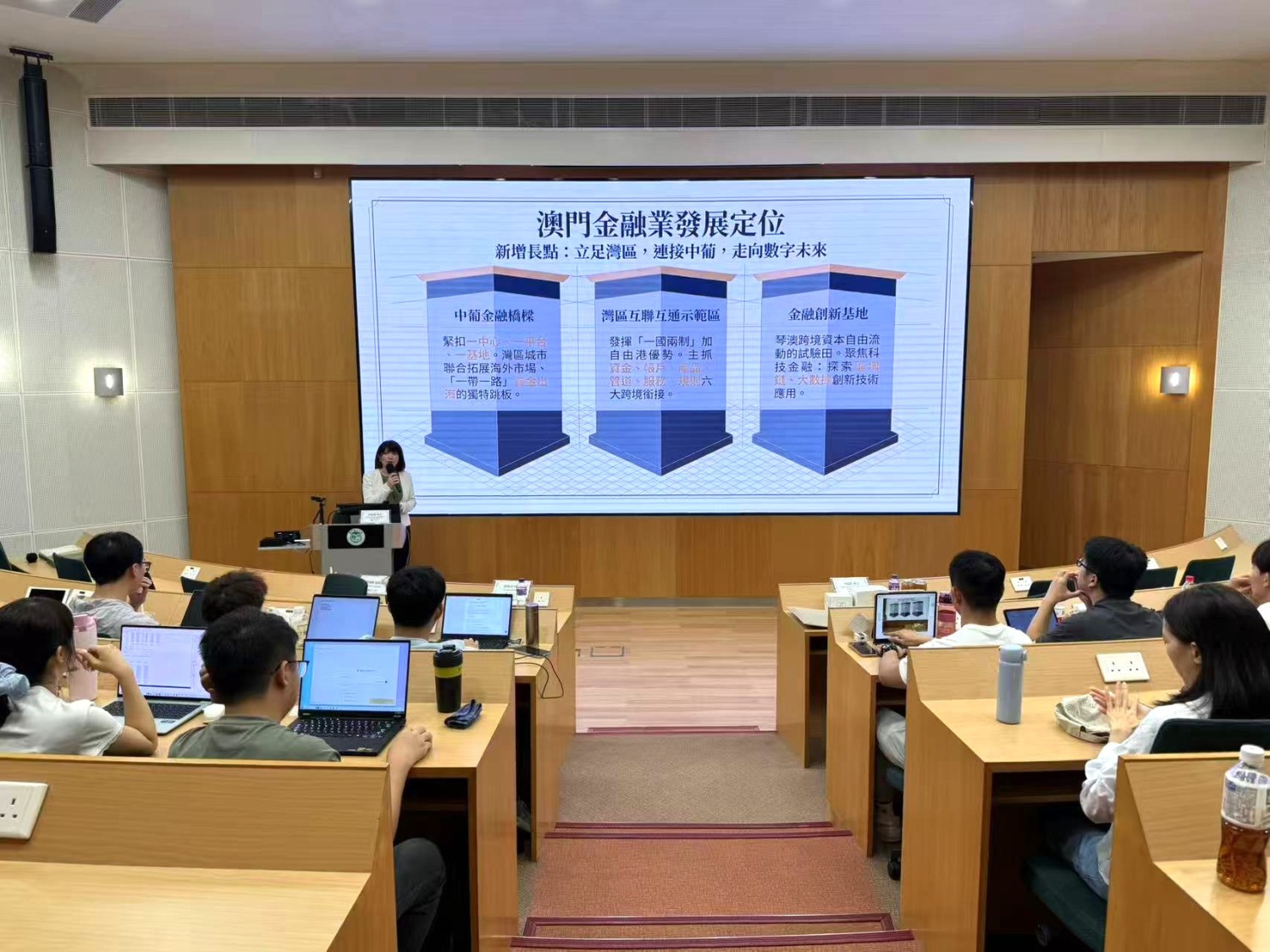
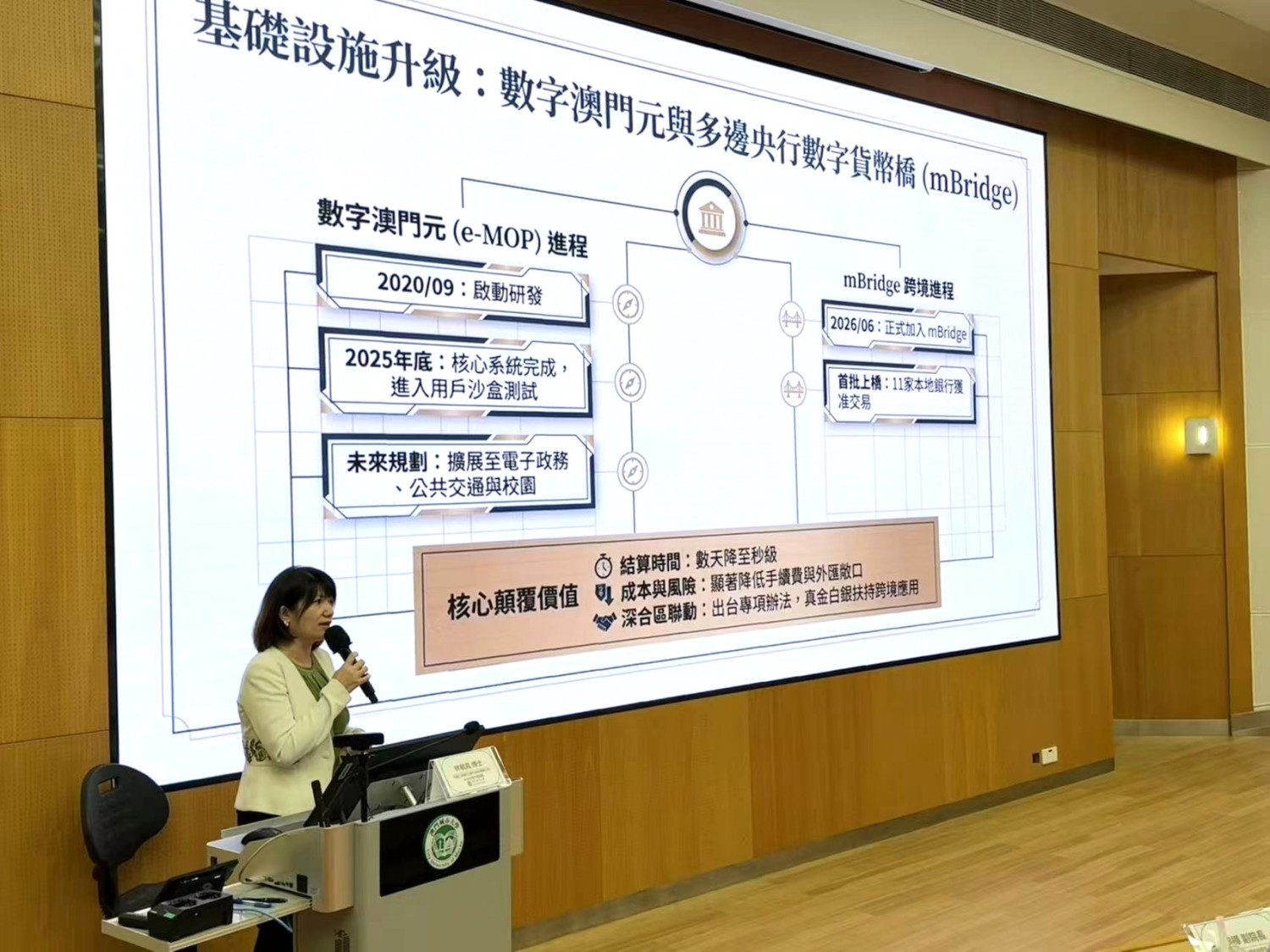
During the seminar, Dr. Christy Lam provided an in-depth analysis of the current development status and positioning of Macao's financial industry, the opportunities and trends in the development of the Hengqin-Macao financial industry, the integrated development of Hengqin-Macao finance, and the financial talent development strategy. The content of the seminar was closely aligned with the policy context of the "The General Plan for Construction of the Guangdong-Macao In-Depth Cooperation Zone in Hengqin" and the "30 Measures for Financial Support in Hengqin", painting a clear blueprint for the development of modern finance in Hengqin and Macao. Dr. Lam first pointed out that Hengqin-Macao financial integration is breaking the old perception that "Macao's economy is small in scale and Hengqin's development is slow" because Macao's financial strengths and Hengqin's spatial carriers form a multiplier effect. Regarding the current development status of Macao's financial industry, Dr. Lam noted that Macao's banking and insurance sectors continue to remain stable, and the total scale of financial assets is considerable. As a global offshore financial center, Macao possesses advantages such as a high degree of internationalization and liberalization, an independent interest rate system, large transaction scale and low operating costs, and preferential tax treatment. Its future positioning focuses on serving as a "China-Portuguese financial bridge", a "demonstration zone for Bay Area interconnectivity", and a "financial innovation base", rooted in the Bay Area, connecting China and Portuguese-speaking countries, and moving toward a digital future. In terms of infrastructure, the digital Macao pataca (e-MOP) continues to advance, the mBridge cross-border process is steadily being implemented, and efficient settlement is being achieved. The cumulative scale of the bond market has exceeded one trillion Macao patacas, the added value of the financial industry in the In-Depth Cooperation Zone accounts for a significant proportion of regional GDP, and the results of Hengqin-Macao collaboration are remarkable.
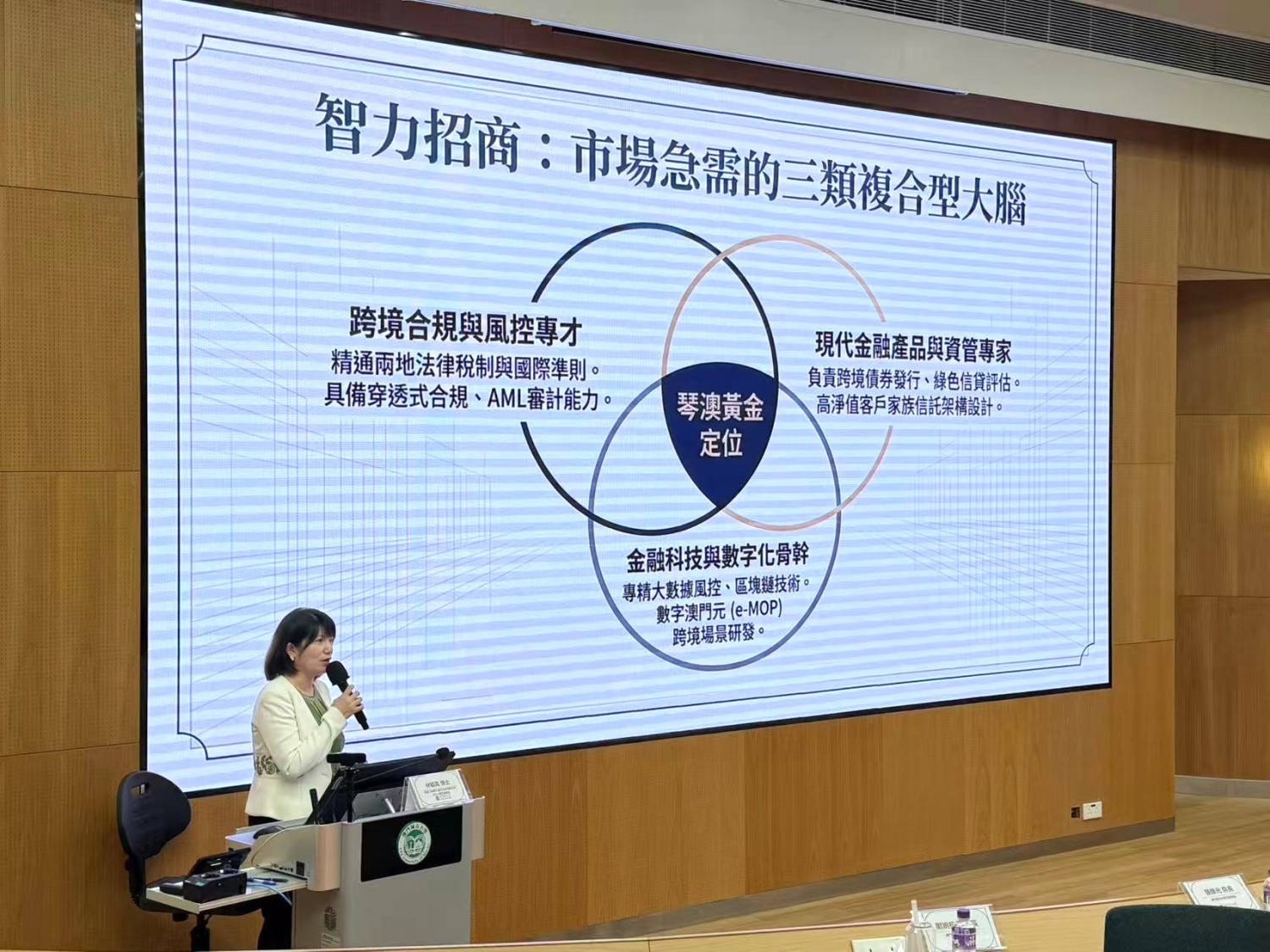
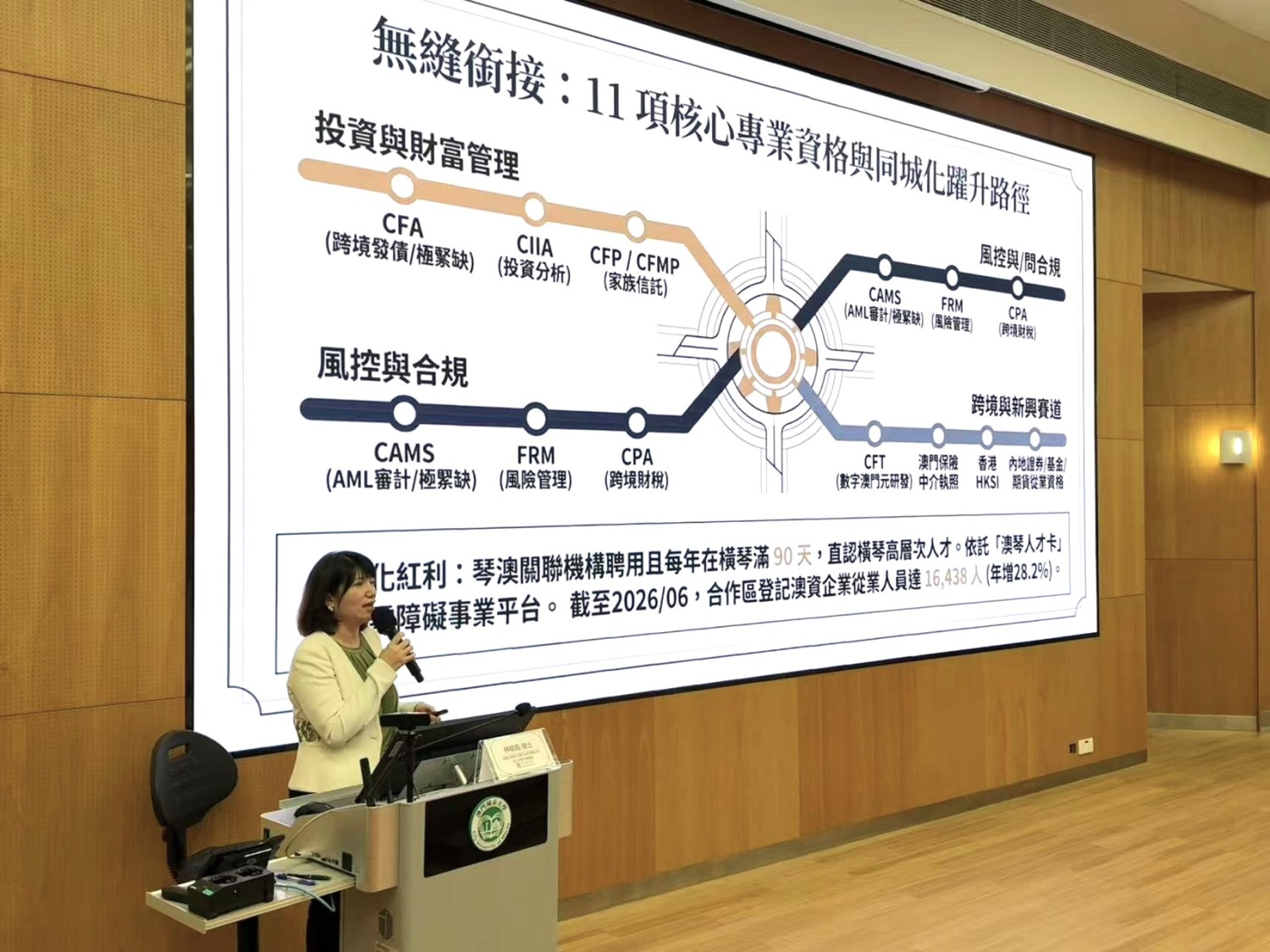
Regarding the opportunities and trends in the development of the Hengqin-Macao financial industry, Dr. Lam broadly cited the " The General Plan for Construction of the Guangdong-Macao In-Depth Cooperation Zone in Hengqin" (2021) to explain the macro breadth, proposing the development of modern finance, innovation in cross-border management, and innovation in foreign debt mechanisms. From the micro-level depth, the "30 Measures for Financial Support in Hengqin" (2023) put forward specific integrated innovation plans to strengthen the deep interconnectivity of financial markets, institutions, products, and talent between Hengqin and Macao; improve financial infrastructure, such as cross-border payment and settlement systems; integrate resources in the In-Depth Cooperation Zone; and support the joint development of offshore financial business between Hengqin and Macao. The turning point in financial talent strategy is leaping from "traditional stock" to "modern cross-border". Dr. Lam emphasized in the seminar that demand for traditional banking practitioners is approaching saturation; emerging drivers such as insurance and private pension funds have seen significant increases in employment. The market urgently needs three types of composite talent: cross-border compliance and risk control specialists, modern financial product and asset management experts, and fintech and digitalization backbone personnel. Hengqin-Macao integration provides a "double benefit": on the Macao side, the talent introduction system offers residency rights and tax incentives; on the Hengqin side, it provides tiered financial support covering youth and scientific research, professionals and senior executives, and innovation and entrepreneurship teams. Multiple core professional qualifications and same-city development pathways are seamlessly connected, relying on the "Macao-Hengqin Talent Card" to create a barrier-free career platform.
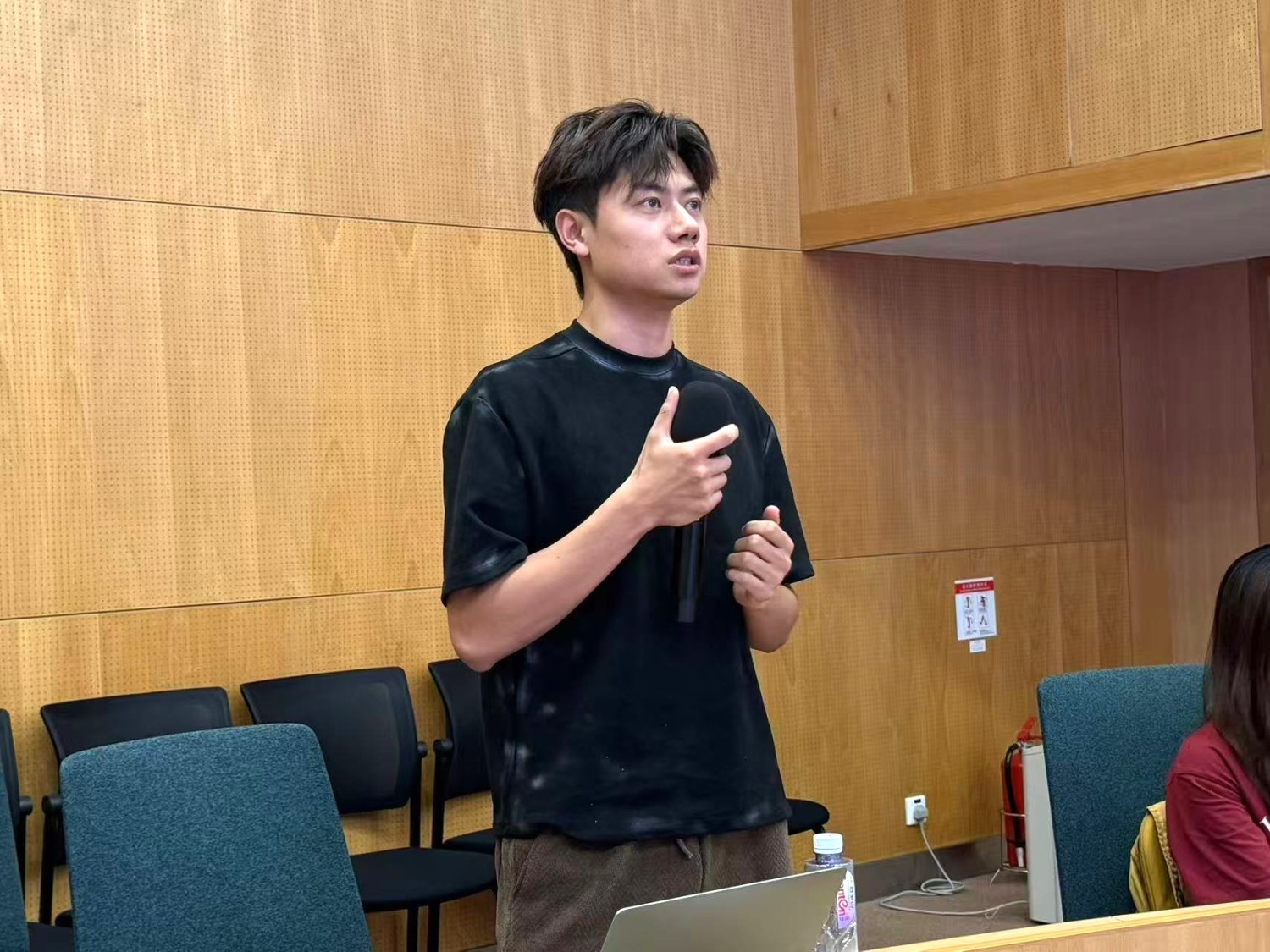
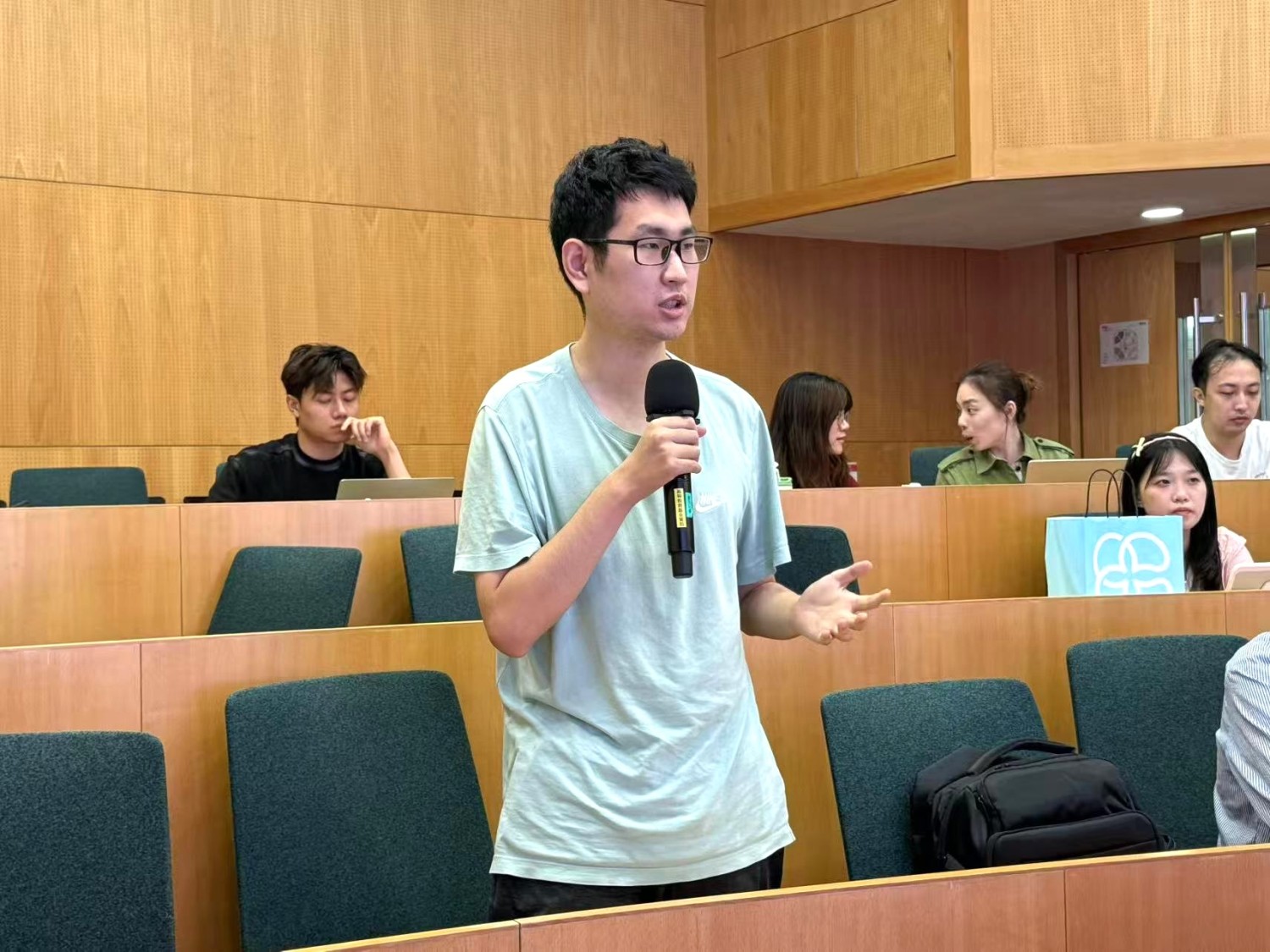
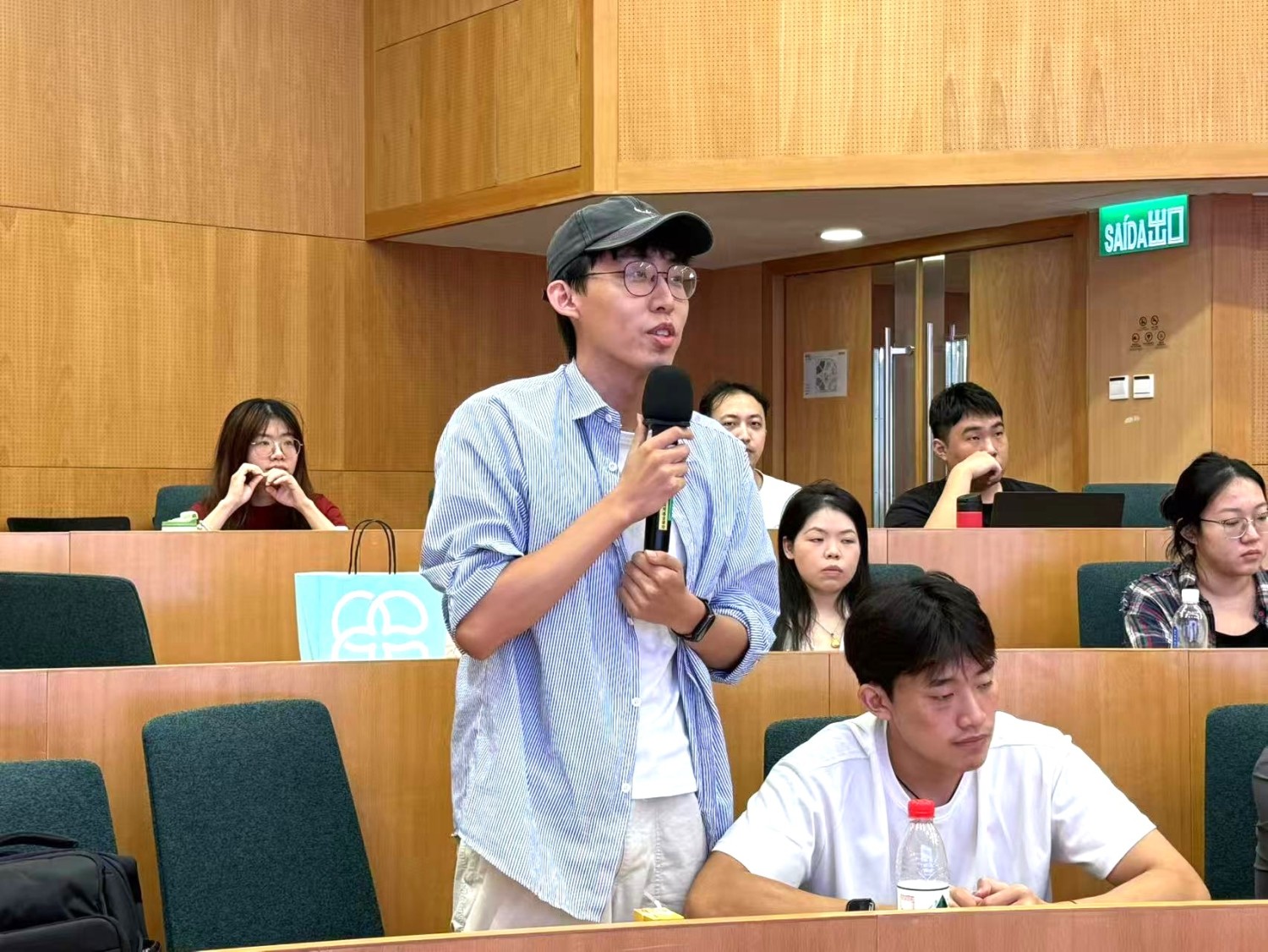
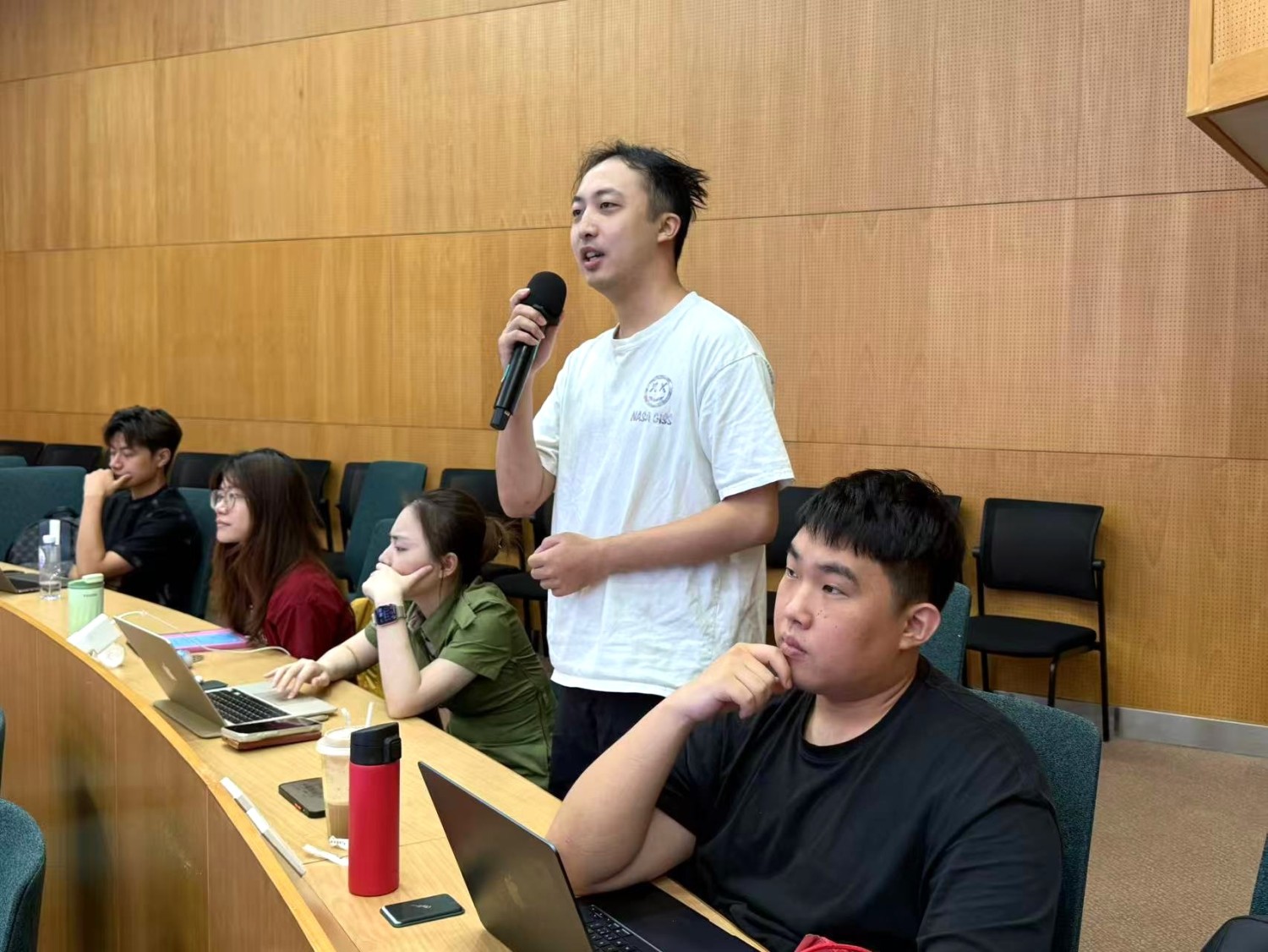
During the exchange session, Dr. Lam actively interacted with the students. The teachers and students of the Faculty of Finance sincerely thanked Dr. Christy Lam for her wonderful sharing and stated that the seminar helped them understand the enormous opportunities in Hengqin-Macao cross-border finance, as well as the key role of high-end composite talent in the modern financial ecosystem, which helped students broaden their horizons and plan their future career directions. The students said they had gained a great deal and looked forward to the Faculty continuing to hold more industry sharing activities.