


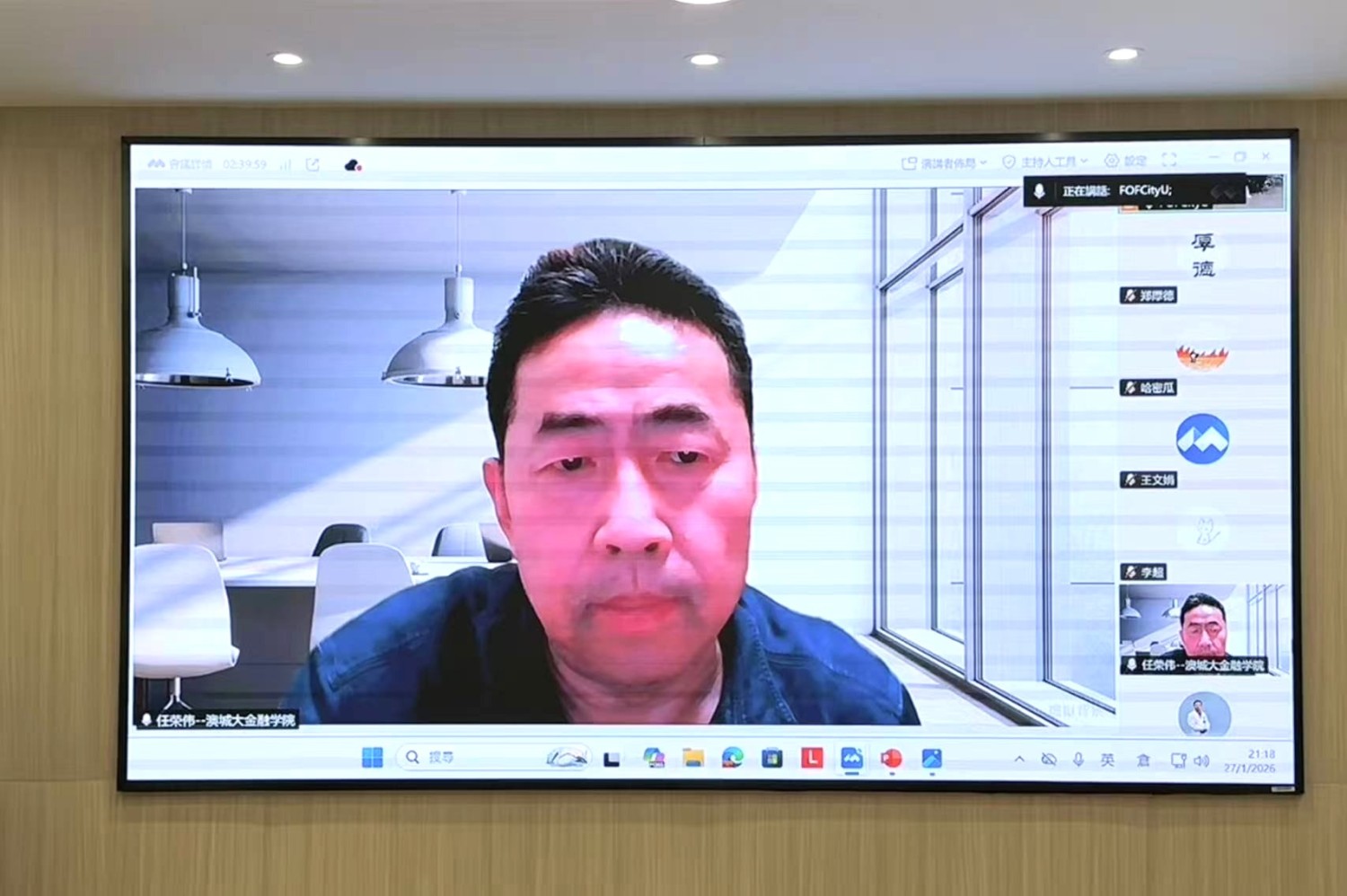
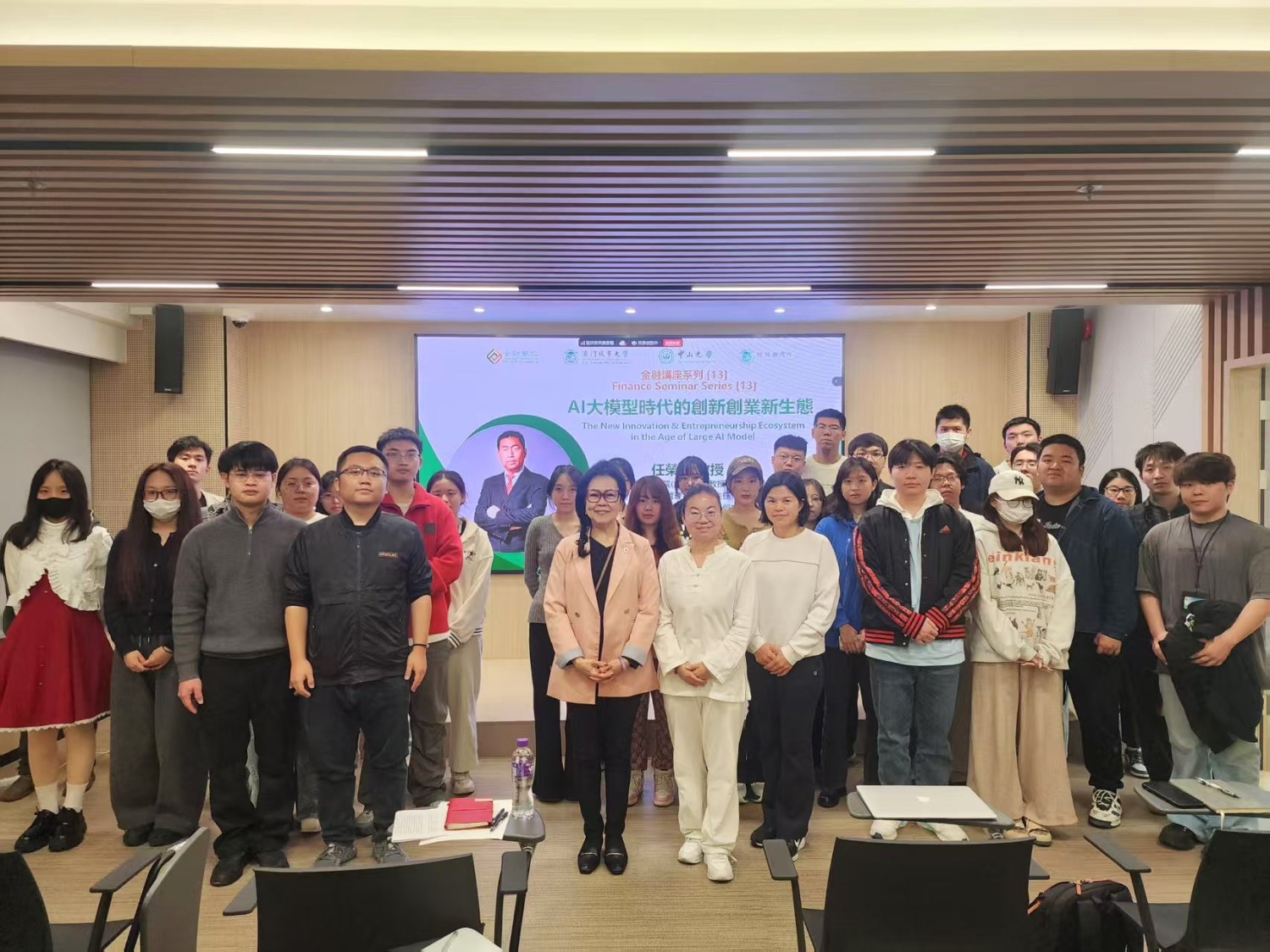
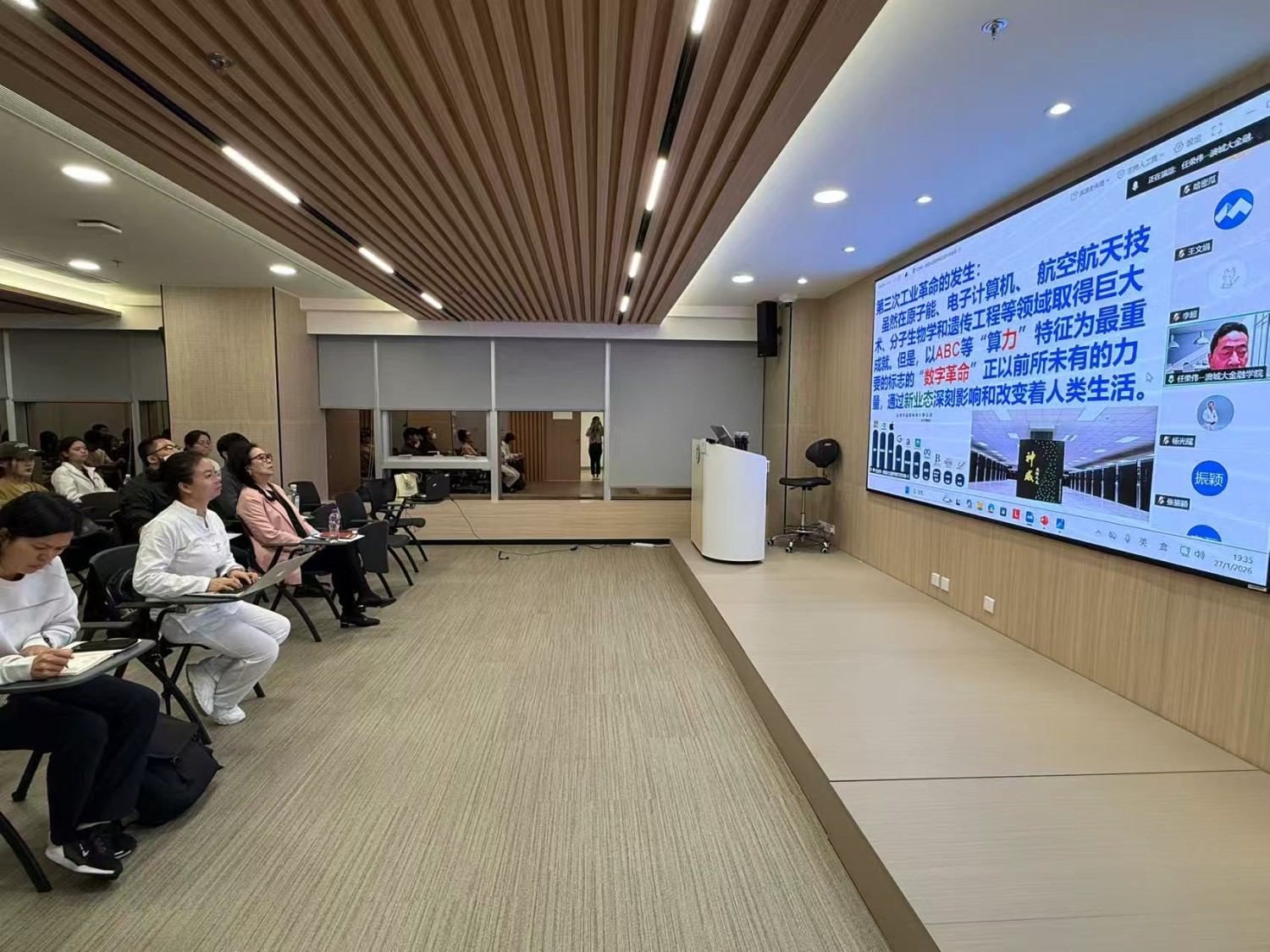
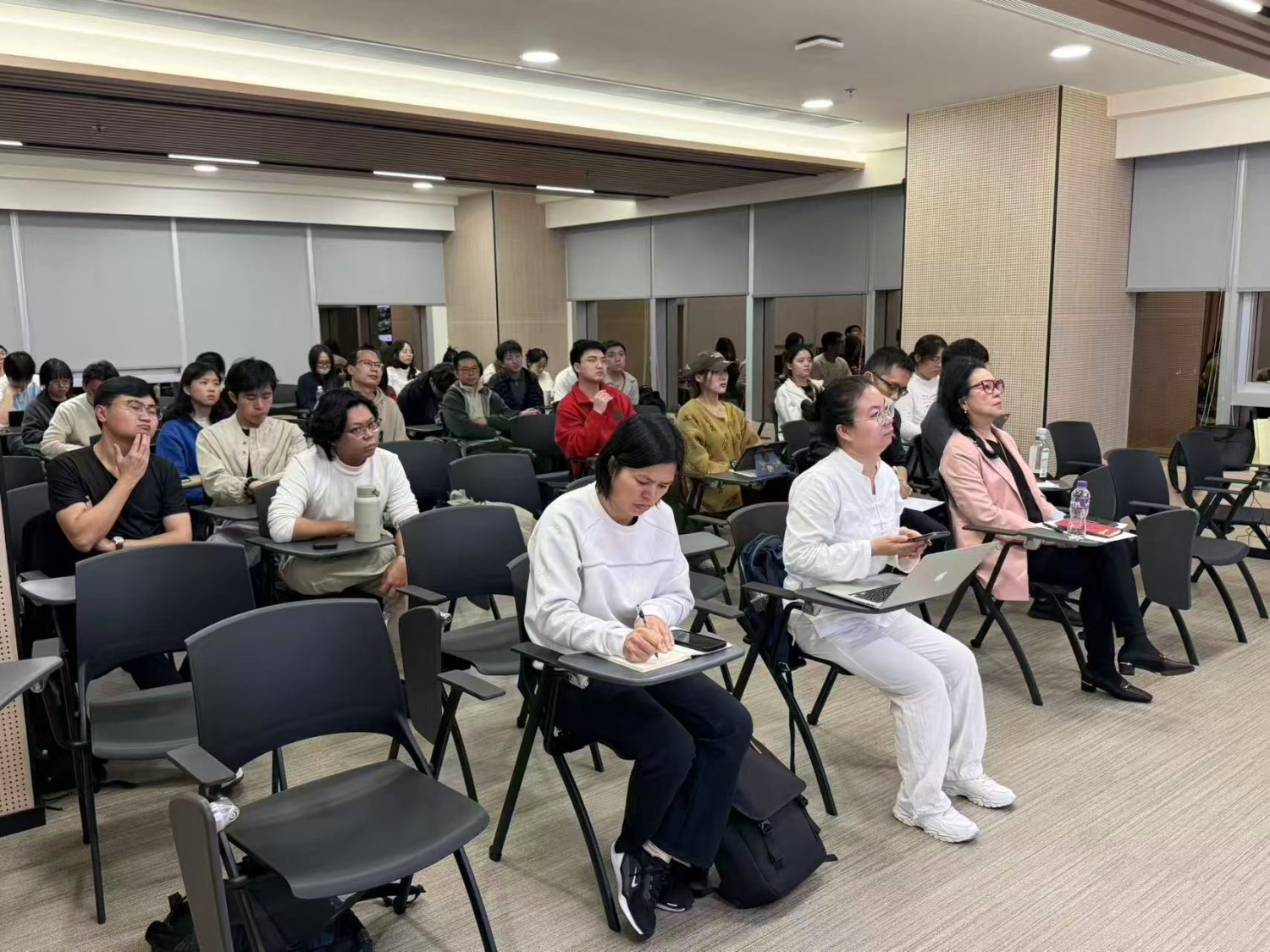
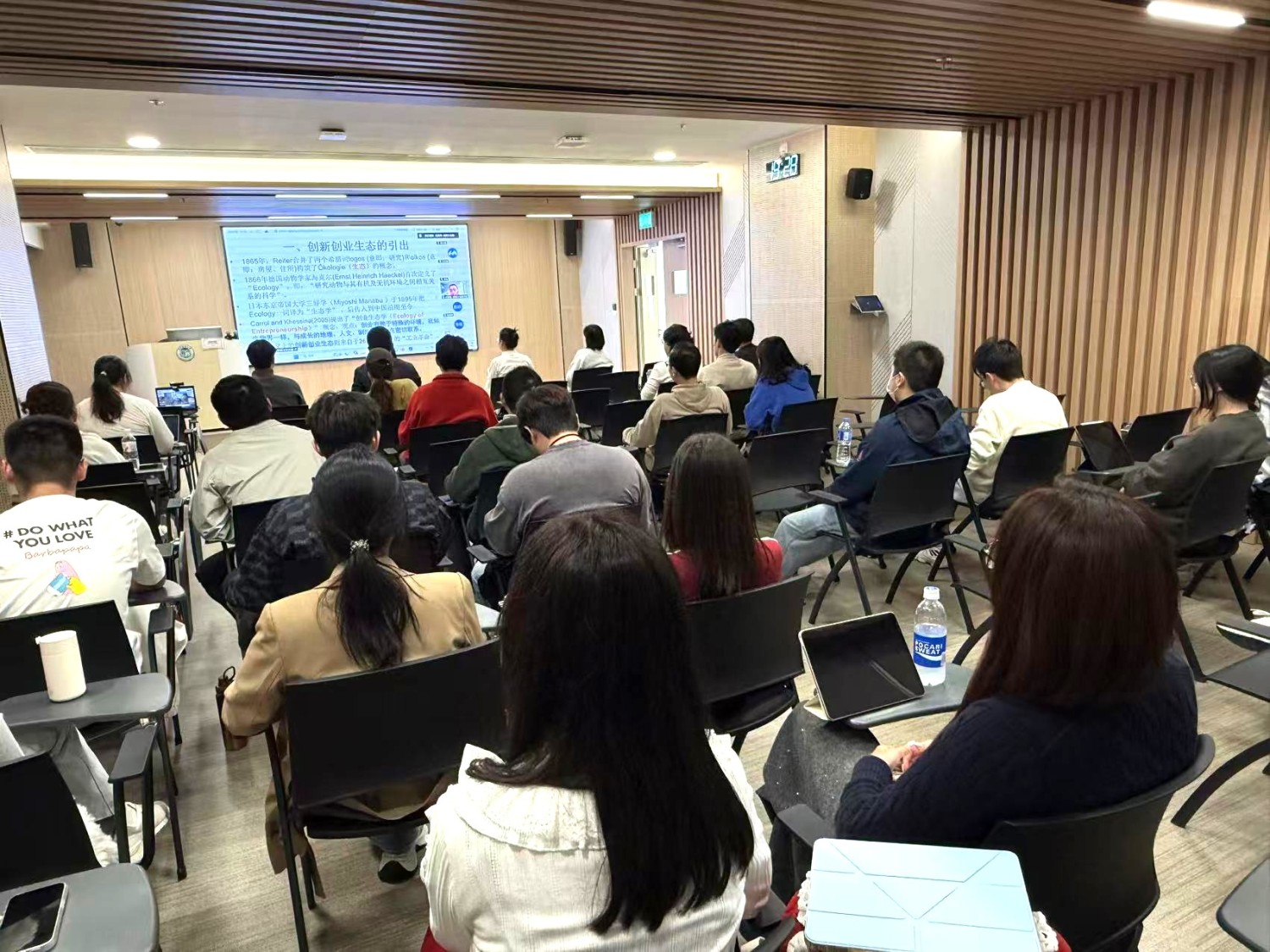
On January 28, 2026, the Faculty of Finance of City University of Macau held a finance seminar at Golden Dragon Campus, Macau. The seminar featured Professor Rongwei Ren, School of Business (Entrepreneurship College), Sun Yat-sen University, and Distinguished Professor of City University of Macau, was invited as the keynote speaker. The seminar focused on the theme "The New Innovation & Entrepreneurship Ecosystem in the Age of Large AI Model." Distinguished guests included Associate Dean Eva Khong of the Faculty of Finance.
Professor Rongwei Ren has acquired PhD in Business Management at Nanjing University. He is a visiting scholar in the department of international development at Oxford University. He is currently a professor and Doctoral Supervisor at the School of Business (Entrepreneurship College), Sun Yat-sen University, Director of the Innovation and Entrepreneurship Education Office, Deputy Director of the Guangdong Provincial Innovation and Employment Guidance Committee, and a Distinguished Professor at the City University of Macau. Recognized as one of the Ministry of Education's "Ten Thousand Outstanding National Innovation and Entrepreneurship Mentors," he has been honored with the "Baosteel National Outstanding Teacher Award" and the honorary title of “Outstanding Teacher of Southern Guangdong.” by Guangdong Province.
Professor Ren has long been engaged in monographic research on national innovation and entrepreneurship strategy theory and policy, venture capital management and the growth of start-ups. Research results have been adopted by the China Association for Science and Technology, the Communist Youth League Central Committee, and the Guangdong Provincial Party Committee and Provincial Government. He has published more than 50 academic papers on innovation and entrepreneurship in important domestic and foreign journals such as AMP and Management World, and authored many monographs, translations and textbooks. He has presided over and participated in national, provincial and ministerial research projects such as the National Natural Science Foundation of China, the National Social Science Fund of China, and the Humanities and Social Science General Program of the Ministry of Education.
At the beginning of the seminar, Professor Ren pointed out that a nation or region's industrial competitiveness is reflected in the high-level integration of four key elements: new technology, capital, talent, and institutions, humorously referred to as the "Mahjong Model." Professor Ren emphasized that within this model for constructing an innovation and entrepreneurship ecosystem, institutions are paramount. Furthermore, addressing the current development status of the Guangdong-Hong Kong-Macao Greater Bay Area (GBA), Professor Ren highlighted two core problems based on the Outline Development Plan for the Guangdong-Hong Kong-Macao Greater Bay Area: firstly, insufficient momentum for high-tech growth, particularly a lack of influential high-tech enterprises in cutting-edge fields like large AI models; and secondly, low integration of cross-border high-tech elements, where efficient collaborative mechanisms for talent, capital, and technology transfer between Hong Kong, Macao, and Guangdong are not yet fully formed. These issues constrain the construction progress of the GBA as an international hub for technology and innovation.
Additionally, Professor Ren focused on how large AI model technology is reshaping the fundamental logic of innovation and entrepreneurship. Using China's independently developed large AI model "DeepSeek" as a typical case, he explained its strategic significance in breaking computational monopolies through technological innovation and significantly reducing application costs, thereby providing opportunities for small and medium-sized enterprises to utilize AI for "cost reduction and efficiency improvement". The seminar also included a comparative analysis of the United States' leading advantages in the AI field and the supporting ecosystem behind it, encompassing key elements such as venture capital mechanisms, supporting policies and regulations, and industry-university-research integration models.
Drawing on international experience, Professor Ren proposed a systematic framework for building a new innovation and entrepreneurship ecosystem in the GBA. He emphasized the need to establish a dual-drive mechanism combining "push" and "pull" factors: on the one hand, providing foundational support through institutional innovation, and on the other hand, stimulating endogenous momentum through market mechanisms. Specifically, optimizing Guangdong's innovation and employment ecosystem involves eight key pillars: building a "globalized" major Guangdong platform for the transformation of internationally cutting-edge achievements; establishing a "market-oriented" trillion-yuan mother fund for the transformation of cutting-edge achievements in the GBA; creating an "internationalized" GBA Innovation Academy for cutting-edge achievement transformation; initiating a "Guangdong-Hong Kong-Macao Greater Bay Area" New Industry "GBA International Forum"; promoting "financialization" for the transformation of cutting-edge achievements in the Bay Area; constructing an "industry-university-research integrated" new system linking innovation, talent, and marketization; developing a new "AI Era" innovation evaluation system—the GBA Innovation Index; and fostering a "new culture" as fertile ground for young entrepreneurs' innovation and entrepreneurship in the Bay Area.
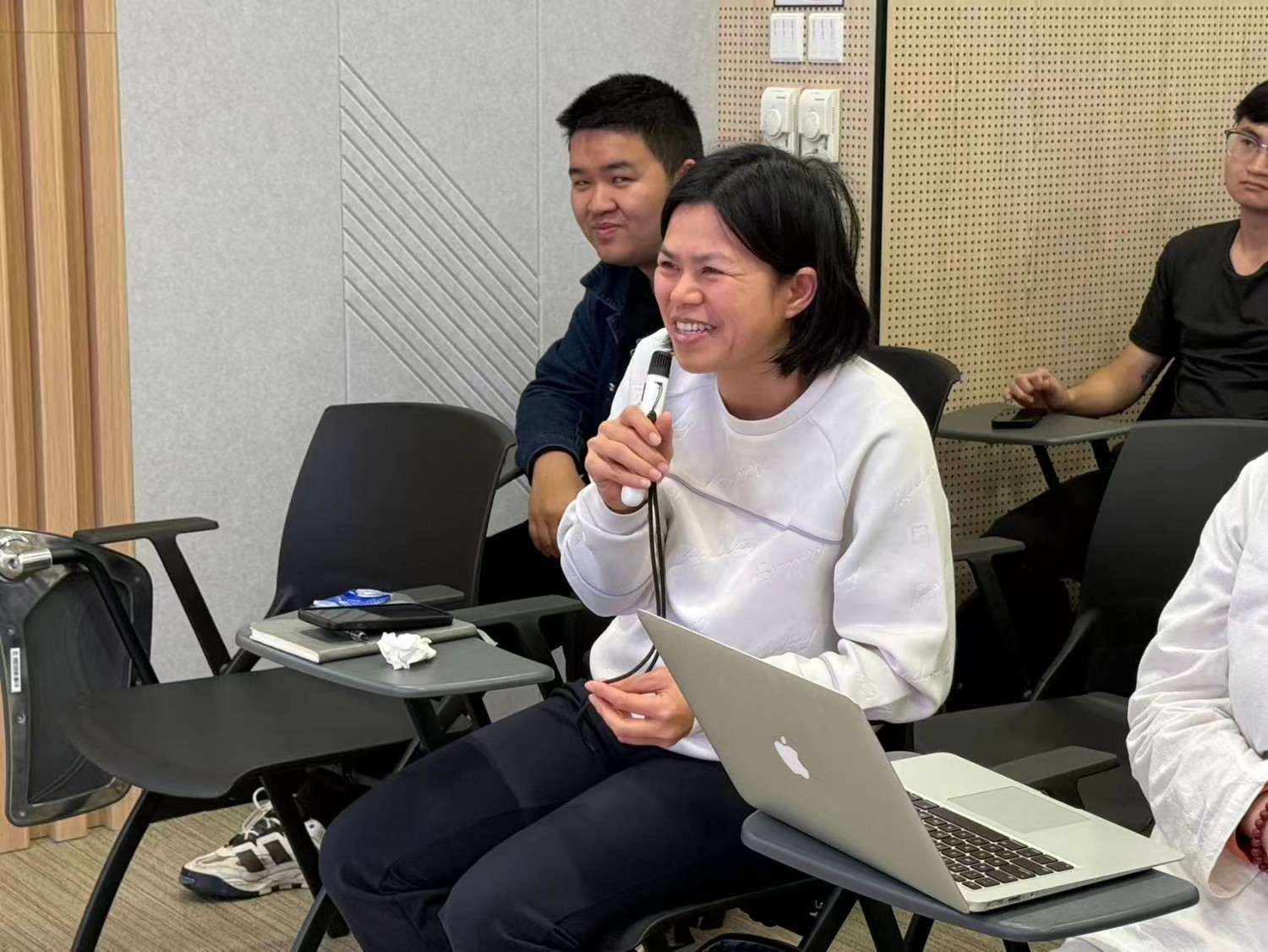
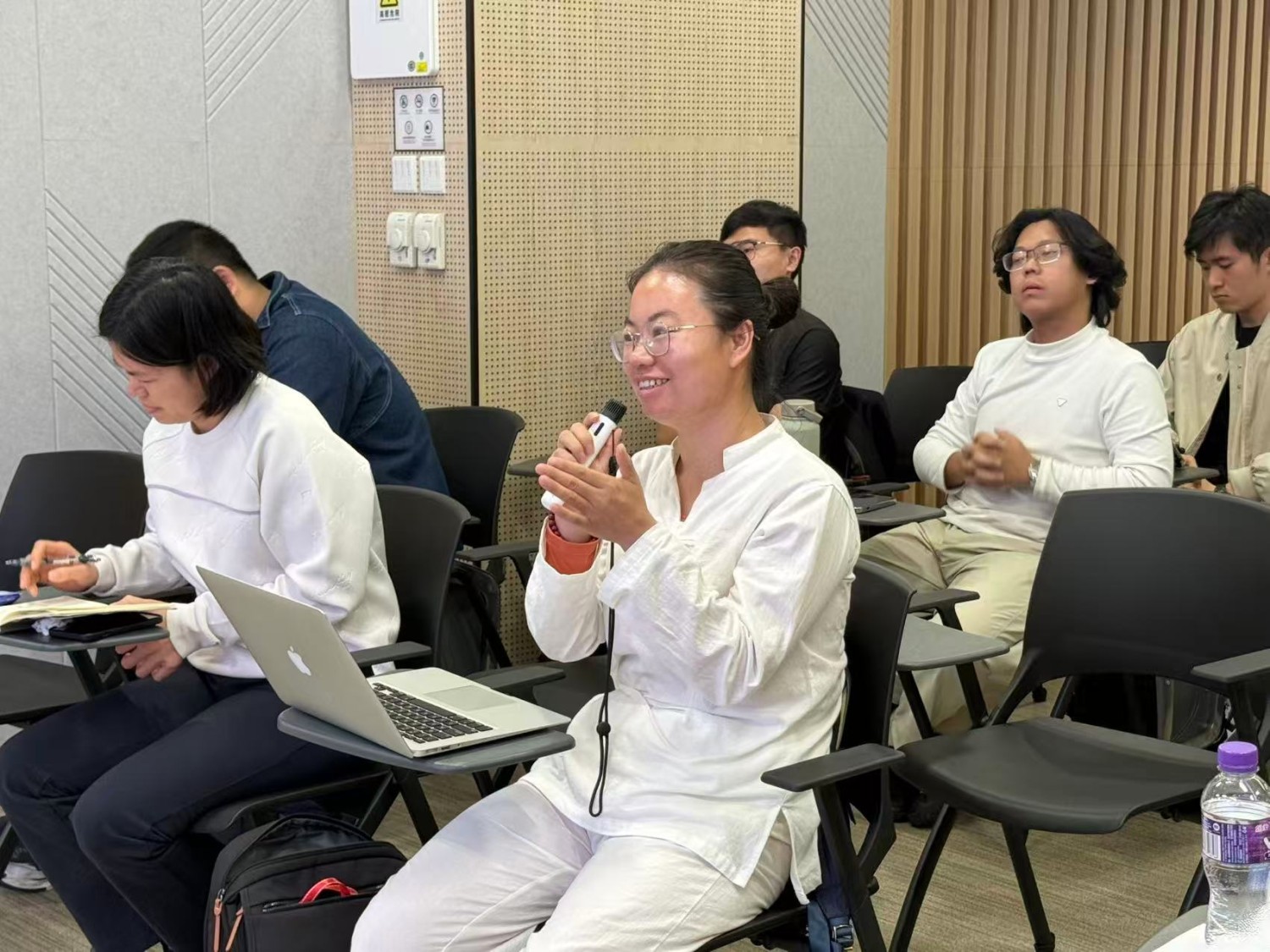
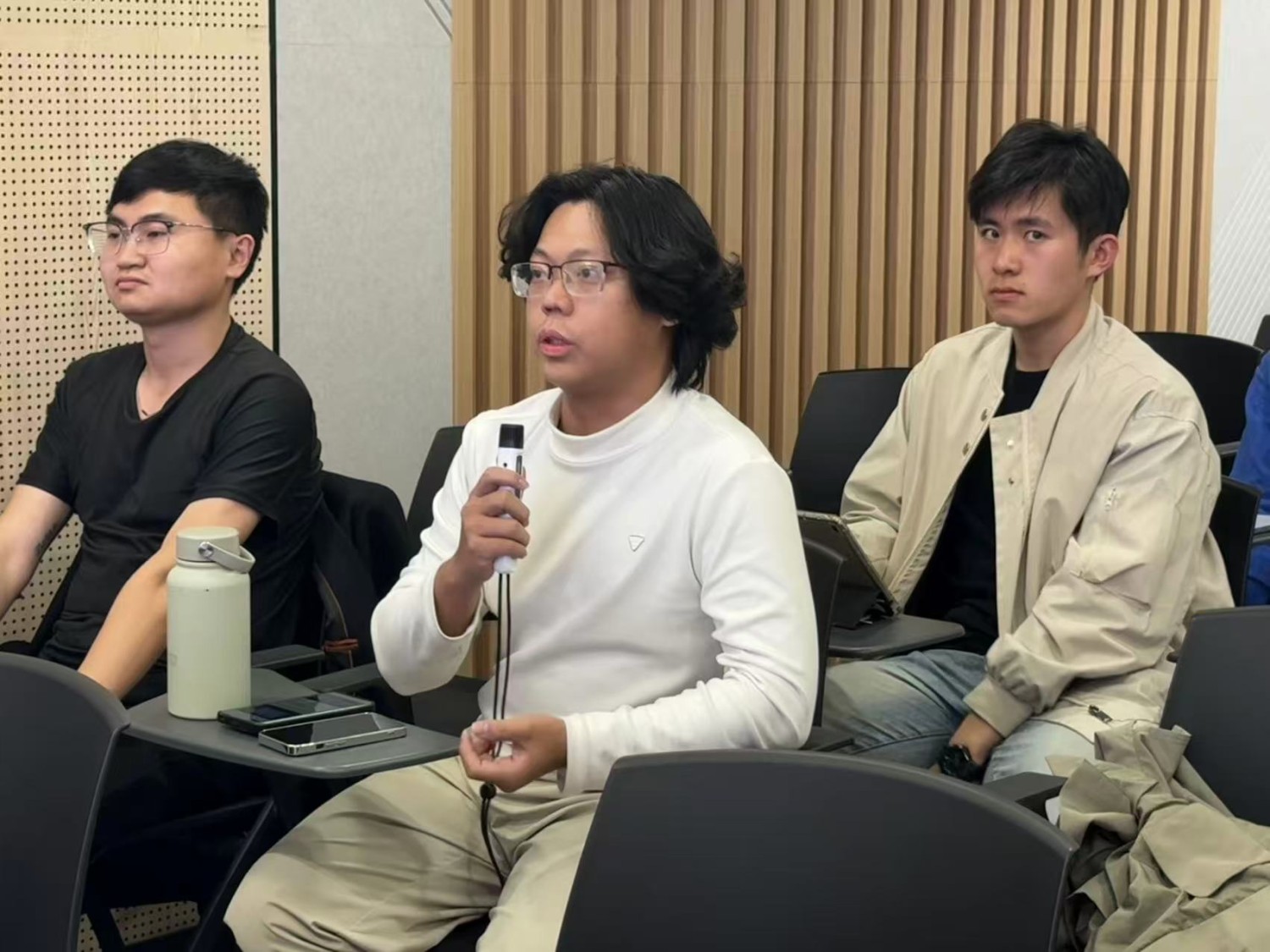
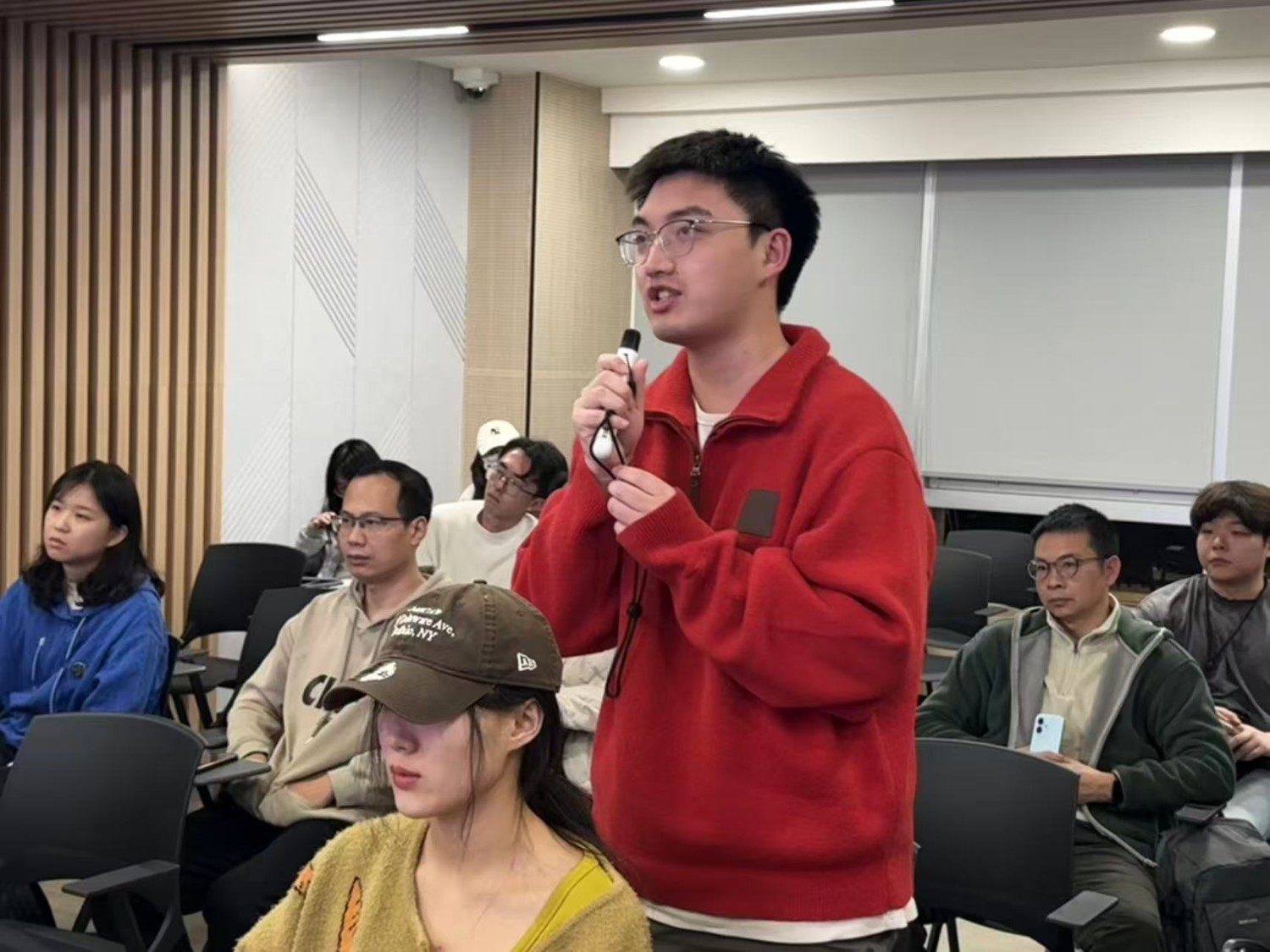
Finally, students actively engaged in a Q&A session with Professor Ren, who remarked on the professionalism of their questions and patiently provided detailed answers. In response to questions about the GBA's innovation and entrepreneurship environment, Professor Ren highlighted that Hengqin is forming a positive ecosystem and suggested positioning Hengqin as a crucial source for promoting entrepreneurship. Furthermore, Professor Ren proposed collaborating with the faculty to jointly participate in building a new AI innovation and entrepreneurship ecosystem in the GBA, aiming to enhance the outcomes of industry-university-research integration. Students expressed their anticipation and gratitude for potential future collaboration opportunities with Professor Ren. This seminar provided faculty and students of the Faculty of Finance with a significant platform for in-depth reflection on future innovation pathways and seizing regional development opportunities, contributing to the GBA's pursuit of new breakthroughs in global technological competition. The faculty and students once again extended their sincere thanks to Professor Ren for his insightful analysis and valuable experience sharing, which provided an invaluable lesson.