


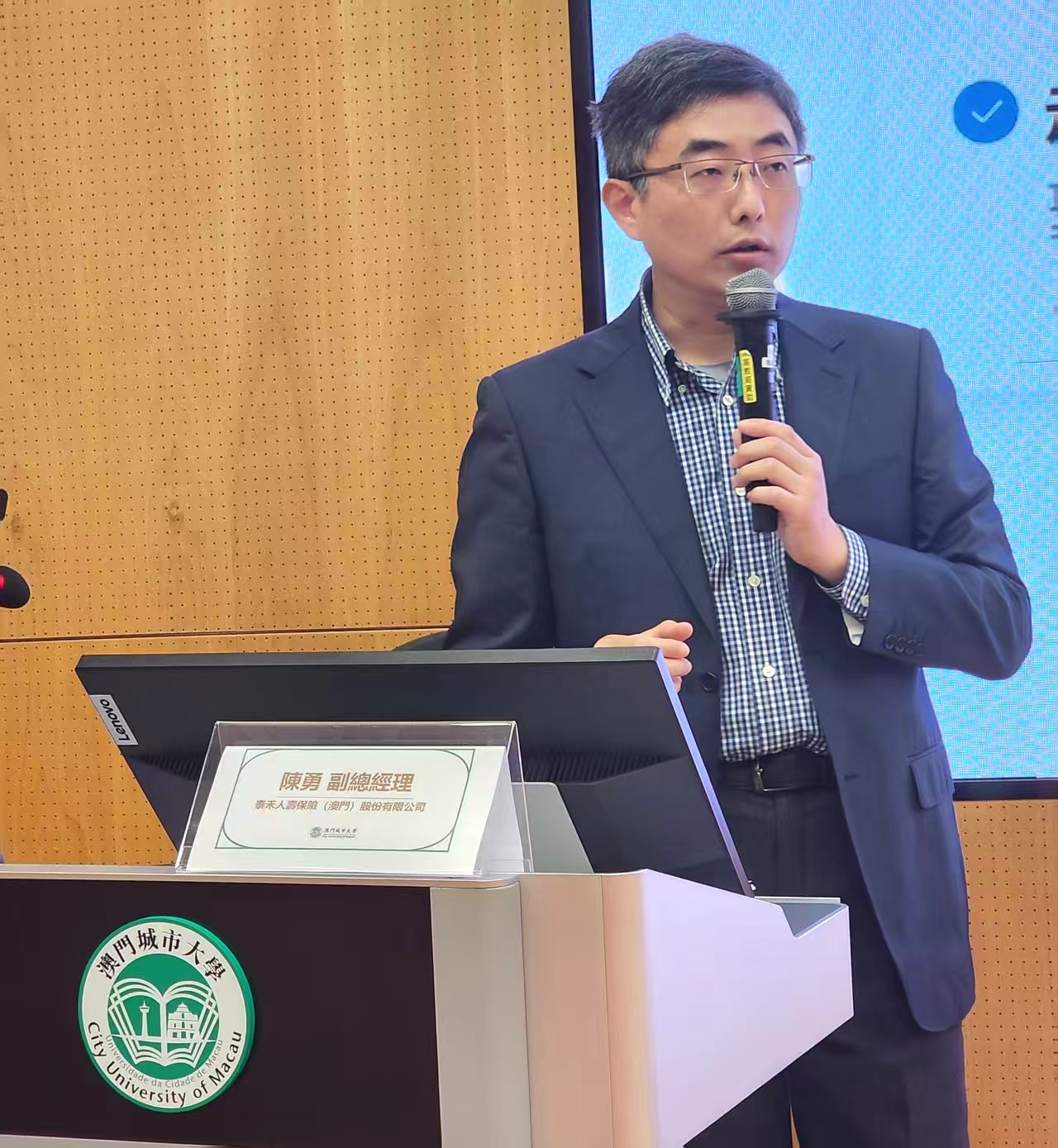
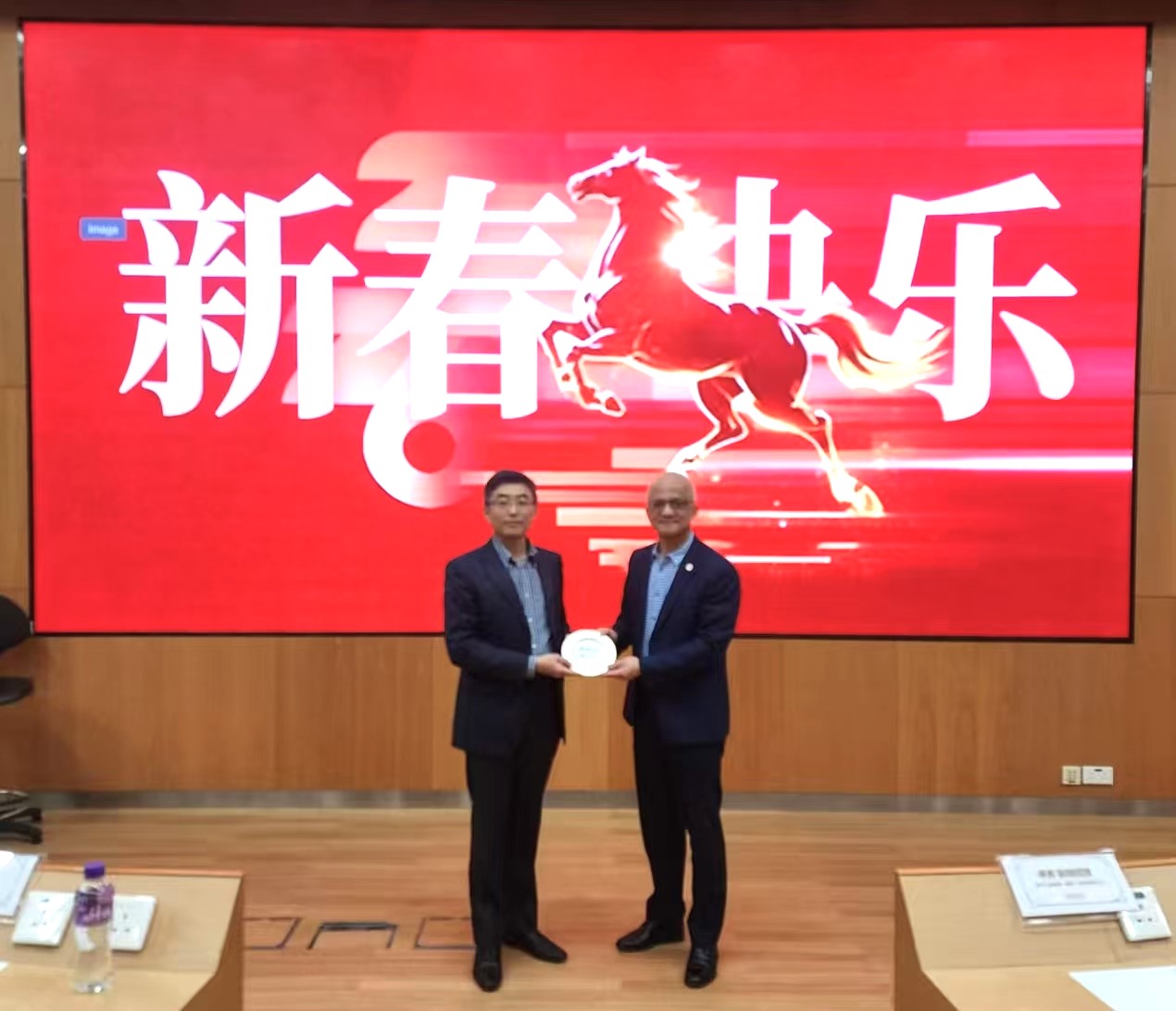
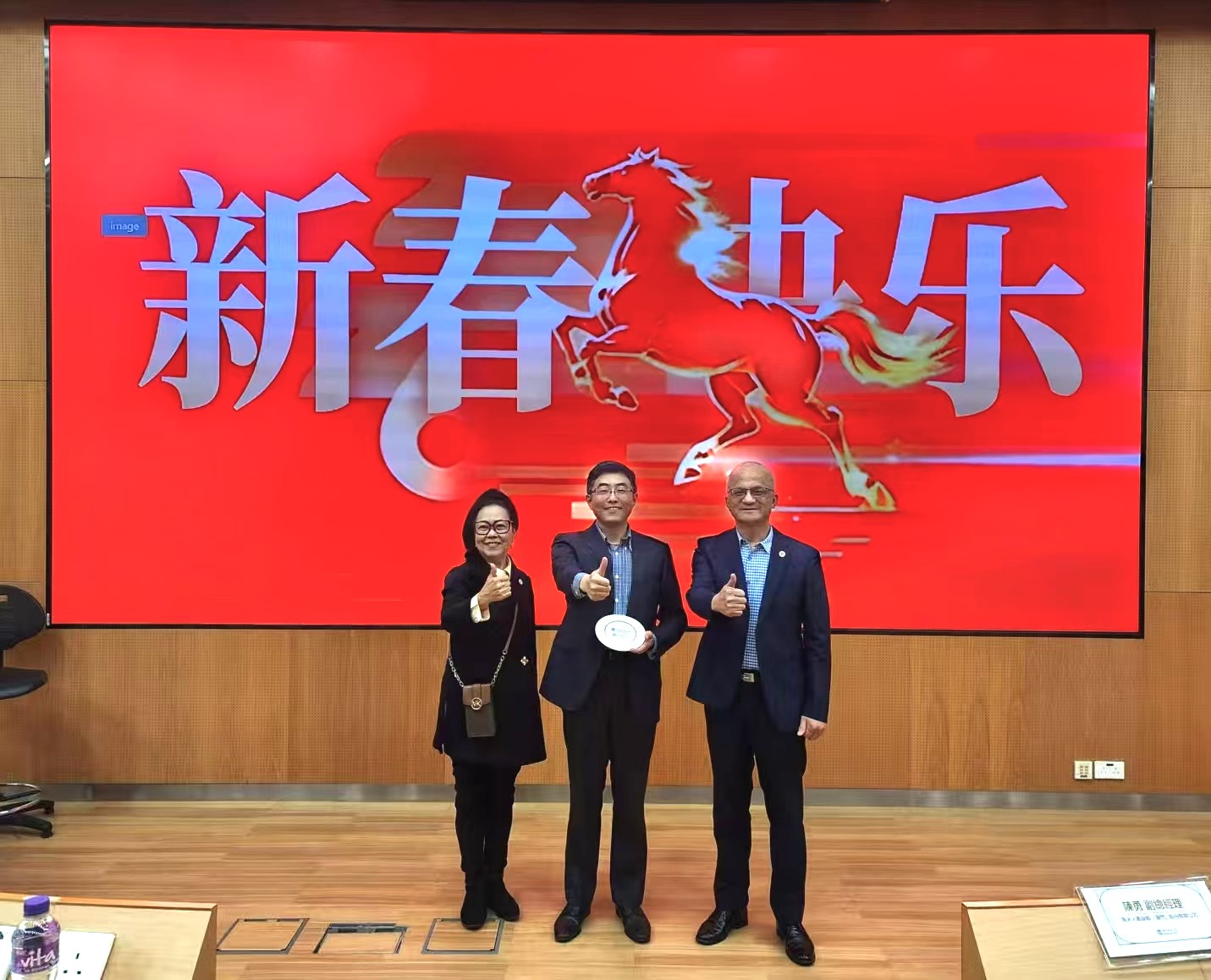
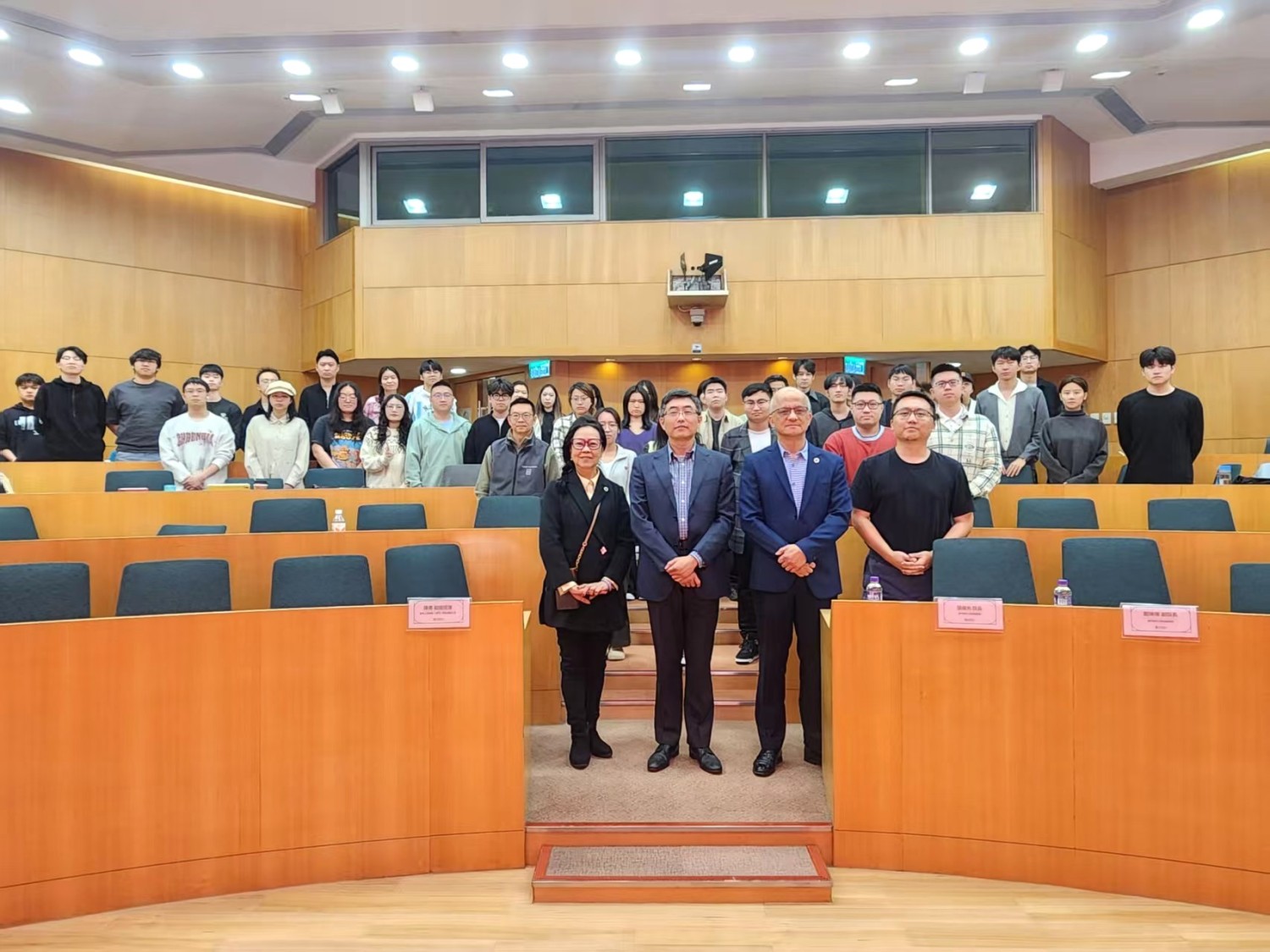
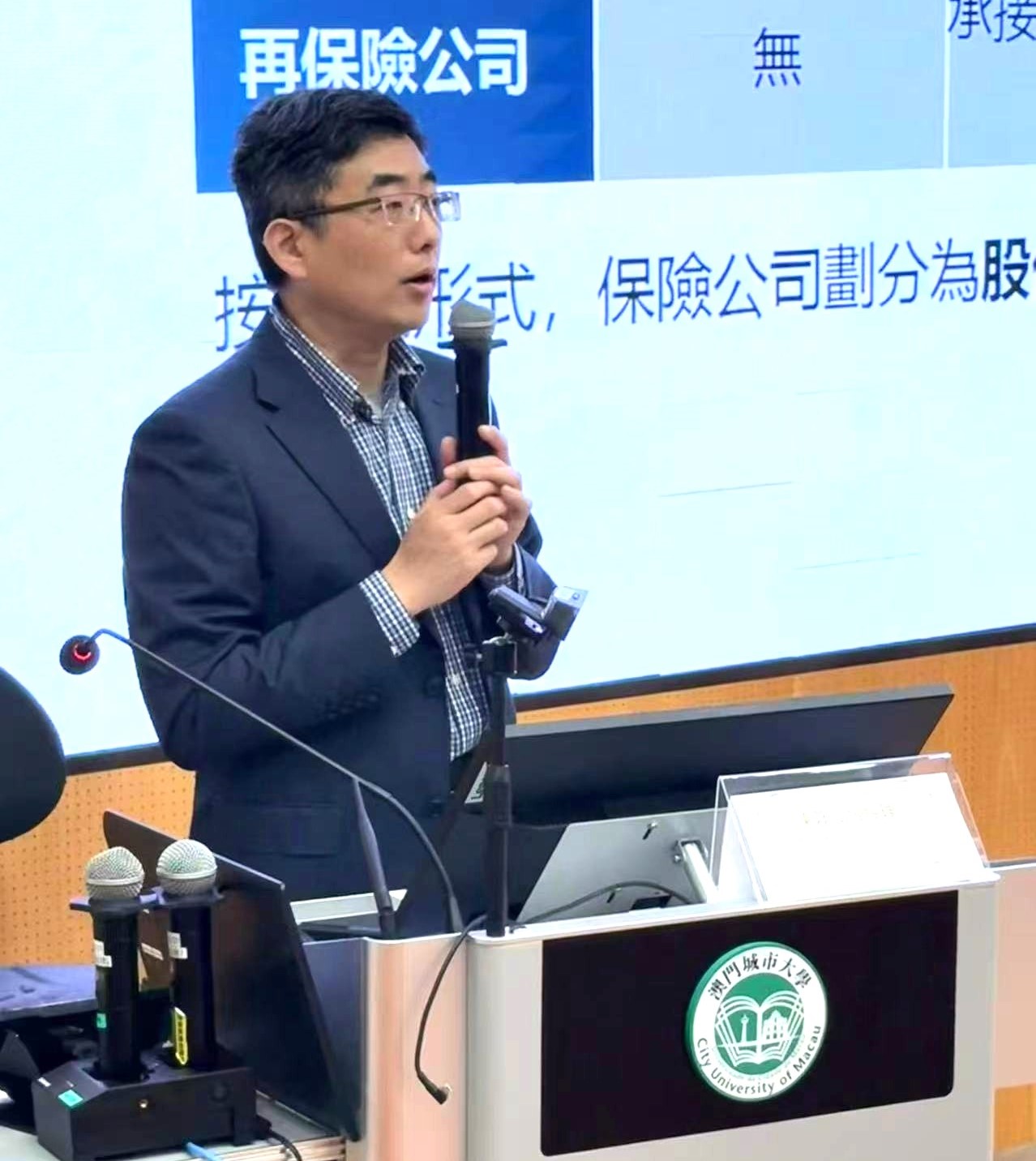
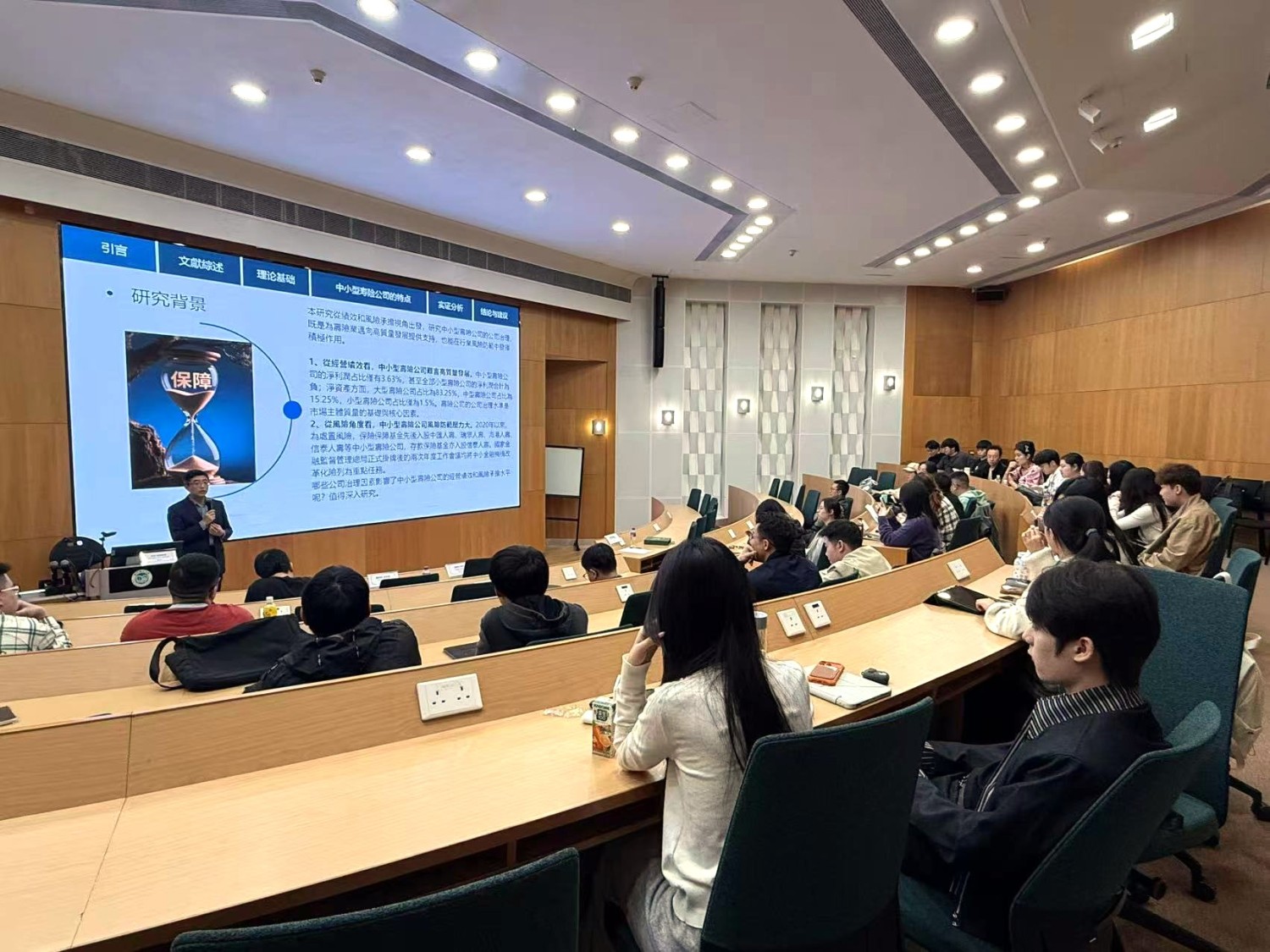
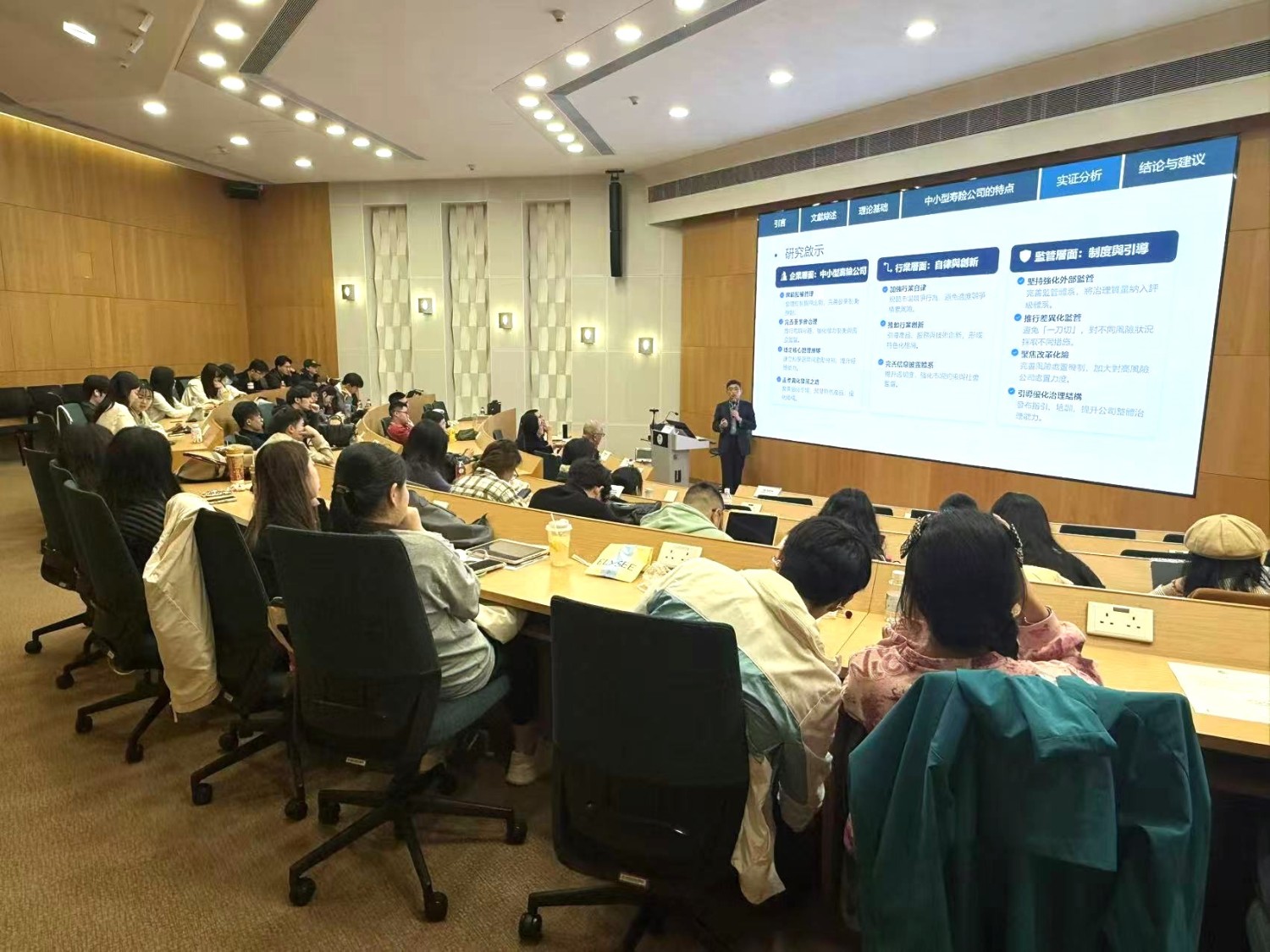
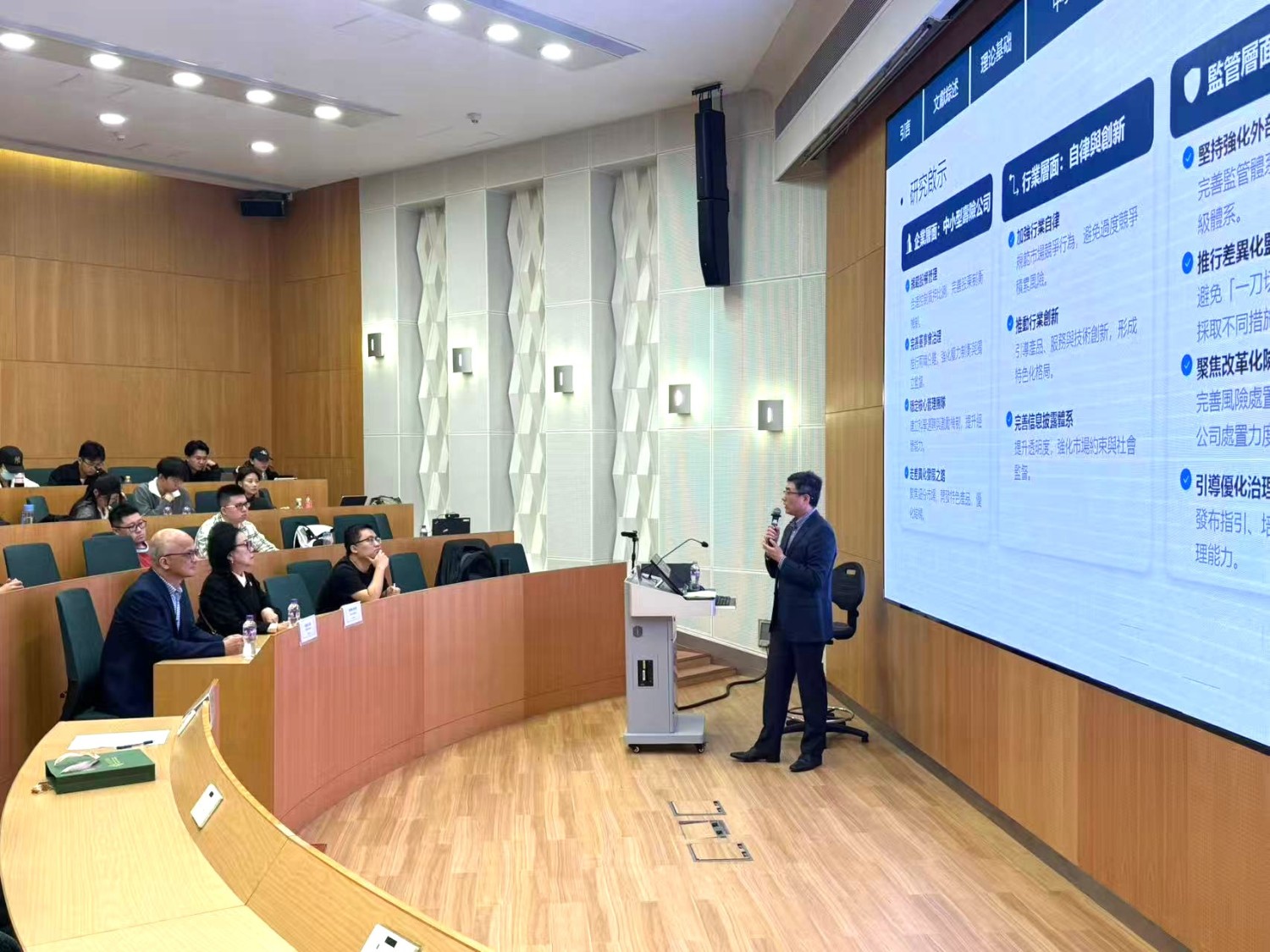
On 12th February 2026, the Faculty of Finance at City University of Macau held a finance seminar, at Ho Yin Conference Center on Taipa Campus. The seminar featured Mr. Yong Chen, Deputy General Manager of Tahoe Life Insurance Company (Macau) Limited, was invited as the keynote speaker. The seminar focused on the theme: "The Impact of Corporate Governance on Corporate Performance and Risk-taking in Small and Medium-sized Life Insurance Companies". Distinguished guests included Dean Adrian Cheung and Associate Dean Eva Khong of the Faculty of Finance.
Mr. Yong Chen holds a Master's degree in Finance from Fudan University and a Bachelor's degree in Economics from Shanghai Jiao Tong University. He currently serves as Deputy General Manager and Anti-Money Laundering Compliance Officer at Tahoe Life Insurance Company (Macau) Limited. With over 24 years of experience in the financial industry, his work covers areas including corporate governance, strategic management, risk management, human resources, and internal control compliance. He holds professional qualifications such as Certified Risk Manager, Certified Internal Auditor, and International Certified Anti-Money Laundering Specialist.
During the seminar, Mr. Yong Chen elaborated on his recent academic research focusing on small and medium-sized life insurance companies in Mainland China. He pointed out that the level of corporate governance significantly impacts business performance and risk-taking. Specifically, excessively high equity pledge ratios and intense market competition noticeably drag down performance and elevate risks, whereas external regulatory pressure effectively enhances operational performance and suppresses risks. This research empirically analyzed 277 valid data sets from various small and medium-sized life insurance companies covering the period 2020 to 2024. From the perspectives of performance and risk-taking, studying the corporate governance of these insurers not only supports the high-quality development of the life insurance industry but also plays an active role in industry risk prevention.
The research indicates that small and medium-sized life insurance companies in Mainland China are facing severe operational challenges. Currently, 11 large life insurance companies hold 83.25% of net assets, 43 medium-sized companies account for only 15.25%, and 21 small companies hold a mere 1.5%. In terms of net profit, the aggregate net profit of all small life insurance companies is negative. Concurrently, from a risk perspective, since 2020, the Insurance Security Fund has successively injected capital into several small and medium-sized institutions such as Zhonghui Life, Ruizhong Life, Haigang Life, and Sinatay Life to manage risks. The National Financial Regulatory Administration has also listed "Reform and Risk Mitigation of Small and Medium-sized Financial Institutions" as a key annual task for two consecutive years. The research emphasizes that the level of corporate governance is the core foundation of market entity quality. Issues such as imperfect governance structures and insufficient risk control capabilities in small and medium-sized life insurance companies need resolution. The empirical results indicate that, regarding internal governance, the equity pledge ratio shows a significant negative correlation with performance; higher pledges correlate with poorer performance and can easily induce related-party transactions and fund occupation. While separating the roles of Chairman and General Manager does not significantly impact performance, it effectively reduces risk. Regarding external governance, higher market competition intensity leads to poorer performance and higher risk, creating a "competition- induced risk" effect; higher regulatory ratings significantly improve performance and reduce risk. This research suggests that companies should strictly control equity pledges, implement separation of top roles, stabilize management teams, and pursue differentiated development paths. Regulators should strengthen external supervision, implement differentiated policies, and improve risk disposal mechanisms. The industry should enhance self-discipline, promote innovation, and increase information transparency. The research strongly emphasizes that good corporate governance is the key to achieving high-quality industry development.
This seminar provided students with an opportunity to gain in-depth understanding of cutting-edge research on corporate governance and risk management in the life insurance industry. During the seminar, Mr. Chen actively interacted with students. The seminar content integrated theory and practice with solid analysis, and students expressed that they benefited greatly. Faculty and students of the Faculty of Finance once again thanked Mr. Yong Chen for his excellent sharing. The Faculty will continue to organize such activities balancing academia and practice, deepen industry-academia exchange and cooperation, and jointly promote innovative development and talent cultivation in Macau's financial sector.